You've Reported a Honey Bee Swarm—Thank You!
If you've recently reported a honey bee swarm in North Carolina, whether in the bustling areas of Charlotte, the historic streets of Raleigh, or the vibrant communities of Durham, you've taken a crucial step in protecting these essential pollinators. Your action connects a vulnerable honey bee colony with a local beekeeper who can give it a safe, managed home. But what happens now? This guide walks you through the next steps in the process.
The Beekeeper Alert System
Immediately after you submit a report through the Swarmed network, an alert is sent to registered beekeepers in your local area. North Carolina has a dedicated community of beekeepers who are passionate about honey bees, and during the peak swarm season of spring, they are on high alert, ready to respond.
Most of the time, a beekeeper will claim your report quickly. Once this happens, you will receive an automated email containing the name and contact information of the responding beekeeper. They will typically reach out to you to confirm details, ask a few questions about the location and accessibility of the bees, and arrange a time for the rescue.
Understanding the Difference: Free Swarm Rescue vs. Paid Colony Removal
One of the most important things to understand after reporting bees in Charlotte or Raleigh is the distinction between a swarm and an established colony. This difference determines the complexity of the job and whether there will be a cost involved.
Honey Bee Swarms: A Temporary Stop
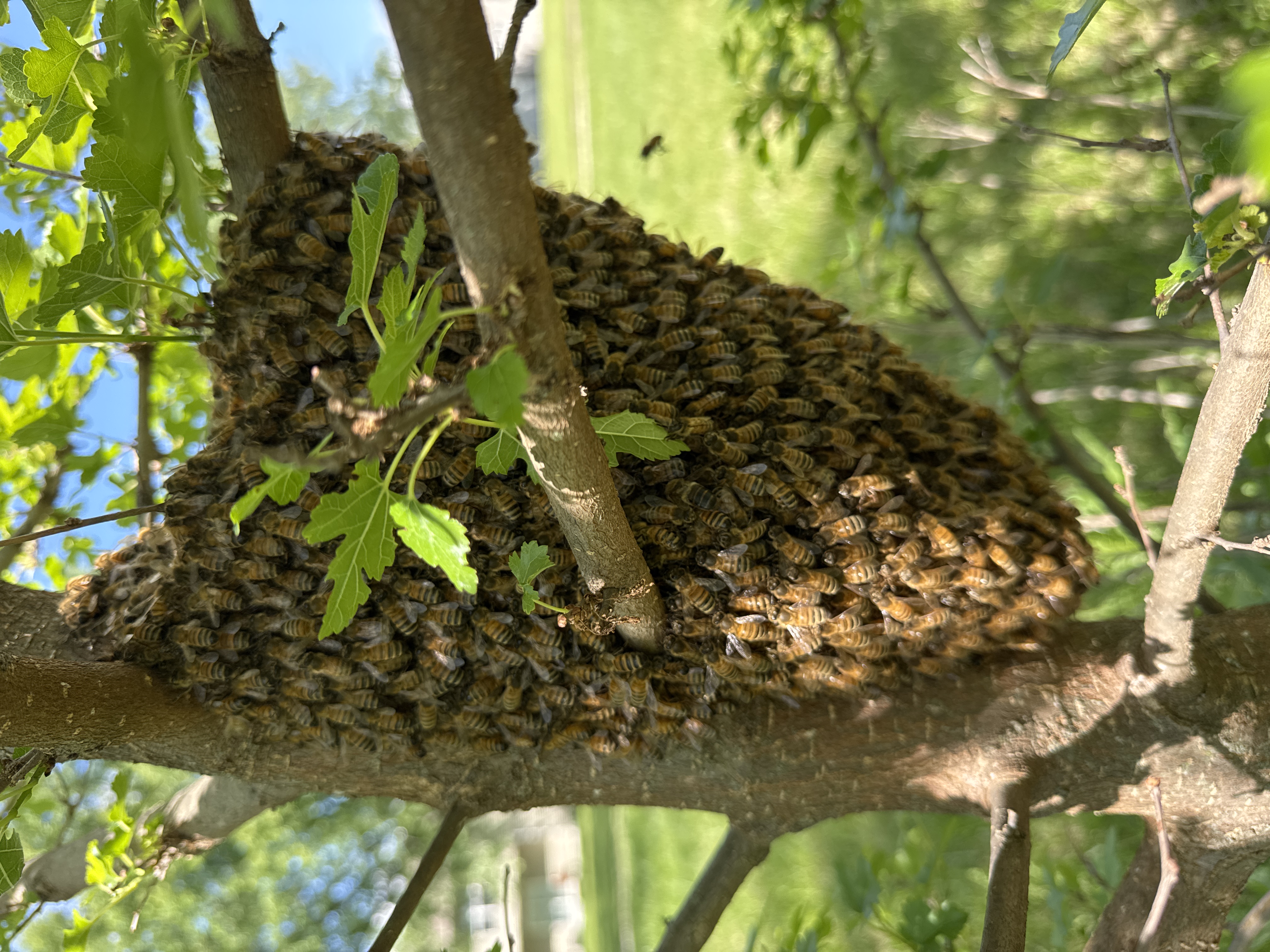
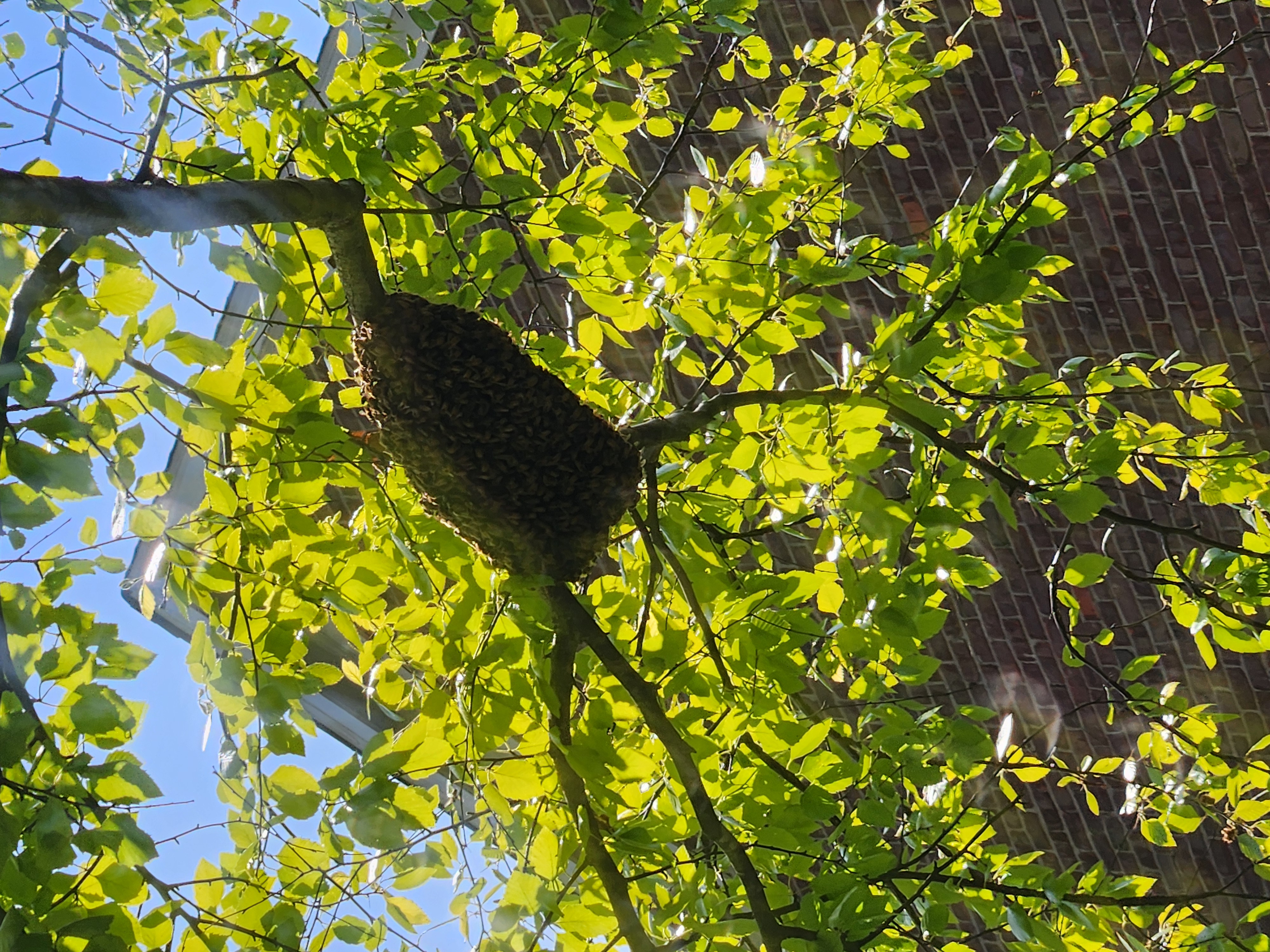
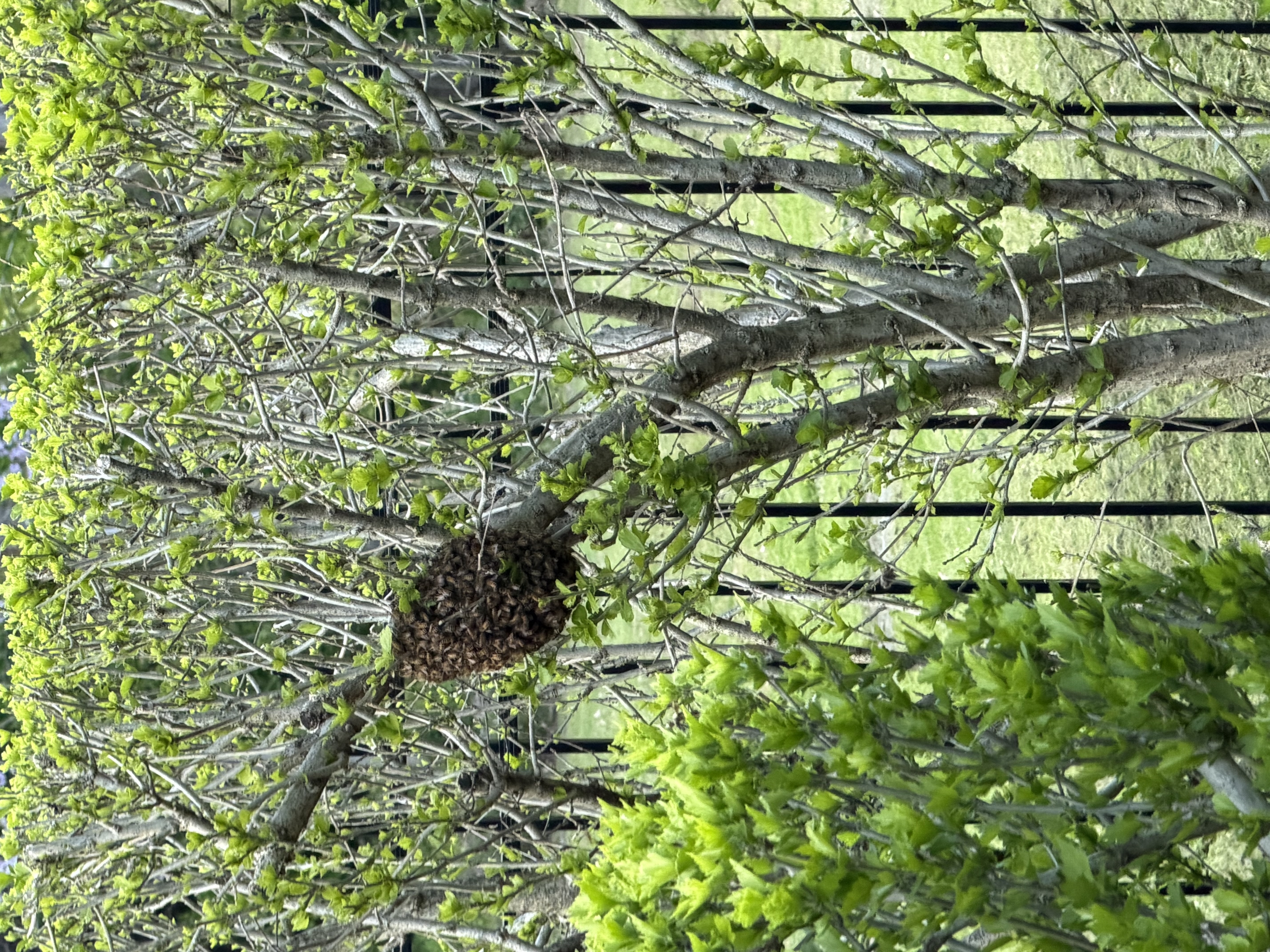
A swarm is a large cluster of bees, often hanging from a tree branch, a fence, or the side of a building. This is a natural part of the honey bee life cycle. The colony has split, and the old queen has left with about half the bees to find a new home. Key characteristics of a swarm include:
- Transient Nature: They are temporarily resting, usually for 24-72 hours, while scout bees search for a permanent cavity.
- Docile Behavior: The bees have filled up on honey before leaving their old hive and have no home, brood, or food stores to defend. This makes them remarkably gentle.
- Free Rescue: Because swarms are easy to capture and beekeepers want to add them to their apiaries, swarm rescue is almost always a free service. A beekeeper can often simply place a box beneath the cluster and gently guide the bees inside.
When you see a large ball of bees, you've likely found a swarm, and the process of swarm removal in Raleigh or surrounding areas should be straightforward and at no cost to you.
Established Colonies: A Permanent Residence
An established colony (or established hive) is different. This is a group of bees that has already found and moved into a permanent home, such as inside the wall of a house, a chimney, an attic, or a hollow tree. They have started building wax comb, raising young (brood), and storing honey. Key characteristics include:
- Permanent Structure: The bees are no longer just resting; they have made this location their home.
- Defensive Behavior: They will defend their home, brood, and food stores, making them more likely to sting than a swarm.
- Paid Removal (A "Cutout"): Removing an established colony is a complex, labor-intensive job called a "cutout." It often requires carpentry skills and specialized equipment to carefully open the structure, remove all the bees and comb, and then repair the area. Because of the time, skill, and risk involved, a cutout is a paid service. The beekeeper will assess the situation and provide you with a fair quote before any work begins. You have the right to accept or decline this quote.
What if the Bees Seem Defensive?
You might notice the bees are more agitated than the "docile" swarm description suggests. This can happen for a few reasons. The bees may have been disturbed, or it could be an indicator that they are not a swarm but rather the entrance to an established colony you can't see.
If you've reported what you thought was a swarm, but the bees are overly defensive, be sure to mention this to the beekeeper when they contact you. This information helps them come prepared and is often the first clue that the job may be a more complex cutout rather than a simple swarm rescue. This can influence service costs, as the safety equipment and time required will increase.
Why Your Report in North Carolina Matters
By taking the time to report a swarm, you are doing more than just solving a potential nuisance. You are actively participating in community-driven conservation. Each swarm that is rescued is a honey bee colony saved from potentially being exterminated or moving into a location where they could conflict with humans. Instead, they become part of a managed apiary where they can thrive.
Your single report contributes to a larger effort. In other states with active beekeeping communities, the Swarmed network has helped rescue over 102 swarms in a single season, a powerful testament to what happens when citizens and beekeepers work together. After reporting a bee swarm in North Carolina, you become part of that success story, directly supporting local beekeepers and strengthening our state's pollinator population.
While you wait for the beekeeper, the best thing you can do is keep a safe distance, ensure pets and children are away from the area, and avoid spraying the bees with anything. Your patience allows the rescue process to unfold safely and successfully.
Your decision to act has a positive ripple effect on North Carolina's environment and agriculture. The next time you see a swarm, you'll know exactly what to do. If you know someone who has spotted a swarm, encourage them to help protect our vital pollinators by reporting a honey bee colony today at https://beeswarmed.org/report-bee-colony (opens in a new tab).