You've Seen a Bee Swarm in New Jersey. What Now?
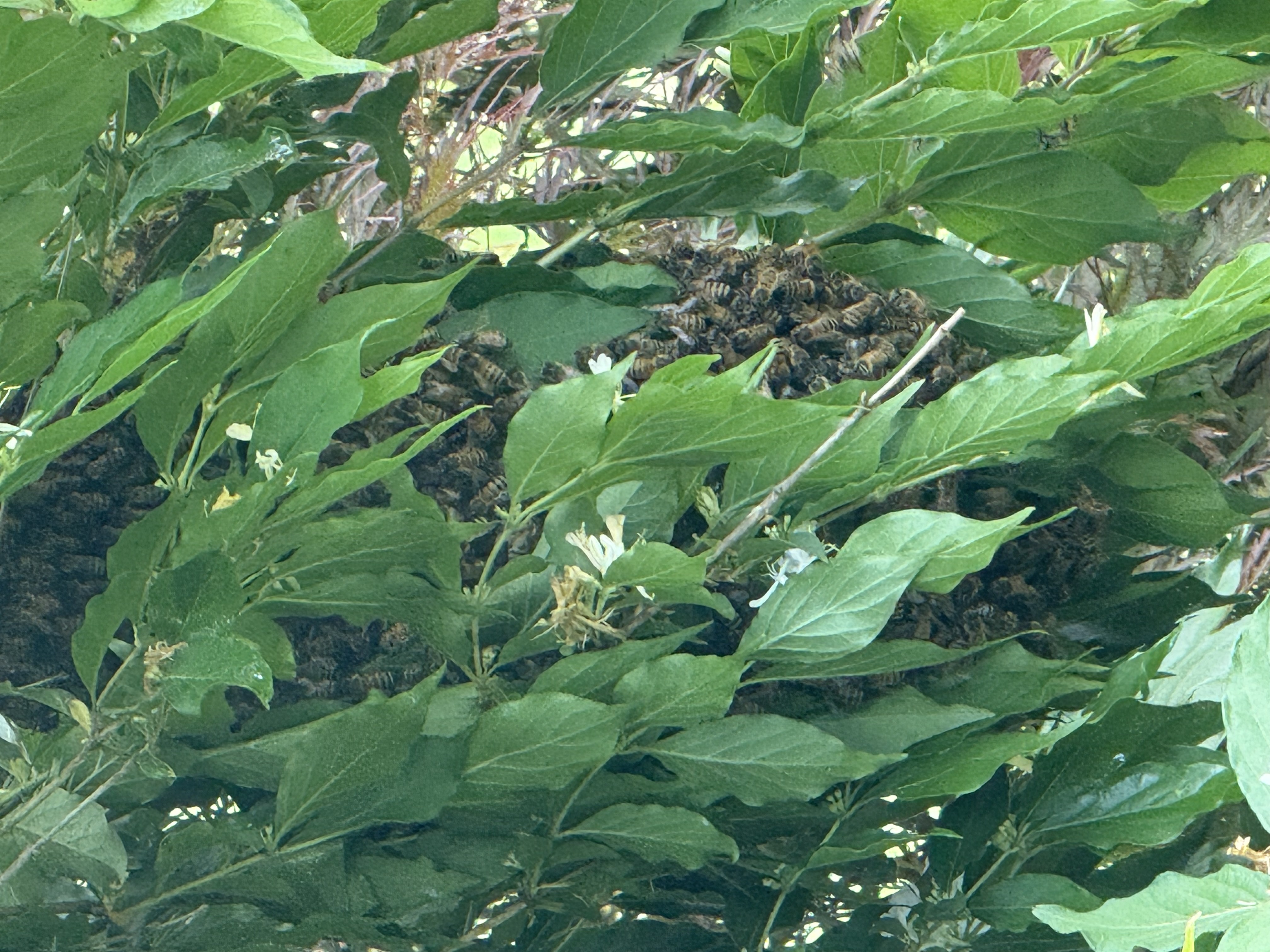
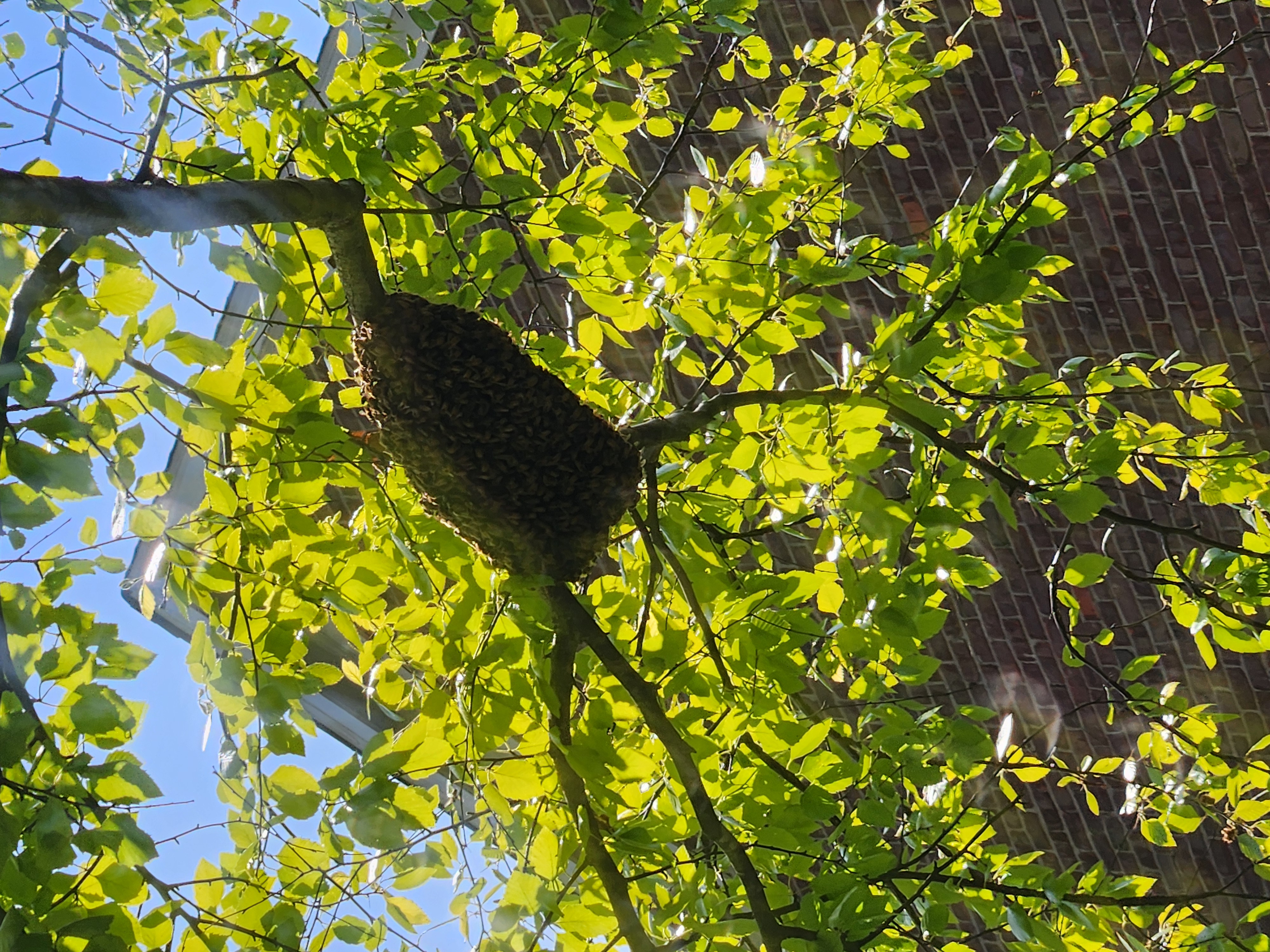
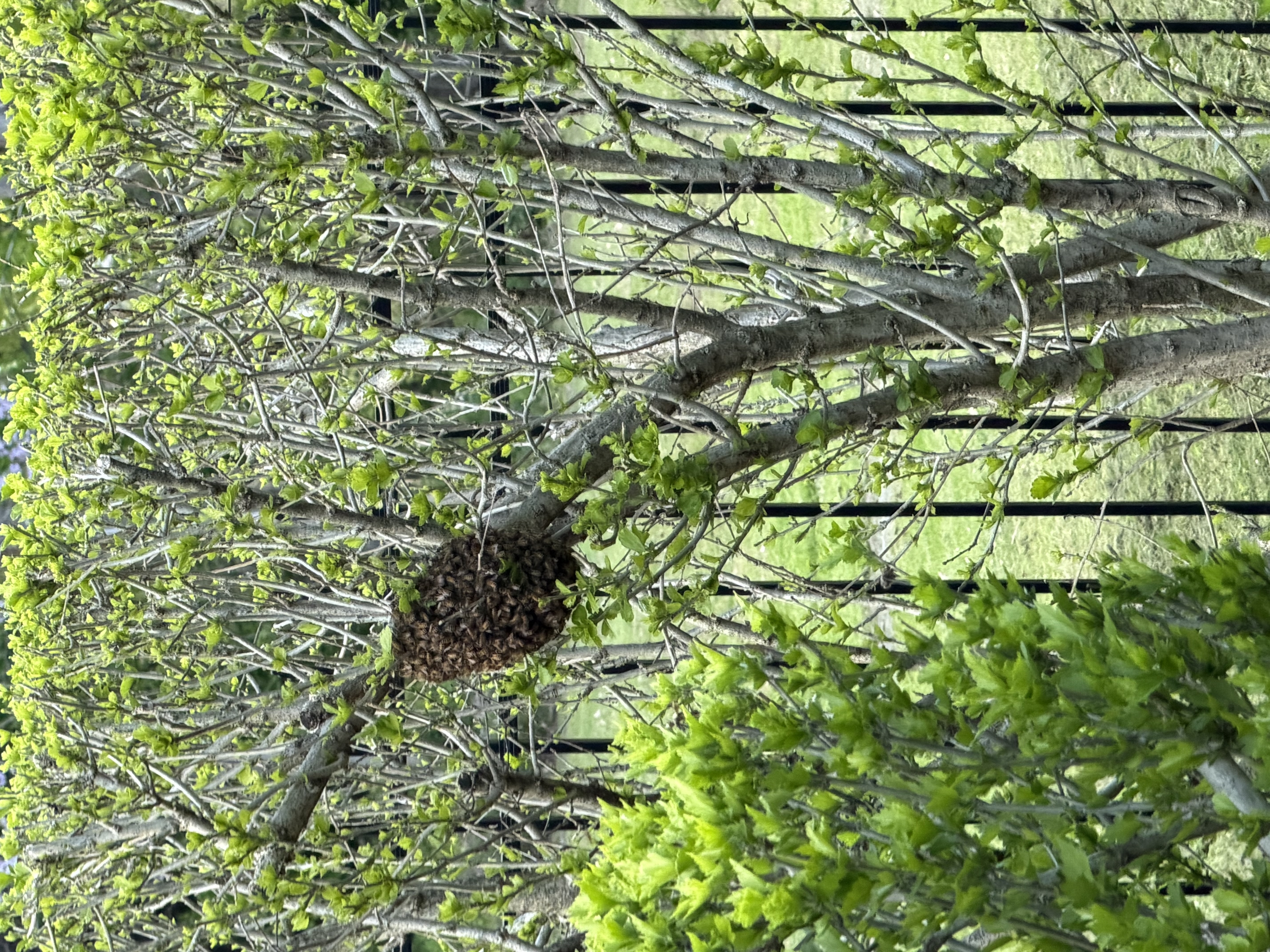
Seeing a large cluster of thousands of honey bees clinging to a tree branch, fence post, or mailbox can be an arresting sight. Whether in a bustling neighborhood in Newark or a quiet street in Trenton, your first instinct might be alarm. But by searching for information or reporting the swarm, you’ve already taken the most important step. This guide explains what happens after you report a bee swarm in New Jersey, clarifying the process and setting clear expectations for a successful honey bee rescue.
Spring in the Garden State brings blossoming flowers and the natural, healthy process of bee swarming. It’s a sign of a thriving honey bee population, and your action helps ensure these vital pollinators are safely relocated by local experts.
The Journey of a Swarm: From Your Report to a New Home
When you submit a report through a platform like Swarmed, you initiate a rapid-response process designed to connect you with a local beekeeper quickly and efficiently. Our network includes over 300 registered beekeepers across New Jersey, ready to help.
Here is a step-by-step breakdown of what you can expect:
- Submission and Confirmation: After you fill out the report form with the swarm’s location and details, you’ll receive an automated confirmation email. This lets you know your report is in the system. Reporting a swarm is free to use, and Swarmed is supported by the community. We ask for an optional suggested contribution of $12 to help maintain the platform and our mission to protect honey bees.
- Instant Alert to Beekeepers: The moment you submit, an alert is sent out to beekeepers in the vicinity, from Jersey City to the surrounding suburbs. The system prioritizes beekeepers who are closest to your location to ensure the fastest possible response.
- A Beekeeper Claims the Swarm: An available beekeeper will “claim” your report through the system. Once they do, you will receive a second email containing the beekeeper’s name and contact information. This is your confirmation that help is on the way. The beekeeper will typically call or text you to confirm details and provide an estimated time of arrival.
- The Rescue: The beekeeper will arrive with specialized equipment—usually a ventilated box called a “nuc box,” a bee brush, and protective gear. They are trained to handle the situation calmly and safely. The process often involves gently shaking the branch the bees are clustered on, causing the majority of the swarm to fall into the open box. The beekeeper will then place the box on the ground, allowing the remaining bees to march inside to join their queen. The bees are surprisingly docile during this process because they have no home, honey, or young to defend.
Understanding Response Times in Urban New Jersey
After reporting bees in Newark or another dense urban area, a common question is, “How long will it take?” Response times can vary. In many cases, a beekeeper might be just a few miles away and can arrive in under an hour. However, factors like traffic, the time of day, and the beekeeper’s personal availability can influence the timeline.
It’s important to remember that swarms are generally temporary but not an immediate emergency. A swarm will typically remain in its clustered location for 24 to 72 hours while scout bees search for a suitable permanent home. Be patient; the system is designed to find the nearest available expert for your swarm removal in Jersey City or elsewhere in the state.
The Critical Difference: Free Swarm Rescue vs. Paid Colony Removal
One of the most important things for New Jersey residents to understand is the difference between a swarm and an established colony. This distinction determines whether the removal service is free or requires payment.
Honey Bee Swarm (Typically Free Removal)
A swarm is a transient, exposed cluster of bees. They are temporarily resting on a surface while they look for a new home. Because they are easy to access and beekeepers want these healthy, local bees to start new hives, the rescue is almost always performed free of charge. These are the bees you see balled up on a tree limb, a park bench, or the side of a building.
Established Colony or Hive (Paid Service)
An established colony is different. This is when the bees have moved *inside* a structure. They have chosen your wall, attic, shed, or chimney as their permanent residence and have begun building wax comb, raising young (brood), and storing honey. Bees in an established hive are defensive of their home.
Removing an established colony is a complex, labor-intensive process called a “cutout.” It often requires:
- Specialized tools to open up the structure (e.g., cutting into drywall or siding).
- Careful removal of delicate wax comb containing brood and honey.
- Ensuring the queen is safely captured and relocated with the colony.
- Cleaning the cavity to prevent pests and future swarms from being attracted to the scent.
- Repairing the structure that was opened.
Because a cutout requires carpentry skills, specialized knowledge, and several hours of work, it is a professional service that always costs money. A beekeeper will assess the situation and provide you with a fair quote before any work begins. You have the right to accept or decline the quote.
Why Your Report is a Community Service
By taking the time to report a bee swarm, you are doing more than just solving a problem in your backyard. You are actively participating in a crucial conservation effort. Honey bees are essential for pollinating New Jersey’s crops, from blueberries to apples, and their populations face numerous threats. Each rescued swarm is a victory for the local ecosystem.
Your report directly supports local New Jersey beekeepers. It provides them with healthy, genetically diverse bees that are already adapted to the local climate, strengthening their apiaries without the cost of purchasing bees from elsewhere.
If you have seen a cluster of bees, don't hesitate. Help protect honey bees and support your local community of beekeepers. Report the honey bee colony here: https://beeswarmed.org/report-bee-colony (opens in a new tab). Your small action makes a significant impact.