You’ve Spotted and Reported a Honey Bee Swarm. What Now?
Seeing a large cluster of thousands of honey bees clinging to a tree branch or fence post in Manchester, Concord, or Nashua can be an unforgettable sight. During the peak of spring, this natural process, called swarming, is how honey bees reproduce and create new colonies. By taking a moment to report it, you’ve taken a crucial step in protecting these vital pollinators and supporting your local community. But what happens after you click “submit”?
This guide walks you through the entire process, from the moment your report is filed to the safe arrival of a local beekeeper. Understanding these steps helps set clear expectations and highlights the important distinction between a free swarm rescue and a paid structural removal.
The Immediate Response: Confirmation and Connection
Once you submit a report through the Swarmed platform, a well-coordinated process begins immediately.
- Instant Confirmation: The first thing you will receive is an automated email confirming that your report has been received and logged in our system. This message provides peace of mind that your alert is active.
- Alerting Local Beekeepers: Simultaneously, our system sends an instant notification to registered beekeepers in your specific area of New Hampshire. Whether you're in downtown Nashua or a suburb of Concord, the alert goes out to the nearest available experts who are ready to help.
- A Quick Reply: You can often expect a call or text from an interested beekeeper within minutes. New Hampshire beekeepers are passionate about honey bees and are eager to rescue swarms, which are valuable additions to their apiaries. They will likely ask a few clarifying questions about the swarm's location, size, and height from the ground before heading your way.
When the Beekeeper Arrives: Assessing the Situation
A professional beekeeper will arrive with the necessary equipment to safely handle the bees. Their first and most important task is to assess the situation to determine if they are dealing with a swarm or an established colony. This is the key factor that determines the next steps and any potential costs.
Identifying a Honey Bee Swarm
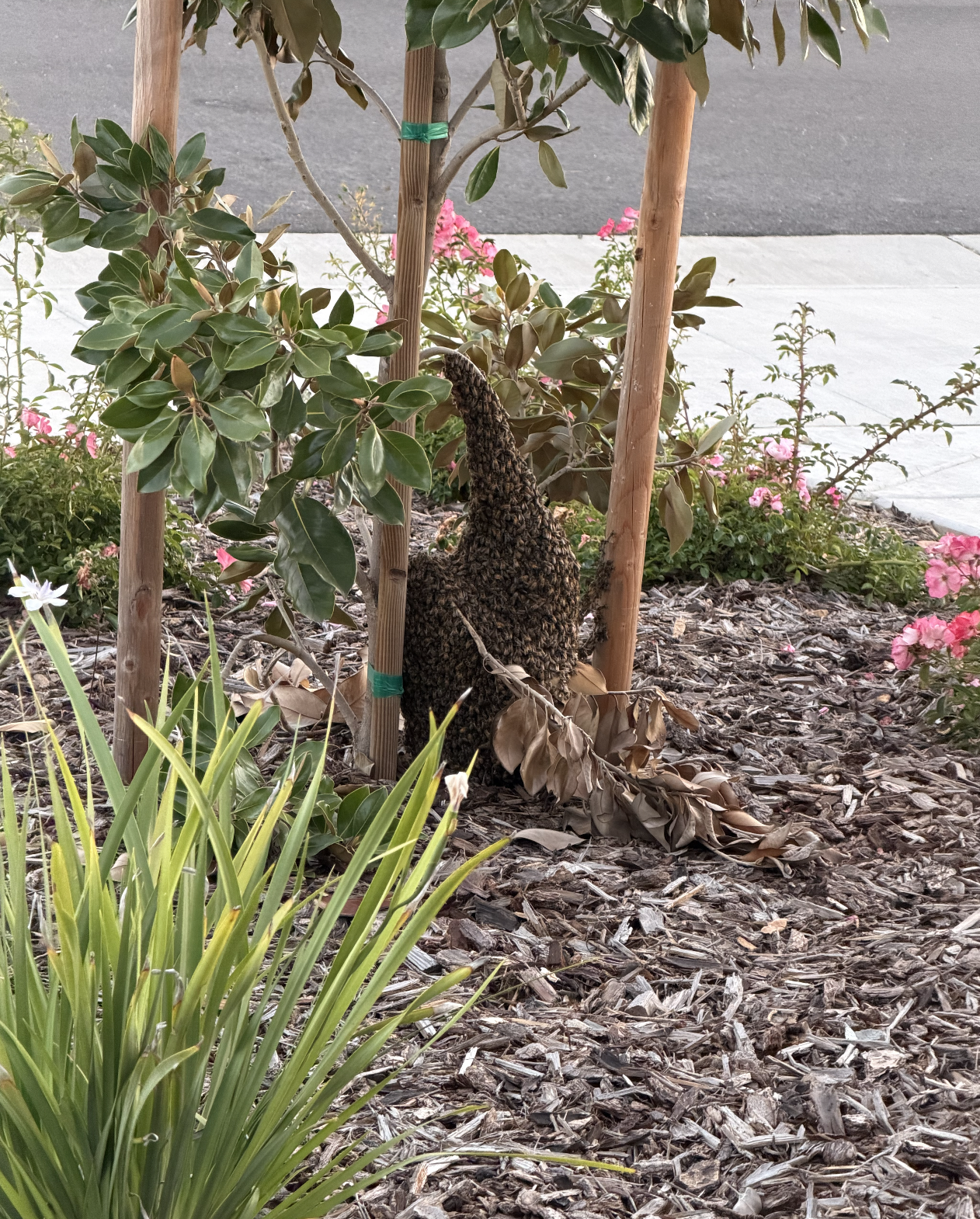
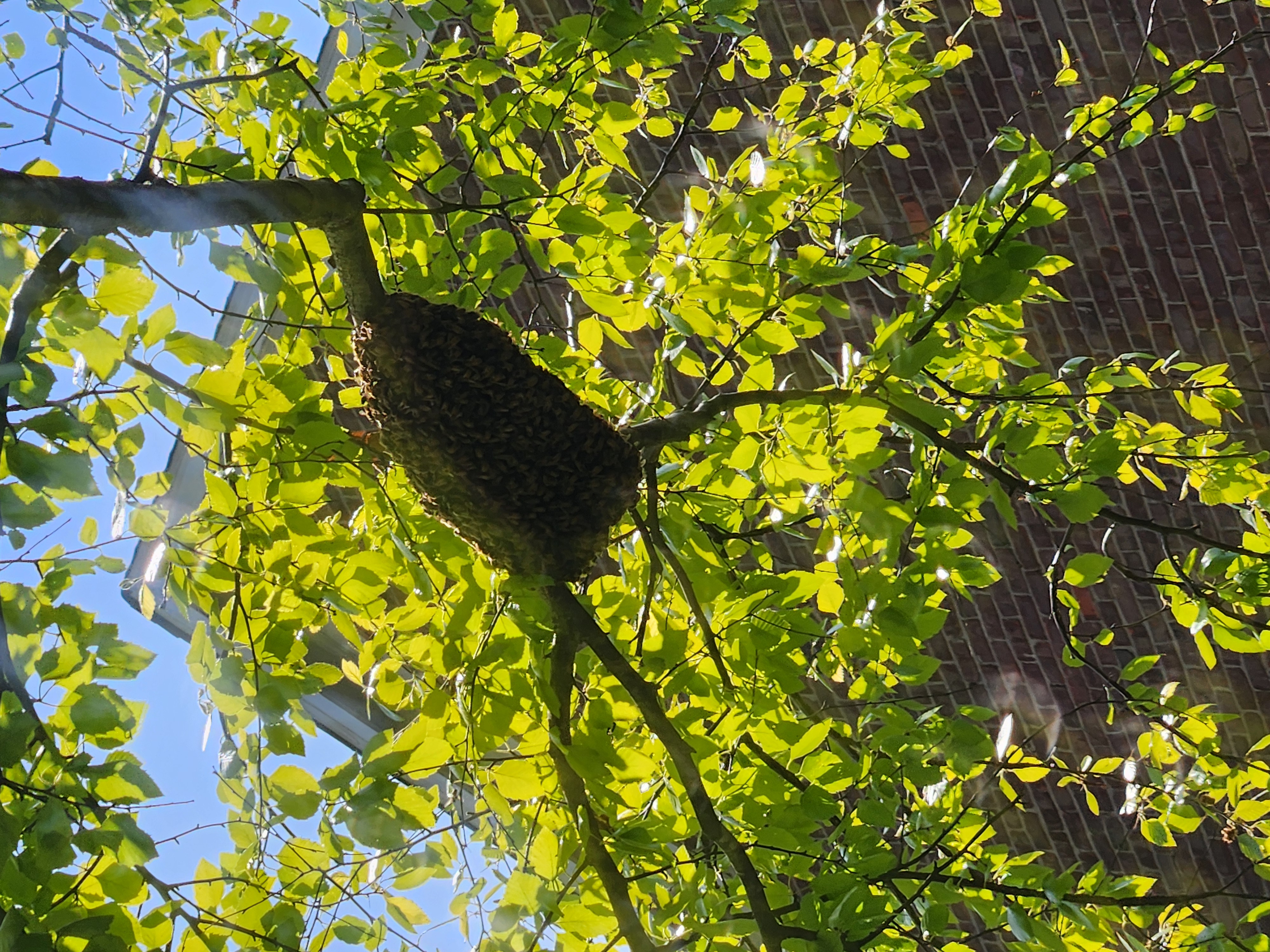
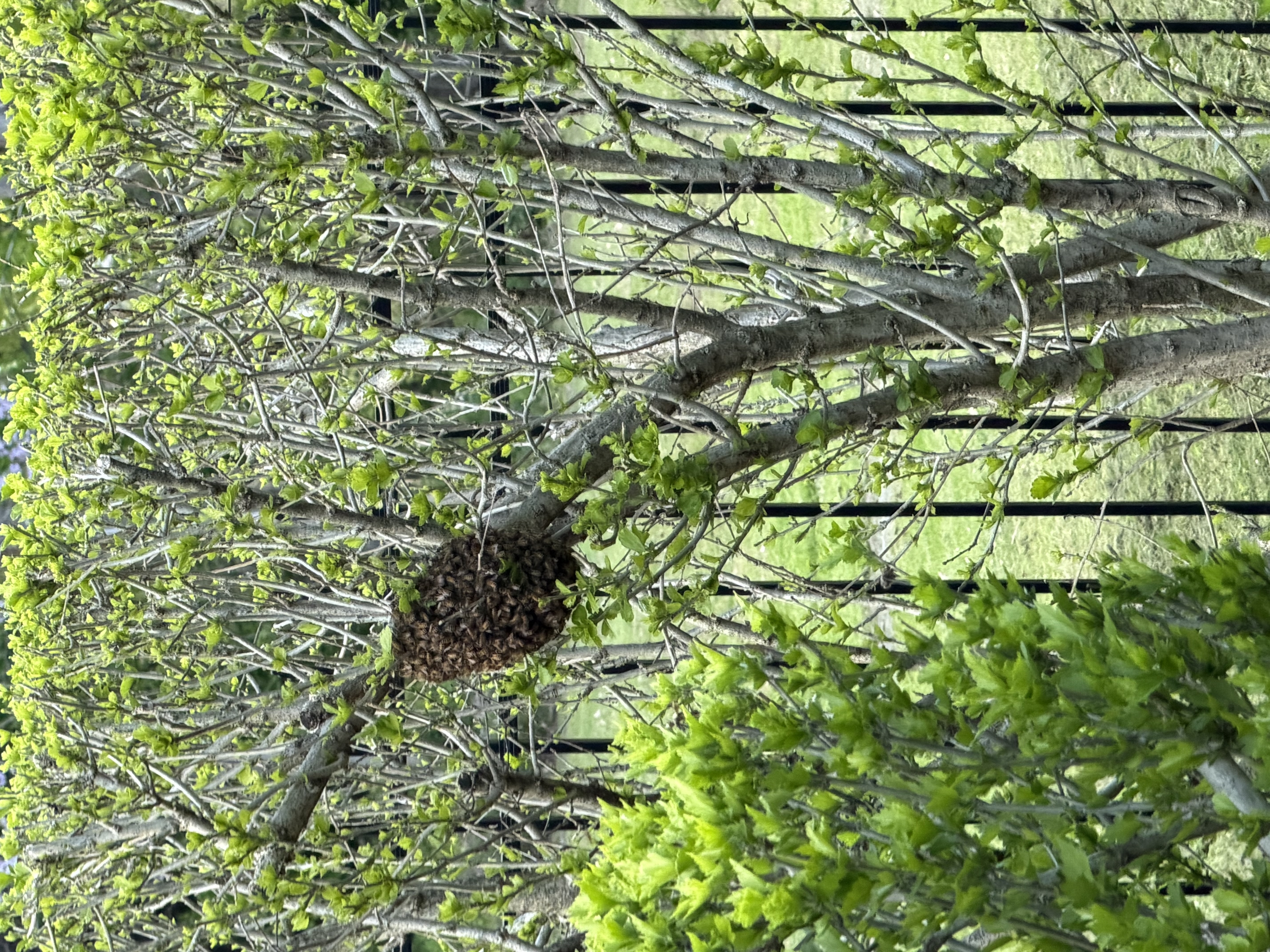
A true swarm is a transient cluster of bees. The bees have recently left their parent hive and are temporarily resting while scout bees search for a permanent home. Key characteristics include:
- A temporary cluster: The bees are gathered in a ball, often on a tree limb, fence, or the side of a building. They have not yet built any wax comb.
- Docile behavior: Swarming bees are typically calm. They have filled up on honey before leaving their old hive and have no home, brood, or food stores to defend.
- Free and simple rescue: For a beekeeper, collecting a swarm is usually a straightforward process that involves gently encouraging the bees into a special box. Because beekeepers want these bees to start new hives, this service is almost always free.
Identifying an Established Colony
If the bees have already moved into a structure—such as inside a wall, attic, shed, or hollow tree—they are no longer a swarm. They have become an established colony or hive. This is a completely different situation.
- A permanent home: The bees have started building wax comb for storing honey and raising young (brood).
- Defensive behavior: These bees will defend their home, which makes removal more complex and dangerous for the inexperienced.
- Requires specialized work: Removing a colony from a structure is a service known as a “cutout.” It often requires carpentry skills and tools to open the structure, carefully remove all the comb, and then repair the area. This is labor-intensive work.
The Critical Difference: Free Rescue vs. Paid Service
Understanding the distinction between a swarm and an established colony is crucial for managing expectations. After reporting bees in Manchester or elsewhere in the state, the responding beekeeper will clarify what kind of situation you have.
Swarm Rescue (Typically Free): A beekeeper is happy to come and collect a swarm at no charge. They are gaining a healthy, locally-adapted colony of bees for their apiary. It’s a classic win-win: you get the bees safely removed, and the beekeeper gets to expand their operation.
Established Colony Removal (A Paid Service): A cutout is a professional service that requires significant time, skill, and equipment. The beekeeper must charge for their labor, expertise, and any materials needed for repairs. When a beekeeper determines the bees are an established colony, they will provide a fair quote for the removal based on the complexity, location, and time involved. As the property owner, you have the option to accept or decline this quote.
Your Report Powers a Positive Impact in New Hampshire
By reporting a swarm, you do more than just solve a problem in your backyard. You become part of a statewide effort to protect honey bees and support local agriculture. The impact is significant; in some regions, the Swarmed network has helped facilitate the rescue of over 100 swarms in a single season.
- Protecting Honey Bees: A reported swarm is a rescued swarm. Instead of being exterminated or perishing without a home, these bees are given a managed hive where they can thrive and continue their essential work as pollinators for New Hampshire’s crops and wild plants.
- Supporting Local Beekeepers: Your report connects local beekeepers with healthy, genetically diverse bees that are already adapted to the New Hampshire climate. This helps them maintain sustainable apiaries without having to purchase bees from other states.
- Strengthening Your Community: When you report a swarm, you are helping a neighbor, a local business, and the environment. You are ensuring that bees are handled safely and humanely by an expert.
Your simple act of observation and reporting makes all of this possible. The next time you see a swarm, you’ll know exactly what to do and what positive chain of events you are setting in motion.
Help protect honey bees and support your local New Hampshire beekeepers. If you see a swarm, please take a moment to report its location. It’s a simple, fast, and free way to make a big difference. You can help save a colony by filing a report here: https://beeswarmed.org/report-bee-colony (opens in a new tab).