Submitting a bee swarm report is a significant contribution to protecting honey bees and supporting your local Nevada community. Whether you are in Las Vegas, Reno, or Henderson, your action initiates a process designed to safely relocate the bees. This guide outlines what you can expect after you've submitted your report through Swarmed.
The Automated Alert: Your Report in Action
Once you complete the online form, the Swarmed system immediately sends an alert to registered beekeepers whose service area includes your location. This automated notification contains all the information you provided, including the swarm's location, its approximate size, and any photos you uploaded. The speed of this system is crucial, as swarms are transient and typically move on within 24 to 72 hours.
Beekeepers rely on the accuracy of your report to assess the situation. Clear photos are especially valuable, helping them distinguish a temporary swarm from a more complex removal and allowing them to prepare the correct equipment before they even leave their home or apiary.
The Beekeeper's Response: What to Expect
A local beekeeper who is available to help will claim your report through the Swarmed network. After claiming the report, they will typically contact you directly via phone or text message. This initial contact serves several purposes:
- Confirmation: To confirm the bees are still at the location.
- Details: To ask any clarifying questions about access to the property or the specific location of the swarm (e.g., "Is it on the front porch or in a tree in the backyard?").
- ETA: To provide an estimated time of arrival.
Remember that most beekeepers are volunteers or small business owners who may be responding between their regular work hours. Patience is appreciated as they coordinate a time to perform the rescue.
A Critical Distinction: Swarm vs. Established Hive
Understanding the difference between a honey bee swarm and an established hive is essential for managing expectations, especially regarding cost. The terms are not interchangeable, and the work involved for each is vastly different.
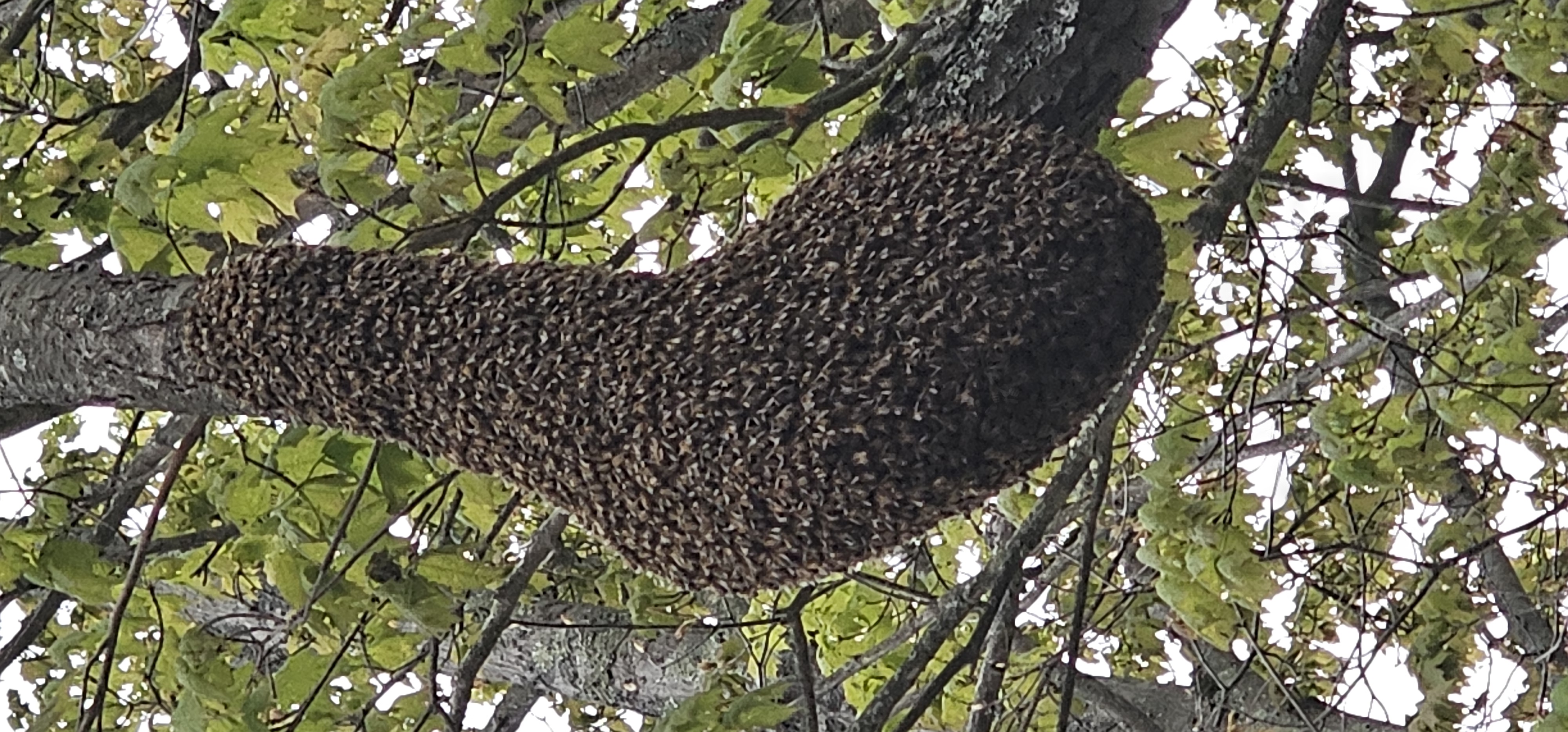
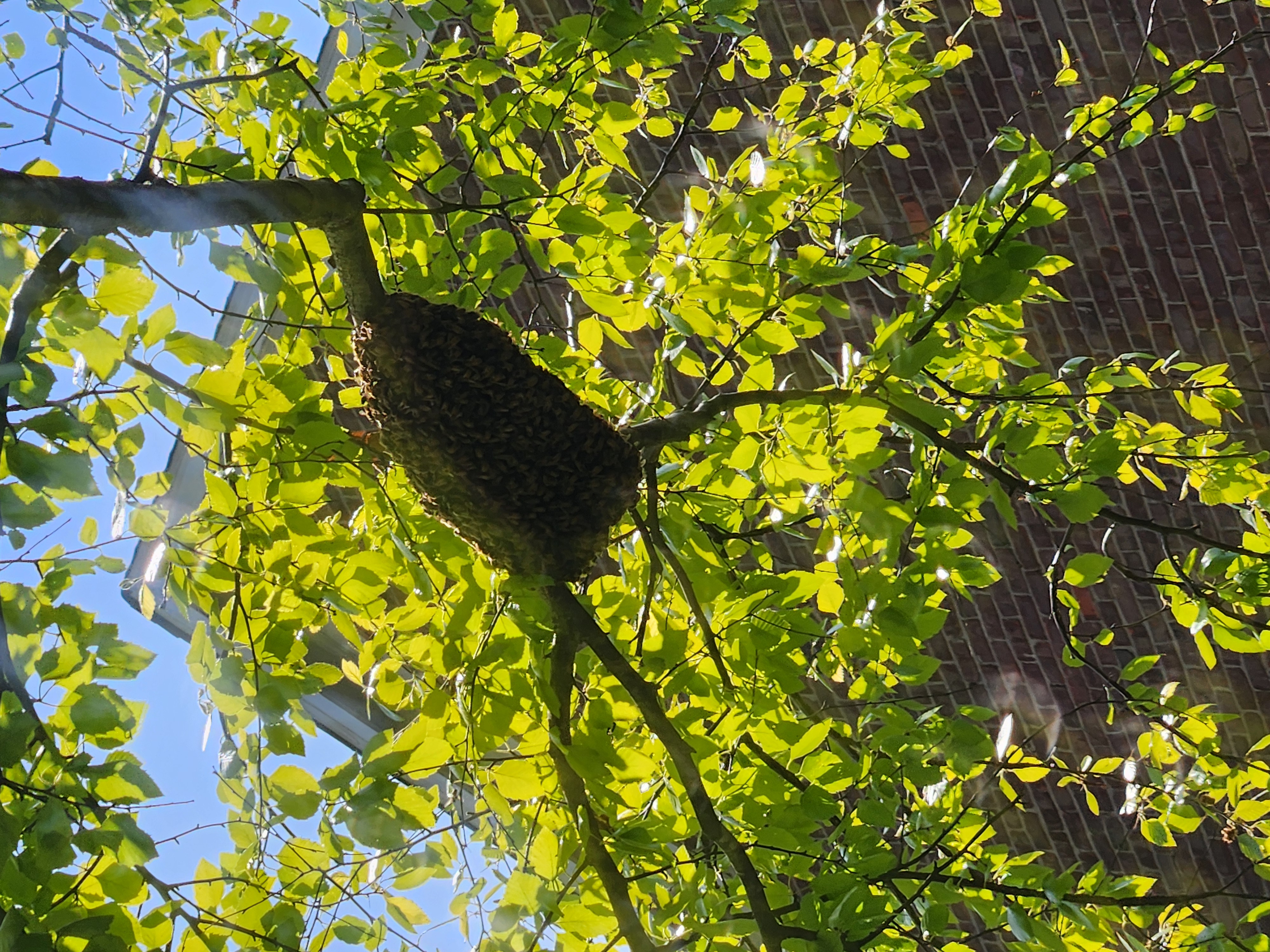
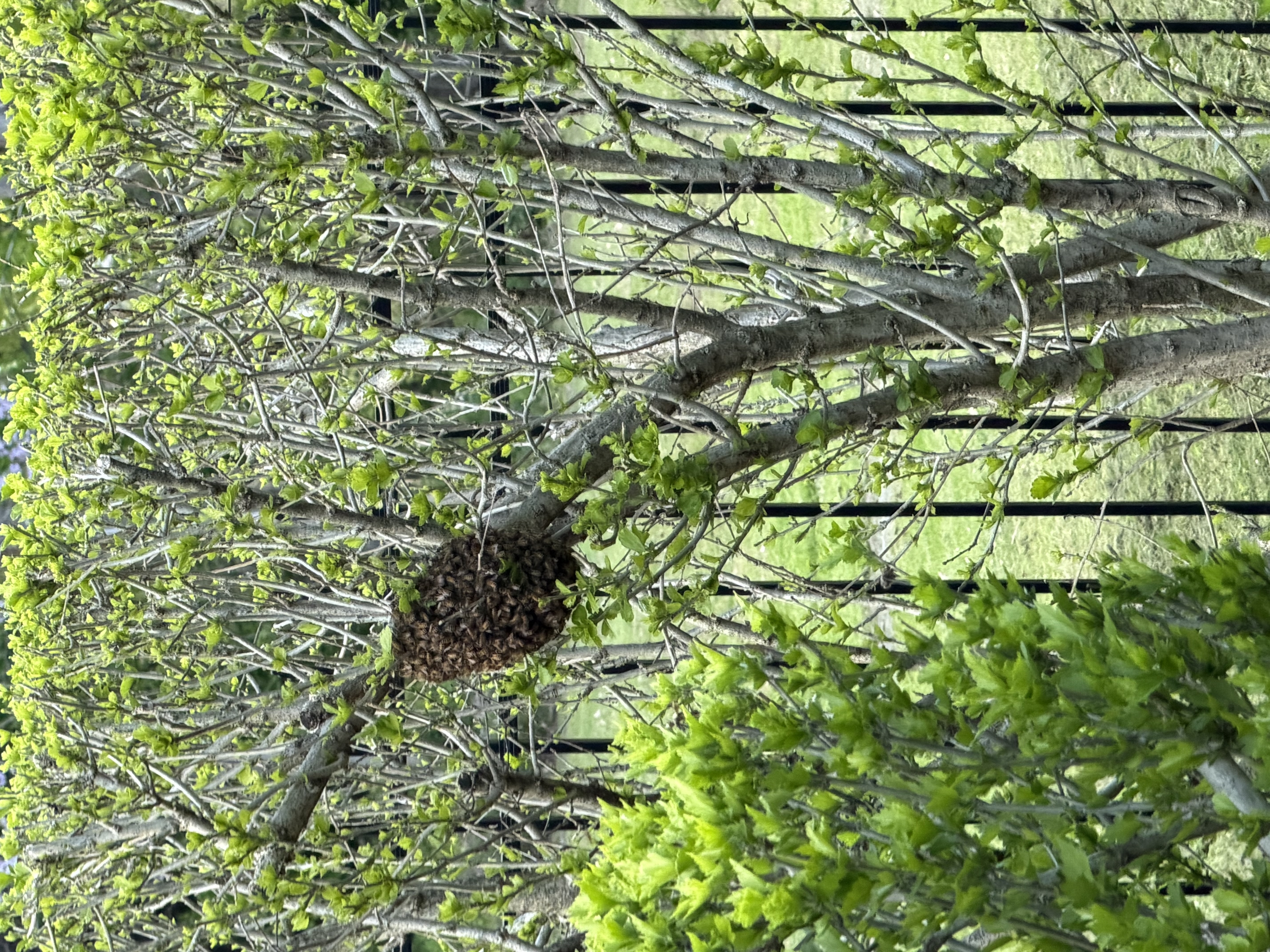
- A Bee Swarm: This is a temporary cluster of bees—often shaped like a football or a beard—hanging from a tree branch, fence post, or eave. The bees have left their old hive with their queen and are in the process of finding a new home. In this state, they are typically docile because they have no brood (young bees) or honey stores to defend. Their primary focus is protecting the queen and finding a suitable cavity for a new nest. Because they are easy to capture and beekeepers want them, swarm collection is normally a free service.
- An Established Hive (or Colony): If a swarm has moved into a structure—such as the wall of a house, a roof, a shed, or an irrigation box—it is no longer considered a swarm. It is an established colony. These bees have begun building wax comb, raising brood, and storing honey. They will defend their home aggressively. Removing an established colony is a complex and labor-intensive process known as a "cutout." It often requires carpentry skills to open the structure, carefully remove the comb, and then repair the damage. A cutout is a paid service, and the beekeeper will provide a quote based on the complexity, time, and materials required.
Regional Considerations for Nevada Residents
In Nevada, beekeepers sometimes approach swarm calls with additional caution. Environmental conditions and the presence of Africanized honey bee genetics in the region mean that some honey bee colonies can be more defensive than those in other parts of the country. This does not mean every swarm is dangerous, but it does mean that a professional beekeeper will perform a careful assessment.
Because of this, a beekeeper responding to a report in the Las Vegas or Henderson areas may ask more detailed questions about the bees' behavior. If a swarm has been in place for several days and is showing signs of defensiveness, or if it is in a difficult-to-access location, the beekeeper may determine the rescue requires specialized techniques. In these specific situations, even for a swarm, they might provide a quote for the service based on the increased complexity and risk. Providing clear information in your report helps the beekeeper make this assessment accurately.
During the Swarm Rescue: A Safe Process
When the beekeeper arrives, your role is simple: keep a safe distance. Ensure that children and pets are indoors to give the professional ample space to work. The beekeeper will have protective gear, including a veil and gloves, and specialized equipment like a bee box (a small, temporary hive).
The rescue process is typically calm and fascinating to watch from afar. The beekeeper may use a smoker to pacify the bees and will gently brush or shake the cluster into the bee box. The goal is to get the queen inside the box, as the rest of the colony will follow her scent. Once the majority of the bees are inside, the beekeeper may leave the box on-site for a short period to allow any stray foraging bees to return before sealing it and taking it away.
Why Your Action Matters
By reporting a swarm, you do more than just solve a problem on your property. Last spring, community members across the state helped connect beekeepers with over 100 reported swarms in Nevada. This is a vital community service that:
- Protects Honey Bees: It prevents swarms from being needlessly exterminated or moving into locations where they might pose a risk later.
- Supports Local Beekeepers: Rescued swarms are used to start new hives, strengthen existing apiaries, and support the local beekeeping community.
- Aids Pollination: Healthy local bee populations are essential for pollinating Nevada's gardens, parks, and agricultural areas.
Your decision to act helps preserve these essential pollinators for the benefit of the entire ecosystem. Submitting a report is free, though Swarmed asks for an optional suggested contribution to help maintain the platform that makes these connections possible.
By taking a moment to Report swarms to help bees and your community (opens in a new tab), you become a crucial part of the solution. We encourage you to share this resource with friends, family, and neighbors so that they also know the correct steps to take when they encounter a honey bee swarm.