You've Done Your Part—Now What?
First, thank you. By reporting a honey bee swarm in Nebraska, you’ve taken a crucial step in protecting these essential pollinators and helping a local beekeeper. Whether you’re in Omaha, Lincoln, Bellevue, or the surrounding countryside, seeing a swirling mass of thousands of bees can be startling. But your quick action to report it through Swarmed sets in motion a community-based effort to give that bee colony a safe new home.
This guide will walk you through what happens after you click 'submit' on your report, clarifying the process, explaining the difference between a simple swarm rescue and a more complex removal, and highlighting how your action supports Nebraska’s ecosystem.
The Swarmed Alert: Connecting You with a Local Beekeeper
The moment your report is submitted, our system gets to work. An immediate notification is sent out to a network of registered, vetted beekeepers in your specific area. These are your neighbors—hobbyists and professionals who are passionate about honey bees and are prepared to help.
Because swarm season is a busy time for bees and beekeepers alike, our network is designed for a rapid response. In most cases, a beekeeper will 'claim' your report very quickly, sometimes within minutes. Once a beekeeper accepts the request, you will receive an automated email containing their contact information, letting you know that help is on the way. This direct line of communication ensures you can coordinate with the beekeeper on the best time for them to arrive and answer any questions they might have.
Is it a Swarm or an Established Colony? A Critical Distinction
One of the most important things to understand is the difference between a honey bee swarm and an established colony. This distinction determines the complexity of the job and whether the service is free or requires a fee.
Honey Bee Swarm
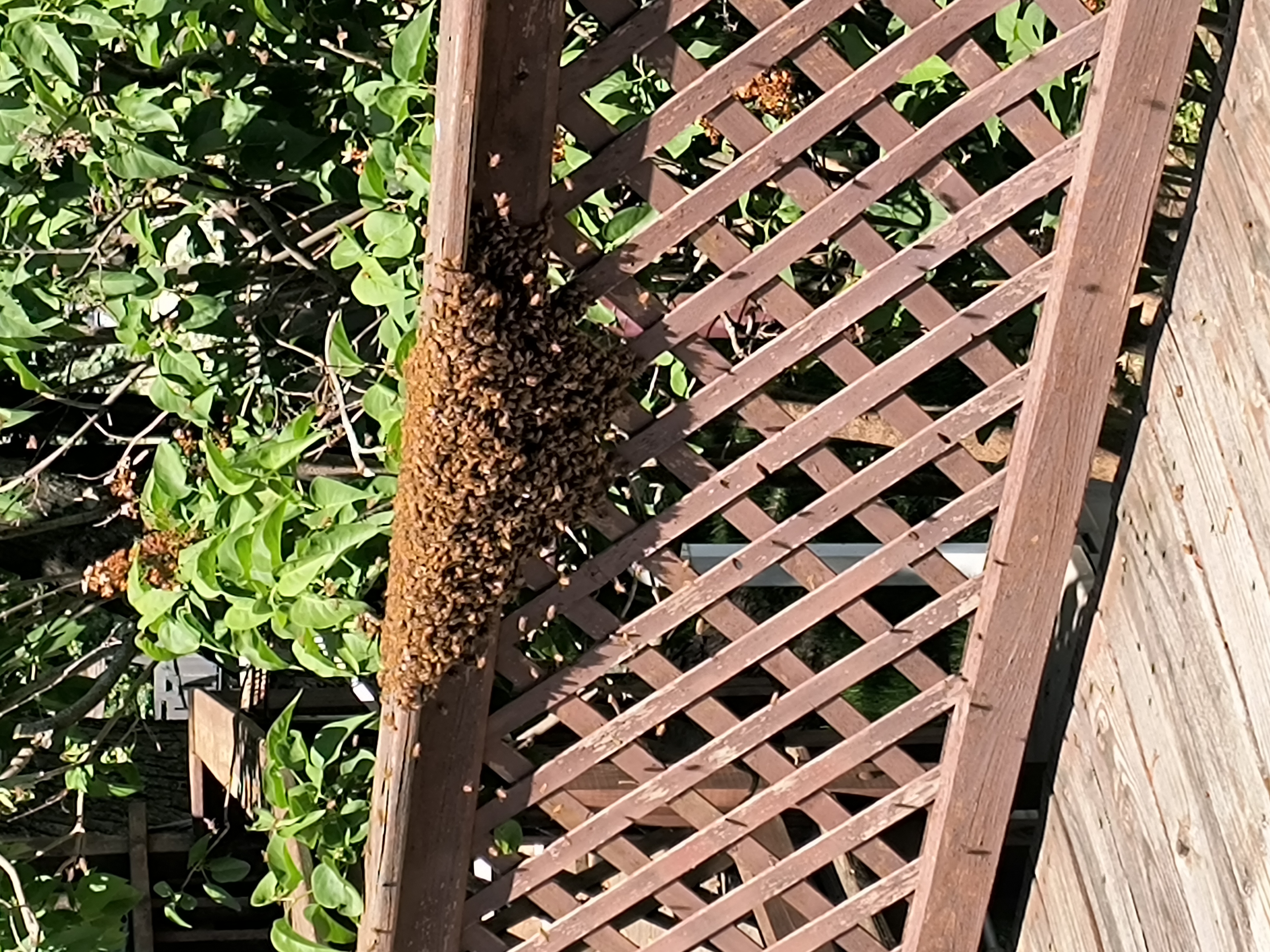
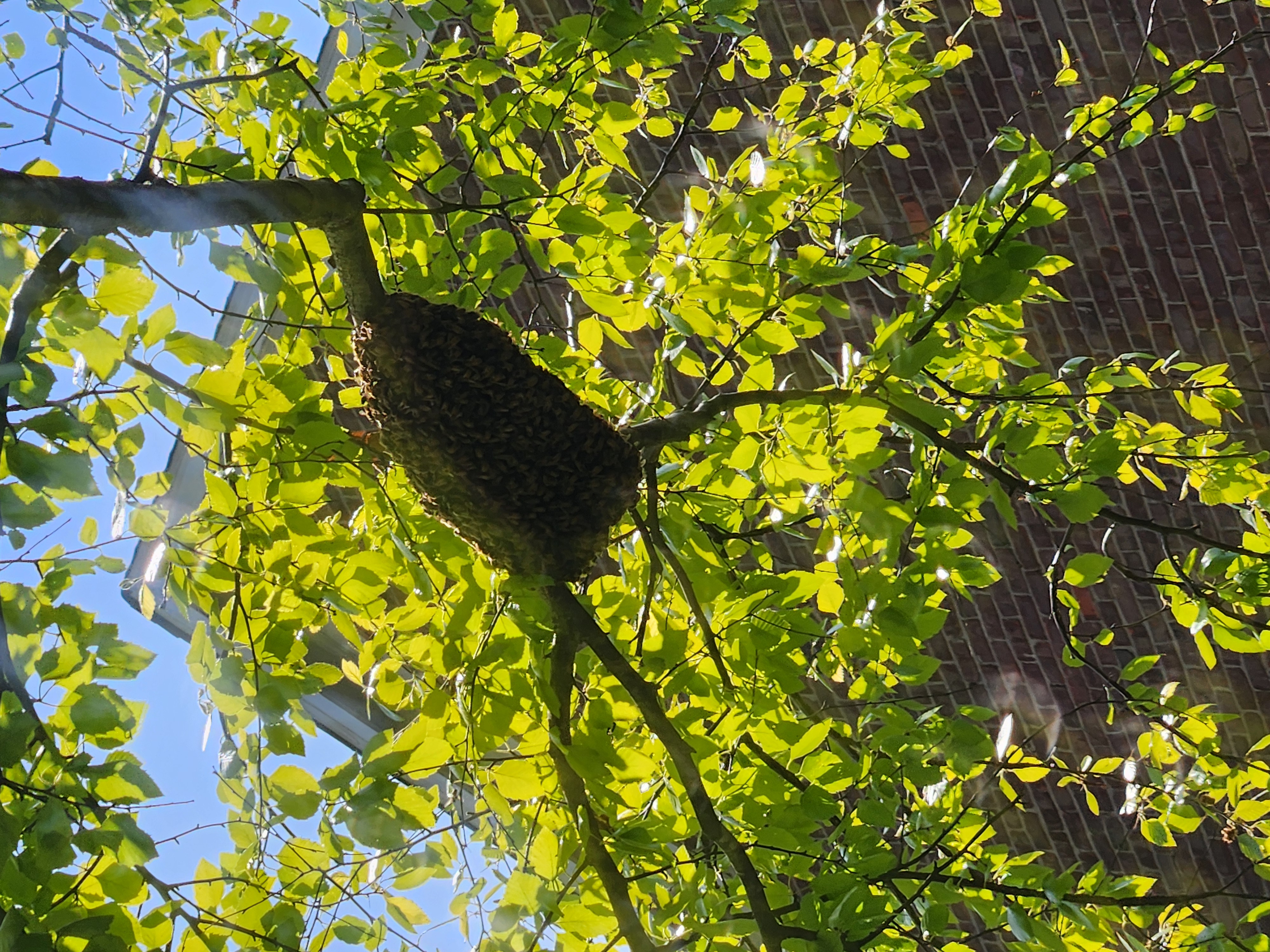
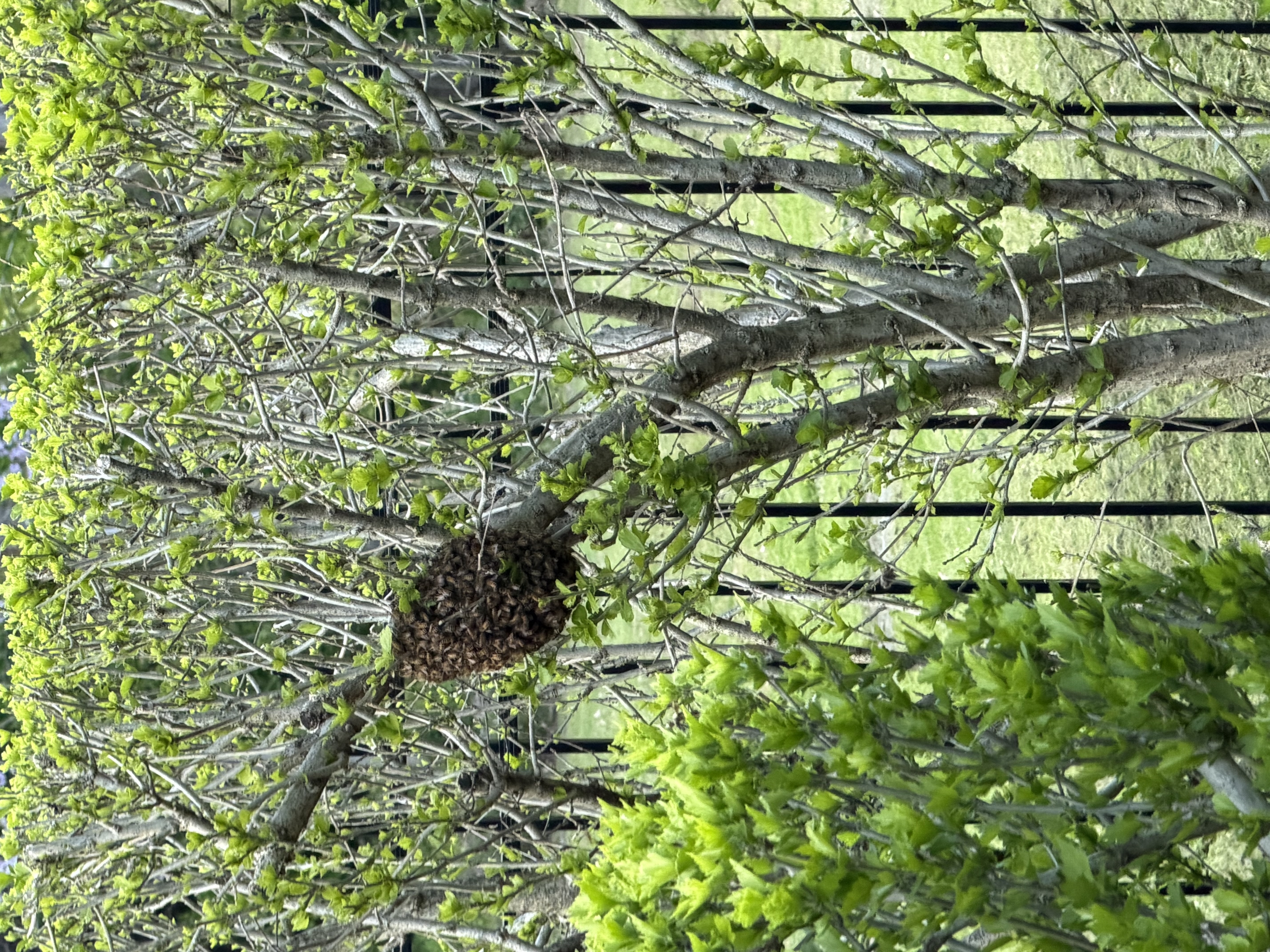
- Appearance: A swarm is a temporary, transient cluster of bees. It often looks like a beard-shaped clump hanging from a tree branch, fence post, or the side of a building. The bees are exposed and not inside a structure.
- Behavior: The bees in a swarm are typically docile. They have filled up on honey before leaving their old hive and do not have baby bees (brood) or honey stores to defend. Their primary focus is on finding a new permanent home.
- Removal: This process is called a 'swarm rescue' or 'collection.' A beekeeper can usually gather the bees into a box with minimal equipment and time. Swarm collection is almost always a free service. Beekeepers are happy to give these bees a new home in their own apiary.
Established Colony (or Hive)
- Appearance: An established colony is one that has already moved into a permanent home. You will see bees flying in and out of a specific opening—in a wall, roof, attic, shed, or hollow tree. They have started building wax comb inside the structure.
- Behavior: These bees will be defensive. They have a home, brood, and resources to protect, making them more likely to sting if they feel threatened.
- Removal: This is a specialized job called a 'cutout.' It is a form of structural removal that requires skills in carpentry and construction, not just beekeeping. The beekeeper must carefully open the structure, remove the bees and all the comb, and then ideally perform repairs. A cutout is a paid service.
Understanding the Costs: Free Rescue vs. Quoted Removal
When a beekeeper responds to your report for after reporting bees in Omaha, their first step will be to assess the situation. If it's a true swarm hanging from a branch, the rescue will be free. You have provided them with a valuable new colony, and they are providing a community service.
If the bees have moved into your walls, the beekeeper will explain that a cutout is required. They will assess the complexity of the job—how high up it is, what materials need to be cut, and the time it will take—and provide you with a fair quote for the removal. You are free to accept or decline this quote. This is a professional service, similar to hiring any other skilled tradesperson for a home repair.
Using the Swarmed platform to report bees is always free. To help us continue connecting communities with beekeepers, we do ask for an optional suggested contribution of $12 to support our work.
Why Your Report Matters for Nebraska
Every swarm reported and rescued contributes to a larger, positive impact. Honey bees are vital for pollinating many of the crops that are central to Nebraska’s agriculture. By ensuring swarms are rescued by beekeepers, you prevent them from being exterminated or moving into locations where they might not survive.
Your report also directly supports local Nebraskan beekeepers. Acquiring new bees can be expensive, and swarm rescue allows them to expand their apiaries sustainably. A healthy beekeeping community means a healthier environment for everyone.
Our network tracks bee activity across the country. For example, in a state like Nevada, we’ve already logged over 100 swarm reports this season, a testament to how active community reporting can be. Every report filed in Lincoln or Bellevue adds to our understanding of local bee populations and helps us protect them more effectively.
If you see a honey bee swarm, you know exactly what to do. Reporting it is a simple, powerful act of community stewardship. You are helping save the bees, supporting a local beekeeper, and protecting your property—all with one simple action.
If you see a honey bee swarm, please report it to connect with a local beekeeper for safe removal. Visit our reporting page at https://beeswarmed.org/report-bee-colony (opens in a new tab) and help us protect these vital pollinators.