Reporting a honey bee swarm is a significant and positive step for your community and for the bees themselves. Across Missouri, from the busy streets of St. Louis and Kansas City to the heart of Springfield, residents who take a moment to report a swarm are contributing to the health of local ecosystems. This guide outlines the process that unfolds after you submit a report through Swarmed, ensuring you know exactly what to expect.
Your Report Triggers an Instant Alert
Once you submit the location and details of the honey bee swarm, the Swarmed platform immediately gets to work. Your report is not sent to a general inbox to wait for a response; it is processed instantly and transformed into an alert that is broadcast to a network of registered, local beekeepers in your specific area of Missouri.
You will receive a confirmation email acknowledging that your report has been received and is being distributed. This system is designed for speed and efficiency, as a honey bee swarm is transient and will typically move on to a permanent location within 24 to 72 hours. The goal is to connect a beekeeper with the bees before they decide to settle in a less-than-ideal location, like inside a wall or attic.
The volume of these alerts can be substantial. During peak swarm season in late spring, the Swarmed network can generate over 102 alerts in a single active region, mobilizing beekeepers to rescue thousands of bees.
A Local Beekeeper Will Respond
When a Missouri beekeeper on the Swarmed network accepts your swarm alert, they officially 'claim' it. At that moment, you will receive a second email notification containing the responding beekeeper’s name and phone number. This confirms that help is on the way.
Typically, the beekeeper will contact you directly via phone call or text message. They will likely ask a few clarifying questions:
- Can you confirm the exact location of the bees (e.g., on a specific tree branch, a fence post)?
- How high off the ground is the swarm?
- Has the swarm been disturbed in any way?
This information helps them prepare with the right equipment, such as a ladder or a specialized bee vacuum, to ensure a safe and successful rescue. The beekeepers on our network are passionate individuals dedicated to preserving honey bees, and your report allows them to add a new, healthy colony to their apiary.
The Critical Difference: Swarm Rescue vs. Established Colony Removal
One of the most important things for the public to understand is the difference between a swarm and an established colony, as this directly impacts the cost and complexity of the removal.
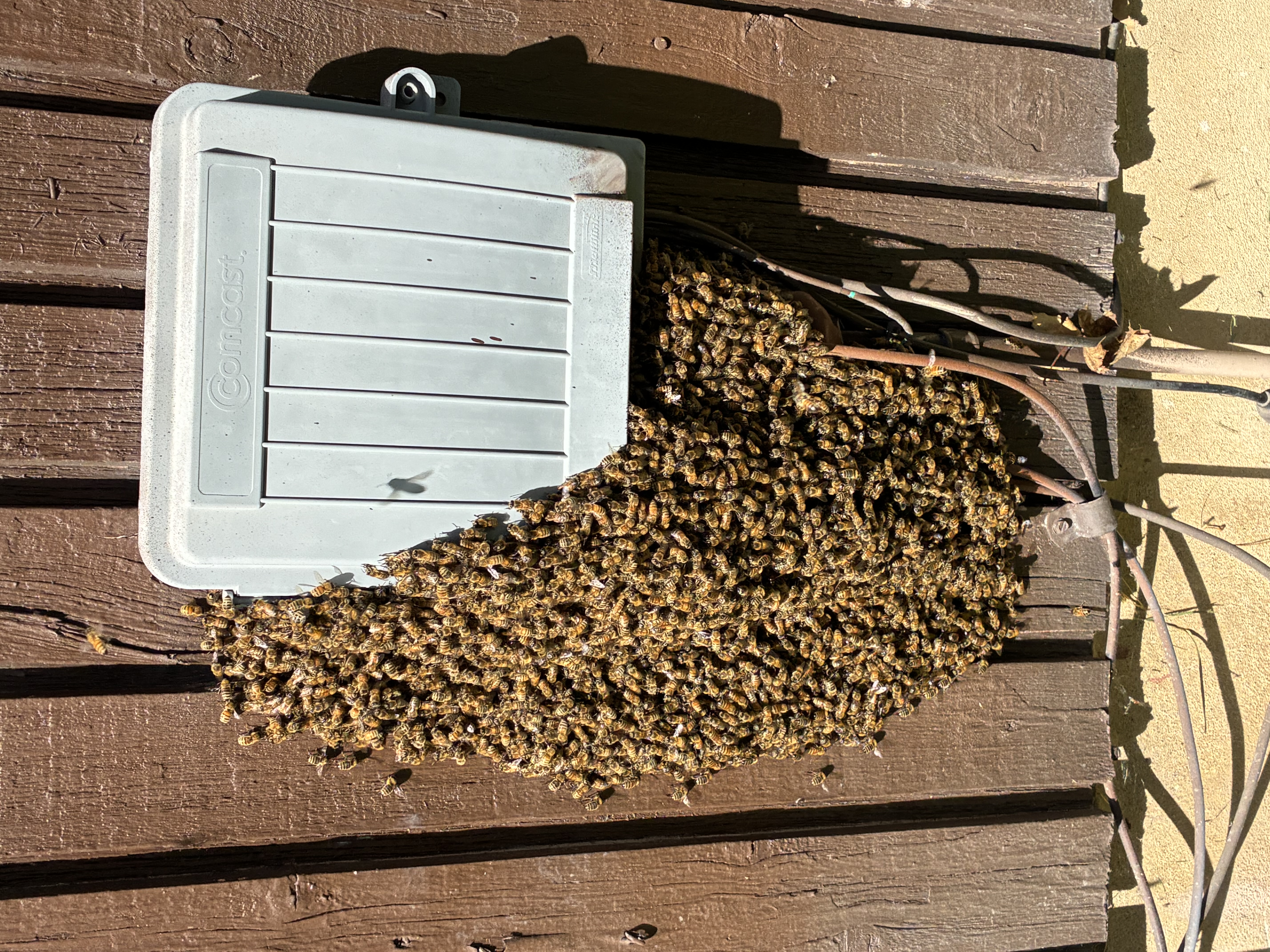
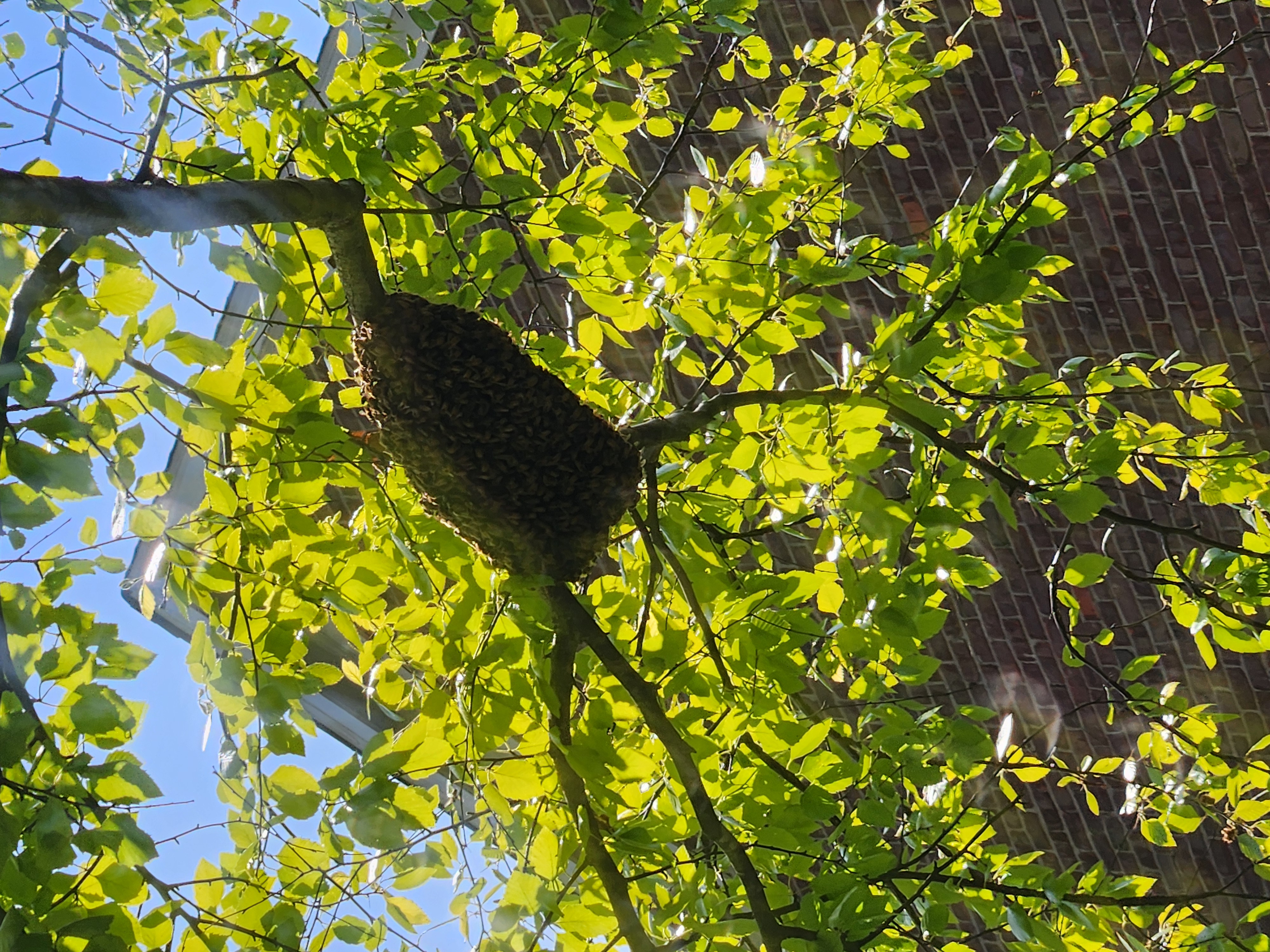
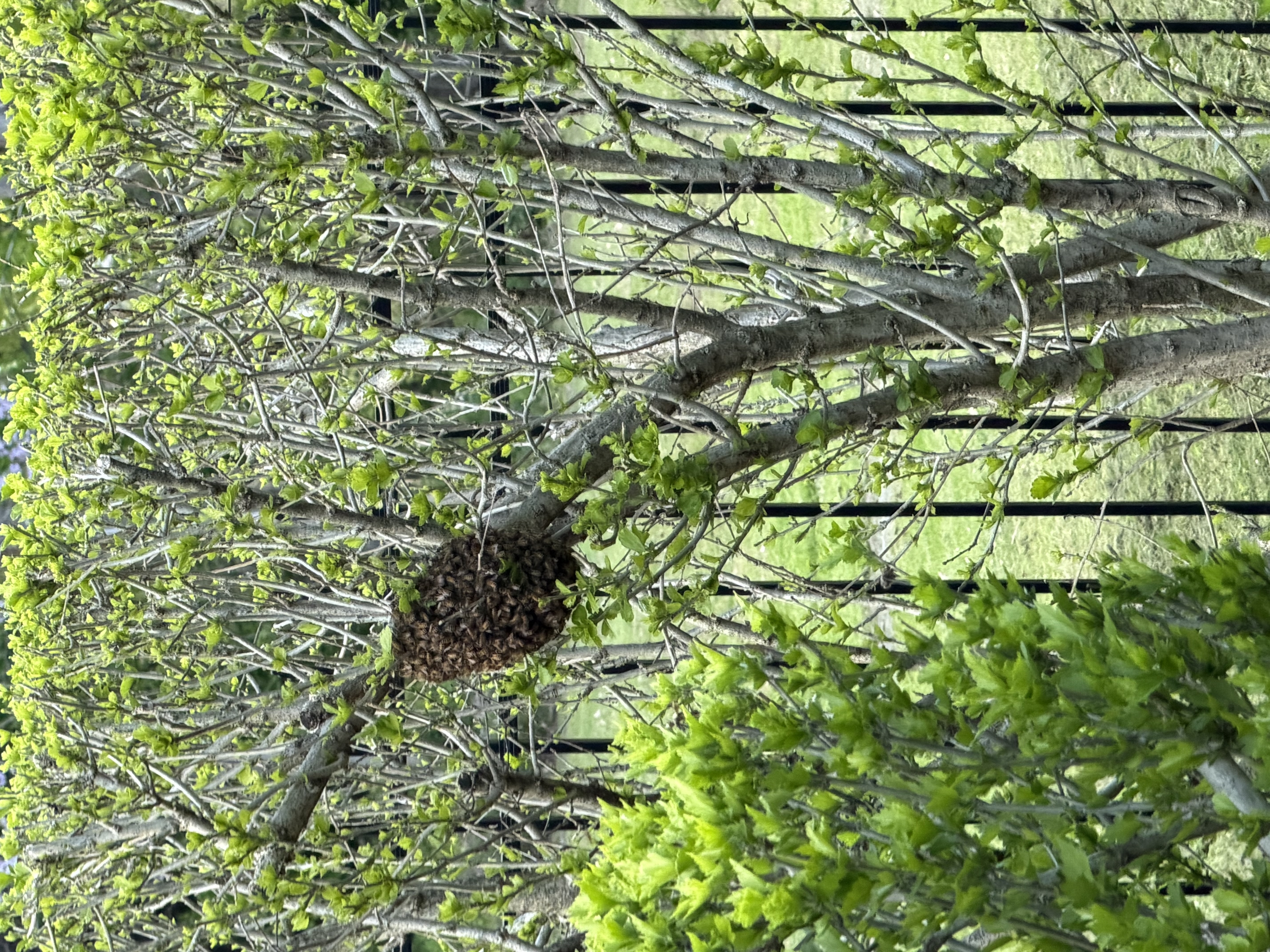
- A Honey Bee Swarm: This is a temporary cluster of bees—often in the shape of a football or basketball—hanging from a branch, fence, or other object. The bees have left their old hive and are resting while scout bees search for a new permanent home. In this state, the bees are remarkably docile because they are engorged with honey for the journey and have no home, brood, or food stores to defend. Rescuing a swarm is a service that beekeepers are happy to provide and is almost always free.
- An Established Colony: If the bees have already moved into a structure—such as the wall of a house, a chimney, a shed, or a hollow tree—they are no longer a swarm. They have begun building wax comb, raising young (brood), and storing honey. This is their home. Bees in an established colony will be defensive. Removing them is a complex job known as a "cutout," which often requires carpentry skills to open the structure, carefully remove the comb and bees, and then perform repairs. A cutout is a paid service, and the beekeeper will provide a quote based on the difficulty of the job.
A Note on Bee Behavior in Missouri
While swarm rescue is traditionally a free service, beekeepers in certain areas of Missouri sometimes encounter colonies with more defensive genetics. If a beekeeper arrives and determines that the swarm is unusually aggressive or located in a particularly hazardous position, their safety protocols may require a more cautious approach.
In these rare situations, a beekeeper might provide a quote for their service even for a swarm, reflecting the increased risk and specialized handling required. This is a matter of professional discretion and is entirely different from the cost of a structural cutout. You are always free to accept or decline any quote provided. The Swarmed platform facilitates the connection, but the final agreement is between you and the beekeeper.
Your Report Makes a Real Difference
By taking the time to report a swarm, you are doing more than just solving a problem in your yard. You are an active participant in honey bee conservation. Your action directly supports local beekeepers by helping them grow their apiaries with local bee stock that is adapted to Missouri's climate. Furthermore, you ensure the bees are safely relocated where they can thrive and continue their essential work of pollination, which is vital for our state's agriculture and natural beauty.
Your simple act of reporting initiates a chain of events that protects honey bees, supports local experts, and contributes to a healthier environment for everyone in Missouri. Thank you for being a crucial part of this community effort.
If you see a honey bee swarm, the best thing you can do is keep a safe distance and let a professional handle it. Encourage your friends, family, and neighbors to do the same. If you need to report a swarm, please provide the details to connect with a local expert. To help save a honey bee colony in your community, Report a Swarm (opens in a new tab) and connect with a Missouri beekeeper today.