You've Reported a Honey Bee Swarm—Thank You!
Seeing a large cluster of thousands of honey bees on a tree branch or fence post in your yard can be an impressive, and sometimes startling, sight. If you've just used Swarmed to report a colony in Boston, Worcester, Springfield, or anywhere across Massachusetts, you’ve taken a crucial step in protecting these vital pollinators and supporting your local community. This guide will walk you through what happens now, what to expect from the beekeeper, and why your report is so important.
What Happens Immediately After You Report a Swarm
Once you submit your report through the Swarmed network, our system instantly sends an alert to registered beekeepers in your immediate vicinity. These are local hobbyists and professionals who are prepared and eager to give these bees a new, safe home. Here’s the typical sequence of events:
- Instant Alert: Beekeepers near you receive a notification with the location and details you provided.
- A Beekeeper Responds: An available beekeeper will “claim” your swarm report through the system. This indicates they are on their way.
- You Get Notified: As soon as a beekeeper claims your report, you will receive an automated email confirmation. This message lets you know that help is on the way and often includes the beekeeper's contact information in case you need to communicate with them directly.
During the height of spring, the response is often very quick—sometimes within the hour. Beekeepers understand that swarms are transient and will likely move on within a day or two, so they act promptly.
The Beekeeper's Arrival: Understanding the Process
When the beekeeper arrives, their first step will be to assess the situation. They need to confirm two key things: that they are dealing with honey bees (and not wasps or hornets) and whether it is a swarm or an established colony.
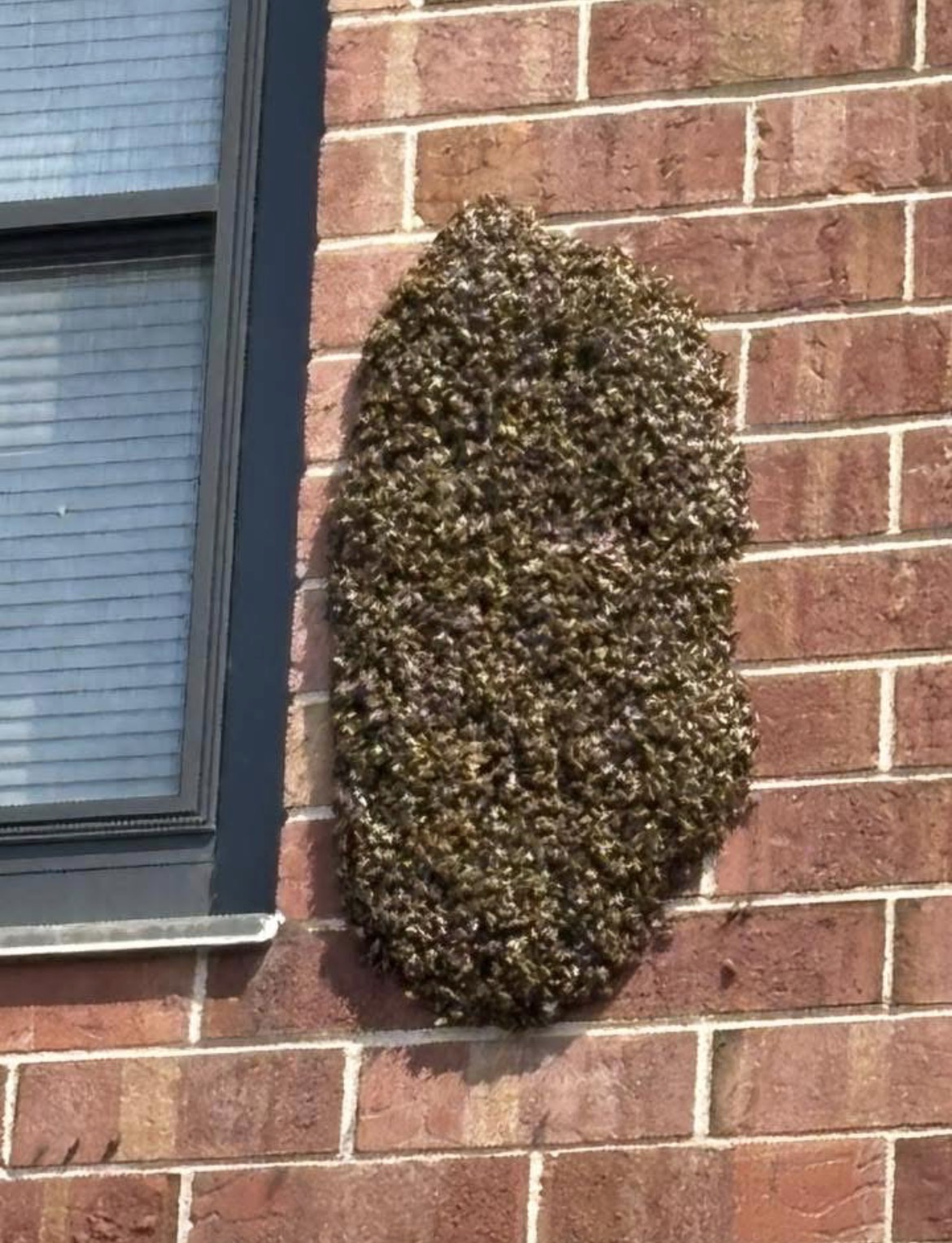
A true swarm is a temporary cluster of bees resting while scout bees search for a permanent home. These bees are typically quite docile. Before leaving their old hive, they filled their stomachs with honey, making them less inclined to sting. They also have no home, brood, or food stores to defend.
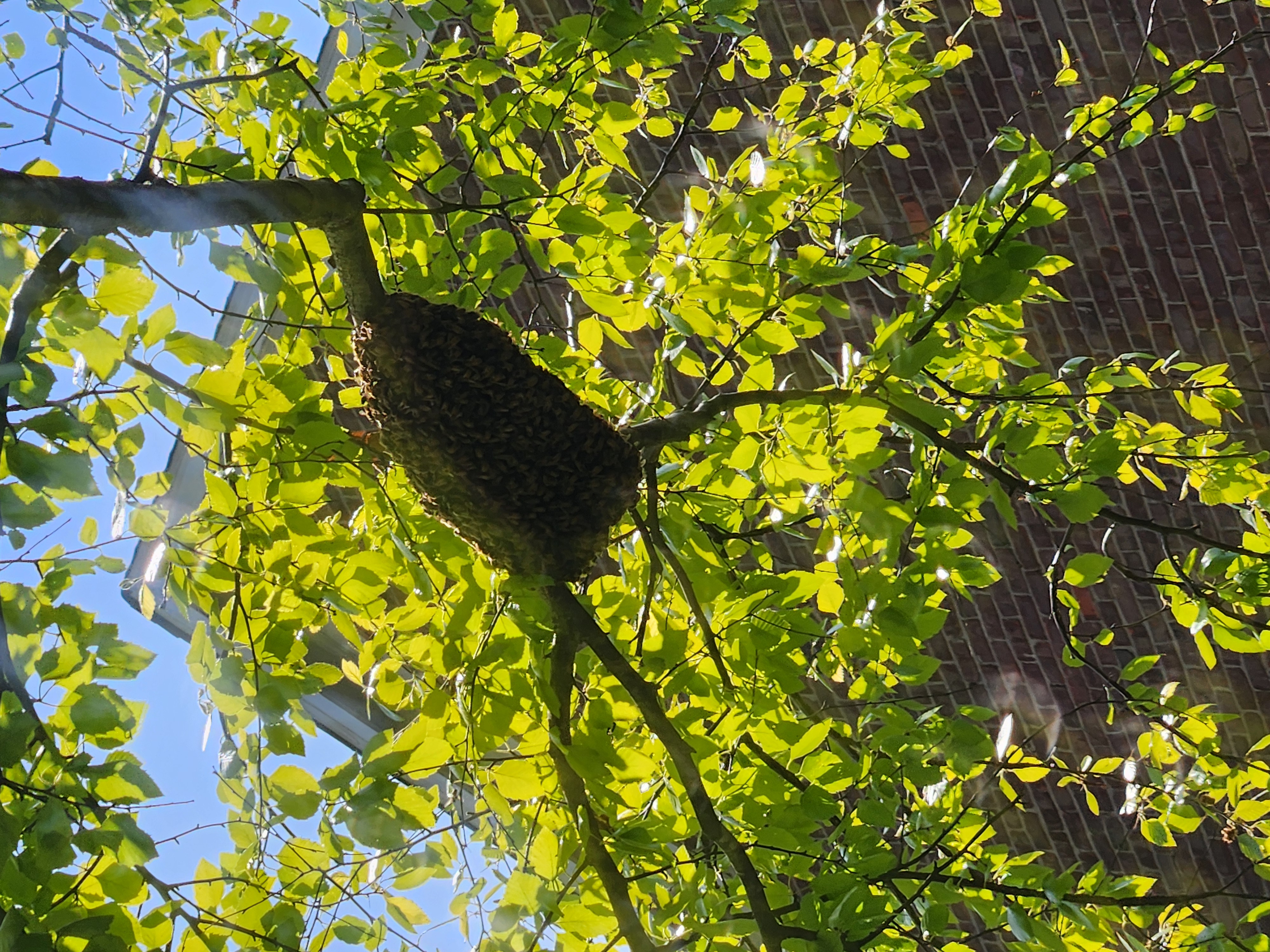
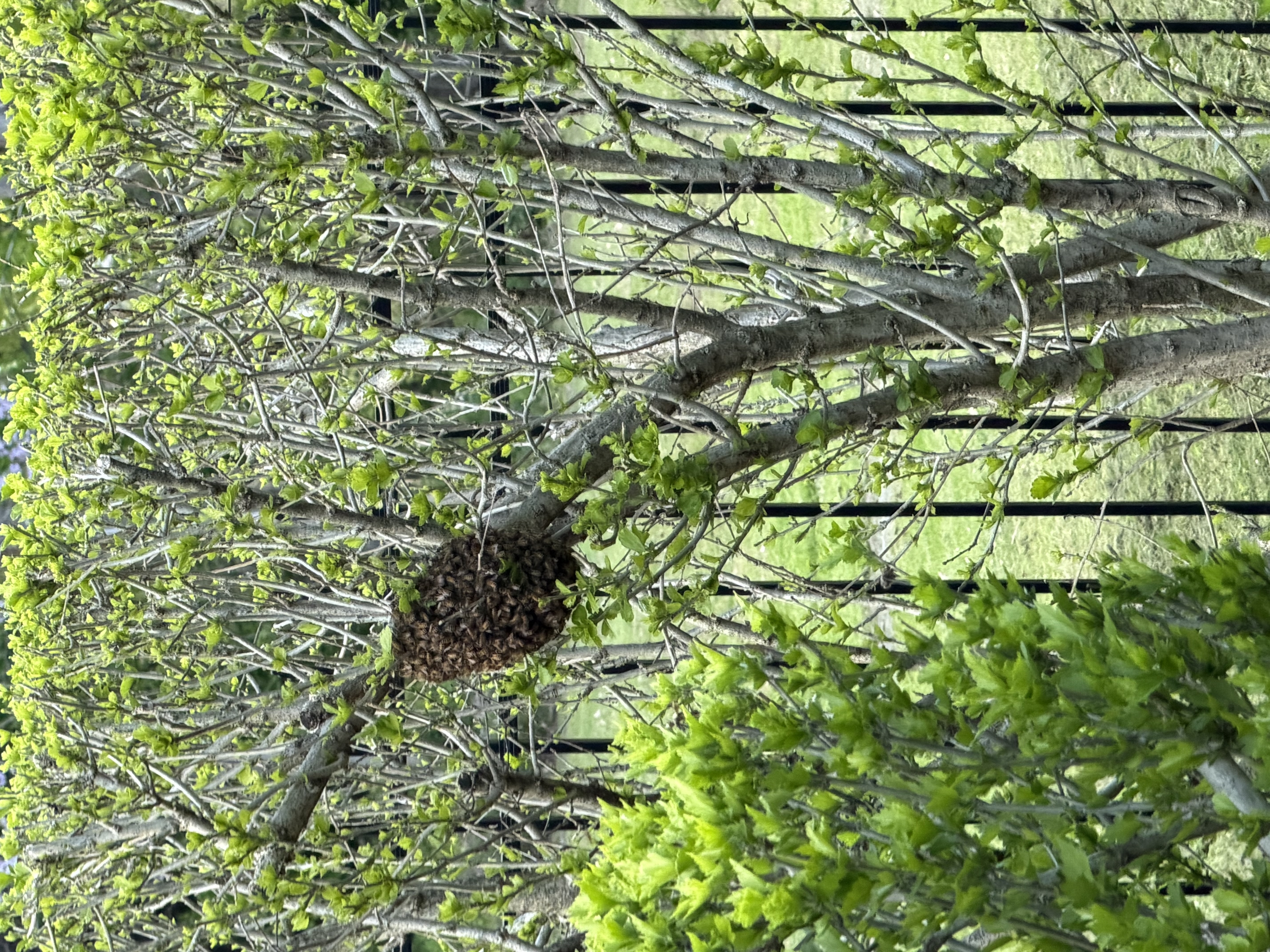
The rescue process for a swarm is usually straightforward. The beekeeper may place a box or a special hive body directly under the cluster and give the branch a firm shake. Most of the bees, along with their queen, will fall directly into their new home. Any remaining bees will follow the queen's scent into the box. The beekeeper will then leave the box for a short period to allow all the bees to gather before sealing it and taking them to their new apiary.
Swarm vs. Established Colony: A Critical Distinction
One of the most important things for the public to understand is the difference between a swarm rescue and an established colony removal. This distinction determines whether the service is free or requires a fee.
The Swarm: A Free and Simple Rescue
A swarm is a large group of bees clustered together out in the open—on a branch, a mailbox, or under a deck railing. They have not yet built a home.
- Status: Temporary (24-72 hours).
- Behavior: Docile and focused on finding a new home.
- Structure: No wax comb has been built.
- Cost:Swarm rescue is almost always free. Beekeepers are happy to give these bees a home. They represent a healthy, new colony for their apiary, and rescuing them is a relatively simple task.
The Established Hive: A Complex, Paid Removal (Cutout)
If bees have moved into a structure—such as the wall of a house, a chimney, a shed, or a hollow tree—they are no longer a swarm. They are an established colony.
- Status: Permanent residence.
- Behavior: Defensive, as they are protecting their queen, brood (young bees), and honey stores.
- Structure: They have built intricate wax comb inside the structure.
- Cost:Removal of an established colony costs money. This service is called a “cutout” and is a form of specialized structural work. It requires carpentry skills, specialized equipment, and significant time to carefully open the structure, remove all the bees and comb, and often perform repairs. The beekeeper will provide you with a fair quote based on the complexity, location, and time required. You can then choose to accept or decline the service.
Why Your Report Matters to Massachusetts
Your decision to report a swarm does more than just solve a potential problem in your backyard. It has a positive ripple effect throughout the local ecosystem and community.
Honey bees are essential for Massachusetts agriculture, pollinating everything from apples and blueberries to cranberries and pumpkins. By ensuring swarms are rescued by beekeepers, you help maintain a healthy population of local pollinators. Your single report contributes to a massive community effort. In some states, our network has helped rescue over 100 swarms in a single season, a testament to what's possible when residents and beekeepers work together.
While You Wait for the Beekeeper
Your safety and the safety of the bees are paramount. While you wait for the beekeeper to arrive, please follow these simple guidelines:
- Keep a safe distance. Observe the bees from afar, but do not disturb the cluster.
- Do not spray the bees. Never spray a swarm with pesticides or even water. This will not make them leave and may provoke a defensive reaction.
- Secure the area. Keep children and pets indoors or far away from the swarm until the beekeeper has safely removed the bees.
- Take a photo (optional). If you can do so from a safe distance, a picture can help the beekeeper quickly confirm that they are honey bees and assess the size of the swarm.
By reporting a honey bee swarm, you become an active participant in the preservation of these incredible creatures. You connect a vulnerable colony with a local beekeeper who can provide a safe, managed home where they will thrive and continue their essential work of pollination. If you see a swarm, don't hesitate. Help the bees and your community by making a report.
Report a honey bee swarm or colony on the Swarmed network. (opens in a new tab)