Your Guide After Reporting a Honey Bee Swarm in Maine
Seeing a large cluster of thousands of honey bees on a tree branch or fence post can be an awe-inspiring, if not slightly intimidating, sight. If you've taken the important step to report it, you've already become a crucial ally for honey bees and local beekeepers. This guide explains what happens after you submit a report in Maine, clarifying the process for residents in Portland, Augusta, Bangor, and across the state.
Understanding the next steps ensures a smooth process for you, the bees, and the beekeeper who comes to help.
Step 1: Your Report Activates the Local Beekeeper Network
Once you submit a report through a platform like Swarmed, your information is not sent into a void. It is instantly broadcast to a network of registered, local beekeepers in your specific area. These beekeepers receive an alert containing the details you provided: the location, a description of the bees, and how accessible they are. This system is a powerful community tool, connecting concerned residents directly with the experts who can help.
This rapid communication is key, as honey bee swarms are typically transient, often moving on within 24 to 72 hours. A quick report leads to a quick response.
Step 2: A Beekeeper Assesses the Situation
Before a beekeeper heads to your location, they need to understand exactly what they are dealing with. This is the most critical part of the process, as it determines whether the service will be free or require a fee. The key distinction is whether you have a "swarm" or an "established colony."
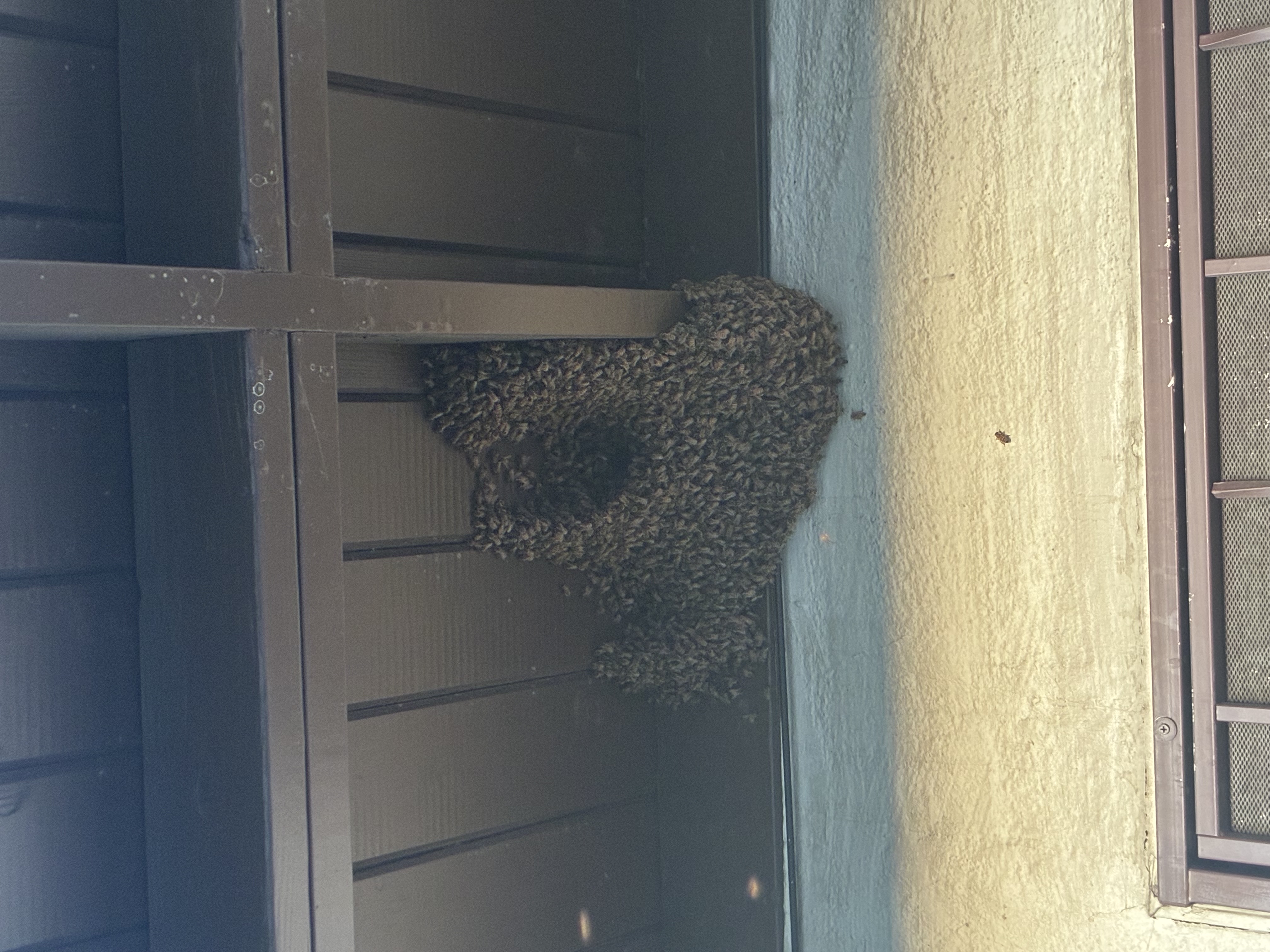
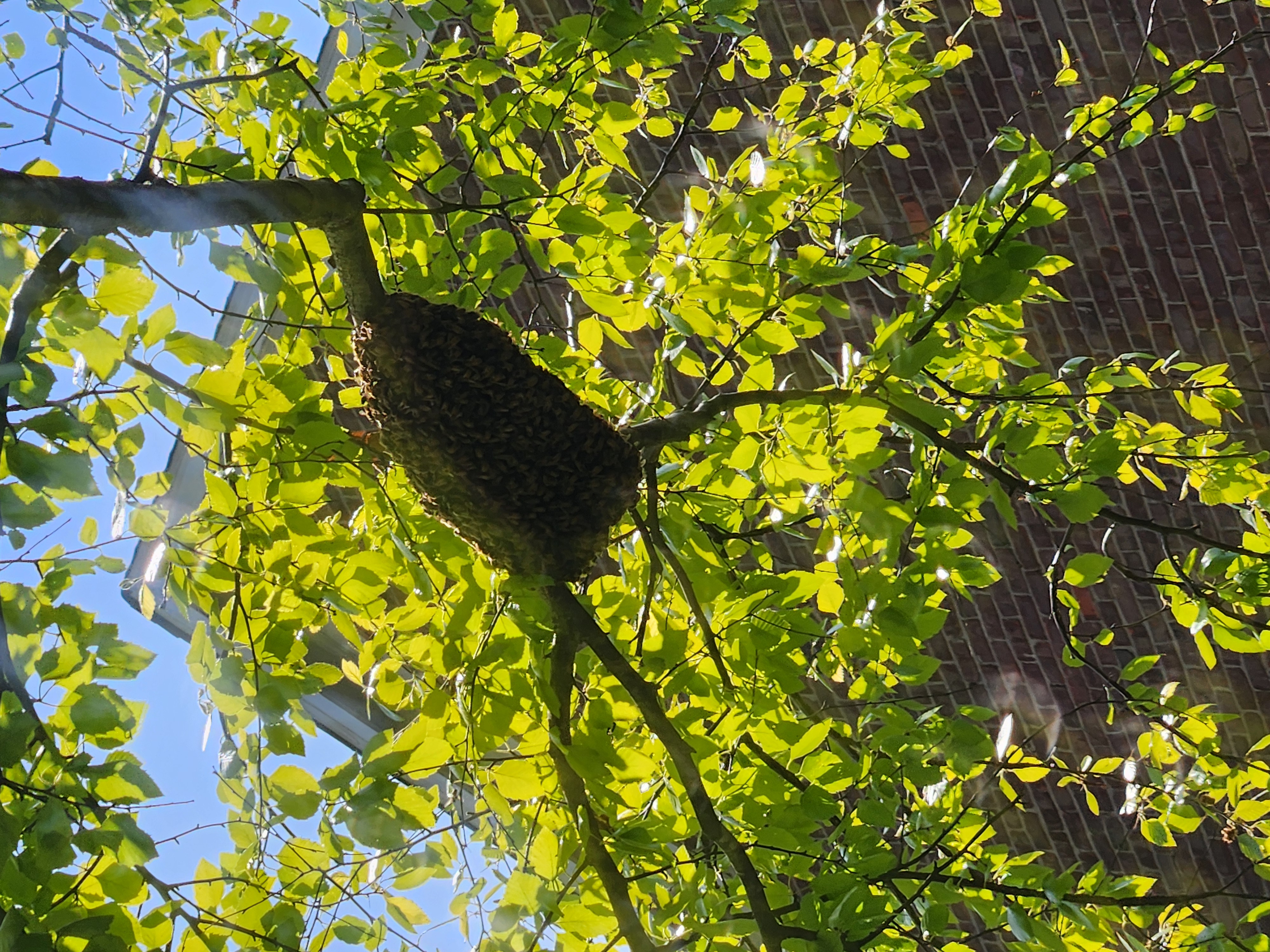
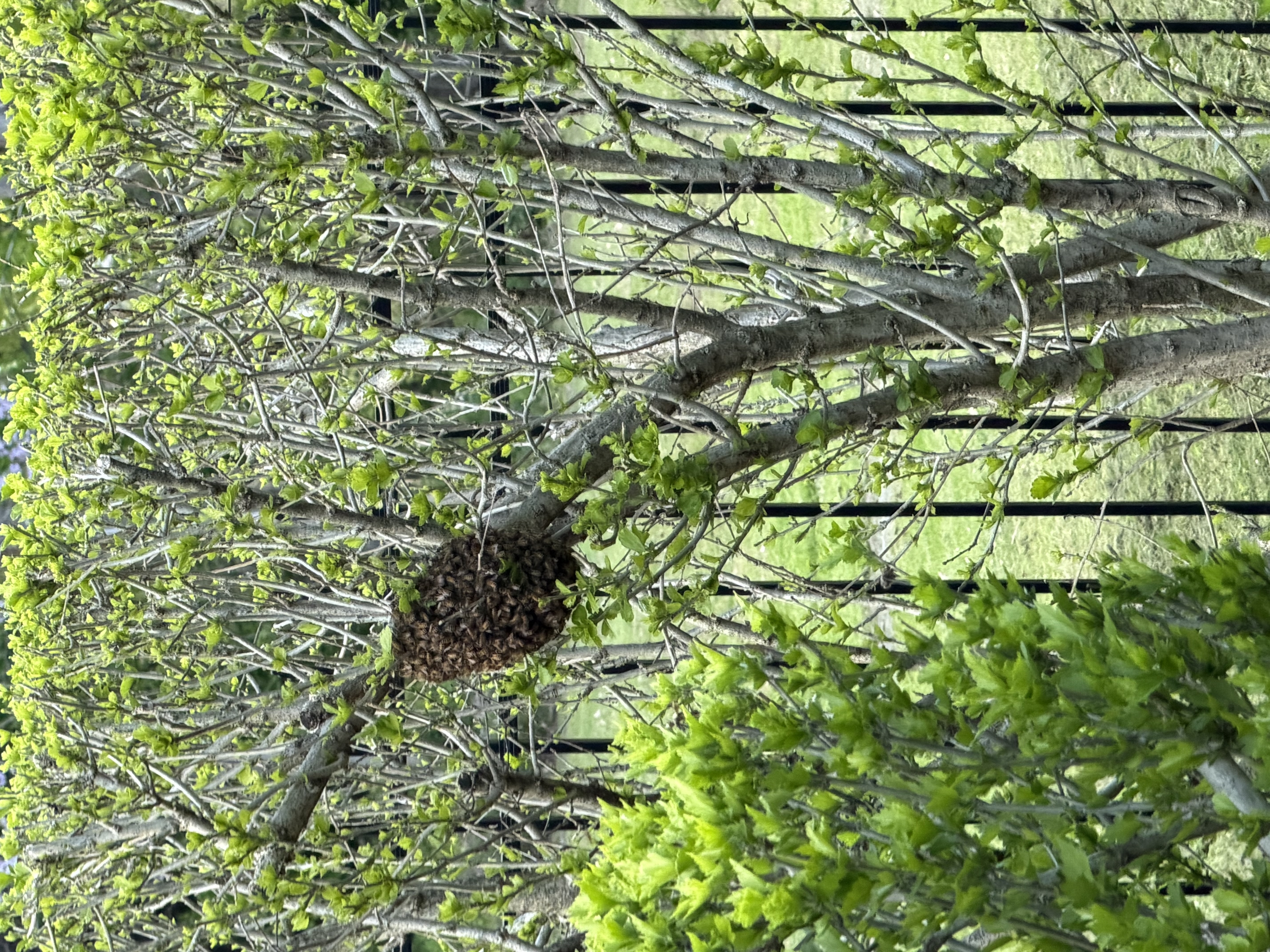
#### What is a Honey Bee Swarm? A swarm is a temporary, visible cluster of bees—often shaped like a football or a beard—hanging from an object. This is a natural part of the honey bee life cycle. The colony has split, and the old queen has left with about half the bees to find a new home.
- They are temporary: The swarm is just resting while scout bees search for a suitable permanent cavity.
- They are docile: Before swarming, the bees filled up on honey. They have no home, no baby bees (brood), and no honey stores to defend, making them remarkably gentle.
- Rescue is almost always FREE: Beekeepers are eager to provide a new home for these bees. A swarm is a healthy, natural start for a new hive, and rescuing one is a straightforward process.
#### What is an Established Colony? An established colony is different. This occurs when bees have already found their permanent home and have moved inside a structure, such as the wall of a house, a chimney, a shed, or a hollow tree.
- They are permanent: The bees have built wax comb, the queen is laying eggs, and they are storing honey.
- They are defensive: Unlike a docile swarm, these bees will defend their home, brood, and food resources.
- Removal is a paid service called a "cutout": Rescuing an established colony is complex, labor-intensive work. It often involves carpentry or construction skills to carefully open the structure, remove all the bees and comb without damaging your property, and then seal the area to prevent future infestations. This specialized service is known as a cutout, and it always requires a fee.
Step 3: Contact and Action
After a beekeeper claims your alert, they will typically contact you directly. Be prepared to answer a few questions or even send a photo if possible. This helps them confirm whether it's a swarm or an established colony.
- If it's a swarm: The beekeeper will arrange a convenient time to come to the location. The rescue process is usually quiet and quick. The beekeeper will place a box beneath the cluster and gently brush or shake the bees inside. Once the queen is in the box, the remaining bees will march inside to join her. Within a short time, the entire swarm will be safely contained and ready for transport to a new apiary.
- If it's an established colony: The beekeeper will discuss the situation with you. They will need to perform an on-site inspection to assess the difficulty of the job, the time it will take, and what repairs might be needed. Based on this assessment, they will provide a fair quote for the cutout service. You have the right to accept or decline this quote. This is a professional transaction for a specialized construction and removal service.
Why Your Report is So Important for Maine
When you ask, "what happens after reporting bees in Portland?" the answer is that you set in motion a chain of events that benefits the entire community.
- You Protect Honey Bees: A reported swarm is a rescued swarm. Without intervention, these bees might establish a colony in an undesirable location, leading to their extermination. Your report gives them a chance to thrive in a managed hive.
- You Support Local Beekeepers: Swarms are a sustainable and healthy way for Maine's beekeepers to strengthen their apiaries, support pollination for local agriculture, and produce local honey. A swarm is a valuable addition to their apiary.
- You Build a Stronger Community: This community-based model is incredibly effective. In other regions, the Swarmed network has helped local beekeepers rescue over 102 swarms in a single season thanks to reports from observant residents.
By taking a moment to report what you see, you contribute directly to the health of our local ecosystem.
If you see a cluster of honey bees, don't hesitate. Your simple act of reporting is the first and most important step in ensuring their safety and survival. Provide as much detail as you can to help a local beekeeper give these essential pollinators a new home. Report a honey bee swarm today (opens in a new tab) and make a positive impact on Maine's environment.