
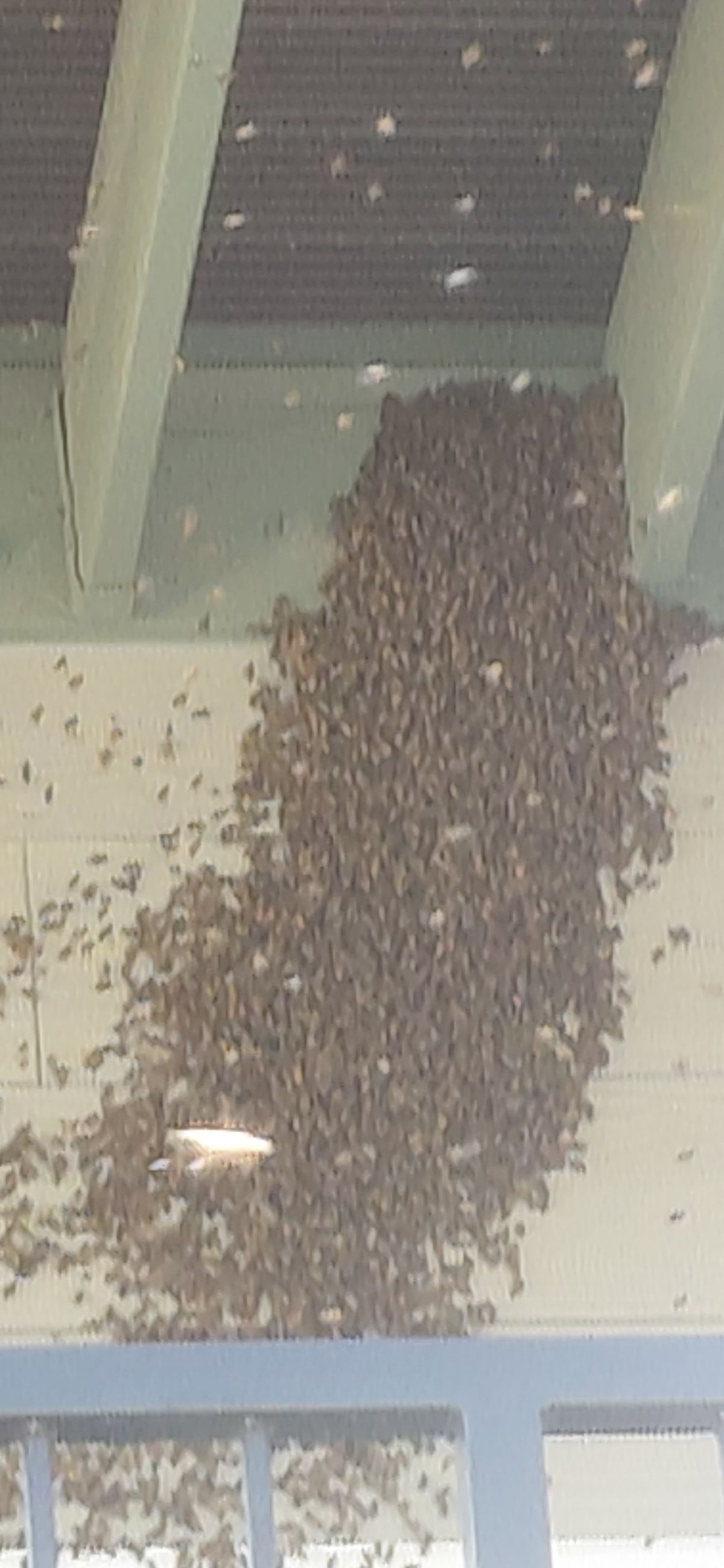
A Beekeeper's Guide to Swarm Season in California
California's Golden Opportunity: Harnessing the Spring Swarm For beekeepers across California, the arrival of spring signals more than just almond blossoms and wildflo...
Read More...May 18, 2026
Home > Blog > Reported a Bee Swarm? What Happens Next in the Magnolia State
May 12, 2026
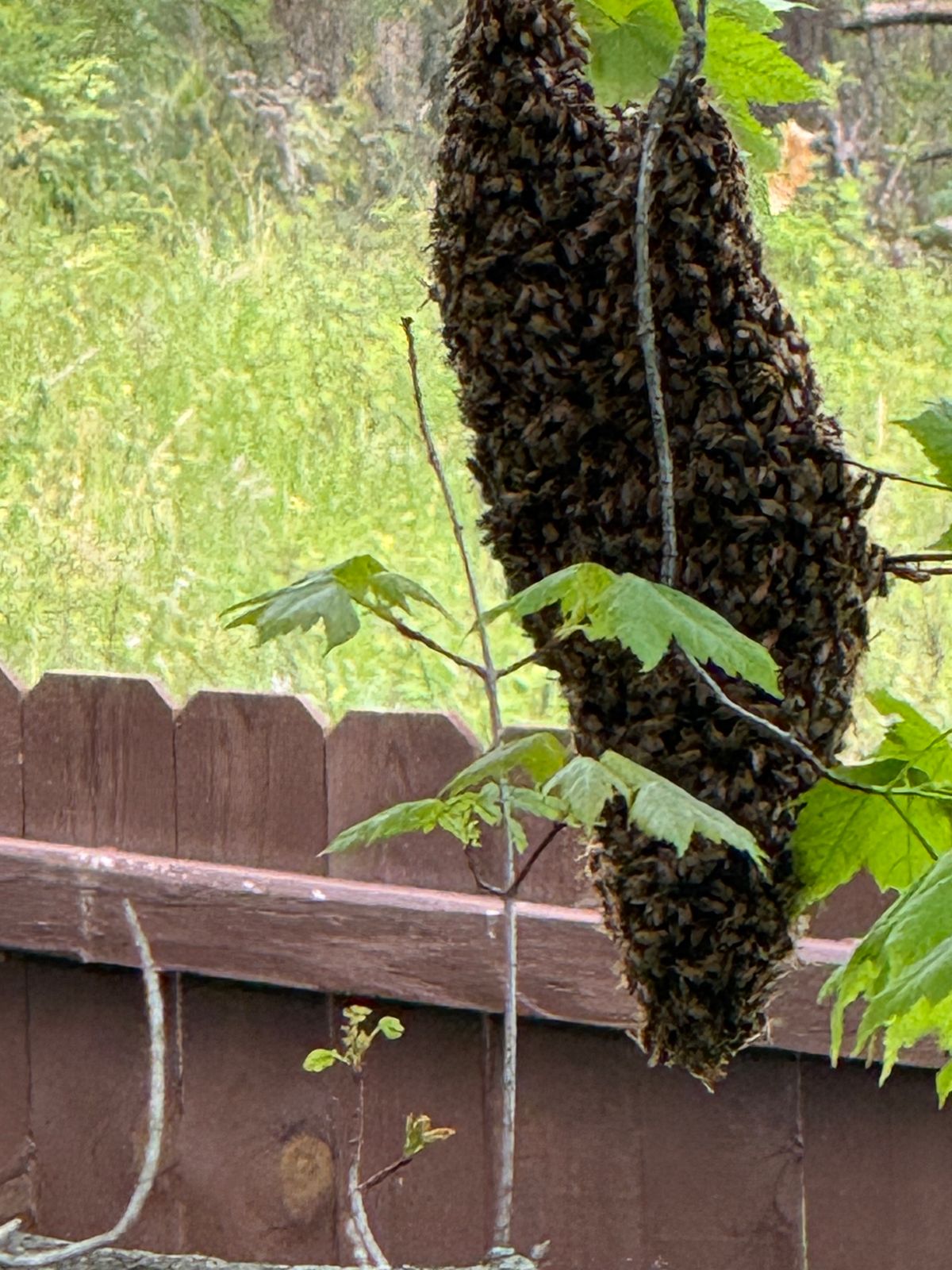
During the peak of swarm season, seeing a large cluster of thousands of honey bees on a tree branch or fence post can be an unforgettable sight. If you've encountered this in Jackson, Gulfport, or anywhere across the Magnolia State and used the Swarmed platform to report it, you’ve taken a crucial first step in protecting these vital pollinators and helping your community. But what happens after you click “submit”?
This guide walks you through the entire process, from the initial alert to the final rescue, and clarifies why some bee removals are free while others may come with a cost, a particularly relevant topic in our region.
Once you submit a report through our system, technology and community action spring to life. Here’s a step-by-step look at what unfolds behind the scenes.
This last question is the most important one, as it helps the beekeeper determine what kind of situation they are facing.
Not all bee rescue situations are the same. Understanding the difference between a swarm and an established colony is key to setting the right expectations.
A honey bee swarm is a temporary, transient cluster of bees. It consists of a queen and thousands of worker bees that have left their original hive to find a new home. They are typically docile because they have no brood (young bees) or honey stores to defend. They are simply resting while scout bees search for a permanent residence. For a beekeeper, rescuing a swarm is often a straightforward process that involves gently encouraging the bees into a special box. Because these bees are a valuable addition to an apiary, swarm rescue is almost always a free service provided by grateful beekeepers.
If a swarm has been in place for more than a few days, or if you see bees flying in and out of a hole in a wall, roof, or shed, you are likely dealing with an established colony. These bees have decided to make the structure their permanent home. They have built wax comb, started raising brood, and are storing honey. These bees will be defensive of their home.
Removing an established colony is a complex job known as a “cutout.” It is not a simple rescue. It often requires specialized equipment, carpentry skills to open the structure without causing major damage, and significant time to carefully remove all the comb and bees. Because of the labor, skill, and potential for structural repairs involved, a cutout is a paid professional service. A beekeeper will provide a quote based on the complexity of the job.
In the Magnolia State, there is a significant presence of overly defensive, or Africanized, honey bees. This genetic trait means that bees can be more aggressive and their stings more dangerous, posing a greater risk to both the public and the beekeepers who handle them.
Because of this heightened risk, beekeepers must take extra precautions. Even a seemingly simple swarm rescue might require more protective gear and careful planning. For this reason, some beekeepers in areas like Biloxi and Gulfport may provide a quote for their service to cover their time, risk, and specialized equipment. This is a fair business practice that ensures they can continue to offer their essential services to the community safely.
When a beekeeper provides a quote, you have the right to accept or decline it. The Swarmed platform connects you, but the agreement for any paid service is between you and the beekeeper.
Every swarm report contributes to a larger mission. It helps protect honey bee populations, which are essential for pollinating the crops that are a cornerstone of our state's agriculture. It also directly supports local beekeepers by providing them with the bees they need to maintain healthy and productive apiaries.
Data from other regions highlights the importance of this community effort. In Nevada, for instance, where there are only a handful of beekeepers on the network, a declining trend in swarm reports could impact the long-term health of local bee populations. By actively reporting swarms here, you ensure our local network remains robust and effective, helping bees and beekeepers thrive.
By taking a few minutes to report a swarm, you are playing an active role in preserving the delicate balance of our local ecosystem. If you see a cluster of bees, don’t hesitate. Your report is the first step in a safe and effective rescue. To help honey bees and support local beekeepers in your community, please report all bee swarms (opens in a new tab).
California's Golden Opportunity: Harnessing the Spring Swarm For beekeepers across California, the arrival of spring signals more than just almond blossoms and wildflo...
Read More...May 18, 2026
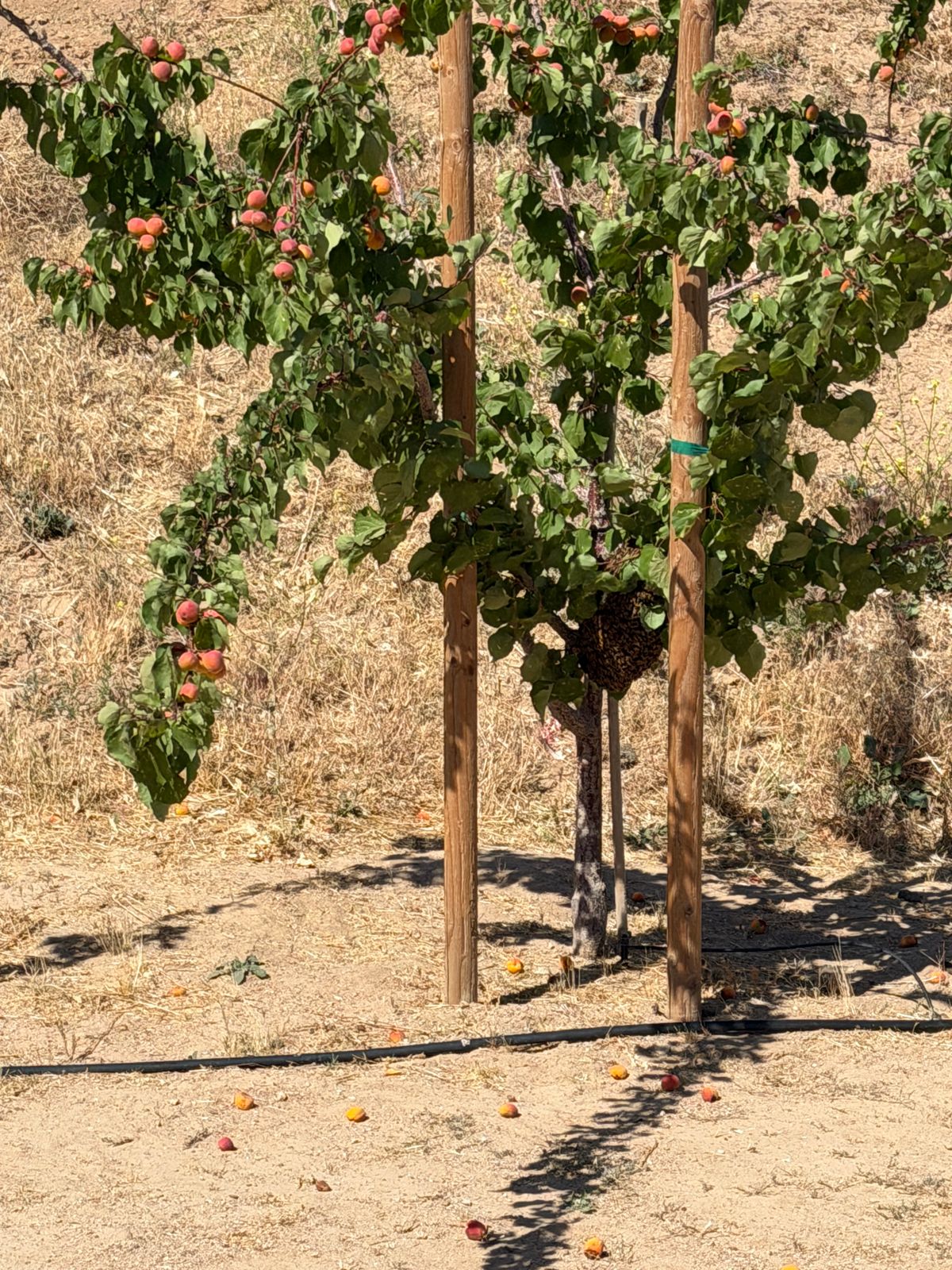
A Beekeeper's Guide to Swarm Collection in Idaho Spring has arrived in the Gem State, and with it, the unmistakable hum of honey bee swarms. For beekeepers, this is a...
Read More...May 18, 2026