
A Beekeeper's Guide to Swarm Season in California
California's Golden Opportunity: Harnessing the Spring Swarm For beekeepers across California, the arrival of spring signals more than just almond blossoms and wildflo...
Read More...May 18, 2026
Home > Blog > Reported a Bee Swarm in Louisiana? What Happens Next
May 12, 2026
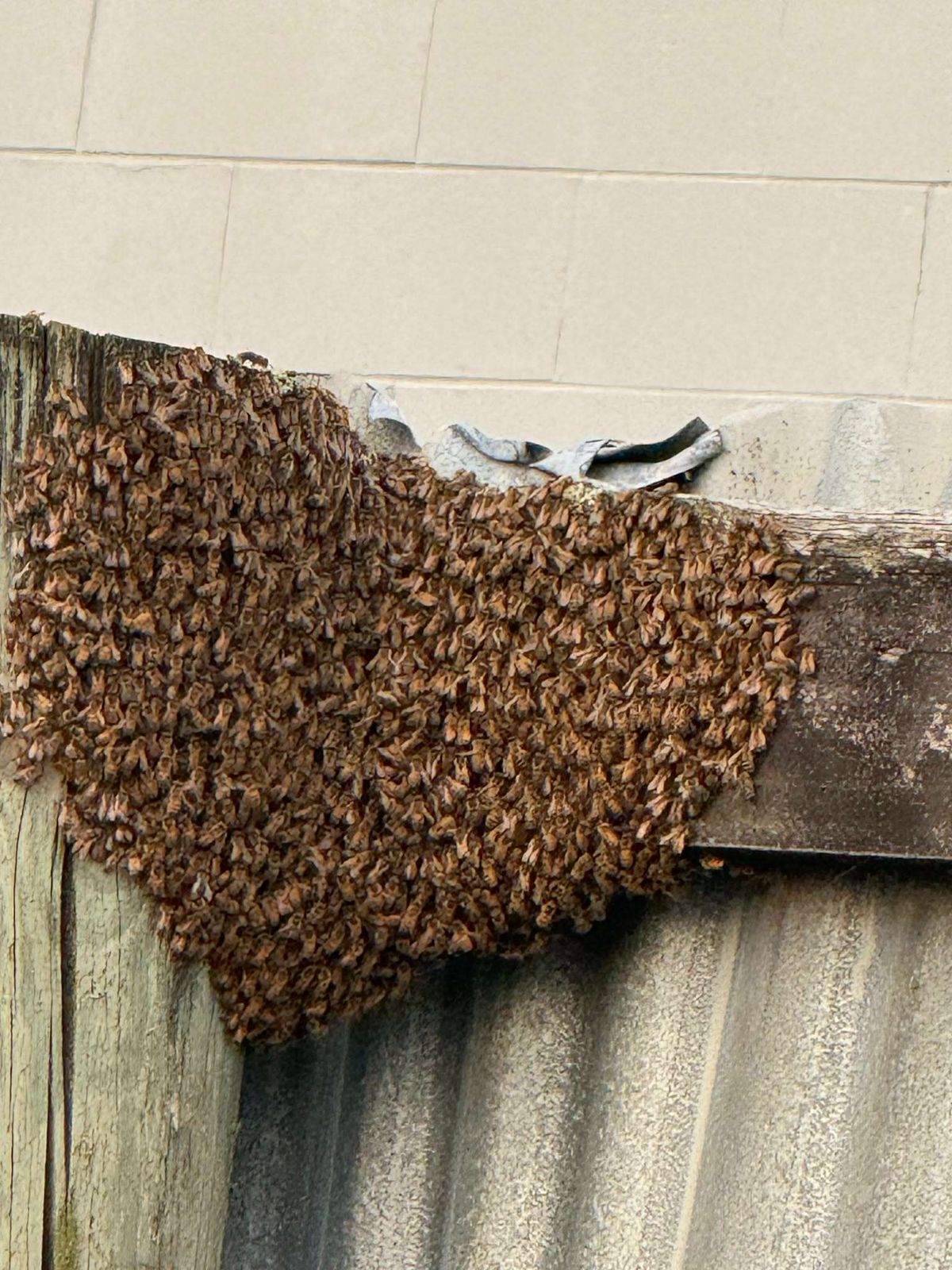
By reporting a honey bee swarm in Louisiana, you have taken a vital step toward protecting these essential pollinators and ensuring community safety. Whether you're in New Orleans, Baton Rouge, or Shreveport, your report initiates a process that connects local beekeepers with honey bees in need of a new home. This guide explains what you can expect after you submit a report through the Swarmed network.
Once you submit a swarm report using our platform, our system immediately goes to work. Here’s the process:
A responding beekeeper needs to assess the situation to determine the safest and most effective method for removal. They will likely ask you a few questions:
Your answers to these questions are critical, as they help the beekeeper distinguish between a simple swarm collection and a more complex colony removal.
In the world of beekeeping, not all bee removals are the same. Understanding the difference is especially important in Louisiana, where environmental factors and the presence of overly defensive bees can complicate removals.
A swarm is a temporary, transient cluster of bees. It consists of a queen and several thousand worker bees that have left their original hive to find a new home. They often rest on a branch or other surface for a few hours or up to three days while scout bees search for a suitable permanent location.
An established colony is one that has already moved into a permanent home and started building wax comb. This could be inside a wall, an attic, a shed, or a hollow tree. They are no longer just resting; they have begun raising young (brood) and storing resources.
Louisiana's warm climate and diverse flora make it an active state for honey bees. While a state like Nevada might see just over 102 reported swarms in a season, Louisiana's environment supports a high volume of bee activity. This includes a significant presence of overly defensive, or Africanized, honey bees.
Removing an established colony of highly defensive bees is a hazardous job that requires expertise and protective gear. A beekeeper must account for the increased risk, the specialized labor of accessing the colony within a structure, and the cost of any necessary repairs. When a beekeeper provides a quote for a cutout, they are pricing a professional service that ensures the bees are removed safely and your property is respected.
By using the Swarmed network, you are connected with local experts who can properly identify the situation and advise on the safest course of action, whether it's a free swarm collection or a quoted cutout service.
Every swarm report contributes to a larger effort to protect honey bees. These pollinators are crucial for Louisiana's agriculture and ecosystems. When you report a swarm, you prevent it from being unnecessarily exterminated and give it a chance to be relocated to a managed apiary where it can thrive.
By taking a moment to report a honey bee swarm, you are taking a crucial step in protecting these vital pollinators and supporting your local beekeeping community. If you see a swarm in New Orleans, Baton Rouge, Shreveport, or anywhere in between, please help by providing details to our network. Report a honey bee colony in Louisiana today at https://beeswarmed.org/report-bee-colony (opens in a new tab).
California's Golden Opportunity: Harnessing the Spring Swarm For beekeepers across California, the arrival of spring signals more than just almond blossoms and wildflo...
Read More...May 18, 2026
A Beekeeper's Guide to Swarm Collection in Idaho Spring has arrived in the Gem State, and with it, the unmistakable hum of honey bee swarms. For beekeepers, this is a...
Read More...May 18, 2026