
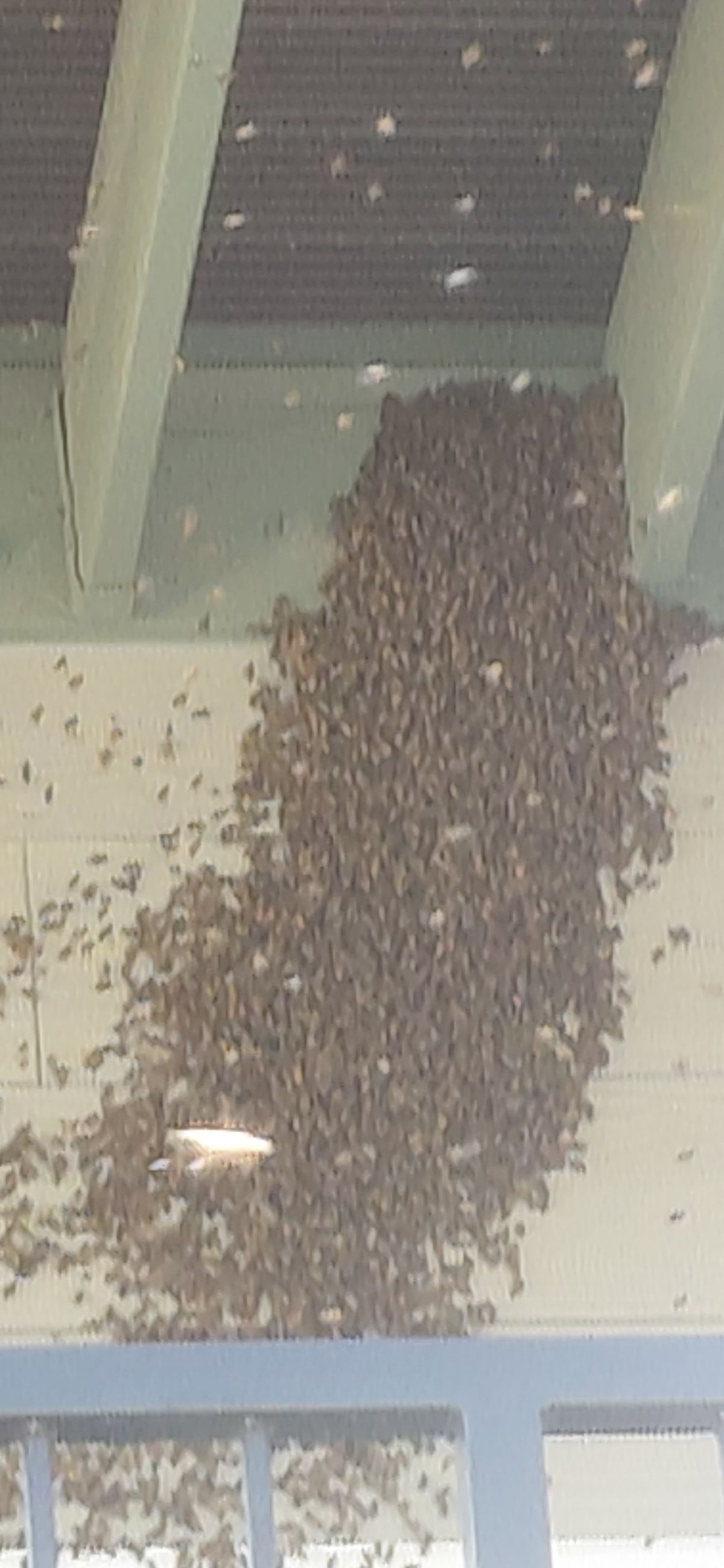
A Beekeeper's Guide to Swarm Season in California
California's Golden Opportunity: Harnessing the Spring Swarm For beekeepers across California, the arrival of spring signals more than just almond blossoms and wildflo...
Read More...May 18, 2026
Home > Blog > Reported a Bee Swarm in Kansas? Here's What Happens Next
May 12, 2026
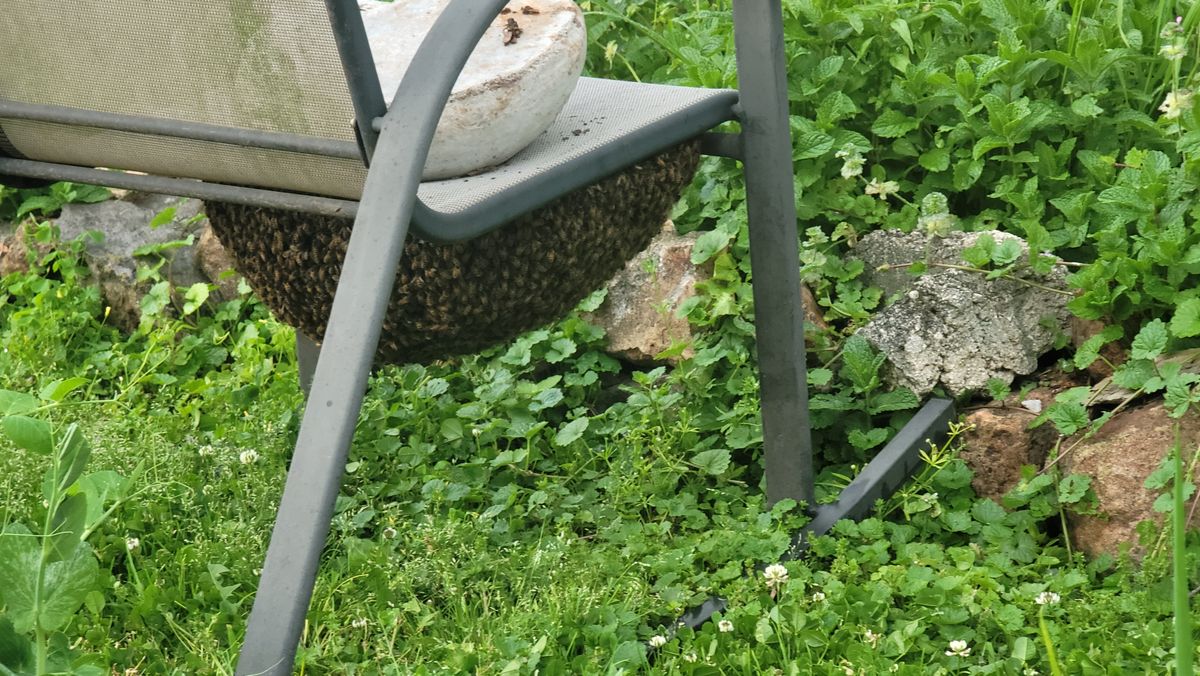
So, you’ve spotted a large cluster of honey bees hanging from a tree branch or the side of a building in Kansas and have taken a moment to report it. First and foremost, thank you. By reporting a swarm, you’ve taken a crucial step in protecting these vital pollinators and helping a local beekeeper. Whether you're in Wichita, Kansas City, Topeka, or anywhere in between, your action sets a simple, effective rescue process in motion.
But what exactly happens now? This guide will walk you through the entire process, from the instant you submit your report to the moment a beekeeper arrives, and clarify what to expect along the way.
Once you submit your report through the Swarmed platform, our system immediately gets to work. You will receive an email confirmation letting you know that your report has been successfully received and is being processed. This isn't just a confirmation for your records; it's the start of the rescue.
Simultaneously, an alert is sent out to all registered beekeepers within a specific radius of the location you provided. This notification includes the details you shared—the address, a description of the swarm's location (e.g., "on a low-hanging branch in the front yard"), and any photos you uploaded. This information is critical for beekeepers to quickly assess the situation and determine if they can respond.
Soon after the alert goes out, an available beekeeper will "claim" your report. When this happens, you will be notified, and the beekeeper will typically reach out to you directly by phone or text. They do this to:
While you wait, the best thing you can do is keep a safe distance. The bees in a swarm are typically docile because they have no home, honey, or young to defend. They have filled their bellies with honey for the journey and are focused on finding a new permanent residence. Simply give them space and let the beekeeper handle the rest.
One of the most important things for residents to understand is the difference between a swarm and an established colony. This distinction is what determines whether the service is free or requires payment.
In some regions, including parts of Kansas, beekeepers occasionally encounter honey bees that are more defensive than usual. This can be due to local genetics or other environmental factors. Rescuing these bees requires more specialized equipment, extra precautions, and a higher level of risk for the beekeeper.
Because of this, you may find that a beekeeper in the Wichita or Kansas City area provides a quote for removing a swarm, even if it hasn't moved into a structure. This is not a bait-and-switch; it is a professional assessment of the risk and effort involved in that specific situation. The beekeeper is responsible for their safety and the safety of the public during the removal. You always have the option to accept or reject the quote. Reporting the bees remains the correct and safest first step.
Every swarm reported in Kansas helps build a stronger, more responsive network for protecting pollinators. Each data point helps beekeepers understand local bee populations and respond more effectively in the future. Strong networks are vital for honey bee survival. For comparison, in states with developing networks like Nevada, beekeepers responded to over 100 swarm reports last season. Your single report in Kansas contributes to a similarly robust safety net, ensuring that local beekeepers can continue their essential work.
By reporting a swarm, you aren't just solving a problem in your backyard. You are actively participating in a community-wide effort to support agriculture, local ecosystems, and the dedicated beekeepers who manage these incredible insects.
Thank you again for your quick thinking and community spirit. You’ve done a great service for Kansas's honey bees.
If you see a honey bee swarm or know someone who has, the most helpful step you can take is to file a report. To help protect honey bees and support your local beekeeping community, you can Report a honey bee colony here (opens in a new tab).
California's Golden Opportunity: Harnessing the Spring Swarm For beekeepers across California, the arrival of spring signals more than just almond blossoms and wildflo...
Read More...May 18, 2026
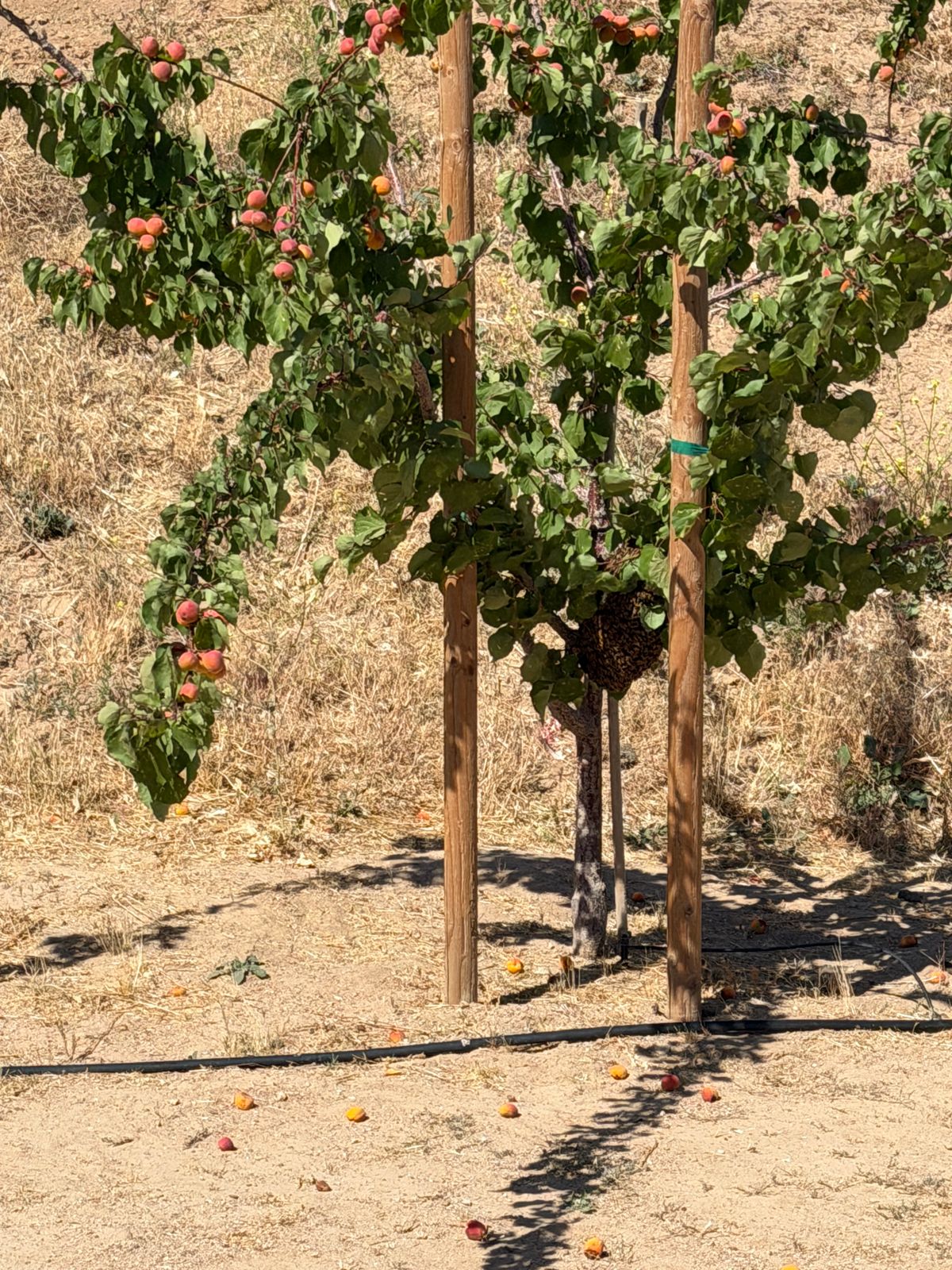
A Beekeeper's Guide to Swarm Collection in Idaho Spring has arrived in the Gem State, and with it, the unmistakable hum of honey bee swarms. For beekeepers, this is a...
Read More...May 18, 2026