
A Beekeeper's Guide to Swarm Season in California
California's Golden Opportunity: Harnessing the Spring Swarm For beekeepers across California, the arrival of spring signals more than just almond blossoms and wildflo...
Read More...May 18, 2026
Home > Blog > Reported a Bee Swarm in Iowa? Here's What Comes Next
May 12, 2026
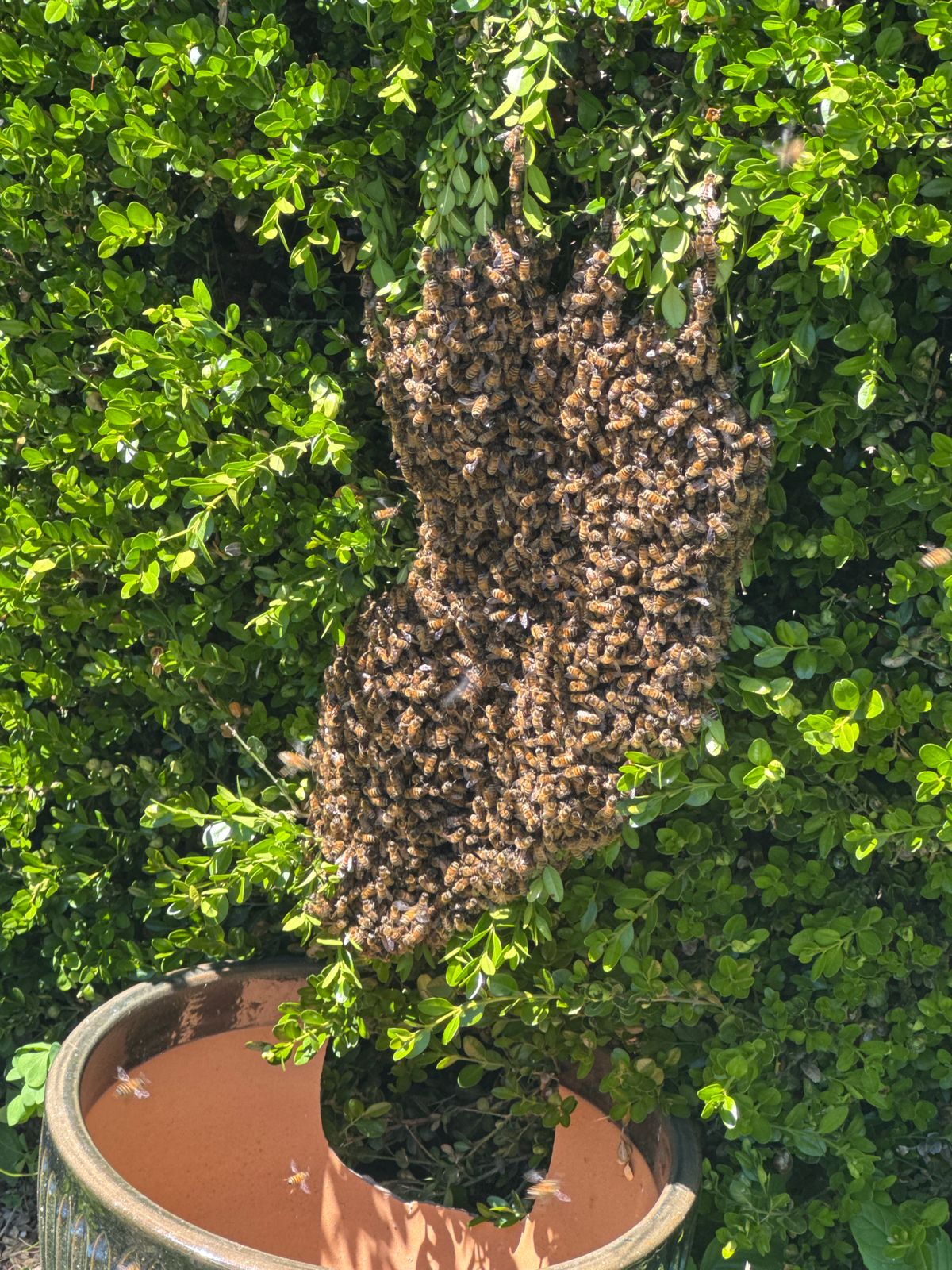
Seeing a large, swirling cluster of honey bees in your Des Moines yard or on a downtown Iowa City street post can be an awe-inspiring, if slightly unnerving, sight. By taking a moment to report it, you've taken a crucial step in protecting these vital pollinators and supporting your local community. But what happens after you click 'submit'? This guide walks you through the next steps in the process, clarifying what to expect from the Swarmed network of Iowa beekeepers.
First, you will receive an email confirmation that your report has been successfully submitted and is now visible to registered beekeepers in your area. Our system instantly alerts beekeepers near Cedar Rapids, Des Moines, and across the state. During the peak spring season, a local beekeeper will often claim the swarm very quickly—sometimes within minutes.
Once a beekeeper accepts the request, you'll receive a second email containing their name and contact information. They will typically reach out to you directly to coordinate a time for the rescue, ask a few clarifying questions, and provide an estimated arrival time.
Understanding the difference between a honey bee swarm and an established hive is the most important factor in setting expectations for the beekeeper's visit. The type of bee situation you have determines whether the service is a free rescue or a paid removal.
A swarm is a temporary, transient cluster of bees. Here’s how to identify one:
Swarm collection is normally free. Local beekeepers are eager to rescue swarms because these bees provide healthy, local genetics to strengthen their apiaries. For them, a swarm is a valuable resource that helps sustain Iowa's honey bee population.
If bees have moved into a structure and started building a home, the situation changes significantly. This is now an established hive.
Removal of an established hive is a paid service known as a 'cutout'. This is complex, labor-intensive work that goes far beyond what is required for a simple swarm rescue.
If the beekeeper determines the bees have established a colony within a structure, they will be performing a cutout, not a swarm rescue. This process requires specialized skills and tools, often including carpentry and construction knowledge.
The beekeeper must carefully open the structure (e.g., remove siding or cut into drywall) to access the entire colony. They then painstakingly remove all the wax comb containing honey, pollen, and brood, securing it in frames to transport the colony to a new hive box. Finally, the area must be cleaned and sealed properly to prevent another swarm from being attracted to the same spot.
Because of the complexity, time, and potential for structural repairs, cutouts are a professional service. As our network guidance states: "Swarm collection is normally free—beekeepers want these bees. However, if bees have established a hive in your wall or structure with built comb, removal requires specialized skills and carpentry work. Expect the beekeeper to provide a fair quote based on complexity and repairs needed. You can accept or reject."
Every swarm report filed in Iowa does more than just solve a potential nuisance—it actively contributes to the health of our local ecosystem and supports beekeepers. Honey bees are essential for pollinating crops that are foundational to Iowa's agriculture. By ensuring swarms are rescued by knowledgeable beekeepers, you are helping to preserve these crucial pollinators.
The Swarmed network is a powerful example of community-driven conservation. The system relies on people like you to be the eyes and ears on the ground. This model has proven effective across the country. In states like Nevada, for instance, our network has facilitated the rescue of over 100 swarms, connecting the public with local experts to save bee colonies. Your report in Iowa strengthens a similar, vital network right here at home.
By helping a beekeeper rescue a swarm, you give a colony a chance to thrive in a managed apiary where they can be cared for, instead of potentially moving into an undesirable location where they might later be exterminated.
Thank you for being a friend to the bees and a vital part of your community's ecosystem. Your simple act of reporting makes a significant difference. If you see another swarm or need to report one, the process is simple and makes a real impact for local bees and beekeepers.
Help protect honey bees and support Iowa beekeepers by reporting swarms at https://beeswarmed.org/report-bee-colony (opens in a new tab).
California's Golden Opportunity: Harnessing the Spring Swarm For beekeepers across California, the arrival of spring signals more than just almond blossoms and wildflo...
Read More...May 18, 2026
A Beekeeper's Guide to Swarm Collection in Idaho Spring has arrived in the Gem State, and with it, the unmistakable hum of honey bee swarms. For beekeepers, this is a...
Read More...May 18, 2026