
A Beekeeper's Guide to Swarm Season in California
California's Golden Opportunity: Harnessing the Spring Swarm For beekeepers across California, the arrival of spring signals more than just almond blossoms and wildflo...
Read More...May 18, 2026
Home > Blog > Reported a Bee Swarm in Indiana? Here’s What Happens Next
May 12, 2026
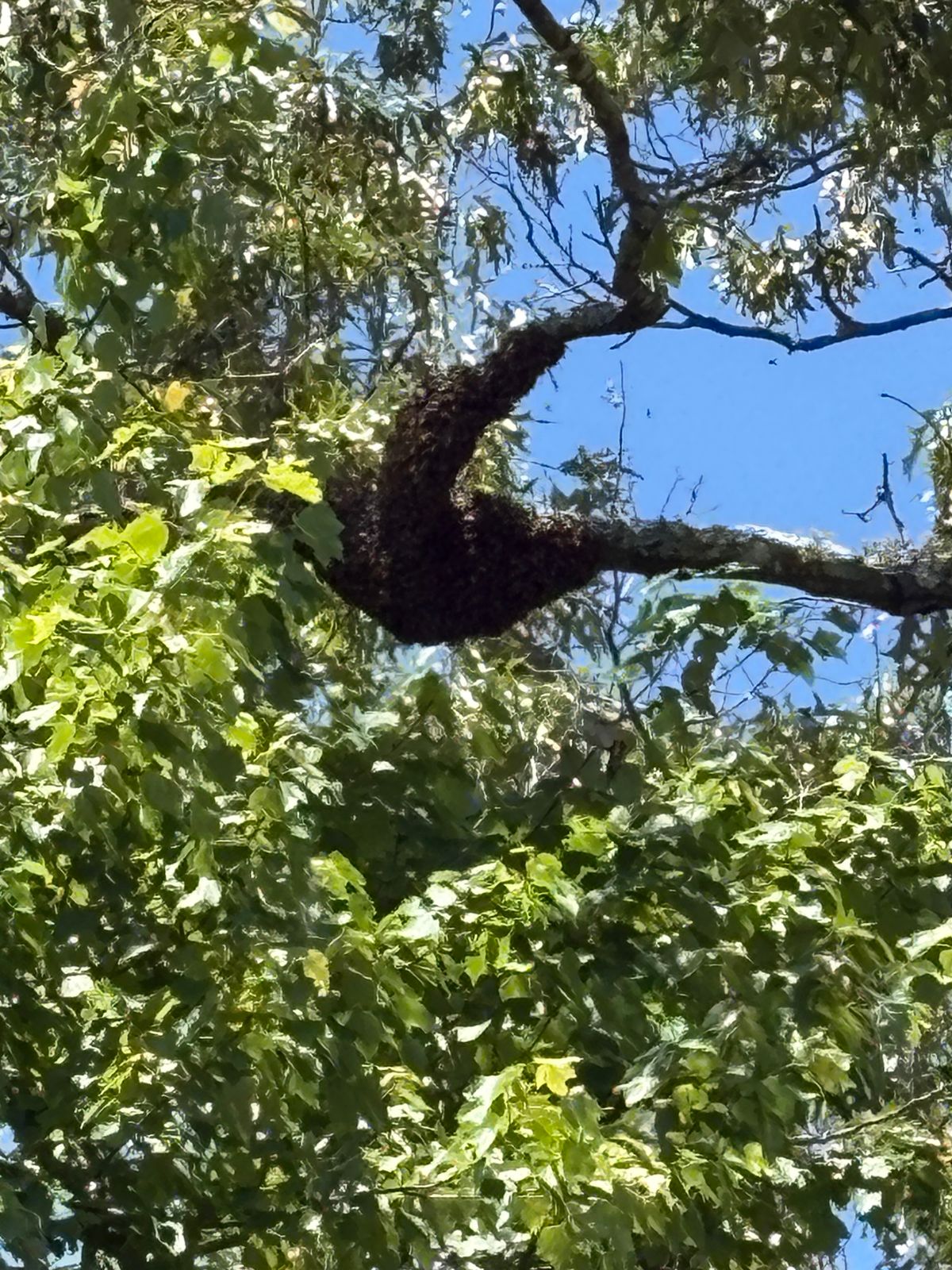
Seeing a large cluster of honey bees on a tree branch or fence post can be an impressive, and sometimes startling, sight. If you've encountered this natural phenomenon in Indianapolis, Fort Wayne, Bloomington, or anywhere across Indiana and have taken the step to report it, you’ve done a great service to your community and to these vital pollinators. But what exactly happens after you click 'submit' on a swarm report?
This guide walks you through the process, clarifying what you can expect from the moment you report the bees to the arrival of a local beekeeper. Understanding the steps helps demystify the experience and highlights the crucial role you play in protecting honey bees.
Immediately after you submit your report through the Swarmed platform, two things happen simultaneously.
First, you will receive an email confirmation. This message acknowledges that your report has been received and is being processed. It provides you with a record of your submission and reassures you that the information is now in the system.
Second, and most importantly, our network springs into action. Your report, including the location and any photos you provided, is instantly broadcast to registered beekeepers in your specific area of Indiana. Beekeepers receive these alerts via text message or email, ensuring they get the information in real-time. Because swarms are transient and can move on within a day or two, this speed is essential. It's not uncommon for the first beekeeper to respond to an alert within just a few minutes of your report.
The first beekeeper to claim the swarm will typically contact you directly using the phone number you provided. They will introduce themselves, confirm the details of the swarm, and arrange a time to come and rescue the bees. They may ask a few clarifying questions:
This initial conversation ensures the beekeeper is prepared and can perform the rescue safely and efficiently. The vast majority of Indiana beekeepers are hobbyists or small-scale professionals who are passionate about honey bees and eager to help.
This is the most critical part of the process for homeowners to understand, as it determines whether the service is free or requires payment. The distinction is based on where the bees are located and what they are doing.
A swarm is a temporary cluster of bees—often shaped like a ball or a beard—hanging from a tree limb, a fence, a mailbox, or the side of a building. These bees are in transit. They have left their old home and are looking for a new one. In this state, honey bees are remarkably docile. Their bellies are full of honey for the journey, and they have no home, brood, or food stores to defend.
For a beekeeper, rescuing a swarm is a relatively straightforward process. They can often gently brush the bees into a box and take them to a new hive in their apiary. Because these bees are valuable to beekeepers, swarm collection is normally free.
An established hive or established colony is different. This is when the bees have moved inside a structure and have begun building a home. This includes bees in the wall of a house, a roof soffit, a shed, a hollow tree, or an attic. Once they build wax comb and start raising young (brood), they are no longer a transient swarm; they are a resident colony. These bees will be defensive of their new home.
Removing an established colony is a complex and labor-intensive job known as a "cutout." It often requires specialized equipment, carpentry skills to open the structure, and careful work to remove all the bees, comb, and honey. Afterward, the structure must be properly repaired to prevent future infestations. This is not a simple rescue; it is a specialized service.
As our guidance states: > "Swarm collection is normally free - beekeepers want these bees. However, if bees have established a hive in your wall or structure with built comb, removal requires specialized skills and carpentry work. Expect the beekeeper to provide a fair quote based on complexity and repairs needed. You can accept or reject. Reporting a swarm on Swarmed is free to use - we ask for an optional suggested contribution of $12 to help support the platform."
A beekeeper will assess the situation and provide a quote for a cutout service before any work begins. This is a standard professional practice.
By taking a few moments to report a swarm, you are contributing to a larger ecological and community effort. Every report helps in several ways:
Your action is a simple yet powerful step in bee conservation. It connects a natural event with a positive, managed outcome, benefiting bees, beekeepers, and the wider Indiana community.
If you see a honey bee swarm, don't hesitate. Your report is the first step in a well-established process that keeps our communities safe and our honey bee populations healthy. Report any honey bee swarms you see in Indiana to help protect these essential pollinators and support your local beekeeping community. Your simple action ensures the bees are safely relocated. Report a honey bee swarm today (opens in a new tab).
California's Golden Opportunity: Harnessing the Spring Swarm For beekeepers across California, the arrival of spring signals more than just almond blossoms and wildflo...
Read More...May 18, 2026

A Beekeeper's Guide to Swarm Collection in Idaho Spring has arrived in the Gem State, and with it, the unmistakable hum of honey bee swarms. For beekeepers, this is a...
Read More...May 18, 2026