Your Report Makes a Difference for Illinois Bees
By reporting a honey bee swarm, you have taken a crucial step in protecting these vital pollinators and supporting your local community. Whether you're in Chicago, Springfield, or Peoria, your action connects a vulnerable honey bee colony with one of the over 450 registered beekeepers on the Swarmed network in Illinois who can provide them with a safe, managed home. This guide outlines what to expect after reporting bees and clarifies the process ahead.
Step 1: The Automated Alert System
Immediately after you submit your report, our system gets to work. You will receive a confirmation email with the details of your submission. Simultaneously, an alert is sent out to registered beekeepers in your specific geographic area. A report from a Chicago suburb will notify beekeepers in Cook County, while a report from Springfield reaches those in the Sangamon County area.
This notification includes the location, description, and any photos you provided. Beekeepers can then review the information and decide if they are available to respond. The efficiency of this system is what allows for the rapid rescue of thousands of colonies each year. Even in states with a smaller beekeeper network, the impact is significant; for example, our Nevada network facilitated the rescue of over 100 swarms last season.
Step 2: Beekeeper Contact and Response Time
Once a local beekeeper claims your report, they will typically contact you directly via the phone number or email you provided. Beekeepers are often volunteers who are passionate about bees, so response times can vary based on their availability, the time of day, and your location.
During peak swarm season in the spring, beekeepers are often very busy but also highly motivated to help. In most cases, you can expect to hear from someone within a few hours. While you wait, keep a safe distance from the swarm, but there is no need to be alarmed. A honey bee swarm is typically docile, as the bees are focused on protecting their queen and finding a new home, not defending an existing one.
Step 3: Assessing the Situation - Swarm vs. Established Hive
Understanding the difference between a bee swarm and an established hive is the most important factor in what happens next. This distinction determines whether the removal will be a simple, free rescue or a more complex, paid service.
Honey Bee Swarm (Usually Free Rescue)
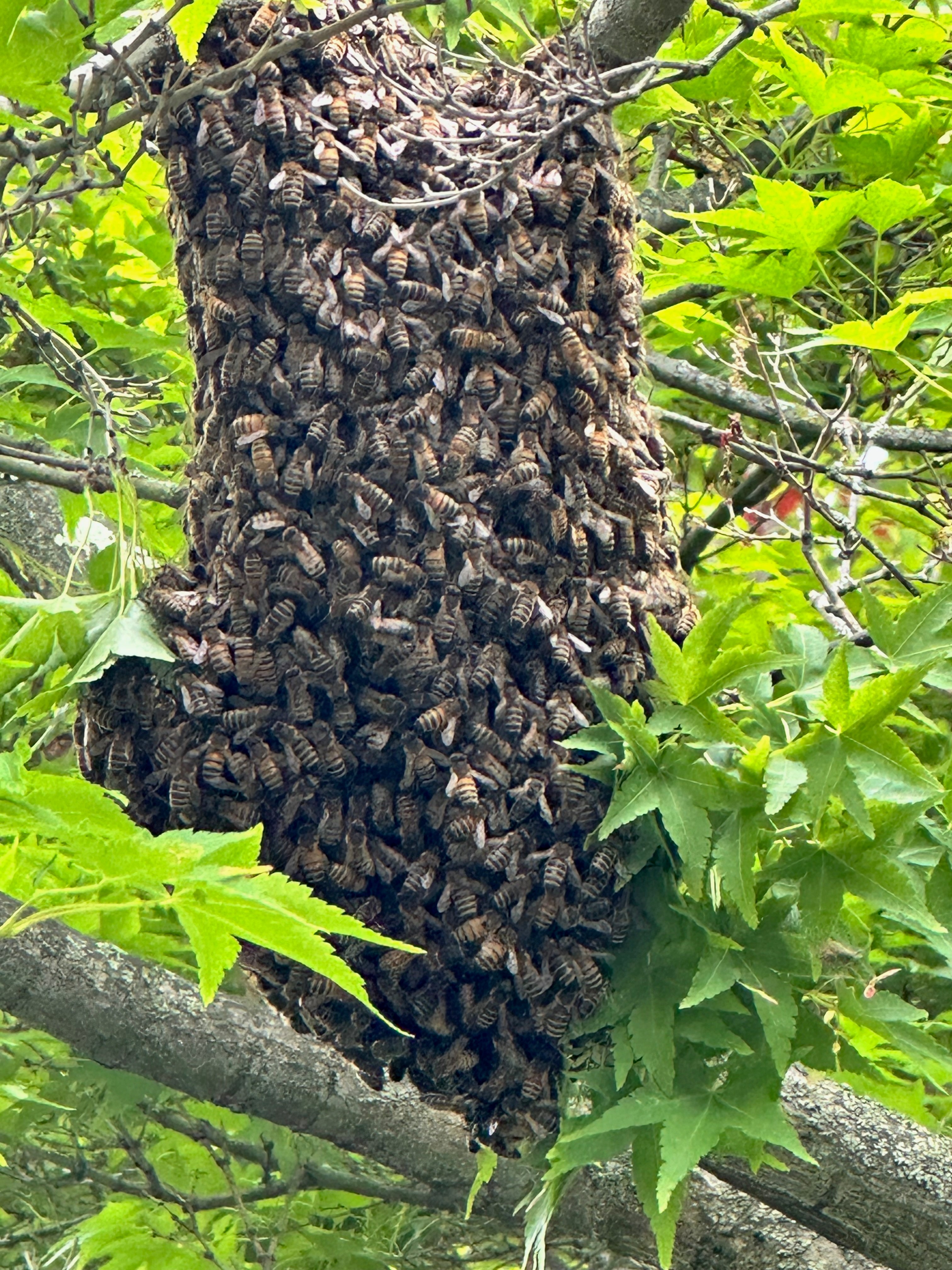
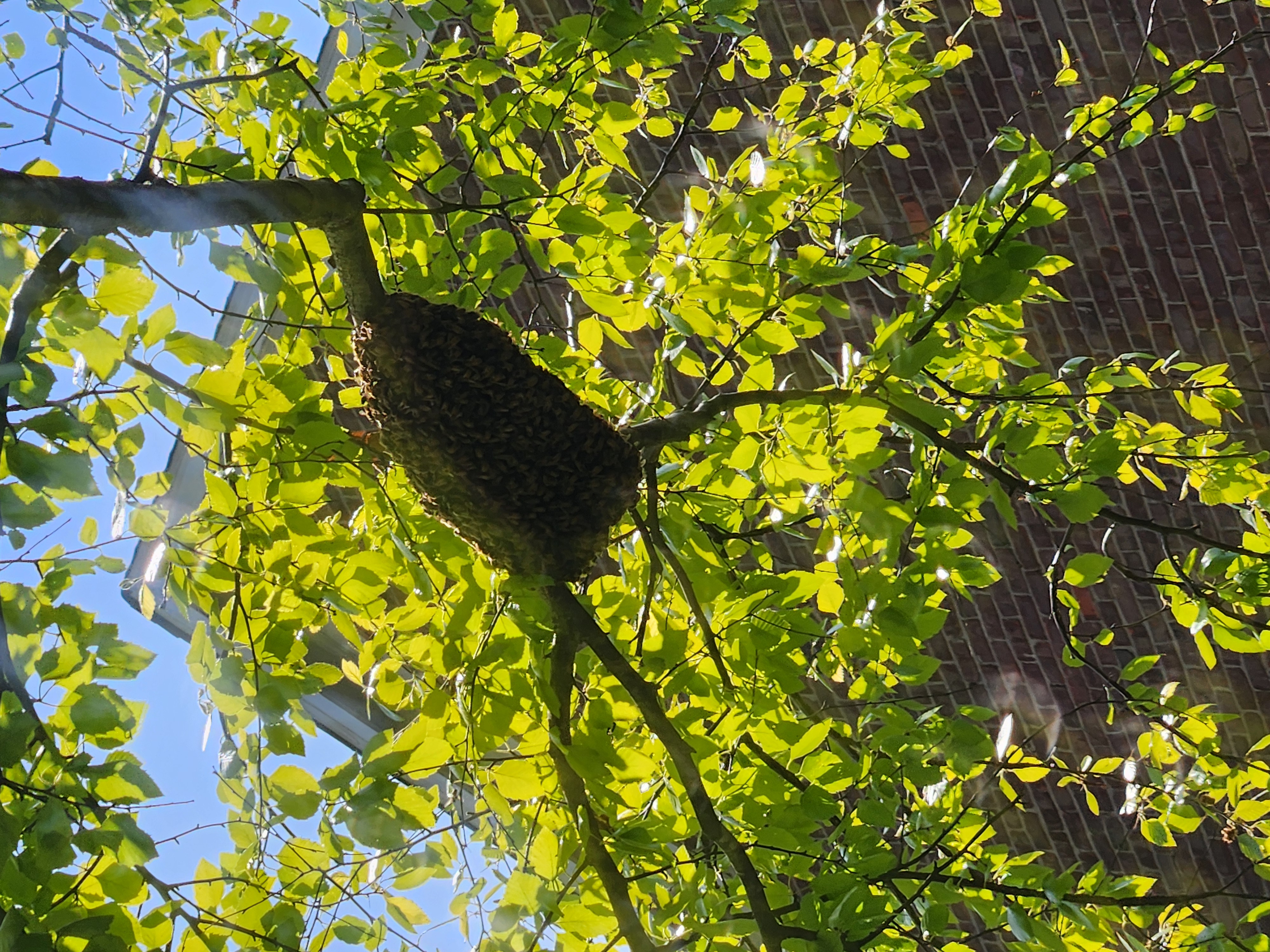
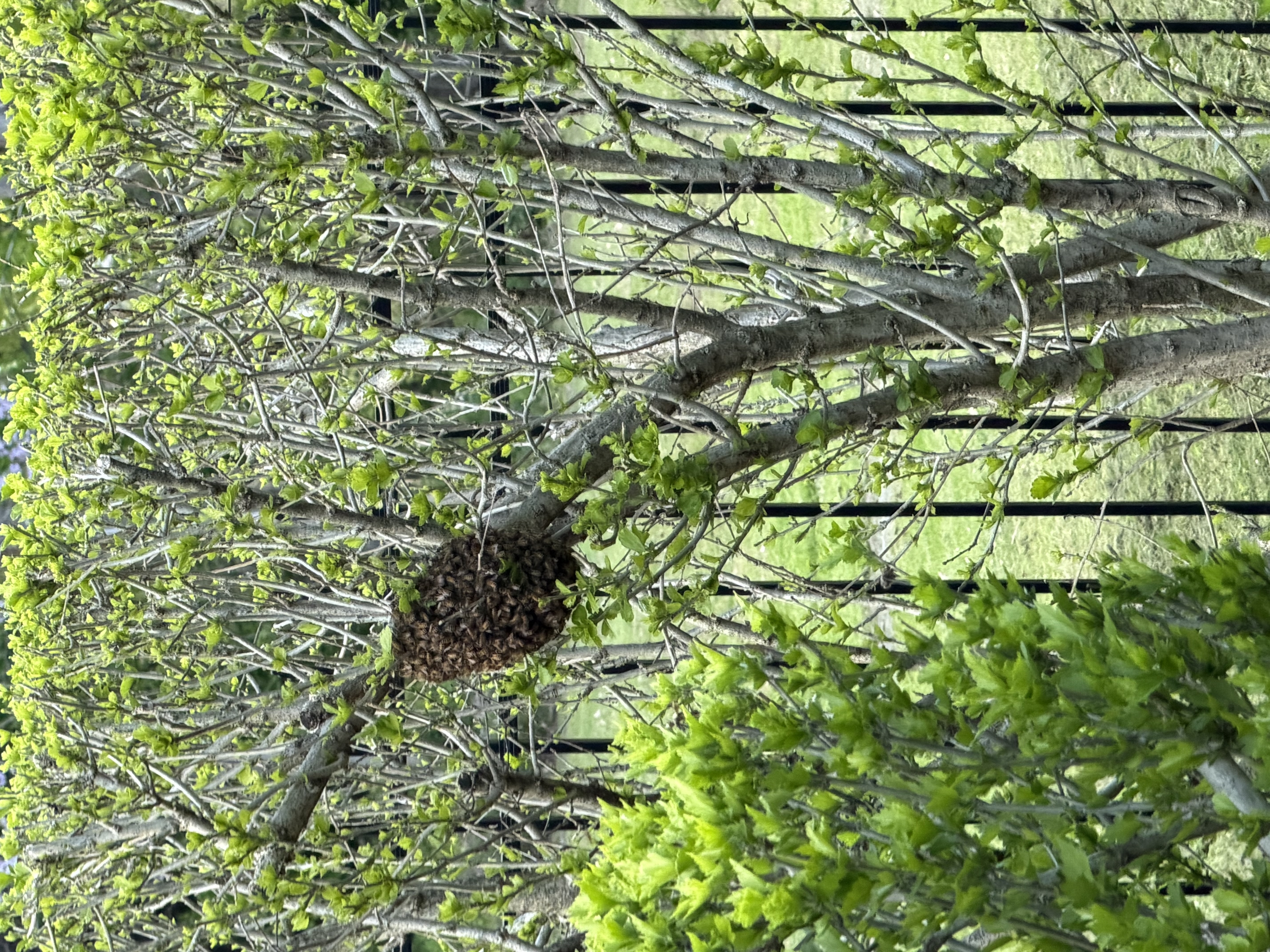
- What it is: A temporary, transient cluster of bees hanging from a tree branch, fence post, or other object. It can range in size from a softball to a basketball.
- Behavior: The bees are generally calm and not aggressive. They have engorged themselves with honey for their journey and have no honey, comb, or young to defend.
- Duration: A swarm will typically move on within 24-72 hours as scout bees search for a permanent home.
- Resolution: This is what beekeepers are looking for. The collection is almost always free of charge. A beekeeper can usually gather the bees into a box with minimal disruption.
Established Hive or Colony (Requires a Paid 'Cutout')
- What it is: Bees that have already moved into a permanent structure. This includes bees inside a wall, roof, chimney, shed, or hollow tree. You will see bees flying in and out of a specific entry point.
- Behavior: These bees have built wax comb, are raising young (brood), and are storing honey. They will be defensive of their home and resources.
- Duration: This is a permanent residence for the colony.
- Resolution: Removing an established colony is a specialized service called a "cutout." It involves construction skills to open the structure, carefully remove all bees and comb, and then perform necessary repairs. This is labor-intensive work that costs money. The beekeeper will provide a quote for the service, which can range from $200 to $800+ depending on the complexity, location, and repair work needed. You have the option to accept or decline the quote.
What to Expect After Reporting Bees in Chicago and Beyond
When the beekeeper arrives to rescue a swarm, the process is fascinating and straightforward. They will place a box or hive body beneath the cluster and gently brush or shake the bees into it. The goal is to get the queen into the box, as the rest of the colony will follow her scent. The beekeeper may leave the box for a short period to allow all the foraging bees to return before sealing it and taking the colony to their apiary.
Your role is simply to provide access and stay at a safe distance. This simple act of reporting has turned a potential nuisance into a valuable new colony for a local beekeeper, strengthening the local pollinator population.
You Are a Key Part of Bee Conservation
Every swarm reported through Swarmed is a victory for honey bees. Instead of being exterminated, these colonies are given a chance to thrive under the care of a skilled beekeeper. Your report directly contributes to the health of Illinois's ecosystem and supports the local beekeepers who manage these essential pollinators. Thank you for your commitment to helping bees in your community.
If you see a honey bee swarm, the best thing you can do is provide a little information to connect them with a local expert. Help protect honey bees by reporting a swarm in your area through our free tool at https://beeswarmed.org/report-bee-colony (opens in a new tab).