
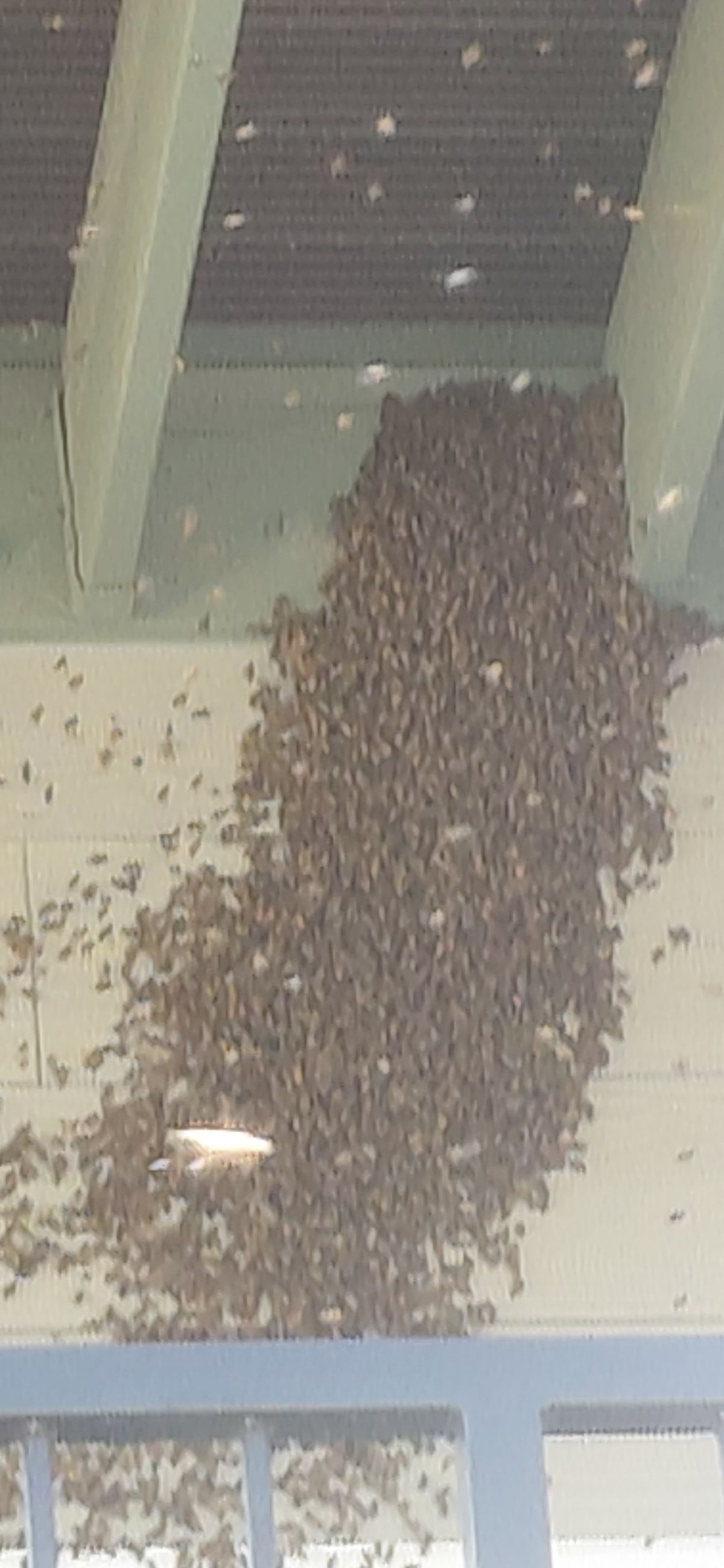
A Beekeeper's Guide to Swarm Season in California
California's Golden Opportunity: Harnessing the Spring Swarm For beekeepers across California, the arrival of spring signals more than just almond blossoms and wildflo...
Read More...May 18, 2026
Home > Blog > Reported a Bee Swarm in Hawaii? What Happens Next
May 12, 2026
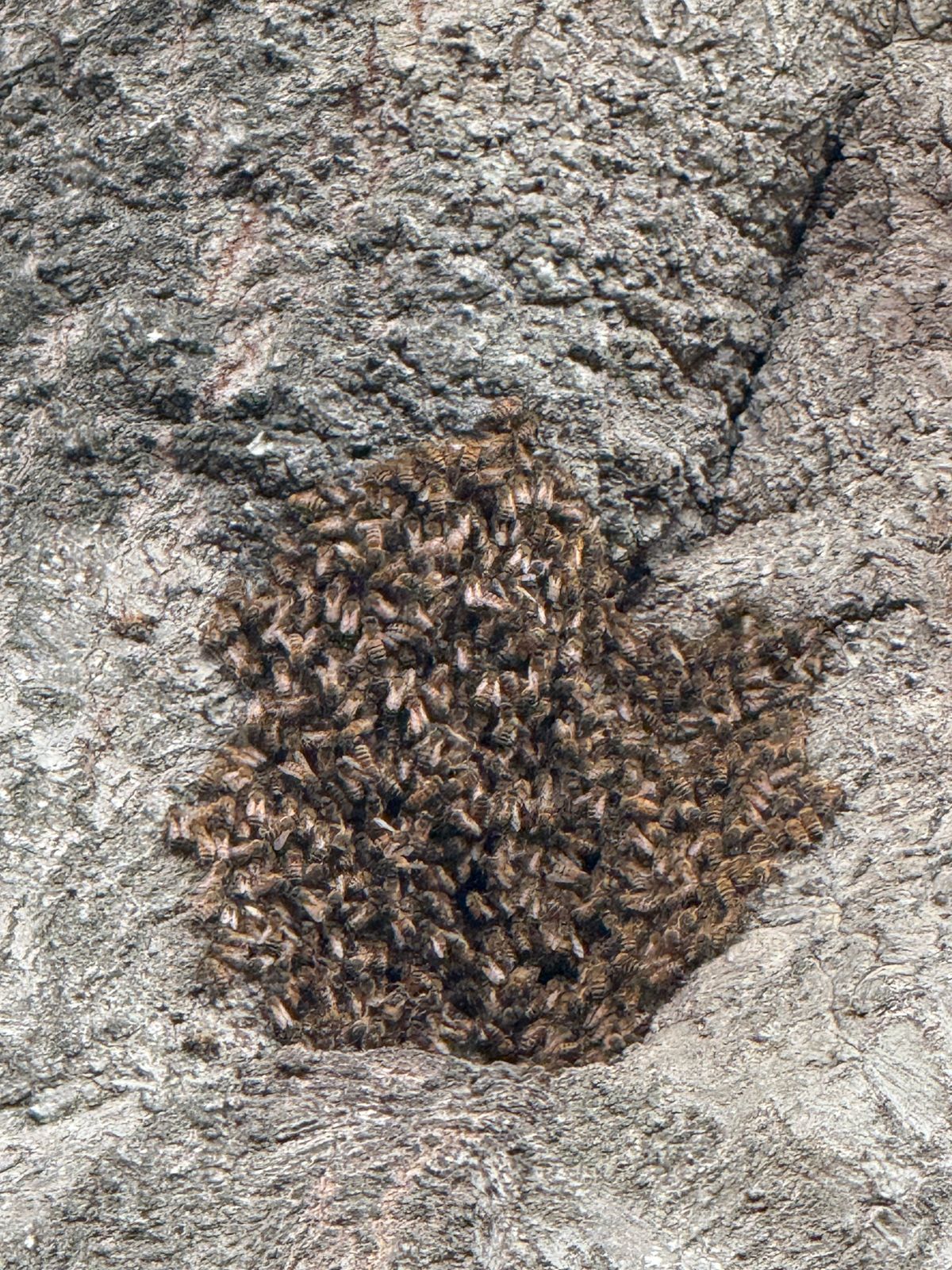
Seeing a large, swirling cluster of honey bees hanging from a tree branch or gathered on a fence post in Honolulu, Hilo, or Kailua-Kona can be an impressive, and sometimes startling, sight. You did the right thing by taking a moment to report it. By using a tool like the Swarmed network, you’ve taken a critical step toward protecting these essential pollinators and helping a local beekeeper. But what exactly happens after you click “submit”?
This guide walks you through the entire process, from the initial alert to the arrival of a beekeeper, and explains some unique considerations for bee rescues here in Hawaii.
Immediately after you submit your report, our system gets to work. You will receive an email confirmation to let you know that your report has been successfully received and is being processed. Simultaneously, our network sends out an alert to registered beekeepers in your immediate vicinity. This alert includes the location and details you provided, allowing local experts to see the report in real-time and assess if they can help.
This rapid communication is key. Swarms are transient by nature; they are a honey bee colony on the move, looking for a new permanent home. They typically only cluster in one spot for 24 to 72 hours before moving on. Your quick report gives beekeepers a crucial window to safely rescue them.
Once a beekeeper in your area accepts the alert, they will typically reach out to you directly via a phone call or text message. This is to confirm the details and get a bit more information before they head to your location.
Be prepared to answer a few simple questions:
This initial contact ensures the beekeeper arrives prepared and that the rescue can be performed as efficiently and safely as possible.
To understand what happens next, it’s vital to know the difference between a swarm and an established hive. This distinction is the most important factor in determining whether the service will be free or require a quote.
A cutout requires carpentry skills and specialized equipment to open the structure, carefully remove all the comb, and relocate the entire colony. Because of the time, skill, and potential for structural repairs involved, a cutout is a paid service. A beekeeper will always provide a quote for this type of work.
In Hawaii, the line between a simple swarm rescue and a more complex removal can sometimes be less defined. While most swarms are docile, bee colonies across the islands can sometimes exhibit more defensive behavior. This can be due to a variety of genetic and environmental factors.
If a beekeeper determines that a swarm is unusually defensive, they may need to use specialized protective gear and take extra precautions to ensure the safety of you, your neighbors, and themselves. This increased risk and specialized handling may lead the beekeeper to provide a quote for the service, even if the bees haven't yet moved into a structure. This is a professional judgment call made to ensure the situation is handled safely and effectively.
Remember, you are always in control. A beekeeper providing a quote for a difficult swarm rescue or a necessary cutout will explain the costs upfront. You have every right to accept or decline the quote.
Whether it’s a simple rescue or a complex removal, your report makes a huge difference. Honey bees are vital for Hawaii's unique ecosystems and agriculture, pollinating everything from coffee blossoms to macadamia nuts. By reporting a swarm, you are directly participating in their protection.
Your report also supports local beekeepers. These individuals are passionate about honey bees and play a critical role in local food systems. Rescued swarms provide them with healthy, locally adapted bees to strengthen their apiaries without having to import bees from elsewhere.
This community-powered effort is incredibly effective. In some mainland states, a small network of just six beekeepers has successfully rescued over 102 swarms in a single spring season. Your single report is a part of a much larger effort to keep honey bee populations healthy across the islands.
Spring is a peak season for honey bee swarms. If you see a cluster of bees on the move, you now know exactly what to do and what to expect. Reporting a swarm is a simple, safe, and profoundly helpful act for our environment and community.
Help protect our precious pollinators and support your local beekeepers. Report a honey bee swarm or established colony today through our free reporting tool: https://beeswarmed.org/report-bee-colony (opens in a new tab).
California's Golden Opportunity: Harnessing the Spring Swarm For beekeepers across California, the arrival of spring signals more than just almond blossoms and wildflo...
Read More...May 18, 2026
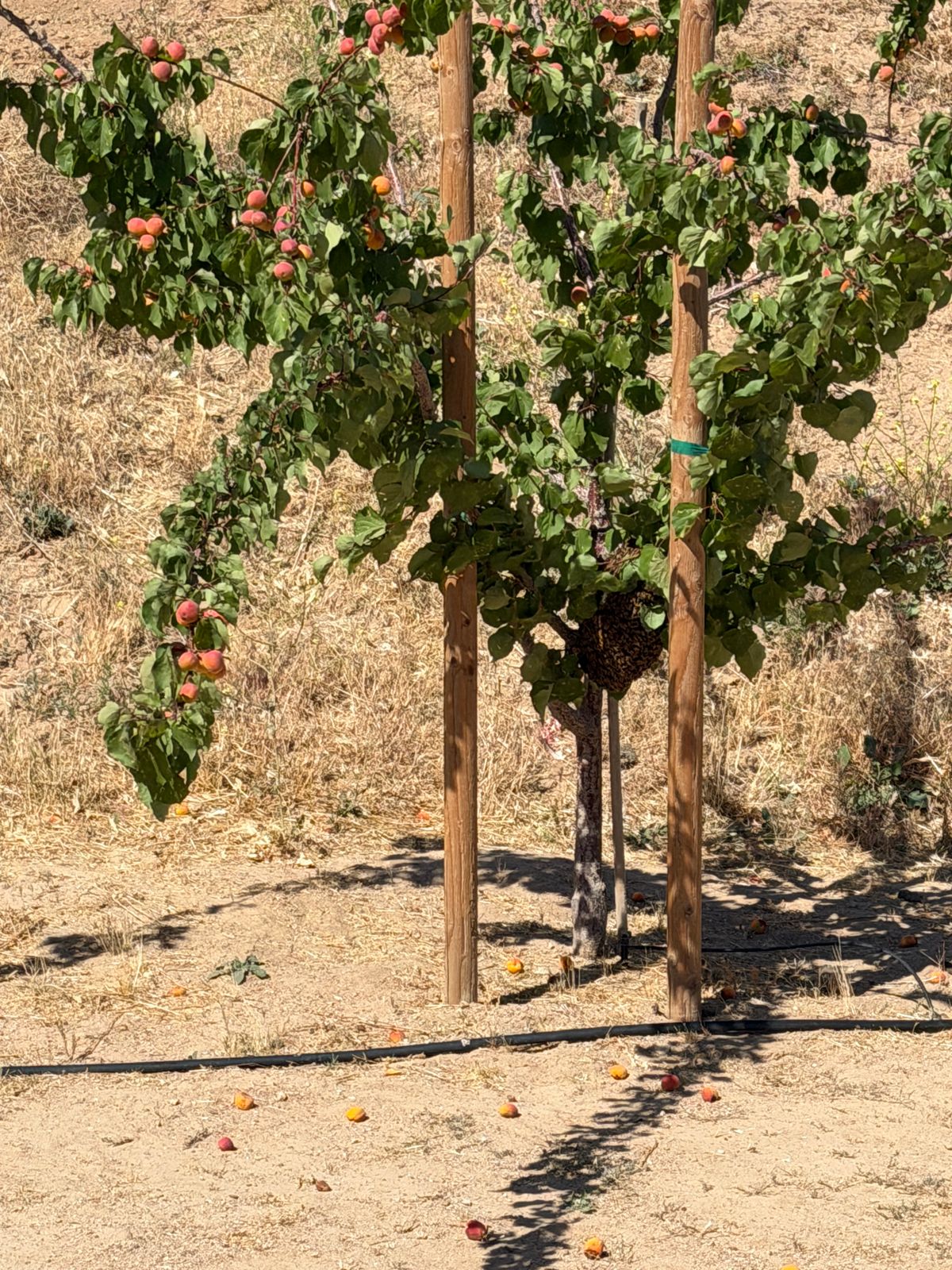
A Beekeeper's Guide to Swarm Collection in Idaho Spring has arrived in the Gem State, and with it, the unmistakable hum of honey bee swarms. For beekeepers, this is a...
Read More...May 18, 2026