The Process After You Report a Bee Swarm
Florida's vibrant spring season brings lush greenery, blooming flowers, and the natural phenomenon of honey bee swarms. Seeing a large cluster of bees on a tree branch or fence post can be startling, but it represents a healthy, growing honey bee population. If you've taken the step to report a swarm in Miami, Orlando, Tampa, or elsewhere in the state, you've made a positive impact on local ecology and beekeeping.
This guide explains exactly what happens after you submit your report through Swarmed, detailing the alert process, beekeeper response, and the critical distinction between a free swarm collection and a more complex, paid hive removal—a particularly important topic throughout Florida.
The Swarmed Alert System: How It Works
Once you submit a swarm report with the location and a few details, our automated system immediately gets to work. Your action triggers a sequence of events designed to connect the bees with a local beekeeper as efficiently as possible.
- Instant Confirmation: You will receive an email confirming that we have received your report. This message serves as an acknowledgment and provides initial information about what to expect.
- Targeted Beekeeper Alert: Your report is instantly dispatched as an alert to registered beekeepers within a specific radius of the swarm's location. A beekeeper in Tampa will receive alerts for swarms in their area, while a beekeeper in Miami is notified of swarms closer to them.
- Community in Action: Florida's beekeeping community is active and engaged. Last season alone, the Swarmed network helped facilitate the rescue of over 777 swarms across the state, connecting concerned residents with beekeepers ready to help. These beekeepers are volunteers who rely on public reports to grow their apiaries and help protect honey bees.
Beekeeper Response: What to Expect
After the alert is sent, the next steps depend on the availability of local beekeepers. These individuals are passionate about bees, but they also have jobs, families, and other commitments. Patience is key during this stage.
When a beekeeper decides they can help, they will "claim" the swarm through the Swarmed system. This action triggers a second email to you, the reporter. This crucial update informs you that a beekeeper is on the way and typically includes their name and contact information. From this point forward, you will coordinate directly with the beekeeper regarding their estimated arrival time and any specific instructions for accessing the property.
Response times can vary from minutes to several hours, depending on factors like the time of day, the swarm's location, and beekeeper availability. A swarm reported on a weekday afternoon in a busy Orlando suburb might be claimed faster than one reported late on a weekend evening in a more rural area.
Swarm vs. Established Hive: The Critical Florida Distinction
Understanding the difference between a honey bee swarm and an established hive is essential, as it directly impacts the method, cost, and complexity of the removal process. What you have reported determines the kind of help a beekeeper can offer.
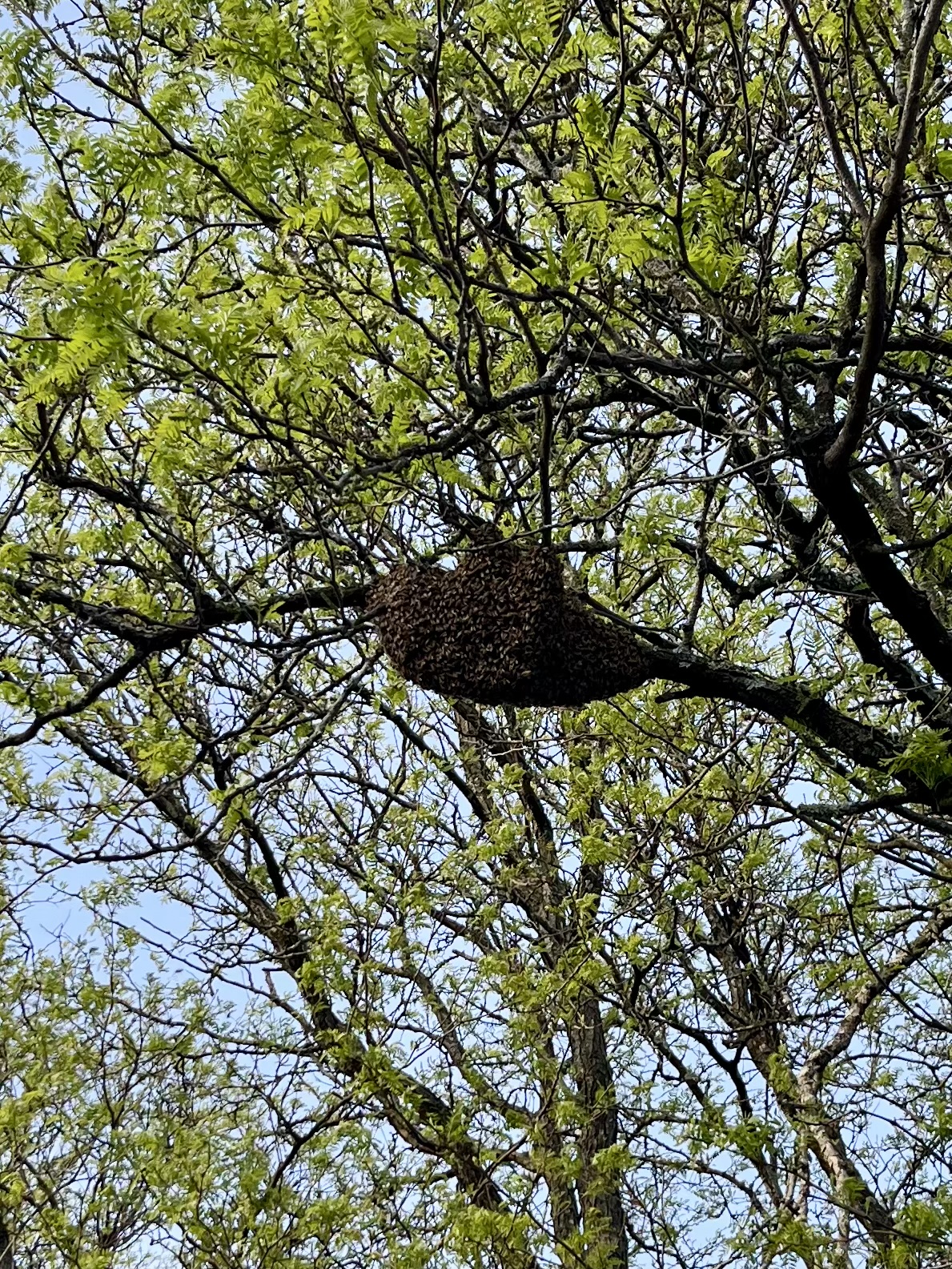
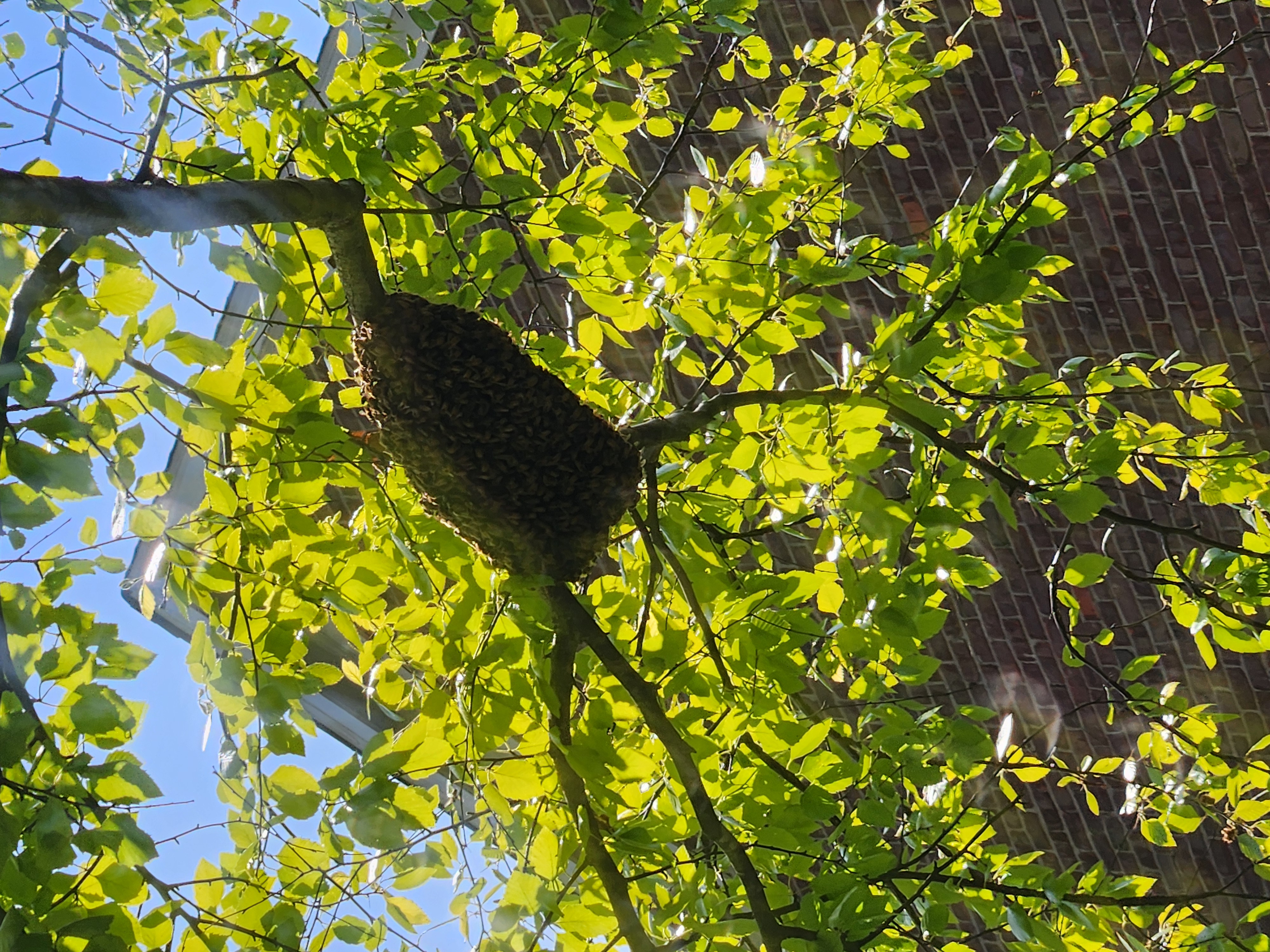
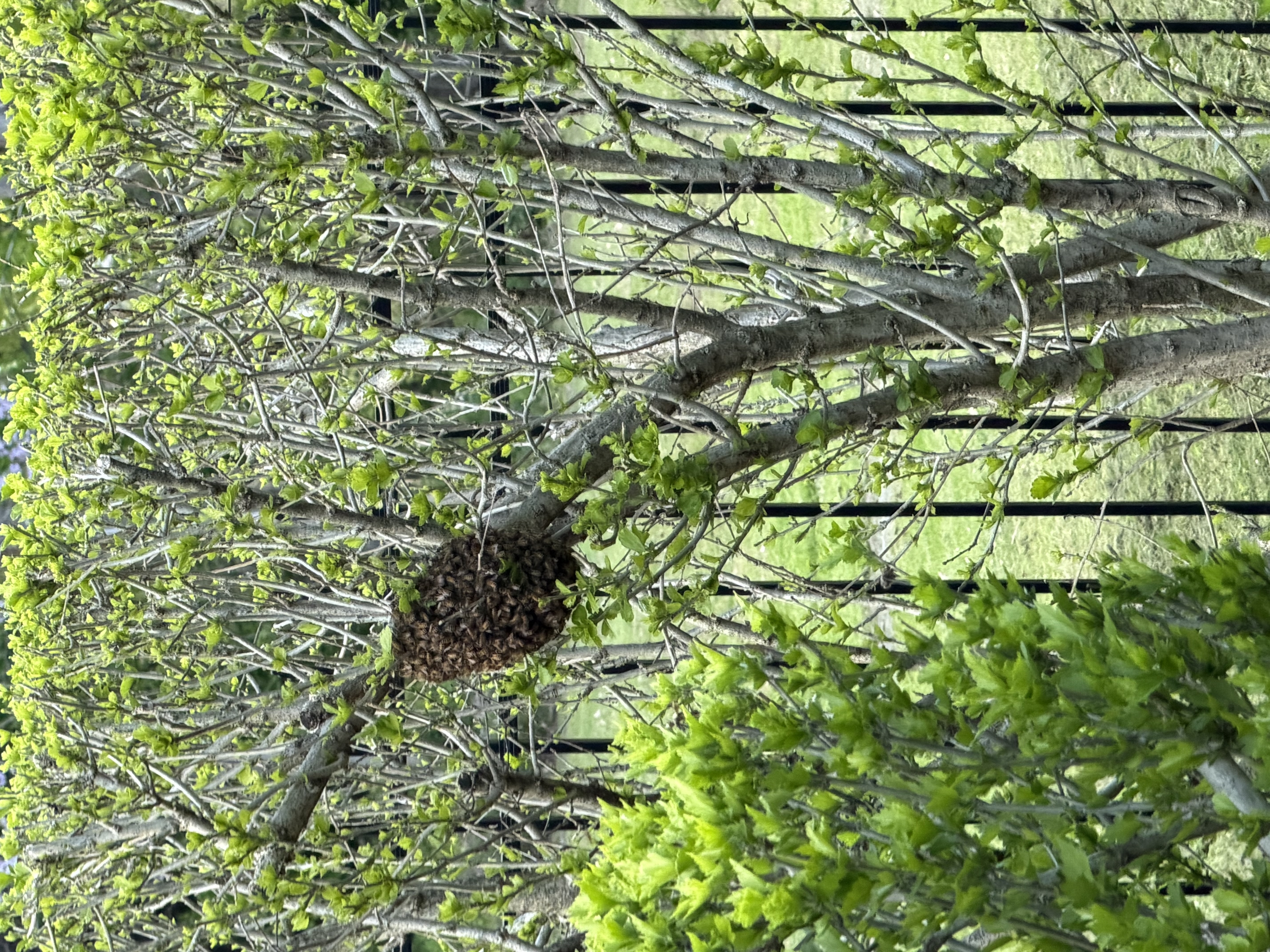
A swarm is a temporary cluster of bees. It consists of a queen and thousands of worker bees that have left their original hive to find a new home. They often rest on a tree limb, a fence, or the side of a building for a few hours to a few days while scout bees search for a suitable permanent cavity. Bees in a swarm are typically docile because they have no home, brood, or honey stores to defend. Their primary focus is finding a new home. The collection of a swarm is what beekeepers are typically able to do for free; they want these bees to start new hives in their own apiaries.
An established hive or established colony is different. This is what happens when a swarm finds its new home and moves in. If bees have taken up residence inside a wall, a roof soffit, a shed, or a hollow tree, they are no longer a swarm. They have begun building wax comb, raising young (brood), and storing honey. These bees will be defensive of their established home. Removal of an established hive is not a simple collection; it is a specialized service that costs money.
The Reality of Paid Removals and Overly Defensive Bees
In Florida, the presence of overly defensive honey bees adds a layer of complexity to removals. Safely managing and removing a colony that has become established within a structure requires expertise, specialized equipment, and a significant amount of time.
This type of work is called a "cutout." It often involves:
- Structural Work: Carefully cutting into walls, floors, or roofs to access the colony.
- Specialized Equipment: Using thermal cameras to locate the hive, bee vacuums to safely contain the bees, and tools for deconstruction and repair.
- Labor-Intensive Removal: The beekeeper must remove all the bees, the wax comb, and the honey. Leaving comb behind can attract pests and cause structural damage from melting honey.
- Risk and Expertise: Working on ladders, with power tools, and around potentially defensive bees requires skill and insurance.
For these reasons, a cutout is a professional service for which beekeepers provide a quote. The price can range from a few hundred to over a thousand dollars, depending on the hive's location, size, and the extent of repairs needed. When a beekeeper responds to your report, they will first assess the situation. If it is a simple swarm, they will likely collect it at no charge. If it is an established hive requiring a cutout, they will explain the process and provide a fair quote for the work required. You have the option to accept or decline their service.
Why Your Report Matters
By reporting a honey bee swarm, you are doing more than just addressing a potential concern on your property. Your single action sets off a chain of positive events.
- You Protect Honey Bees: A reported swarm is a rescued swarm. Instead of potentially being exterminated or failing to find a suitable home, the bees are given a managed hive where they can thrive and continue their essential work of pollination.
- You Support Local Beekeepers: Swarms are a valuable resource for beekeepers. They use these bees to strengthen their apiaries, replace winter losses, and contribute to local agriculture.
- You Contribute to Community Safety: Connecting with a knowledgeable beekeeper ensures that the bees are handled safely and professionally, preventing risks to the public.
If you see a honey bee swarm in Miami, Orlando, Tampa, or anywhere across the state, you can be a vital part of the solution. Help protect honey bees and support your local beekeeping community by reporting it. Report your bee swarm observation here: https://beeswarmed.org/report-bee-colony (opens in a new tab).