First and foremost, thank you. By reporting a honey bee swarm in Connecticut, you’ve taken a crucial step in protecting these vital pollinators and supporting your local community. Whether you're in Hartford, New Haven, or Bridgeport, your action connects a vulnerable honey bee colony with a local beekeeper who can give them a safe, managed home. But what exactly happens after you click 'submit'? This guide will walk you through the process.
Step 1: Check Your Email for Confirmation
Immediately after you submit your report, the Swarmed system sends an automated confirmation to the email address you provided. This email is your receipt and contains important information:
- A summary of your report: It will include the details you entered, such as the location and description of the swarm.
- A unique report ID: This helps us track your specific case if you need to contact us.
- A direct link to your report page: You can use this link to check the status or add updates if needed.
If you don't see the email within a few minutes, please check your spam or junk folder. This confirmation is the first sign that your alert has successfully entered our network.
Step 2: Your Report is Dispatched to Local Beekeepers
Your report instantly triggers an alert to registered beekeepers in your specific area of Connecticut. Our network is composed of experienced, volunteer beekeepers who are prepared to rescue honey bee swarms. When they receive the notification, they can see the location and details you provided. This allows the nearest available beekeeper to claim the swarm and prepare for the rescue.
Step 3: A Beekeeper Will Contact You
Once a beekeeper claims your swarm report, they will typically contact you directly using the phone number you provided. This is the most important part of the process. They will likely ask a few clarifying questions to prepare for the rescue, such as:
- How high off the ground is the swarm?
- Has the swarm moved since you reported it?
- Are there any access issues to the property?
Response times can vary depending on the time of day, the swarm's location, and beekeeper availability. While many swarms are responded to within hours, it’s helpful to understand that the bees are generally safe and docile while they wait. A swarm is a natural part of the honey bee life cycle and is not typically aggressive unless provoked. They will often move on by themselves within 24 to 72 hours if a new home is found.
A Critical Distinction: Free Swarm Rescue vs. Paid Hive Removal
One of the most common points of confusion is the difference between a swarm and an established hive. Understanding this difference helps set the right expectations for what happens after reporting bees in Hartford or anywhere else in the state. The service required for each is very different, as is the cost.
Honey Bee Swarm (Typically a Free Service)
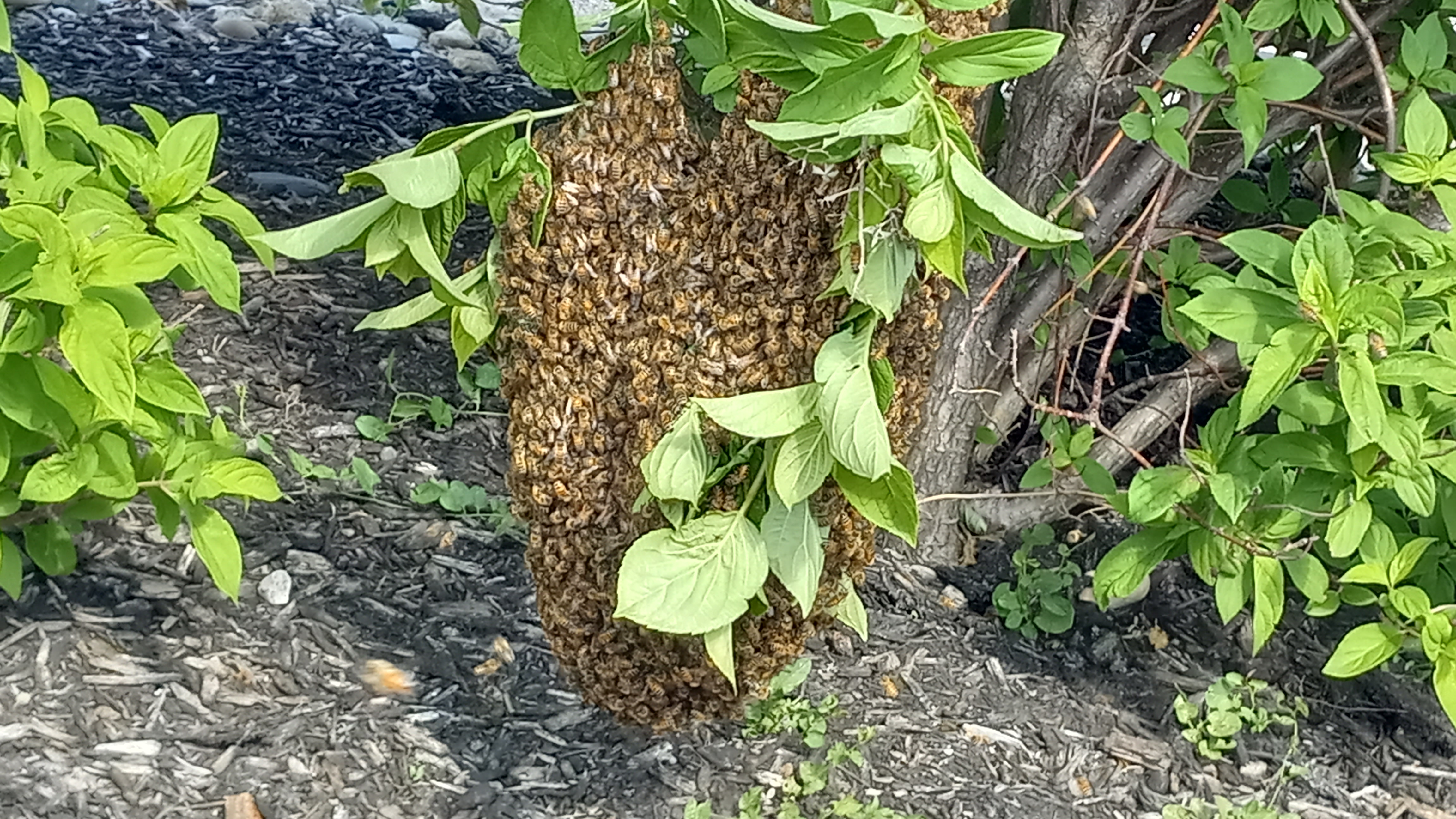
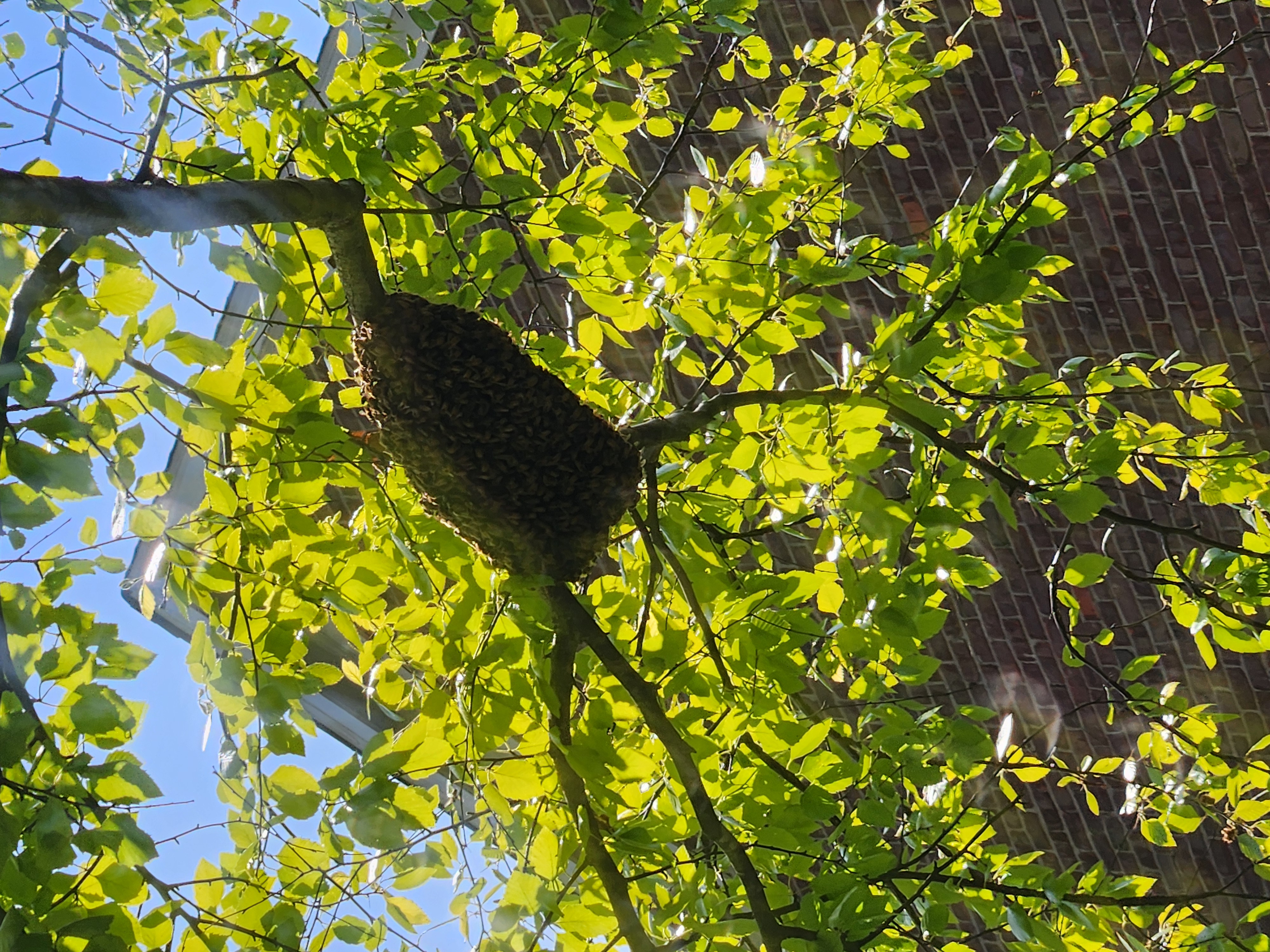
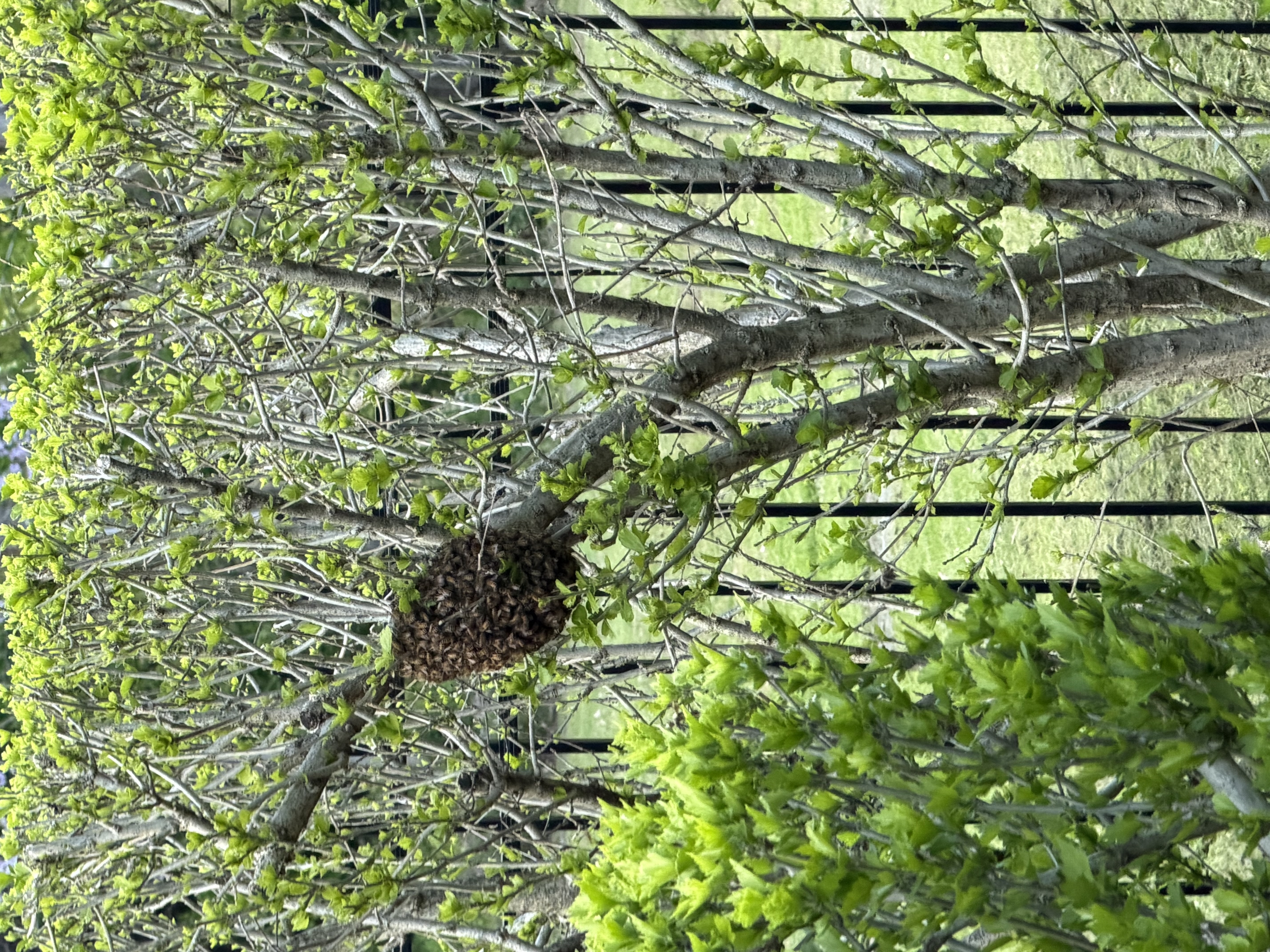
A honey bee swarm is a large, temporary cluster of bees hanging from a tree branch, fence post, or the side of a building.
- Appearance: A swirling ball of thousands of bees with no visible comb structure.
- Behavior: The bees are in a transient state. They have left their old hive with a queen and are looking for a new permanent home. Because they are engorged with honey for the journey and have no home or brood to defend, they are remarkably docile.
- Rescue: A beekeeper can often rescue a swarm relatively easily, sometimes in less than an hour, by gently encouraging the bees into a collection box. Because beekeepers want these healthy, robust bees for their own apiaries, swarm rescue is almost always a free service offered by the beekeeping community.
Established Hive or Colony (A Paid Service)
An established hive is different. This occurs when a swarm has already found its new home and moved *inside* a structure. This could be within the walls of a house, a chimney, a shed, or a hollow tree on your property.
- Appearance: You will see bees flying in and out of a specific opening or crack in a structure. You will not see a large, external cluster of bees. Inside the structure, they have begun building wax comb to raise their young and store honey.
- Behavior: These bees are no longer transient; they are defensive. They will protect their established home, their queen, and their young (brood).
- Removal: Removing an established colony is a complex, labor-intensive process called a "cutout." It requires carpentry skills and specialized equipment to open the structure, carefully remove the comb and bees, and then perform necessary repairs. This work can take many hours. Therefore, an established hive removal is a professional, paid service. The beekeeper will provide you with a fair quote based on the complexity, location, and time required, which you can then choose to accept or decline.
What to Do While You Wait
While you wait for a beekeeper to make contact, the best thing you can do is give the bees their space.
- Maintain a safe distance: Keep at least 25 feet away from the swarm.
- Keep children and pets indoors or far away from the area.
- Do not disturb the bees: Do not spray them with water, insecticides, or throw objects at them. This will only agitate them.
- Take a photo from a distance: If you can do so safely, a picture can be very helpful for the responding beekeeper.
The Impact of Your Report
Your single action of reporting a bee swarm in Connecticut is part of a much larger conservation effort. Community reports are the foundation of honey bee rescue operations across the country. To give you a sense of scale, last season in Nevada, community members like you helped rescue over 102 swarms through similar alert systems. Each report helps preserve a colony that might otherwise not have survived and provides local beekeepers with healthy, genetically diverse bees to strengthen their apiaries. This, in turn, supports Connecticut's entire ecosystem through pollination.
By taking a moment to report a honey bee swarm, you play a vital role in protecting these essential pollinators. If you see another swarm or know someone who has, encourage them to submit a report. It's a simple, free action that provides immense value to the environment and your local community.
Help protect honey bees in Connecticut by reporting a swarm through our free alert system: Report a swarm on Swarmed (opens in a new tab).