Your Report is in Motion
Reporting a honey bee swarm is a significant and positive action for protecting pollinators in Colorado. Once you submit a report through the Swarmed platform, a system of notifications is immediately activated. You will receive an automated email confirming that your report has been received and is being dispatched to beekeepers in your area, whether you are in Denver, Boulder, Colorado Springs, or the surrounding communities.
This alert simultaneously goes out to a network of local, registered beekeepers whose specified travel range includes your location. This ensures that the nearest available expert is notified promptly and can prepare to assist.
Understanding Beekeeper Response Times
Beekeepers on the Swarmed network are passionate individuals dedicated to bee preservation. Many are volunteers with full-time jobs, families, and other commitments. While responses can often be very rapid—sometimes within the hour—patience is appreciated. A beekeeper will typically contact you via phone or text to ask a few clarifying questions before heading to your location. These questions help them confirm the situation and bring the right equipment.
Factors influencing response time include:
- Time of Day: Reports filed during standard business hours may receive a faster response.
- Beekeeper Availability: The number of available beekeepers in your immediate vicinity.
- Location Accessibility: Swarms in easily accessible locations are simpler to manage than those high in a tree or on complex structures.
The Critical Difference: Swarm vs. Established Hive
One of the most important factors a beekeeper will try to determine is whether you are dealing with a swarm or an established hive. The distinction is crucial because it dictates the method, complexity, and cost of the process.
Honey Bee Swarm
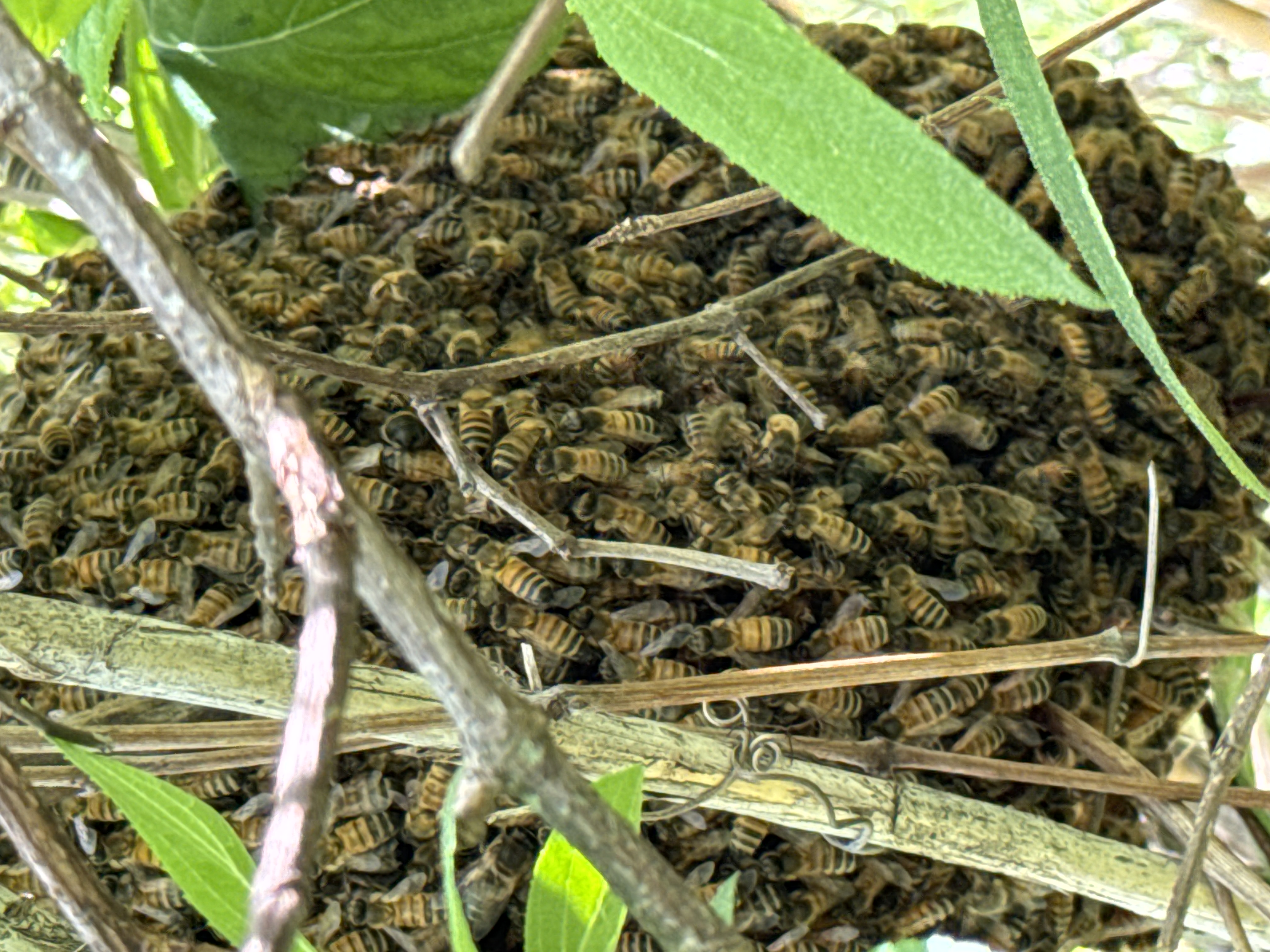
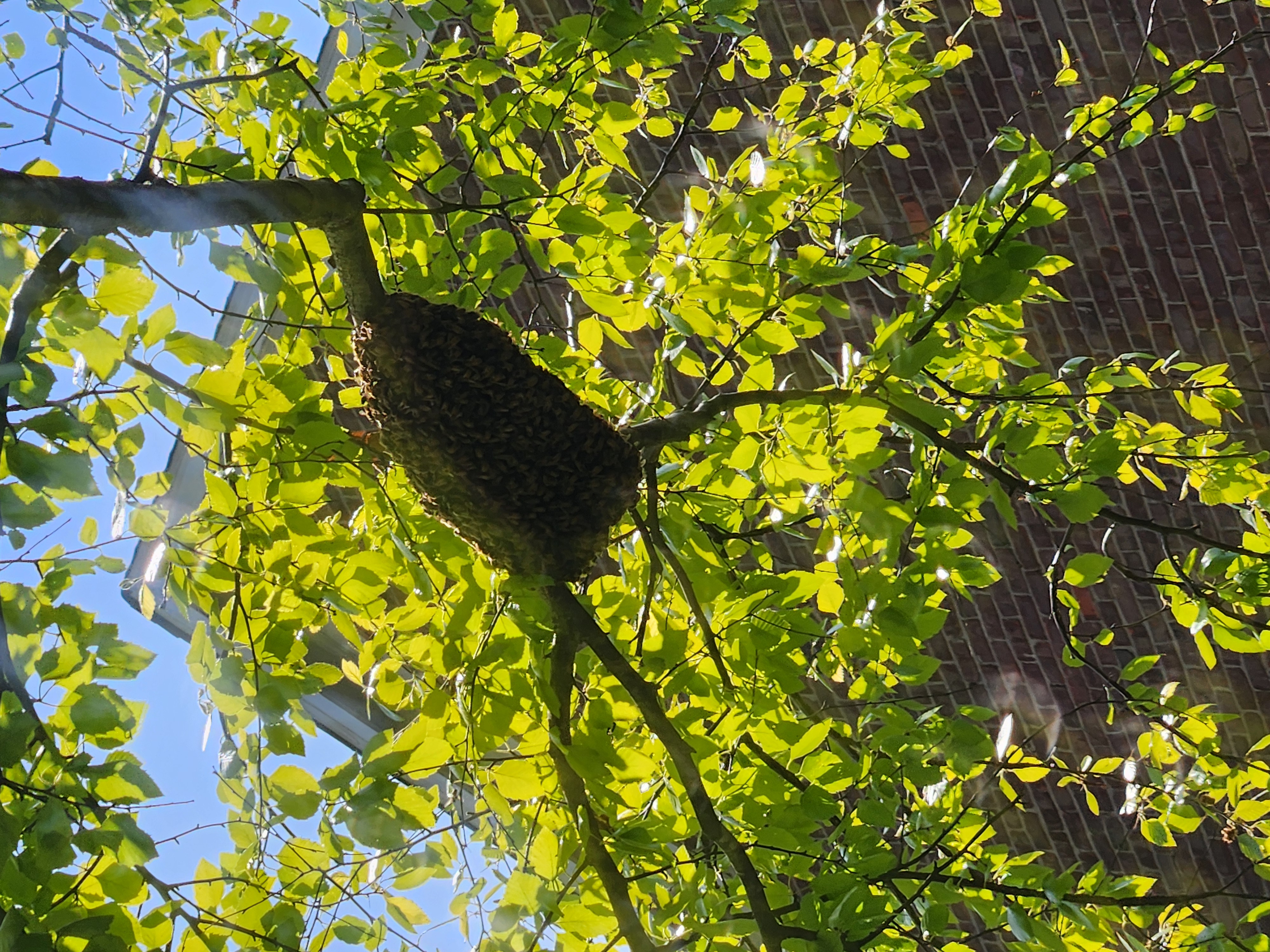
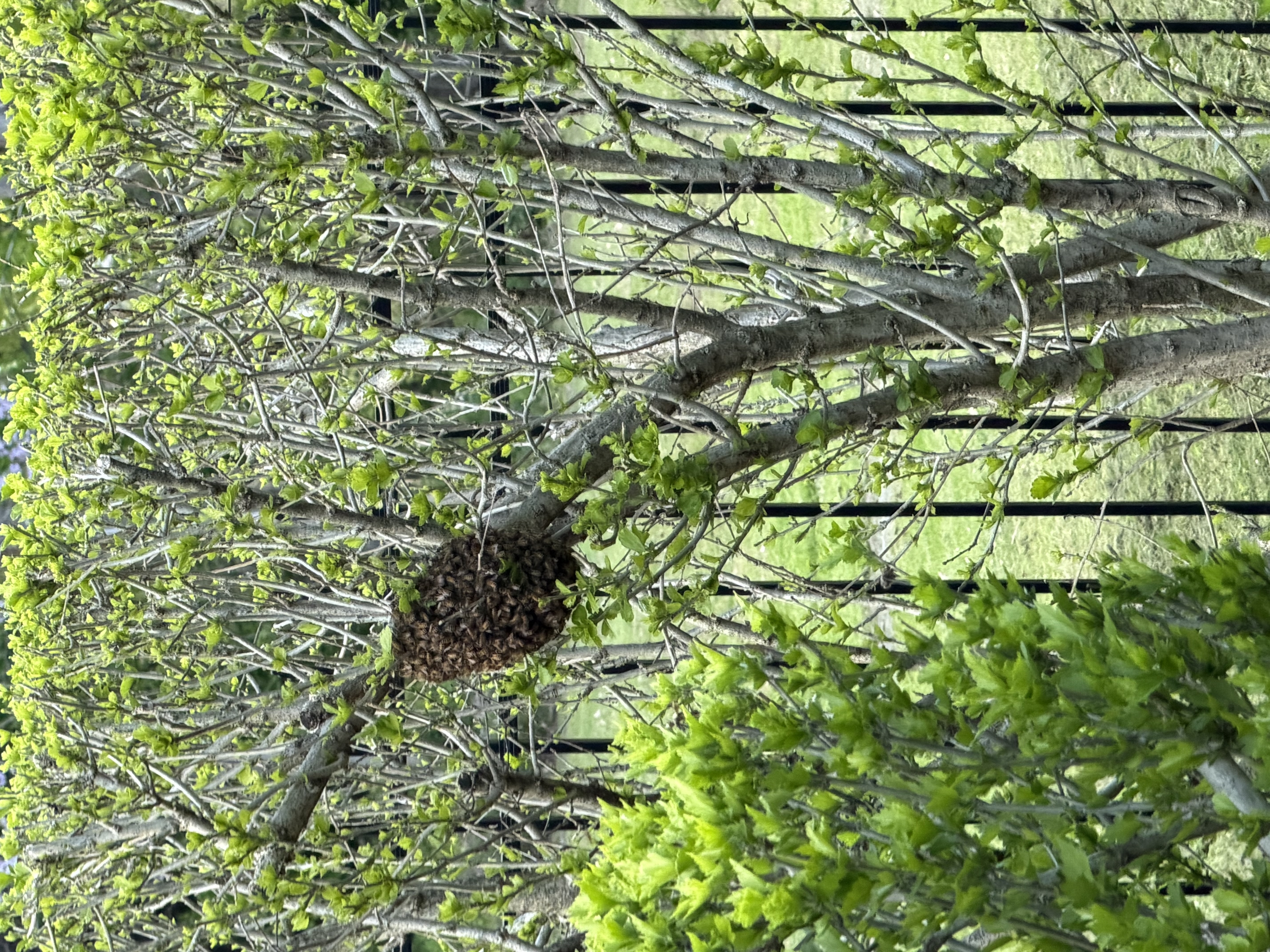
A swarm is a temporary, transient cluster of honey bees. It often looks like a buzzing ball of bees hanging from a tree branch, fence post, or the side of a building. This cluster consists of a queen and several thousand worker bees that have left their original hive to find a new home. Key characteristics include:
- Temporary: A swarm will typically only remain in one spot for 24 to 72 hours while scout bees search for a permanent residence.
- Docile: The bees are engorged with honey for their journey and have no brood or honeycomb to defend, making them remarkably docile.
- Rescue is Usually Free: Beekeepers are eager to rescue swarms. These bees provide valuable, healthy genetics for their apiaries. The process is straightforward, often involving gently shaking the cluster into a box.
Established Hive or Colony
An established hive (or established colony) is different. This occurs when bees have moved into a structure and begun building a home. They have created wax comb for storing honey and raising young (brood). You might find an established hive in a wall, roof, chimney, shed, or hollow tree. Key characteristics include:
- Permanent: The bees consider this structure their home and have no intention of leaving.
- Defensive: The bees will actively defend their home, brood, and food stores.
- Removal is a Paid Service: Removing an established colony is not a simple rescue; it is a specialized service called a "cutout."
Swarm Rescue vs. Structural Cutout: What to Expect for Cost
Understanding the service you need will clarify any potential costs. Swarmed connects you with beekeepers who can handle both situations, but the services themselves are fundamentally different. Swarm Rescue (Typically No Cost) A beekeeper arriving to rescue a swarm will likely use a special bee box or bucket. They will carefully place the container beneath the cluster and gently brush or shake the bees inside. Once the queen is in the box, the remaining bees will follow her scent, and the entire colony can be safely transported to a new, managed hive. Structural Cutout (A Quoted, Paid Service) If bees have built a hive inside your property's structure, the removal process is far more complex. A cutout requires a skilled technician, who is often also a carpenter or contractor. The process involves:
- Carefully cutting into the structure (e.g., drywall, siding, roofing) to access the colony.
- Methodically removing each piece of comb containing honey, pollen, and brood.
- Safely securing the bees and their comb for transport.
- Cleaning the cavity to remove all wax and honey, which prevents attracting pests or future swarms.
- Performing necessary repairs to the structure.
Because this is labor-intensive work requiring specialized skills and tools, it is a paid service. A beekeeper will provide a quote based on the hive's location, complexity, and the extent of repairs needed. Expect costs to range from $200 to $800 or more. You have the right to accept or decline this quote.
What You Can Do While You Wait
While waiting for a beekeeper to arrive, your primary role is to ensure safety.
- Maintain a Safe Distance: Keep children, pets, and curious onlookers away from the bees.
- Do Not Disturb Them: Avoid spraying the bees with water, insecticides, or anything else. Agitating them is unnecessary and can create a defensive situation.
- Take a Photo: If you can do so from a safe distance, a photograph can be extremely helpful for the responding beekeeper.
Your Report Strengthens Colorado's Pollinators
By reporting a swarm, you are doing more than just addressing a concern on your property. You are participating in a community-wide effort to protect vital pollinators and support local beekeepers. Every report helps provide a safe home for bees that might otherwise not survive. Your single report contributes to a wider effort. Across the country, our networks respond to thousands of alerts each season. In a neighboring state like Nevada, for instance, beekeepers on the network have responded to over 100 swarm reports, protecting vital pollinators and bolstering local apiaries.
By helping a local beekeeper rescue a colony, you are directly contributing to the health of Colorado's agriculture and ecosystems, which depend on honey bees for pollination.
If you see a honey bee swarm, you are equipped with the knowledge of what to do and what to expect. Taking a moment to report it is a simple act with a powerful, positive impact.
To report a honey bee swarm and connect with a local beekeeper, please visit the Swarmed reporting page: https://beeswarmed.org/report-bee-colony (opens in a new tab).