You've Spotted a Swarm. You've Reported It. Now What?
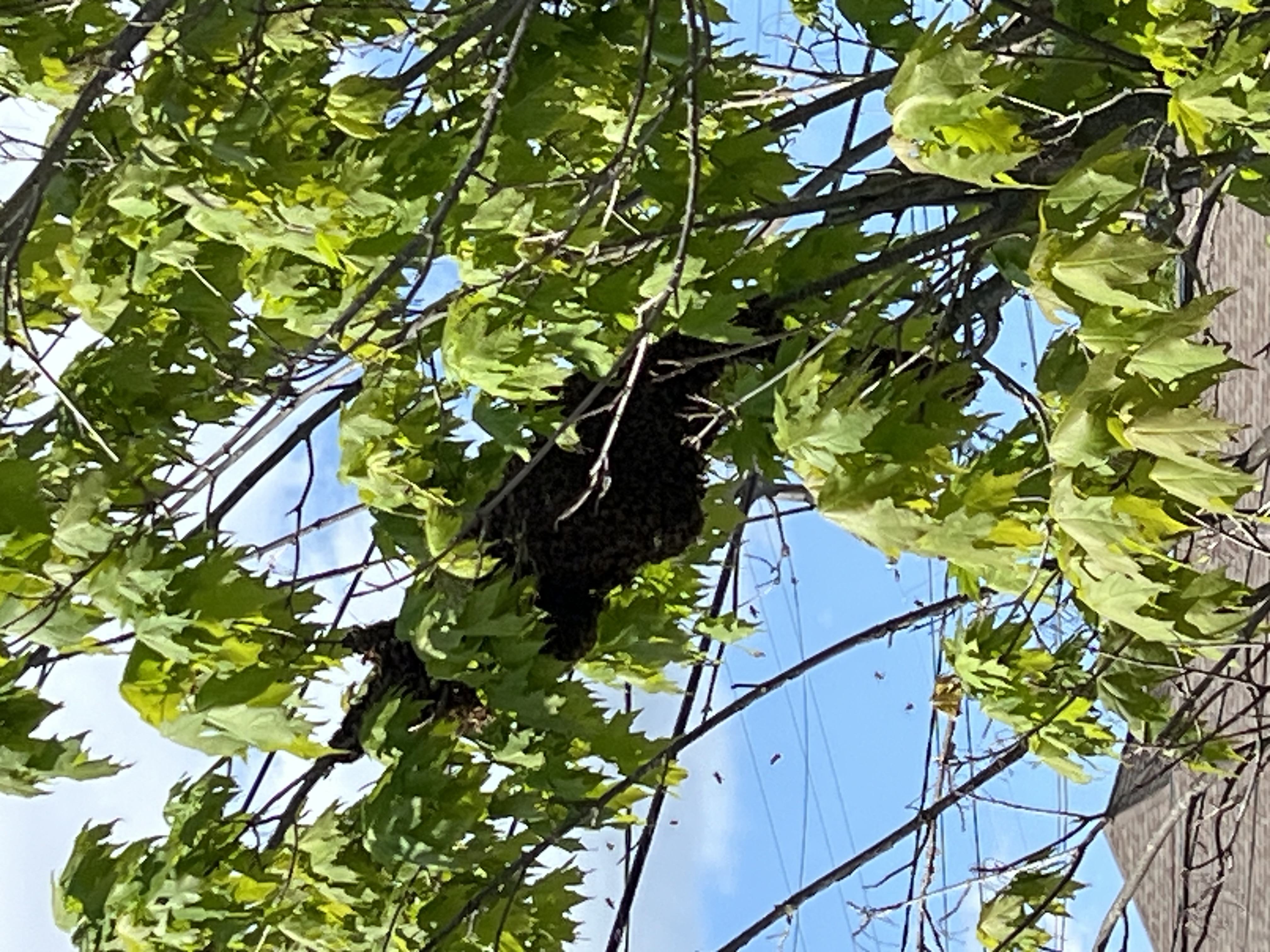
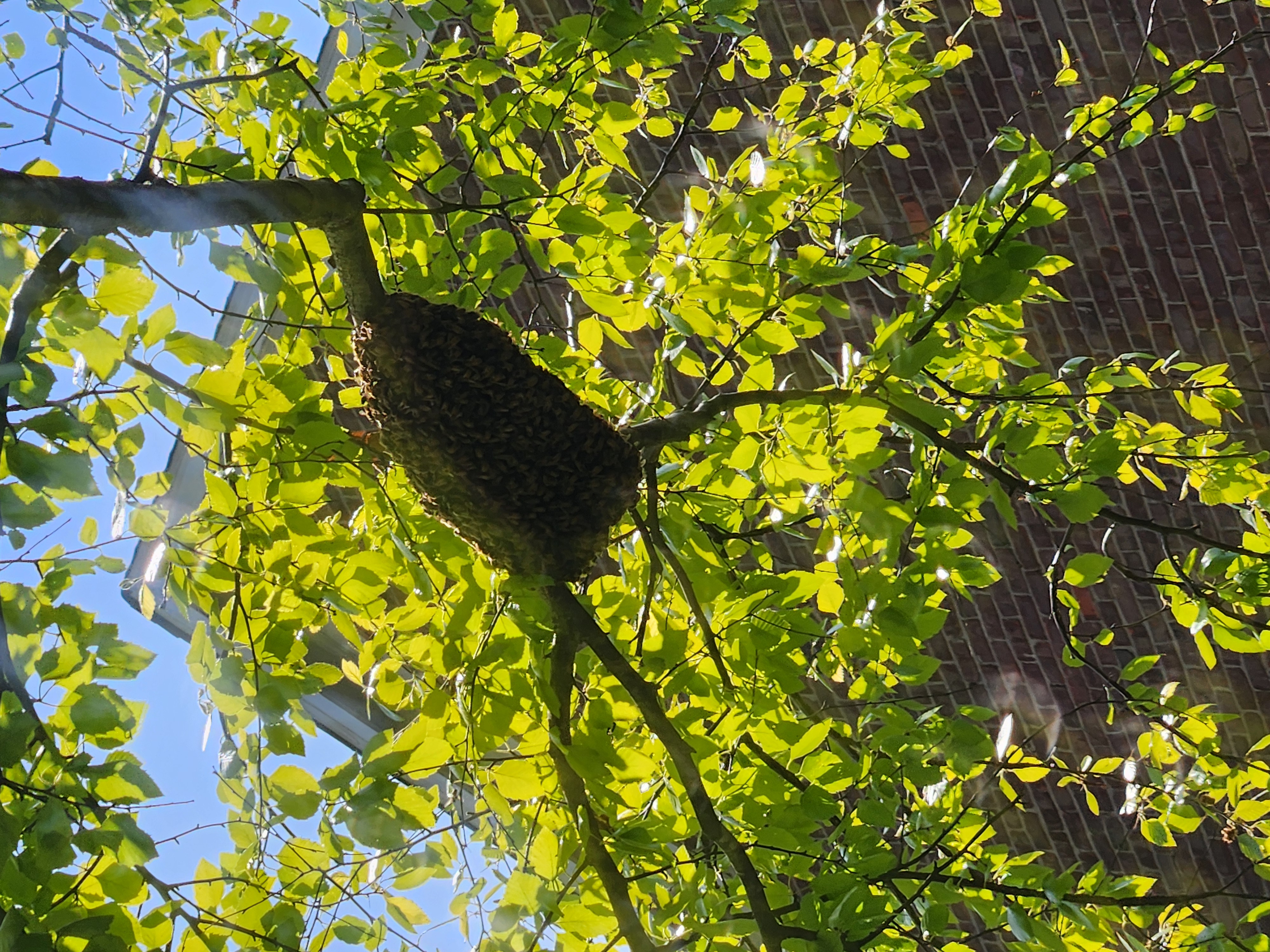
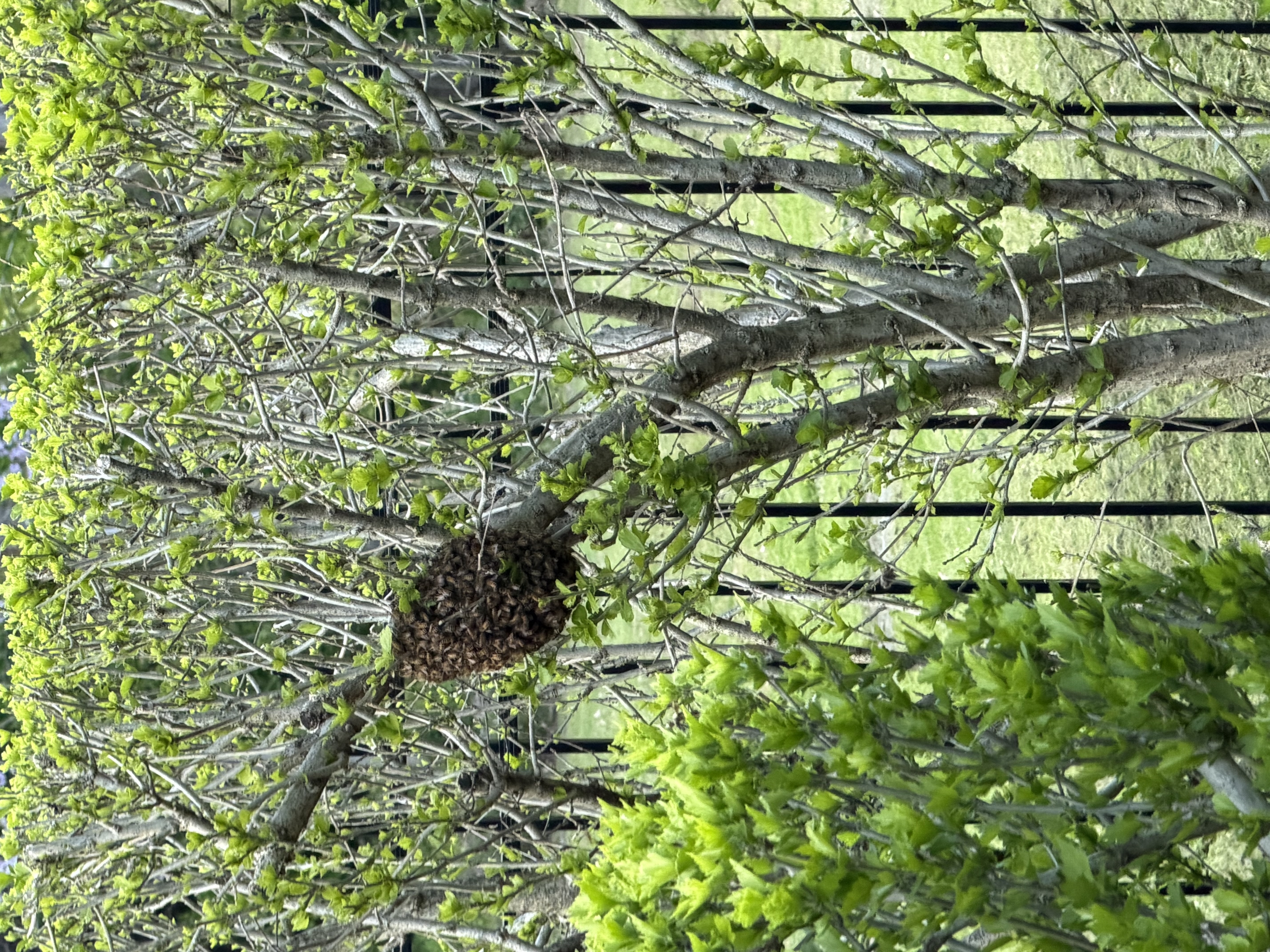
Seeing a large cluster of thousands of honey bees hanging from a tree branch or a fence post can be an impressive, and sometimes startling, sight. If you've taken the important step of reporting a bee swarm in California, you’ve already done a great service to your community and to these essential pollinators. But what exactly happens after you submit your report? This guide walks you through the next steps, from the initial alert to the safe relocation of the bees, with a special focus on what residents in Los Angeles, San Francisco, and San Diego can expect.
Your single action sets a community-based rescue mission in motion, connecting you with local beekeepers who are ready and willing to help.
The Digital Alert: Your Report in Action
Once you submit a report through the Swarmed network, our system immediately notifies registered beekeepers in your specific area. Whether you're in the bustling heart of Los Angeles or the rolling hills near San Francisco, the alert pinpoints the location and dispatches the information to the nearest available beekeepers. This isn't a passive system; it’s an active, real-time network designed for rapid response.
In California alone, our network has helped facilitate the rescue of over 1,982 swarms, connecting concerned residents with local experts. This shows the incredible impact of community reporting. A beekeeper will typically "claim" your report, signaling that they are on their way or will be in contact shortly to coordinate the rescue.
The Beekeeper's Call: Gathering Key Details
After a beekeeper claims your report, they will likely call or text you to gather a few more details. To help them prepare, be ready to answer a few simple questions:
- Where exactly are the bees? Are they on a public sidewalk tree or in your backyard? Are they high up or near the ground?
- How large is the cluster? Is it the size of a football or a basketball? This helps the beekeeper bring the right size equipment.
- How long have they been there? This helps determine if it's a transient swarm or if they're starting to consider the location a permanent home.
- Can you safely take a photo? A picture is invaluable, as it helps the beekeeper immediately distinguish between a simple swarm and a more complex situation.
This communication is key to a smooth and successful bee rescue. The beekeeper isn't just coming to get bees; they're coming to solve a problem safely for you, your neighbors, and the bees themselves.
The Critical Difference: Free Swarm Rescue vs. Paid Hive Removal
One of the most important things for California residents to understand is the difference between a bee swarm and an established bee hive. This distinction determines the type of response and whether there will be a cost involved.
Honey Bee Swarm: A Free Rescue
A swarm is a temporary, transient cluster of bees. It consists of a queen and a portion of the original colony that has left its old home to find a new one. When you see them balled up on a branch, they are essentially homeless and resting. In this state, bees are typically docile. They have filled up on honey before leaving their old hive and have no baby bees or honeycomb to defend.
Because they are easy to capture and are looking for a home, swarm removal is almost always a free service. Local beekeepers are happy to come and give these bees a new, safe place to live in their own apiaries. It’s a win-win: the beekeeper gets a new colony, and the bees are kept out of places where they might cause a problem later.
Established Hive: A Paid "Cutout" Service
If a swarm has been in one place for more than a few days, or if you see bees flying in and out of a hole in a wall, roof, or irrigation box, you likely have an established hive (or an established colony). These bees have decided this is their new permanent home and have begun building wax comb, laying eggs, and storing honey.
Removing an established colony is a much more complex and labor-intensive process called a "cutout." The bees will be defensive of their home, and the removal requires specialized skills and tools. A beekeeper may need to perform carpentry work, carefully cutting into the structure to remove all the comb, bees, and honey. This work is not free. A beekeeper providing a cutout service will provide you with a fair quote based on the complexity, location, and time required for the job. You can then choose to accept or decline the service.
Understanding this difference is crucial for setting expectations after reporting bees in Los Angeles or seeking swarm removal in San Francisco, where urban structures are common new homes for bees.
The California Context: Dealing with Defensive Bees
In many parts of California, particularly from San Diego northward into the Central Valley, the feral honey bee population has Africanized genetics. This can result in bees that are more defensive than their purely European counterparts, especially when they have an established hive to protect. This doesn't mean they are aggressive without cause, but they may react more quickly and in greater numbers to perceived threats.
This is a primary reason why you should never attempt to remove bees yourself or spray them with pesticides. A professional beekeeper understands bee behavior and has the proper protective equipment to handle any situation safely. Reporting the bees ensures an expert is called in to manage the removal correctly and humanely.
What to Expect on Rescue Day
For a straightforward swarm rescue, the process is often simple and fascinating to watch from a safe distance. The beekeeper will arrive with a bee suit, a smoker (to calm the bees), and a special box called a "nuc" or hive box.
They will typically place the box below the swarm and give the branch a firm shake, causing the majority of the bees to fall directly inside. The beekeeper will then ensure the queen is in the box, as the rest of the bees will follow her scent. The few remaining bees will march into their new home over the next hour or so. Once the bees are settled, the beekeeper will seal the box and take them to their new apiary.
Your Role in Protecting California's Honey Bees
By taking the time to report a bee swarm, you are playing a vital role in a statewide conservation effort. Instead of being exterminated, these honey bee colonies are given a chance to thrive under the care of a local beekeeper, where they can continue their essential work of pollinating the crops that make California an agricultural powerhouse.
Your report supports local beekeepers, protects your community, and saves honey bees. If you see a swarm, don't hesitate. You can be a hero for the bees by making a report and allowing a professional to handle the rescue. Report your sighting and help us protect California's pollinators by visiting https://beeswarmed.org/report-bee-colony (opens in a new tab).