
A Beekeeper's Guide to Swarm Season in California
California's Golden Opportunity: Harnessing the Spring Swarm For beekeepers across California, the arrival of spring signals more than just almond blossoms and wildflo...
Read More...May 18, 2026
Home > Blog > Reported a Bee Swarm in Arkansas? Here’s What Happens Next
May 12, 2026
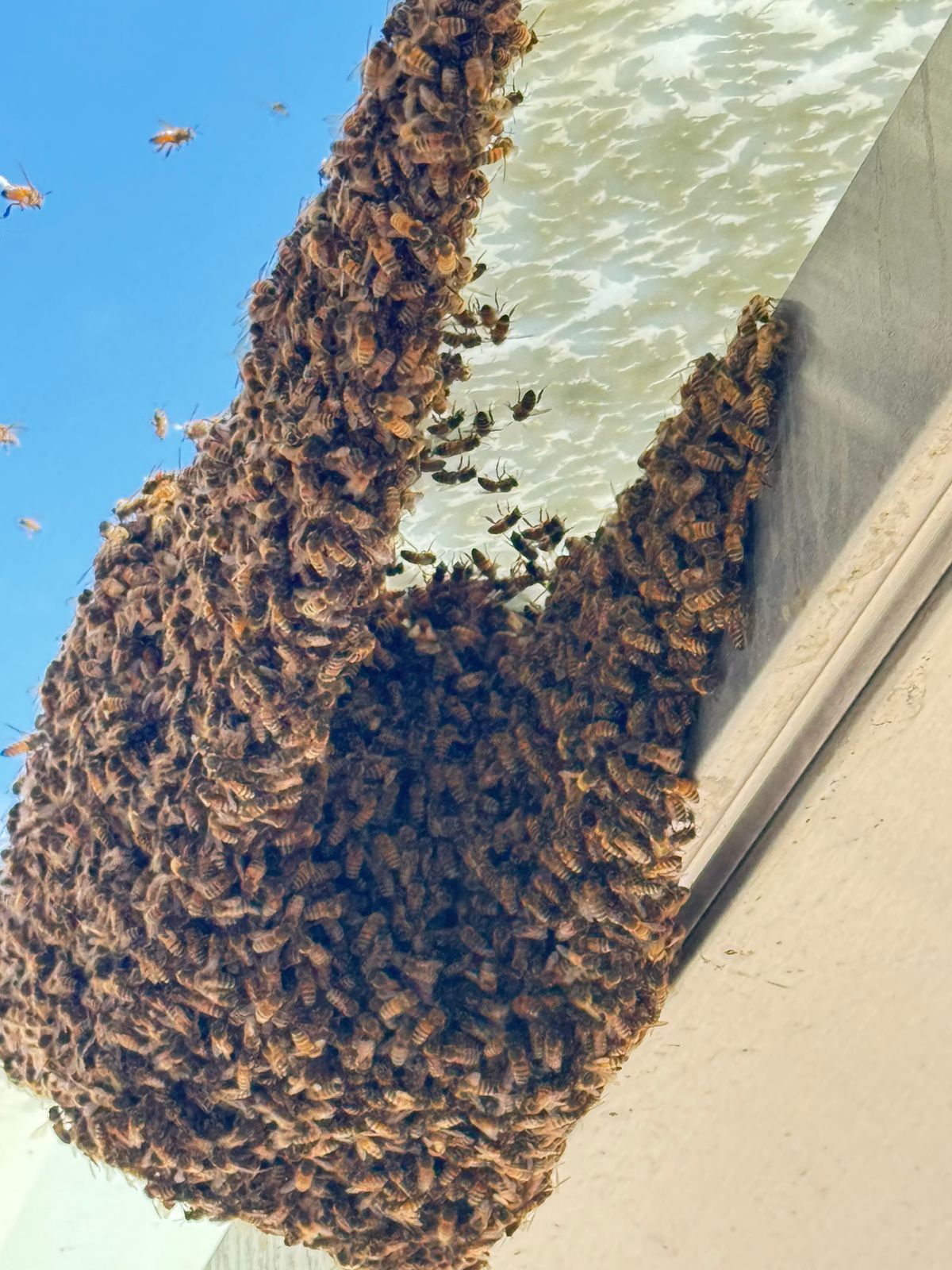
You’ve just seen a large cluster of honey bees hanging from a tree branch in your Little Rock backyard or on a fence post in Fayetteville, and you did the right thing: you reported it. Taking a moment to submit a report is a vital community service that helps protect honey bees and connects local beekeepers with swarms they can safely house. But what happens now? This guide walks you through the next steps, from the moment you click “submit” to the arrival of a beekeeper.
Immediately after you file a report on the Swarmed network, two things happen. First, you will receive an automated email confirming that your report has been received and is being processed. This lets you know your alert is active.
Second, our system instantly notifies registered beekeepers in your specific area—whether you're in Fort Smith, Jonesboro, or anywhere else in Arkansas. Beekeepers who have opted in for alerts in your zip code will see the location and details you provided. The first available beekeeper can then claim the report and get in touch with you.
Once a beekeeper claims your report, they will typically reach out to you directly by phone or text. Their goal is to gather a little more information to ensure a safe and successful rescue. They may ask questions like:
These questions help the beekeeper determine the equipment they need and confirm what they are dealing with. This leads to one of the most important distinctions in bee rescue: understanding the difference between a swarm and an established hive.
Understanding whether you have a swarm or an established hive is crucial, as it determines the complexity, time, and cost of the removal. The terms are not interchangeable.
A cutout is a paid service because it often requires carpentry skills, specialized equipment to access the bees inside a structure, and significant time to carefully remove the comb, bees, and queen. The beekeeper should provide a quote for the work.
As our network advises: "Swarm collection is normally free - beekeepers want these bees. However, if bees have established a hive in your wall or structure with built comb, removal requires specialized skills and carpentry work. Expect the beekeeper to provide a fair quote based on complexity and repairs needed. You can accept or reject."
While swarming bees are known for their docile nature, it’s important to remember they are still wild animals. It is always best to keep a safe distance and not disturb the cluster. Sometimes, a colony can be overly defensive, which can be due to its genetics or external agitations. A beekeeper may assess the colony’s temperament upon arrival. In the case of a particularly aggressive established hive, this can add complexity and potentially affect the cost of a cutout service, as additional safety measures may be required.
Peak swarm season in Arkansas is a critical time for honey bees. By reporting a swarm, you are doing more than just solving a problem in your yard; you are actively participating in honey bee conservation. Your single report gives a colony a chance to survive and thrive under the care of a local beekeeper who can provide a safe, managed apiary for them.
The collective impact is significant. In other regions, community reports through platforms like Swarmed have led to the rescue of over 102 swarms in a single season, a testament to the power of public involvement. Each report in Arkansas contributes to the health of local pollinator populations, which are essential for the state’s agriculture and ecosystems.
By helping local beekeepers, you strengthen the community of stewards who care for these vital insects. It's a simple action with a powerful, positive ripple effect.
Thank you for being a friend to honey bees. The next time you see a swarm, you’ll know exactly what to do and what to expect. We encourage you to share this information with friends and neighbors across Arkansas. By working together, we can ensure that honey bees are protected. If you see another swarm or need to report one for the first time, please help the bees and your community. Report swarms at Swarmed (opens in a new tab) to connect with a local beekeeper.
California's Golden Opportunity: Harnessing the Spring Swarm For beekeepers across California, the arrival of spring signals more than just almond blossoms and wildflo...
Read More...May 18, 2026
A Beekeeper's Guide to Swarm Collection in Idaho Spring has arrived in the Gem State, and with it, the unmistakable hum of honey bee swarms. For beekeepers, this is a...
Read More...May 18, 2026