
A Beekeeper's Guide to Swarm Season in California
California's Golden Opportunity: Harnessing the Spring Swarm For beekeepers across California, the arrival of spring signals more than just almond blossoms and wildflo...
Read More...May 18, 2026
Home > Blog > Reported a Bee Swarm in PA? Here’s What Happens Next
May 12, 2026
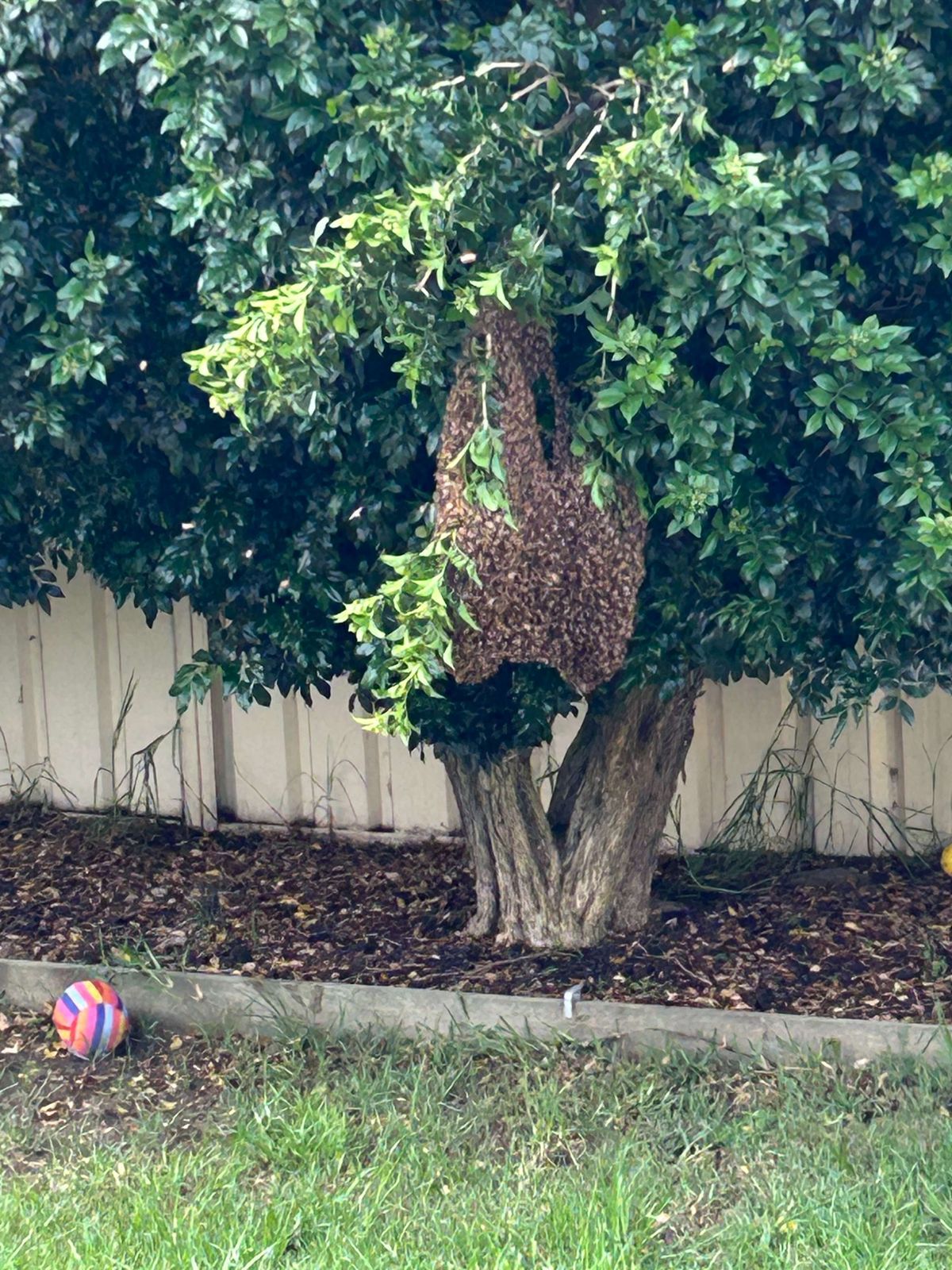
Seeing a large, swirling cluster of thousands of honey bees can be an unforgettable sight. Whether it’s clinging to a tree branch in a Philadelphia park, resting on a fence post in a Pittsburgh suburb, or gathered on a mailbox in Harrisburg, your first instinct might be uncertainty. The good news is that by searching for information, you’re already on the right track to helping these essential pollinators and your community.
When you report a honey bee swarm, you initiate a fascinating process that connects you with a local Pennsylvania beekeeper who is eager to give these bees a safe new home. This guide explains exactly what you can expect after you take that important first step.
Once you submit a report through the Swarmed platform, our system immediately gets to work. Using the location you provide, it sends out an alert to registered beekeepers in your vicinity. Pennsylvania has a robust network of over 250 beekeepers ready to respond to these calls.
Simultaneously, you will receive a confirmation email. This email serves two purposes:
This automated system is part of a national effort that helps manage over 100,000 swarm alerts each season, ensuring that as many honey bee colonies as possible are safely rescued.
How quickly will a beekeeper arrive? Response times can vary. A nearby beekeeper who is available might contact you within minutes. In other cases, it could take a few hours. Remember, most beekeepers on the network are dedicated volunteers with day jobs, families, and their own apiaries to manage. They respond as quickly as their schedules allow.
Typically, the first beekeeper to claim the swarm will call or text you directly. They will likely ask a few clarifying questions:
This communication ensures they come prepared and can find the swarm easily. According to Sarah McKinley, Director of Beekeeper Relations at Swarmed, "The connection between the public and our local beekeepers is the core of our mission. Each report is a community success story, a moment where someone chose to help protect pollinators, and a beekeeper got the chance to safely rehome a colony."
Understanding the state of the bees is crucial for setting expectations, especially regarding cost. The service you need depends on whether you have a swarm or an established hive.
Cutouts are a paid service. This work requires specialized skills, tools, and often involves carpentry to open and repair the structure. The beekeeper who responds to your report will assess the situation and provide you with a fair quote for the removal. You are free to accept or reject this quote.
By reporting through Swarmed, you are connected to an expert who can handle both situations, but it's important to know that free removal only applies to the exposed, temporary swarms.
By reporting a swarm, you are doing more than just solving a problem in your backyard. You are actively participating in the preservation of honey bees. The beekeeping community in Pennsylvania plays a vital role in agriculture and biodiversity, and your report directly supports their efforts.
While Pennsylvania's network is thriving, its potential is vast. In states with more established networks like Nevada, beekeepers successfully rescued over 100 swarms last season through the platform. Every report in the Keystone State helps build a similarly powerful and effective community resource.
For those curious about what happens after the bees are collected, beekeepers use many simple but effective techniques to care for a new colony. For example, a common trick to ensure a new hive has proper airflow during warm weather is to place a penny between an upper hive box and the inner cover. This creates a tiny gap, providing just the right amount of ventilation to help the colony thrive.
You've learned what happens behind the scenes when you report a swarm: an alert goes out, a local beekeeper is dispatched, and a colony of honey bees gets a second chance. This simple act protects pollinators, supports local agriculture, and connects you with the passionate beekeeping community in Pennsylvania.
If you see a honey bee swarm, don't hesitate. You can help save a colony by reporting it to a local beekeeper through our free alert network. Please report the swarm here (opens in a new tab) and help protect Pennsylvania's honey bees.
California's Golden Opportunity: Harnessing the Spring Swarm For beekeepers across California, the arrival of spring signals more than just almond blossoms and wildflo...
Read More...May 18, 2026
A Beekeeper's Guide to Swarm Collection in Idaho Spring has arrived in the Gem State, and with it, the unmistakable hum of honey bee swarms. For beekeepers, this is a...
Read More...May 18, 2026