Seeing a Honey Bee Swarm in the Bluegrass State
Across Kentucky, from the bustling neighborhoods of Louisville and Lexington to the rolling hills around Bowling Green, the arrival of spring brings with it a remarkable natural phenomenon: honey bee swarming. Seeing a large, buzzing cluster of thousands of bees hanging from a tree branch or clinging to a fence post can be an intimidating sight. However, this is not a sign of aggression; it's a sign of a healthy, growing honey bee population. By reporting a swarm, you are taking the first step in a crucial process that protects these vital pollinators and supports your local beekeeping community.
But what actually happens after you submit a report? Understanding the process can demystify the experience and highlight the positive role you play. This guide explains every step, from the moment you click 'submit' to the safe arrival of a local Kentucky beekeeper.
The Moment You Click 'Submit': The Digital Alert
When you fill out the swarm report form on the Swarmed network, your information doesn't disappear into a void. It instantly triggers a sophisticated alert system designed for rapid response. Here’s how it works:
- Instant Notification: An email and/or text message alert is immediately dispatched to a network of registered beekeepers whose service areas include your location in Kentucky.
- Key Information Delivered: The alert provides the beekeeper with all the essential details they need to assess the situation: the address you provided, your contact information, a description of the swarm's location (e.g., "on a low branch of an oak tree in the front yard"), and, most importantly, any photo you uploaded. A clear photo is incredibly valuable, as it helps the beekeeper quickly confirm that it is a honey bee swarm and not a wasp nest, and allows them to prepare the right equipment.
- A Volunteer Network Springs into Action: It's important to remember that the Swarmed network is composed of local, often hobbyist, beekeepers who volunteer their time. They are passionate about honey bees and are eager to help rescue swarms. Their response is a community service driven by a desire to help these fascinating insects thrive.
The Beekeeper Response: How Soon Will They Arrive?
Once the alert goes out, the first available beekeeper in your area will claim the report. They will typically contact you directly by phone or text to confirm the bees are still there and to get any final directions. Response times can vary. Many beekeepers have full-time jobs and other commitments, so their arrival might depend on the time of day you report the swarm. However, everyone involved understands that swarms are temporary.
A swarm will usually only remain in one location for 24 to 72 hours while scout bees search for a suitable permanent home. This time-sensitive window is why reporting a swarm as soon as you see it is so important. The beekeeper will do their best to get there quickly before the bees decide to move on, potentially to a less-than-ideal location like the wall of a house.
Is It a Swarm or an Established Hive? The Critical Difference
This is the most important distinction for any property owner to understand, as it determines the complexity, cost, and method of removal. When the beekeeper communicates with you, they will be trying to determine exactly what kind of situation you have.
Honey Bee Swarm: A Free Rescue
A swarm is a transient cluster of bees. The old queen has left her original hive with about half of the worker bees to start a new colony. They are essentially homeless and are resting while scouts search for a new place to live. Key characteristics include:
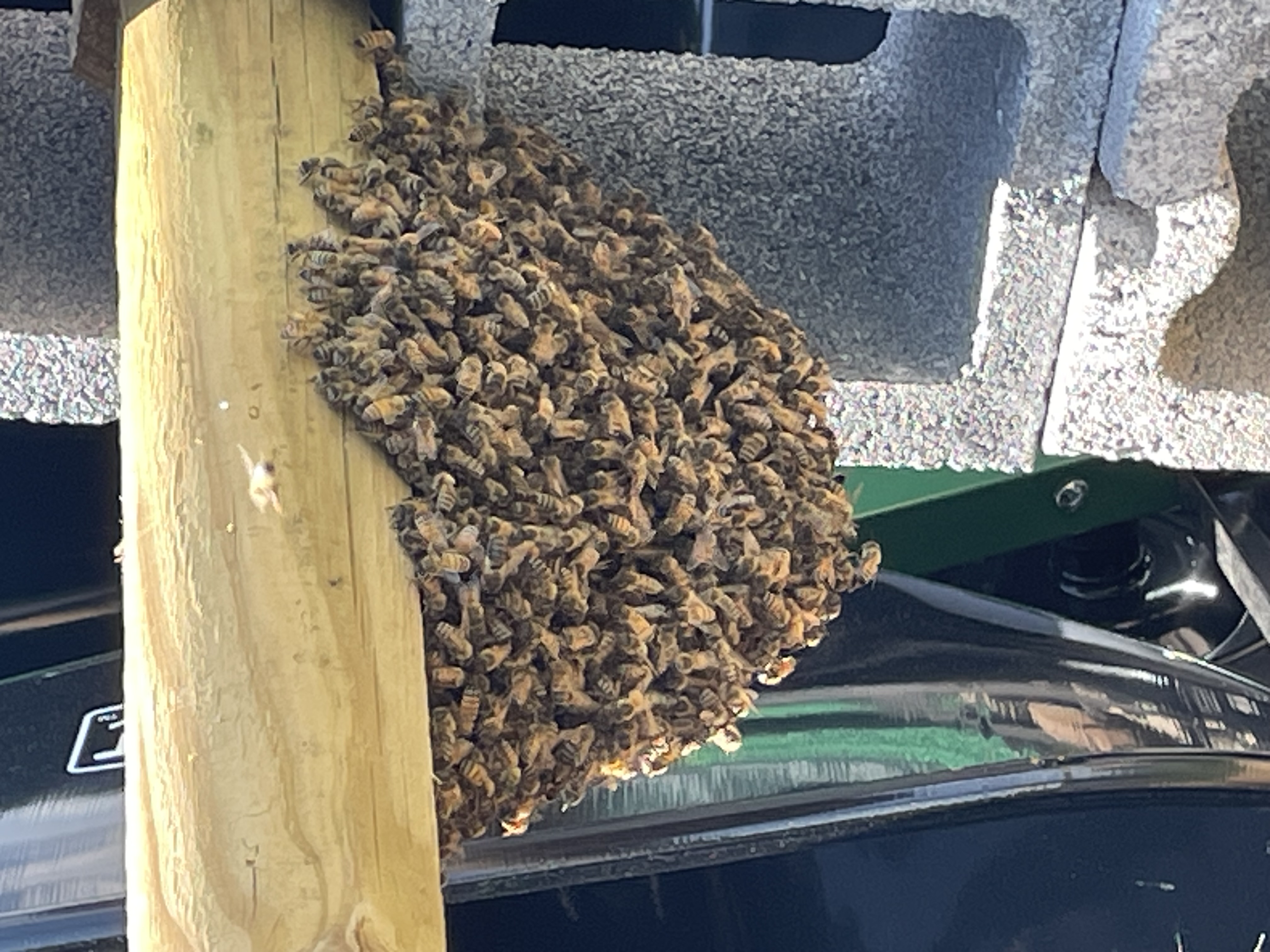
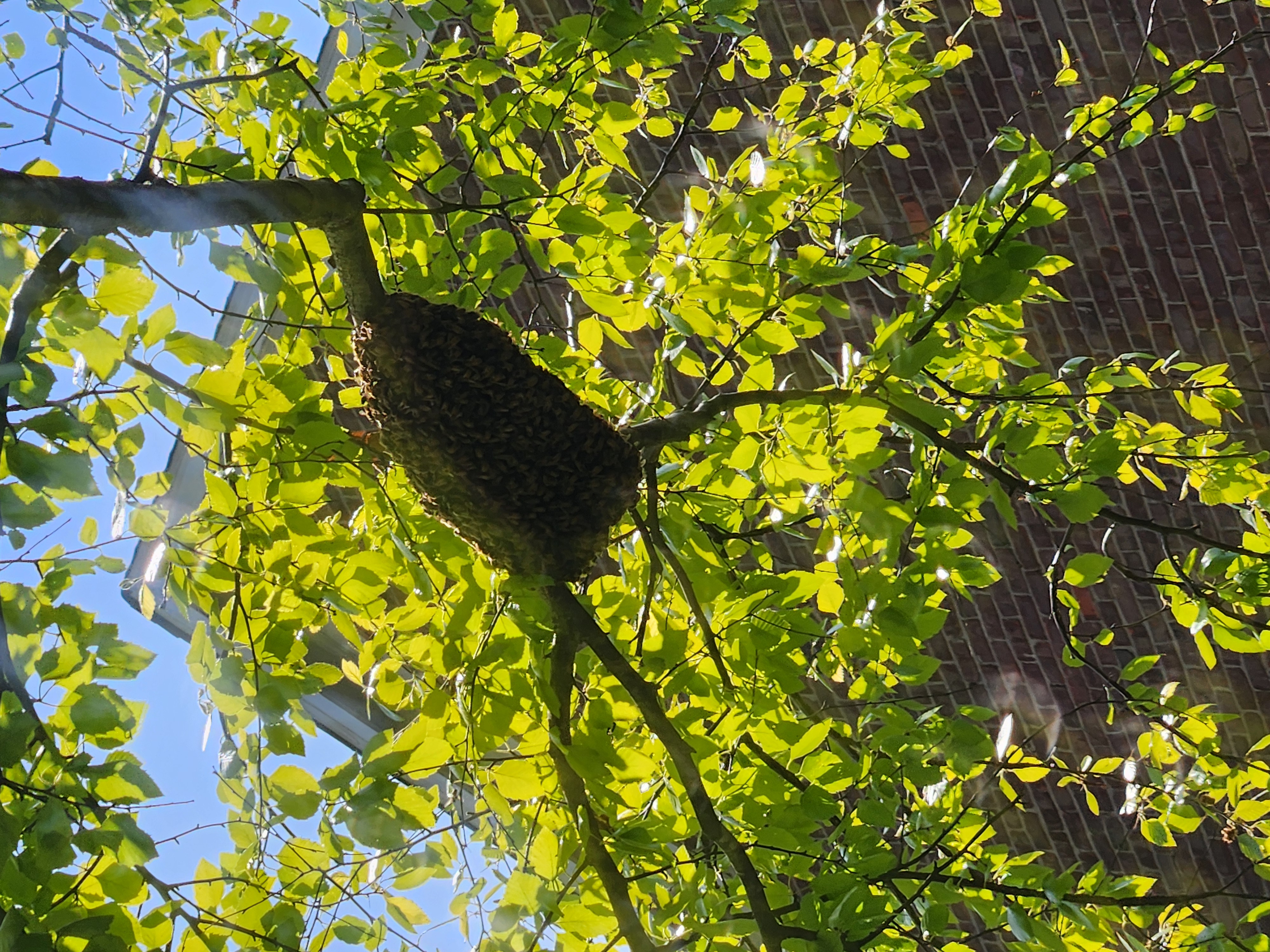
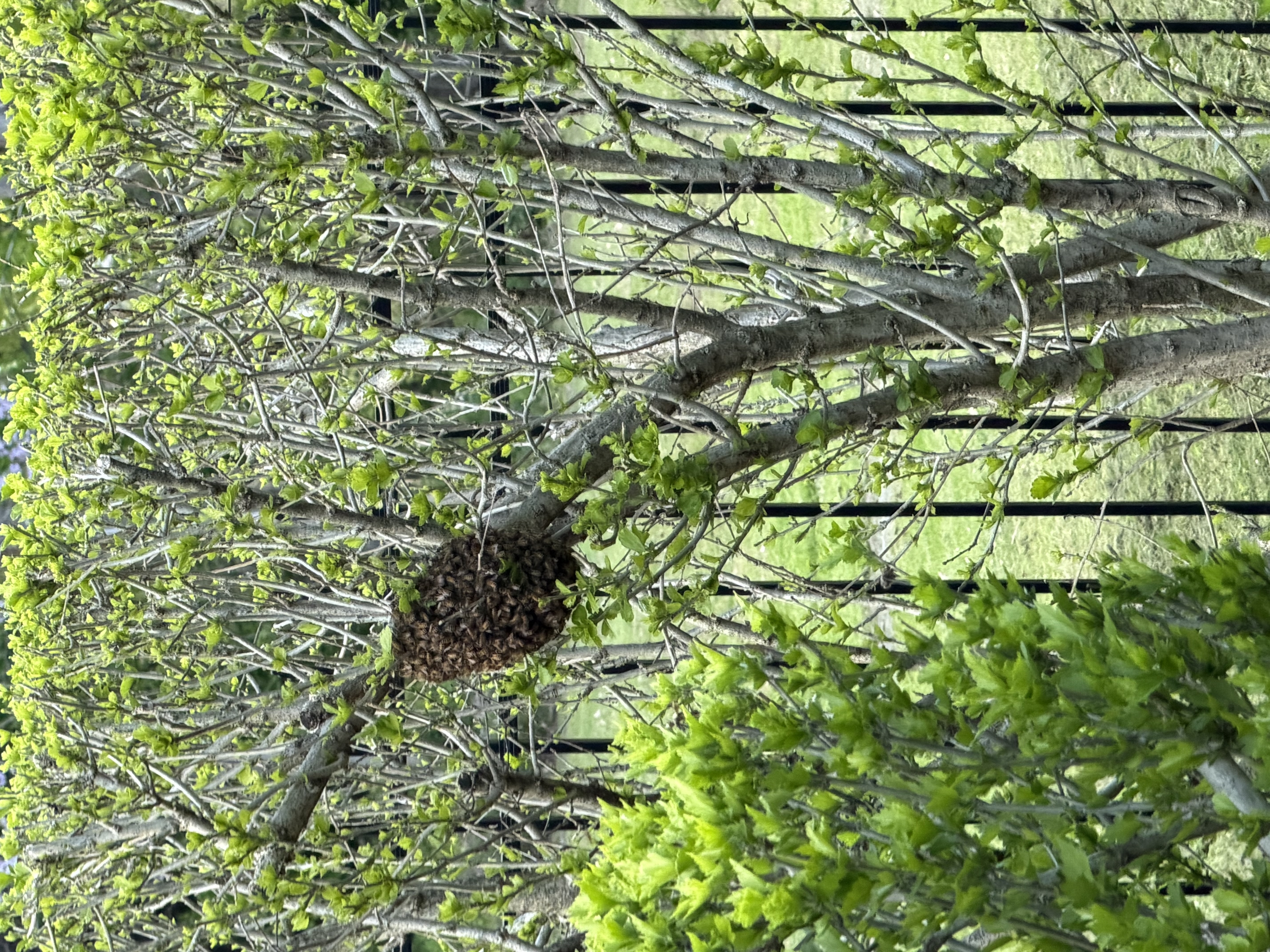
- Appearance: A hanging or balled-up cluster of bees on an exposed surface like a branch, fence, or mailbox.
- Behavior: The bees are surprisingly docile. Before leaving their old hive, they gorged on honey, making them full, content, and less inclined to sting. They have no home, no baby bees (brood), and no honey stores to defend.
- Removal: A swarm collection is a straightforward process for a beekeeper. It is normally a free service. Beekeepers are happy to collect swarms because they represent a healthy, established queen and a ready-made workforce for a new hive in their apiary.
Established Hive: A Paid Removal Service (Cutout)
An established hive or established colony is what happens after a swarm finds a permanent home. If the bees have moved into a structure—such as inside a wall, a chimney, an attic, or a hollow tree—they are no longer a swarm. Key characteristics include:
- Location: They are inside a cavity and have begun building wax comb.
- Behavior: These bees will be defensive. They have a home, brood, and resources to protect, making them more likely to sting if they feel threatened.
- Removal: Removing an established colony is a complex job called a cutout. It often requires carpentry skills and specialized equipment to open the structure, carefully remove the bees and comb, and then repair the access point. This is labor-intensive work, and beekeepers will provide a quote for this service. Expect a fair price based on the complexity, location, and time required. The Swarmed network connects you with experts, but the financial agreement for a cutout is between you and the beekeeper.
What to Expect During a Swarm Rescue
If you have a true swarm, the rescue is a fascinating and calm process. The beekeeper will arrive with a special box (a "nuc" box or a full-sized hive box), a bee brush, a veil for protection, and perhaps a ladder. The goal is to get the queen into the box, as the rest of the bees will follow her.
The beekeeper might give the branch a firm shake, causing the cluster of bees to fall directly into the open box. Alternatively, they may gently brush the bees off the surface and into the container. Once the queen is inside, the remaining bees will begin to march into the box, drawn by her pheromones. The beekeeper may leave the box on-site for a few hours to ensure all the scout bees have returned before sealing it up and taking it to its new home.
Your Role in Protecting Kentucky's Honey Bees
By taking a few minutes to report a swarm, you become an active participant in the conservation of honey bees. These pollinators are essential for Kentucky's agriculture, from backyard gardens to large-scale farms. Your single report contributes to a massive, nationwide effort. In active states like Nevada, our network has responded to over 100 swarm calls in a single season, and Kentucky's dedicated beekeepers are a vital part of this initiative to protect pollinators.
When you report a swarm, you are not just solving a problem in your yard; you are giving a colony of bees a chance to be cared for by a knowledgeable beekeeper. This prevents them from choosing an unsuitable home where they might not survive or might come into conflict with people.
If you see a honey bee swarm in Kentucky, from the streets of Louisville to the fields near Bowling Green, you can take action. Reporting it is the best way to ensure the bees are safely relocated and can continue their vital work. Help protect our pollinators and support your local beekeepers by reporting a swarm today through the Swarmed network (opens in a new tab).