
A Beekeeper's Guide to Swarm Season in California
California's Golden Opportunity: Harnessing the Spring Swarm For beekeepers across California, the arrival of spring signals more than just almond blossoms and wildflo...
Read More...May 18, 2026
Home > Blog > Reported a Bee Swarm in Alabama? Here’s What Happens Next
May 12, 2026
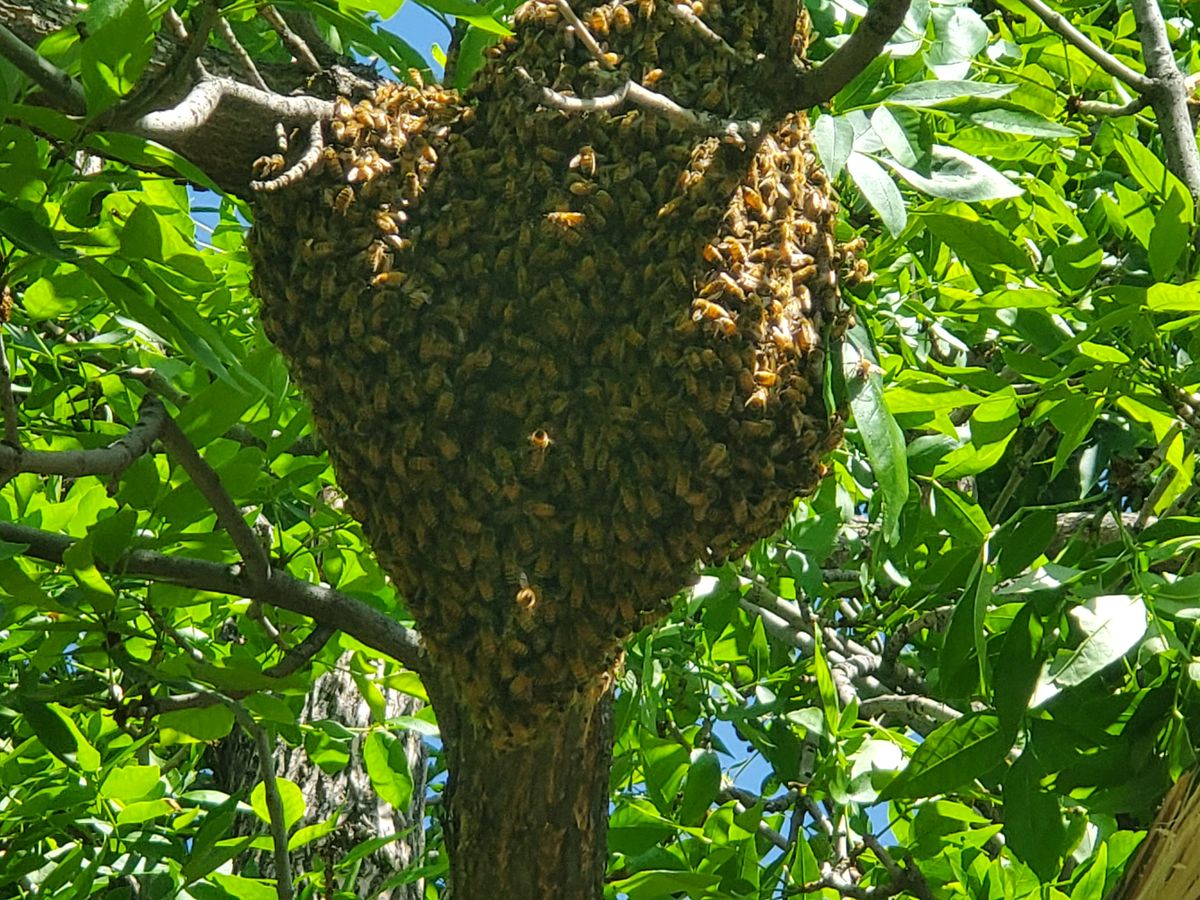
Seeing a large, buzzing cluster of honey bees on a tree branch or fence post in your yard can be an impressive, and sometimes startling, sight. Your first instinct might be uncertainty, but your decision to seek help is the right one. By reporting a swarm, you are taking a crucial step to protect honey bees and support local Alabama beekeepers. This guide will walk you through what to expect after you report bee swarm activity in Alabama, from Birmingham to Mobile.
When you submit a swarm report through a platform like Swarmed, your information doesn’t go into a void. It instantly triggers a notification that is sent to a network of registered beekeepers in your immediate vicinity. Whether you're in Huntsville, Montgomery, or a rural county, the system identifies local beekeepers who are ready and equipped to help.
These beekeepers receive the location, your contact information, and any photos you provided. A picture is incredibly helpful, as it allows them to quickly assess the situation and confirm it is, in fact, a honey bee swarm.
Shortly after you submit the report, you can expect to receive a phone call or text message from an interested beekeeper. They need to ask a few questions to understand the situation better before they head out. Be prepared to answer questions like:
This initial conversation is vital for the beekeeper to determine what they are dealing with: a simple swarm rescue or a more complex removal.
Understanding the distinction between a honey bee swarm and an established colony is key to knowing what to expect. This difference determines whether the service will likely be free or require a fee.
A swarm is a temporary, transient cluster of bees. The bees have left their old home and are resting while scout bees search for a new, permanent location.
An established colony is one that has already found its permanent home and has started building a life there.
In some regions of Alabama, particularly in southern areas like Mobile and Montgomery, beekeepers may encounter honey bees with more defensive genetics. This can make even a standard swarm rescue more challenging and carry a higher risk.
Because of this, some Alabama beekeepers may provide a quote for their time and expertise even for what appears to be a simple swarm. They are assessing the risk and difficulty on a case-by-case basis. This is a normal business practice, and you always have the option to accept the quote or seek another beekeeper. Transparency is key, and a professional will explain any potential costs upfront.
For a straightforward swarm rescue, the process is calm and fascinating to watch. The beekeeper will arrive with protective gear and a box (often a standard hive box or a smaller version called a “nuc” box). They will typically place the box below the swarm and gently shake the branch, causing the majority of the bees, including the queen, to fall inside. Any remaining bees will follow the queen’s scent into the box.
The beekeeper may leave the box on-site until dusk to ensure all the foraging scout bees have returned. Once the colony is collected, they will transport it to their apiary, where the bees will get a safe, managed home to thrive in.
By taking the time to report a honey bee swarm in Alabama, you are doing more than just solving a problem in your backyard. You are actively participating in the preservation of these essential pollinators. You are also supporting local Alabama beekeepers who dedicate their time and resources to caring for honey bees.
Your action prevents the bees from moving into an inconvenient location where they might later be exterminated. Instead, they get a chance to continue their vital work of pollinating the crops and wildflowers that make our state beautiful and productive.
If you see a honey bee swarm, don't hesitate. You are the crucial first link in the chain of rescue. Your report connects a vulnerable colony with an expert who can provide a safe home. Help protect honey bees and support your local beekeeping community by reporting a swarm; Report your swarm here (opens in a new tab).
California's Golden Opportunity: Harnessing the Spring Swarm For beekeepers across California, the arrival of spring signals more than just almond blossoms and wildflo...
Read More...May 18, 2026
A Beekeeper's Guide to Swarm Collection in Idaho Spring has arrived in the Gem State, and with it, the unmistakable hum of honey bee swarms. For beekeepers, this is a...
Read More...May 18, 2026