Your Guide to Honey Bee Swarms in the Keystone State
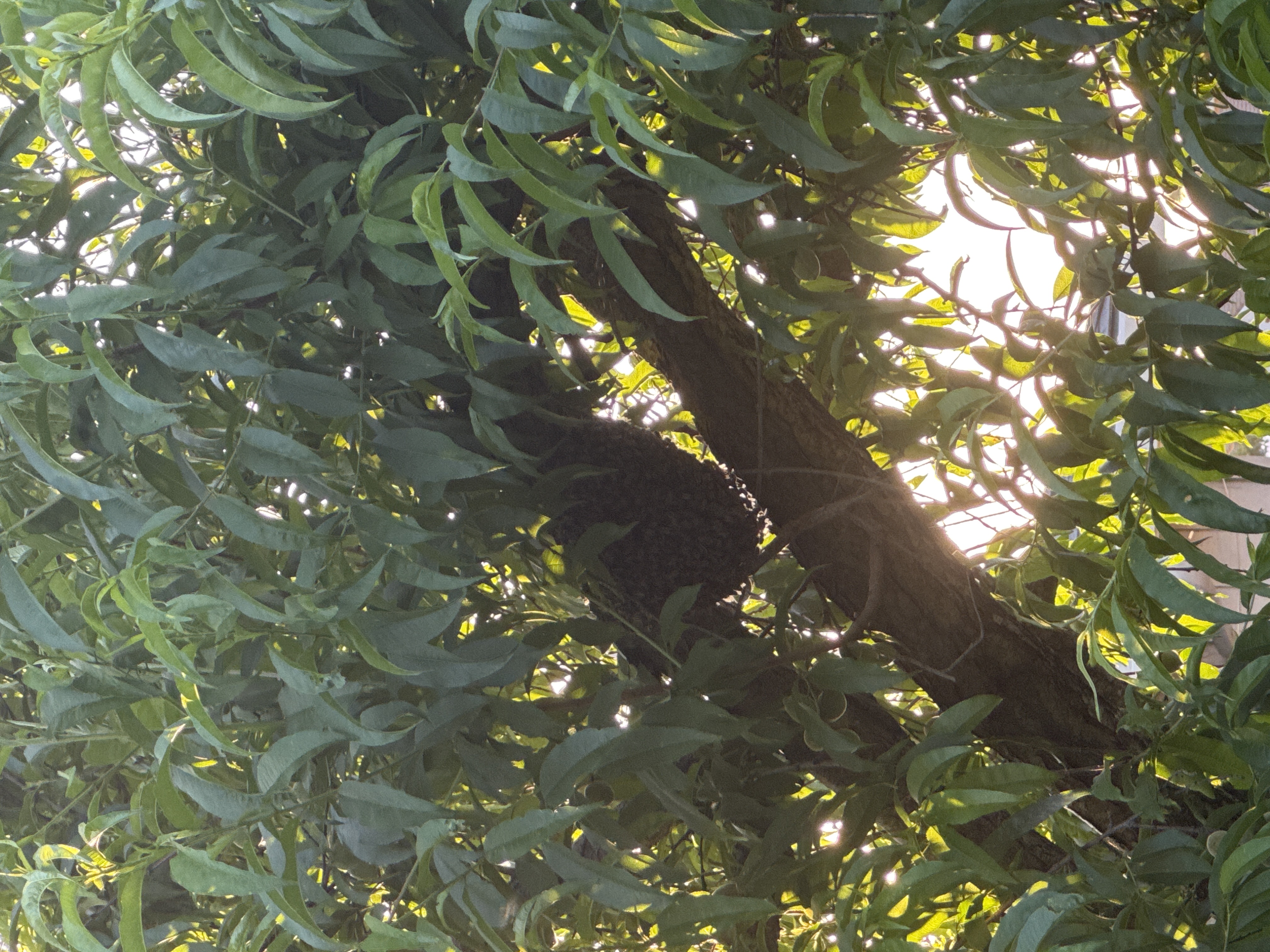
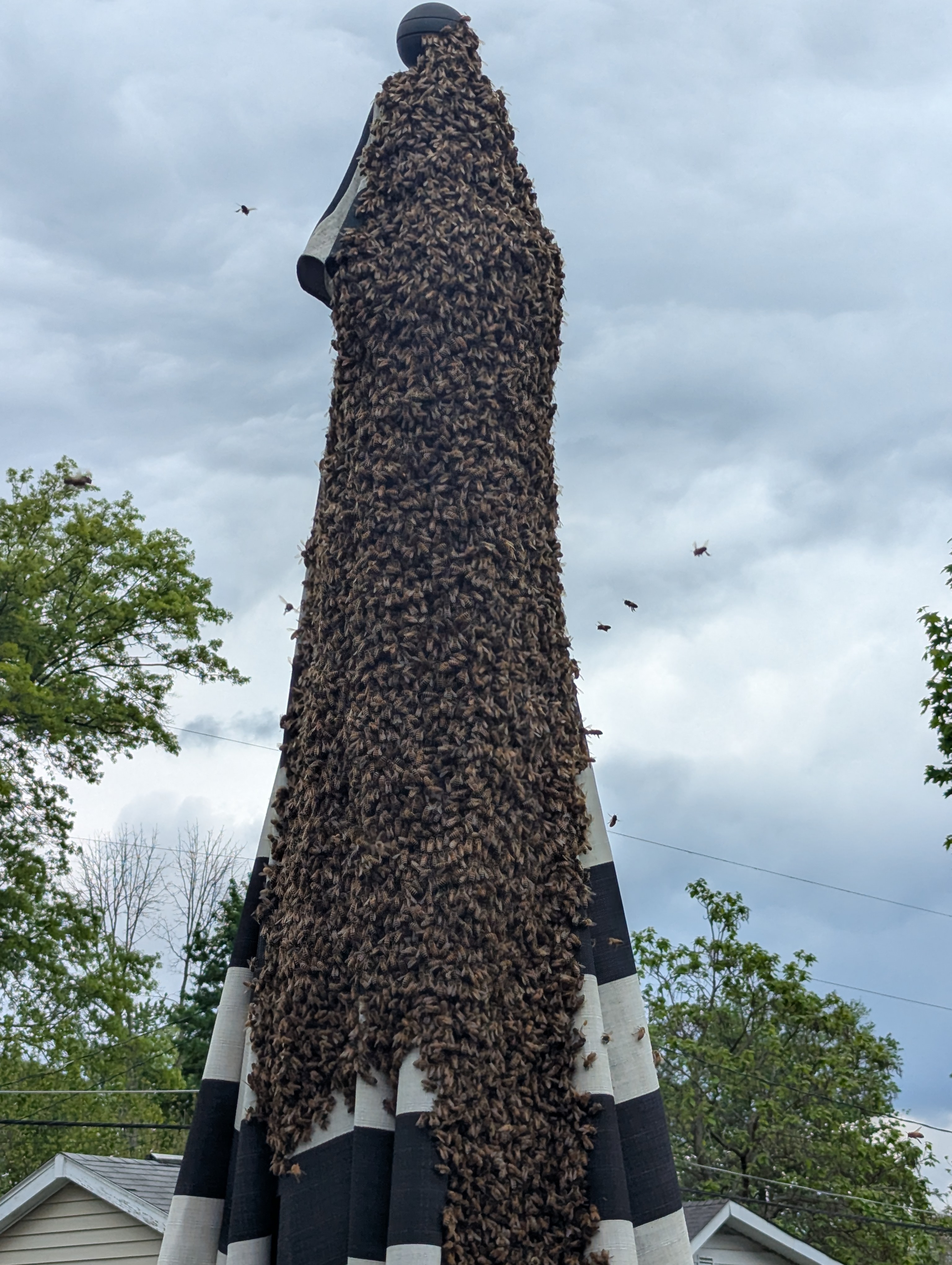
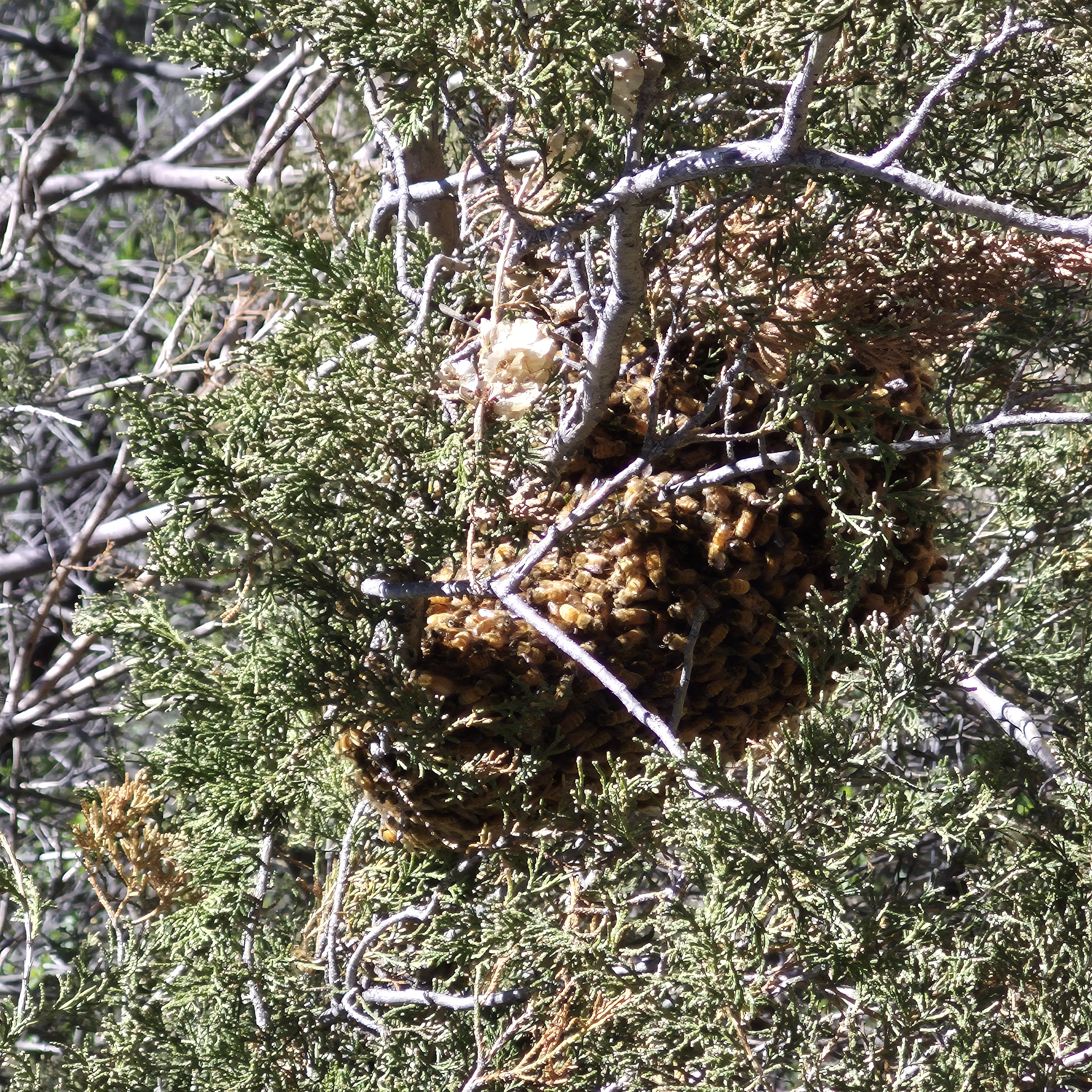
Spring has arrived across Pennsylvania, bringing blooming flowers and warmer days from Philadelphia to Pittsburgh. This season also marks the start of honey bee swarm season. If you spot a large, buzzing cluster of bees on a tree branch, fence post, or mailbox in Harrisburg or Allentown, you've likely found a honey bee swarm. While it can be an intimidating sight, it’s a natural and beautiful part of the honey bee life cycle—and an opportunity for you to help.
This guide provides the essential information you need for Pennsylvania bee swarm help, explaining what a swarm is, why it happens, and how you can connect with local beekeepers for safe, humane rescue through Swarmed.
Understanding a Honey Bee Swarm
A honey bee swarm is simply a colony on the move. When a healthy hive becomes overcrowded, the old queen and about half the worker bees (often 10,000-30,000 of them) leave to find a new home. The bees that remain will raise a new queen.
Before leaving, the traveling bees fill up on honey, making them full and docile. They have no home, no brood, and no food stores to defend, so their only focus is protecting the queen and finding a new permanent residence. The swarm will cluster together temporarily on a structure while scout bees search for a suitable cavity. This cluster is what people typically see, and it usually only stays in one place for 24 to 72 hours.
The Critical Difference: Swarm vs. Established Hive
Understanding the difference between a swarm and an established hive is crucial, as it determines the type of help needed and whether a cost is involved.
- Honey Bee Swarm: This is a temporary, exposed cluster of bees resting while they look for a home. They have not built any wax comb. Because beekeepers value these bees for starting new hives, their rescue is almost always free. They are relatively easy for a skilled beekeeper to gather into a box.
- Established Colony (or Hive): If the bees have moved into a structure—like the wall of a house, a chimney, or a hollow tree—and have begun building wax comb, they are no longer a swarm. They are an established colony. Removing them is a complex process called a “cutout,” which requires carpentry skills, specialized equipment, and significant time to access and remove the bees and their comb. This is specialized work, and beekeepers will provide a quote for this service, as it often involves repairs to the structure.
Reporting either situation through Swarmed connects you to the right experts, but setting clear expectations is important.
How to Get Pennsylvania Bee Swarm Help
When you see a swarm, the best thing you can do is keep a safe distance and report it. Do not spray it with water or pesticides. Instead, you can become a hero for honey bees and your community by connecting them with a local beekeeper.
The Swarmed network makes this simple. Our platform instantly connects people who spot swarms with registered beekeepers in their immediate area who are ready to help.
Here’s what to do:
- Keep a safe distance and observe the bees without disturbing them.
- Take a photo if you can do so safely.
- Visit https://beeswarmed.org/report-bee-colony (opens in a new tab) to submit a report.
- The system will instantly alert nearby beekeepers who can respond to rescue the swarm.
Reporting a swarm is a free service that benefits everyone. To help us maintain our platform and continue connecting beekeepers with communities, we ask for an optional suggested contribution of $12 to help support the platform.
Why Reporting a Swarm Matters
Across the country, community reports are making a significant impact. In some states, swarm reports show a rising trend as residents become more aware of how they can help. By reporting a swarm, you are doing more than just solving a problem.
- You Protect Honey Bees: A swarm left on its own might not find a suitable home or could establish a colony in an undesirable location where it might later be exterminated. A rescued swarm is given a proper hive and managed by a beekeeper, allowing it to thrive.
- You Support Local Beekeepers: For beekeepers, a swarm is a gift. It's a healthy, natural start for a new hive in their apiary, helping them expand their operations and support local pollination.
- You Help Your Community: Ensuring a swarm is rescued by a professional prevents potential conflicts and keeps your neighborhood safe.
> "Every swarm report we receive is a victory for local ecology," says John Miller, a Lead Beekeeper with the Swarmed network. "It represents a community member stepping up to protect pollinators and a beekeeper gaining a valuable, healthy colony. It's a perfect example of how technology and community action can work together for a common good."
Your Action Plan for Spring
As you enjoy the beautiful Pennsylvania spring, keep an eye out for honey bee swarms. Remember that a buzzing cluster of bees is a sign of a healthy environment, not a threat. They are in a vulnerable state and need a helping hand.
By taking a few moments to report what you see, you can ensure their survival and support the dedicated beekeepers of Pennsylvania. Be prepared, be helpful, and be a part of the solution for protecting our vital pollinators.
If you see a swarm, don't wait. Provide crucial Pennsylvania bee swarm help by reporting it to the Swarmed network. Visit https://beeswarmed.org/report-bee-colony (opens in a new tab) to connect with a local beekeeper today.