
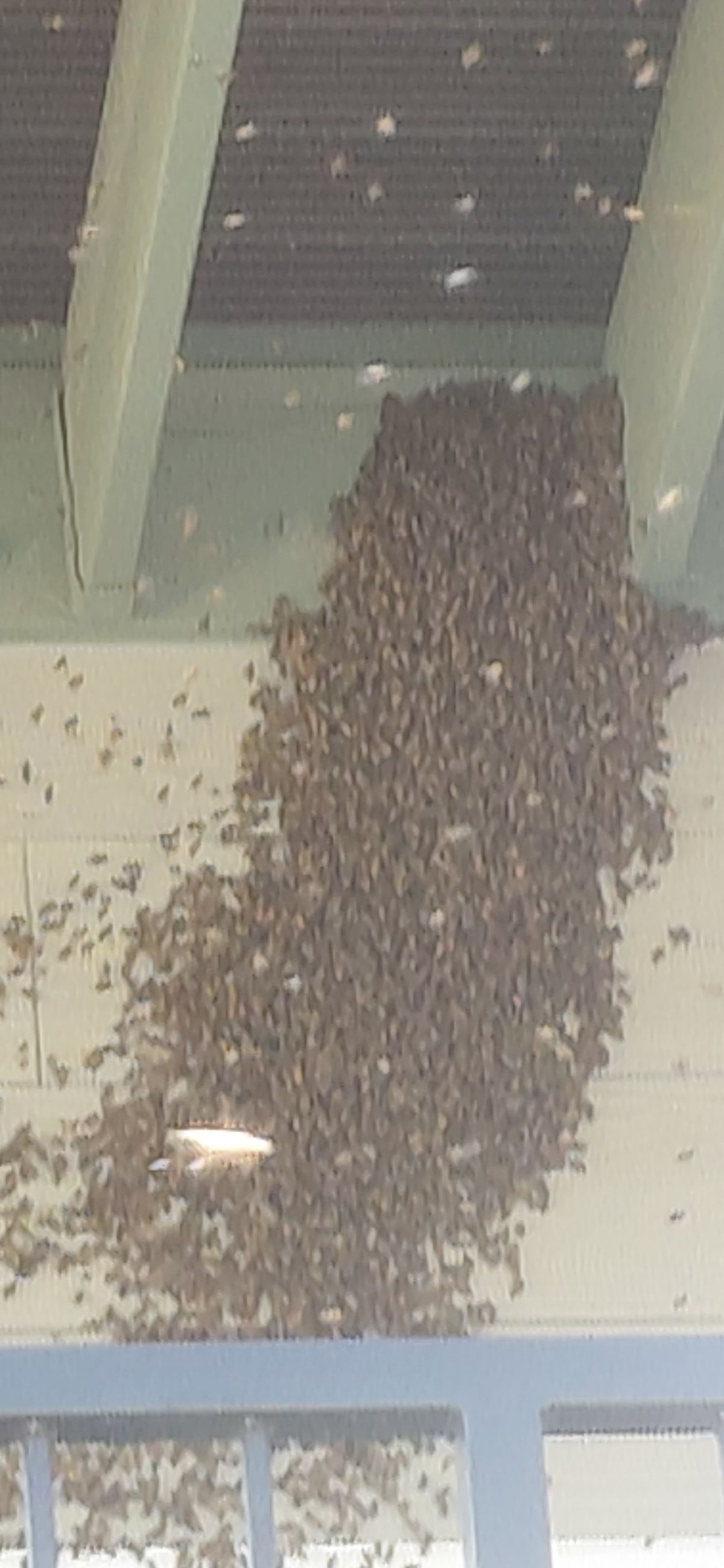
A Beekeeper's Guide to Swarm Season in California
California's Golden Opportunity: Harnessing the Spring Swarm For beekeepers across California, the arrival of spring signals more than just almond blossoms and wildflo...
Read More...May 18, 2026
Home > Blog > Our Changing Air and How You Can Help Honey Bees Thrive
May 12, 2026
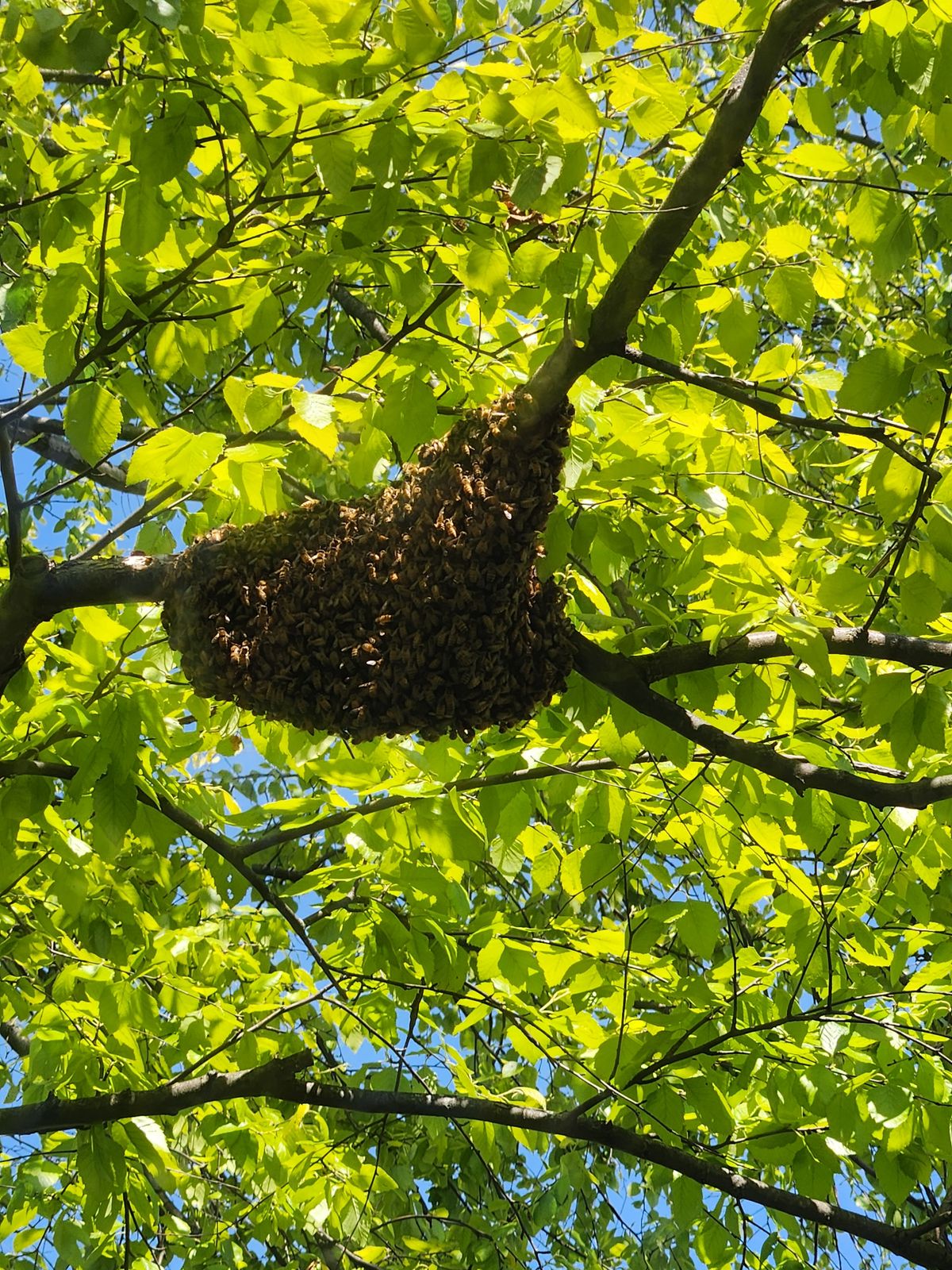
From shifting landscapes to environmental stressors like air pollution, honey bees and other pollinators face a complex web of challenges. While the big-picture issues can feel daunting, there are powerful, direct actions we can take right in our own neighborhoods to support these essential creatures. One of the most impactful things you can do this spring is to help a honey bee colony find a safe new home.
Every healthy bee colony is precious. When you see a large cluster of bees hanging from a tree branch or the side of a building, you’re witnessing a natural and vital process: swarming. This is a sign of a colony’s success, and it’s a critical moment where community help is most needed.
Knowing what you’re seeing is key to helping honey bees safely. The terms can be confusing, but the distinction is important for both the bees’ safety and your own. A Swarm:
An Established Hive (or Established Colony):
Your action depends on what you see. A swarm is a rescue opportunity, while an established hive requires a specialist.
When you spot a swarm, the best thing you can do is give the bees space and report them. By reporting the location, you connect a vulnerable colony with a local beekeeper who can provide a safe, managed home. This simple act prevents the bees from choosing an unsuitable location where they might come into conflict with people and ultimately be removed as pests.
This is where our community network shines. Last season, for example, alert citizens in Nevada helped local beekeepers rescue over 102 swarms, giving those colonies a chance to thrive. Each report contributes to a healthier local bee population.
When you report a bee colony (opens in a new tab), you initiate a process that benefits everyone:
It’s important to have clear expectations. Because beekeepers want swarms to build up their apiaries, swarm rescue is normally free. The beekeeper is happy to come and carefully collect the docile cluster of bees.
However, if bees have already built a hive inside a structure, the situation changes. Removing an established colony is a labor-intensive cutout that requires specialized skills and tools. The beekeeper must carefully open the structure, remove all the comb and bees, and often perform repairs. For this complex service, you should expect the beekeeper to provide a fair quote based on the difficulty of the job. You can always accept or reject the quote.
By reporting through a service like Swarmed, you can be connected to the right expert for your situation.
While we all work towards solving larger environmental issues, don't underestimate the power of your actions at home. Seeing a swarm of bees isn't a threat; it's a chance to make a tangible, positive impact on the world around you. By taking a few moments to report it, you are casting a vote for a healthier ecosystem.
If you see a cluster of bees this season, become a hero for the honey bees. Your report can save a colony and connect a local beekeeper with much-wanted bees. Help us protect pollinators by visiting https://beeswarmed.org/report-bee-colony (opens in a new tab) to report a swarm in your area. It’s a simple step that ensures a safe outcome for both bees and your community.
California's Golden Opportunity: Harnessing the Spring Swarm For beekeepers across California, the arrival of spring signals more than just almond blossoms and wildflo...
Read More...May 18, 2026
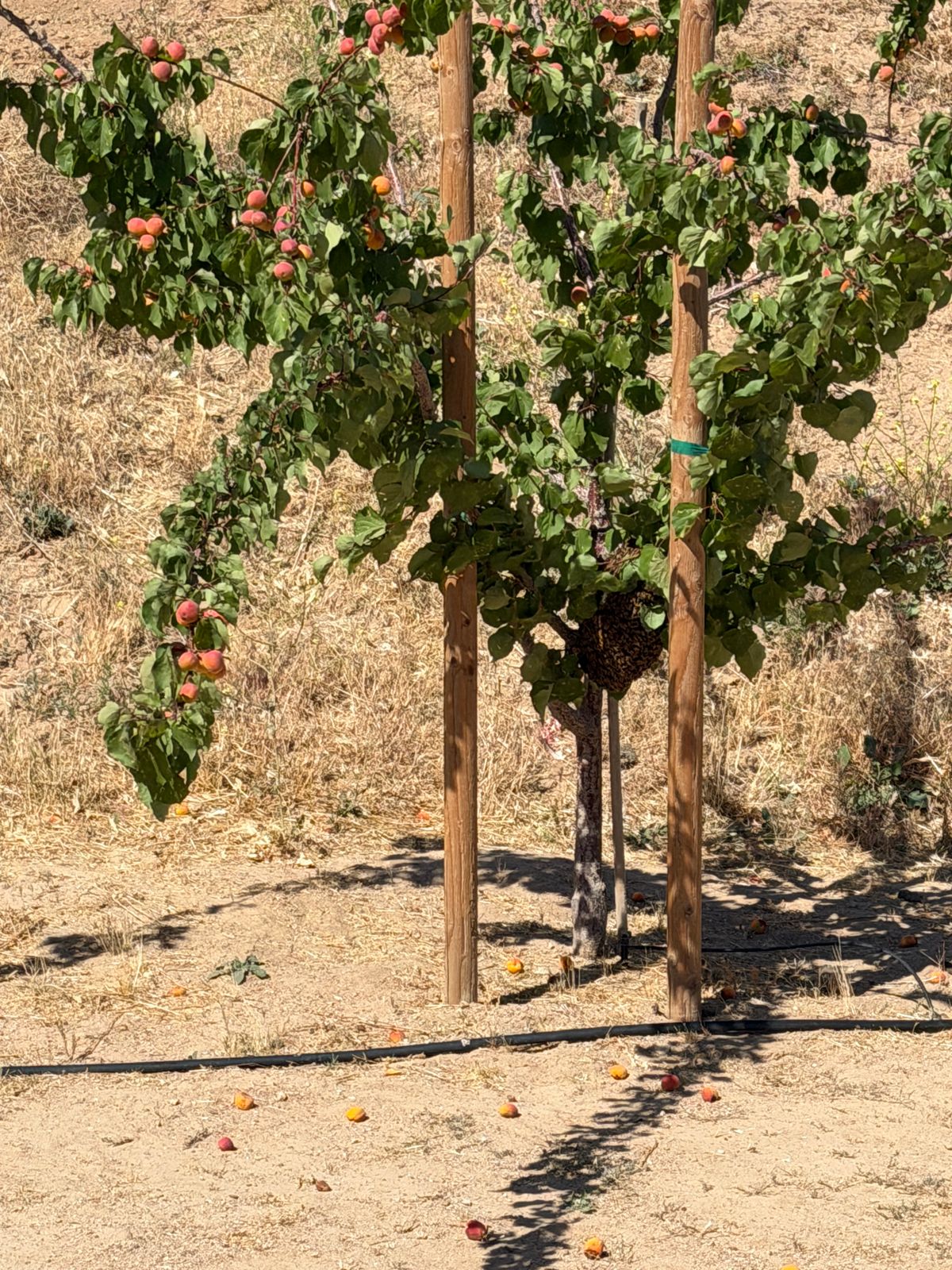
A Beekeeper's Guide to Swarm Collection in Idaho Spring has arrived in the Gem State, and with it, the unmistakable hum of honey bee swarms. For beekeepers, this is a...
Read More...May 18, 2026