
A Beekeeper's Guide to Swarm Season in California
California's Golden Opportunity: Harnessing the Spring Swarm For beekeepers across California, the arrival of spring signals more than just almond blossoms and wildflo...
Read More...May 18, 2026
Home > Blog > Oregon Bee Swarm Season: A Guide for Residents
May 6, 2026
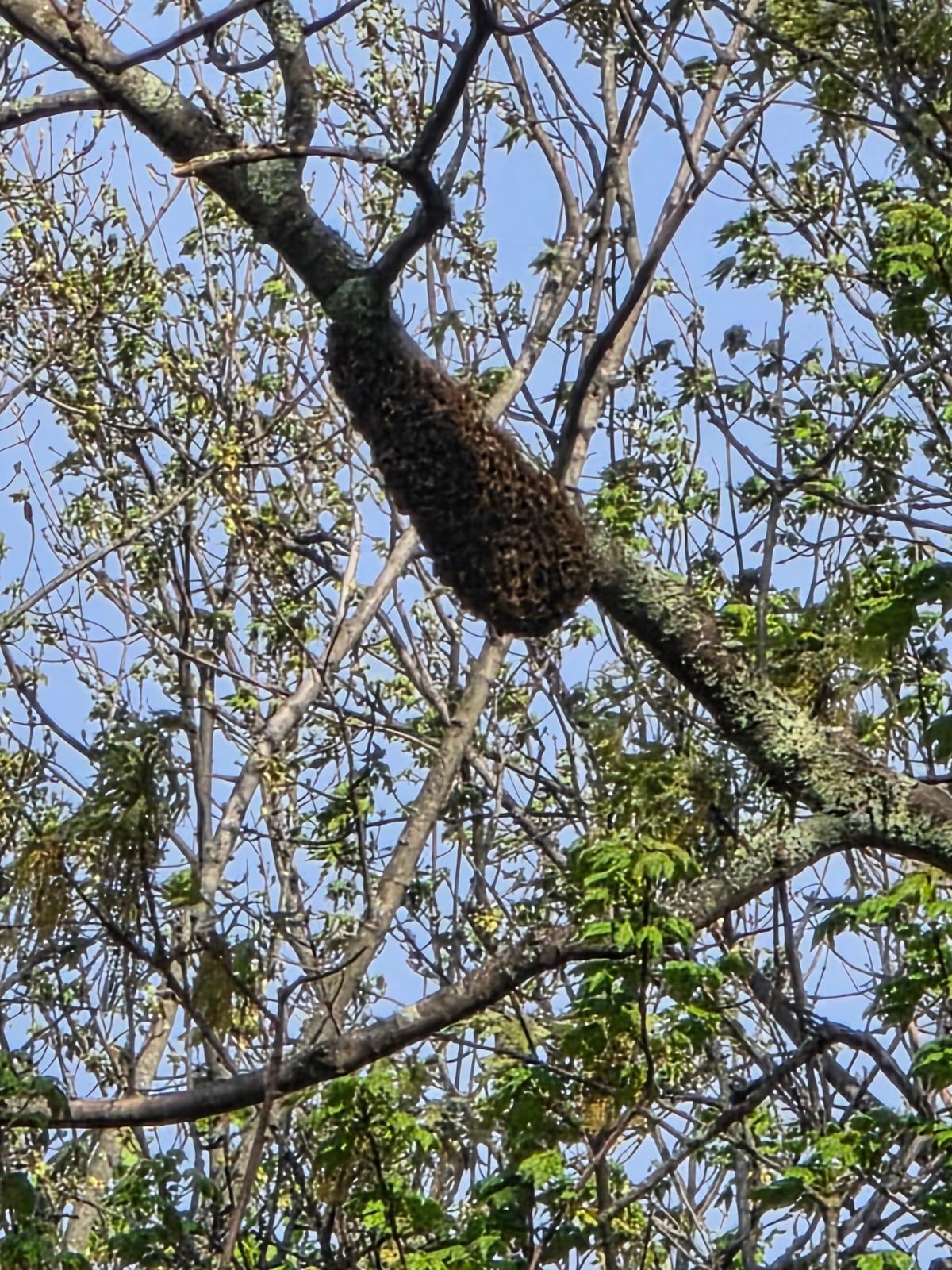
As the Pacific Northwest awakens in vibrant spring color, another natural phenomenon takes flight across Oregon. From the bustling streets of Portland and Salem to the green spaces of Eugene, honey bee swarms are on the move. While a large cluster of thousands of bees can seem alarming, it’s actually a positive sign of a healthy honey bee population and a crucial part of their life cycle.
This guide explains what a bee swarm is, why it happens, and how you can play a vital role in protecting these essential pollinators during the Oregon bee swarm season.
Before knowing how to act, it’s important to understand what you’re seeing. There is a critical distinction between a temporary honey bee swarm and an established colony, and this difference determines the next steps and potential costs.
A Honey Bee Swarm
An Established Hive (or Colony)
Understanding this distinction helps set the right expectations. Swarmed helps connect you with beekeepers for both scenarios, but the immediate, free service is geared toward rescuing transient swarms.
The Oregon bee swarm season is driven by warming weather and the abundance of spring blossoms. As temperatures rise, honey bee colonies expand rapidly. When a hive becomes overcrowded, the bees’ natural instinct is to reproduce by splitting the colony in two—a process we call swarming.
Activity begins in earnest during the spring and continues into the summer months. While the exact timing can vary based on local weather patterns from the Willamette Valley to the high desert of Central Oregon, residents in cities like Bend can expect to see swarm activity peak in late spring. A strong colony, abundant nectar, and warm, sunny days are the perfect ingredients for swarming.
When you see a honey bee swarm, you have a unique opportunity to help local pollinators and support your community. The single most important action you can take is to report it.
Swarmed provides a simple, free-to-use platform that instantly alerts a network of local Oregon beekeepers who are ready to help. By reporting the location of a swarm, you are ensuring the bees are safely relocated to a managed hive where they can thrive and continue their vital work of pollination. This action prevents the bees from moving into an undesirable location where they might be exterminated, and it provides a local beekeeper with a healthy, new colony.
Every report contributes to a massive community effort. In some areas with rising swarm trends, a dedicated group of just five beekeepers can rescue over 100 swarms in a season, showcasing the power of community reporting. Your simple action has a significant impact.
Discovering a swarm can be exciting. By following a few simple steps, you can ensure the experience is safe for both you and the bees.
DO:
DO NOT:
The sight of a honey bee swarm is a reminder of the intricate and beautiful natural cycles at play all around us. During Oregon's bee swarm season, every resident has the power to be a hero for these essential pollinators. By understanding what a swarm is and how to react, you can turn a potentially startling discovery into a positive outcome for the environment and for local beekeepers.
If you see a swarm, don't wait. Help protect honey bees and support your community by reporting it. A local beekeeper will be grateful for the opportunity to give the bees a safe new home. Visit the Swarmed reporting page to submit a swarm location and become part of the solution.
California's Golden Opportunity: Harnessing the Spring Swarm For beekeepers across California, the arrival of spring signals more than just almond blossoms and wildflo...
Read More...May 18, 2026
A Beekeeper's Guide to Swarm Collection in Idaho Spring has arrived in the Gem State, and with it, the unmistakable hum of honey bee swarms. For beekeepers, this is a...
Read More...May 18, 2026