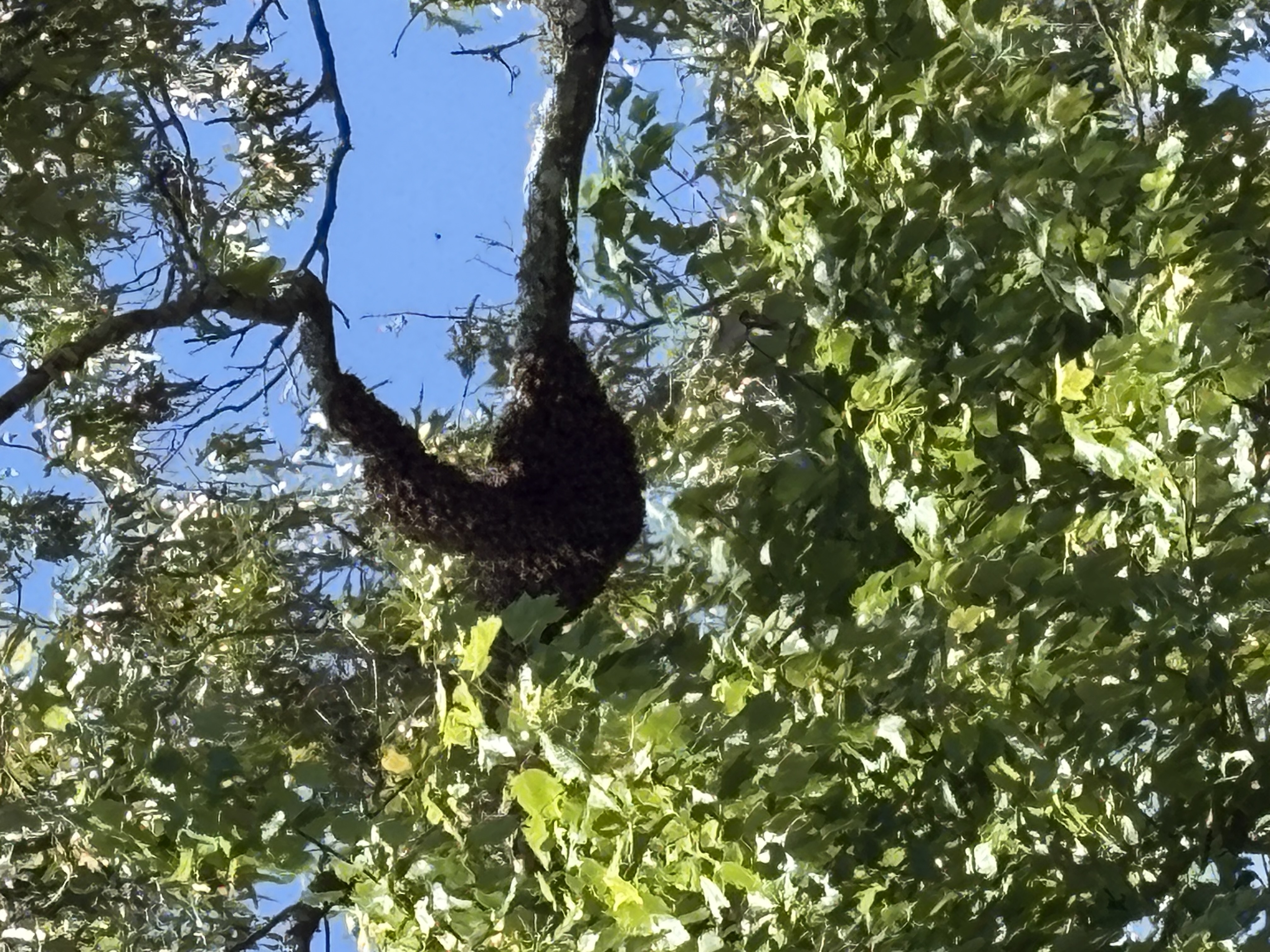
A Beekeeper's Guide to Swarm Rescue in Nevada
The Untapped Opportunity for Nevada Beekeepers Nevada’s unique landscape, from the sprawling suburbs of Las Vegas and Reno to its agricultural valleys, creates a dynam...
Read More...May 18, 2026
Home > Blog > Optimizing Swarm Collection Strategies for Texas Beekeepers
May 18, 2026
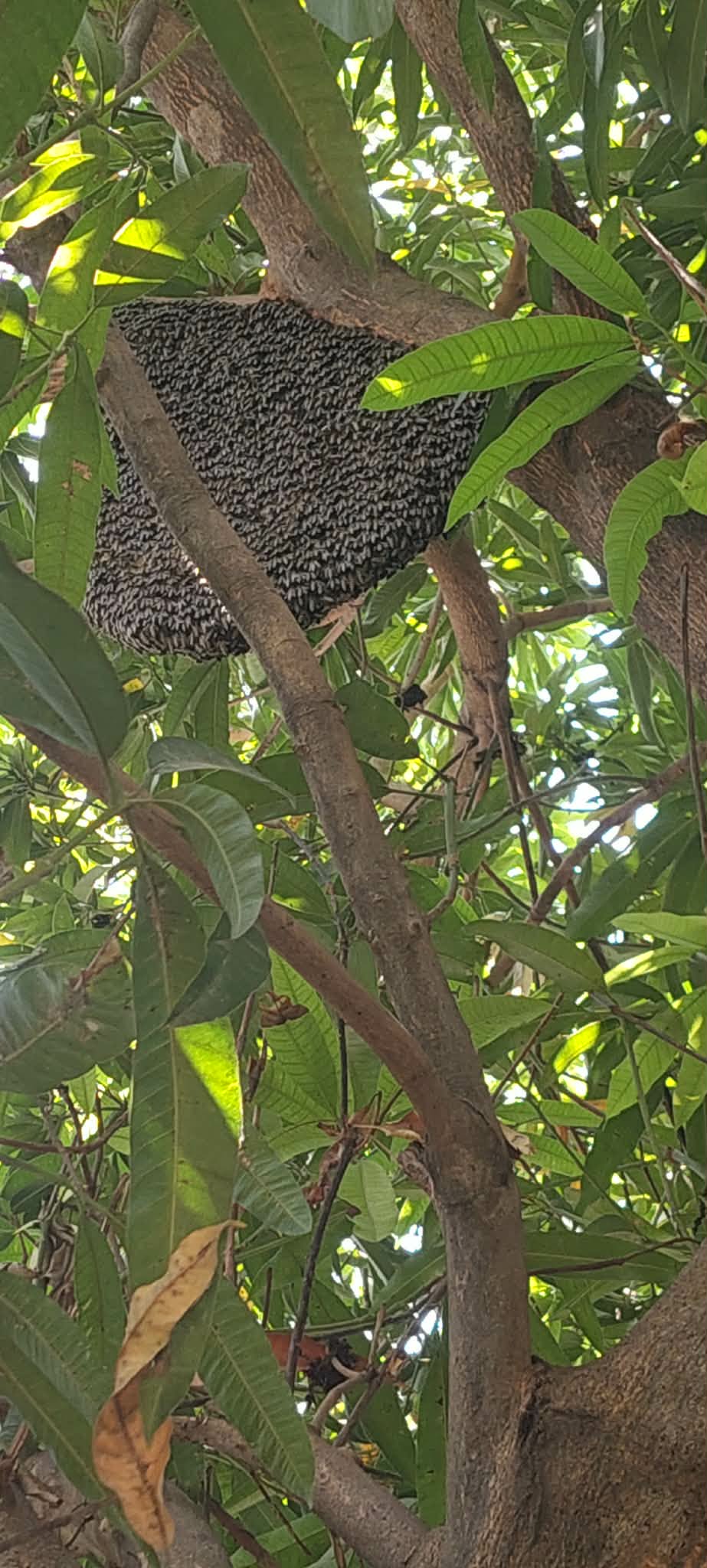
Texas's vast landscape and extended blooming seasons create one of the nation's most dynamic environments for honey bees. For beekeepers, this translates into a significant opportunity: a robust and lengthy swarm season that offers a sustainable way to expand an apiary with healthy, locally-adapted bees. As bee populations respond to favorable conditions, the trend of swarm activity is rising across the state. Last season alone, the Swarmed network connected Texas beekeepers with over 600 reported swarms, demonstrating a clear and growing resource for those prepared to respond.
This guide provides advanced strategies for Texas beekeepers to optimize their swarm collection efforts, turning a natural biological process into a cornerstone of their apiary's growth and success.
Unlike regions with short, condensed springs, Texas offers a prolonged season of bee activity. From the early blooms in South Texas to the later nectar flows in the Panhandle, swarms can be on the move from early spring well into the summer. This regional diversity requires a nuanced approach.
Beekeepers should be prepared for variability based on their specific location. The timing and intensity of swarming are influenced by local weather patterns, rainfall, and the availability of forage. Staying attuned to these local conditions is the first step in anticipating swarm movements.
It is also essential to differentiate between a swarm and an established colony. A swarm is a transient cluster of bees—typically 10,000 to 30,000 strong—with a queen, looking for a new home. They are generally docile because they are engorged with honey for the journey and have no brood or resources to defend. These are the bees beekeepers are eager to rescue, typically at no cost to the public.
An established colony, however, has already built comb inside a structure like a wall, roof, or tree. Removing these bees is a complex process known as a "cutout," which requires specialized skills, tools, and often structural repairs. This is a service that should be quoted fairly based on the job's complexity.
Successful swarm collection begins long before a call comes in. A proactive approach using swarm traps significantly increases your chances of capturing colonies with minimal effort.
When you receive a swarm alert, efficiency and safety are paramount. Having a well-organized swarm kit ready to go allows you to respond quickly and professionally.
Your kit should include:
When you arrive on-site, first assess the situation. Note the swarm's size, height, and accessibility. The simplest collection method involves placing your swarm box directly underneath the cluster and giving the branch a firm, sharp shake. The majority of the bees, including the queen, should fall directly into the box. Place the lid on, leaving a small opening, and set the box nearby. The remaining bees will follow the queen's pheromones and march into the box over the next hour.
For swarms in difficult-to-reach places, a bee vacuum may be necessary, but this requires skill to use without harming the bees. Always prioritize gentle methods first.
A captured swarm is a valuable asset, but proper integration is crucial for the health of your entire apiary.
Responding to individual calls and managing swarm traps is effective, but leveraging a network multiplies your efforts. The Swarmed platform is a powerful tool built for this purpose, connecting a community of nearly 400 Texas beekeepers to a rising number of swarm reports. By joining, you gain access to a stream of opportunities to acquire healthy, local bees with no commitment.
When someone in your area reports a swarm, you receive a free, real-time alert via SMS and email. This system allows you to focus on beekeeping while we handle the public outreach, ensuring you are notified the moment an opportunity arises near you.
This collaborative approach benefits everyone: the public gets timely help, beekeepers strengthen their apiaries, and honey bees are protected. As swarm activity continues to grow in Texas, being part of an active network is the most efficient way to be in the right place at the right time. Expand your apiary with healthy, local bees this season. Join the Swarmed network to receive free, no-commitment swarm alerts in your area. Sign up today at https://beeswarmed.org/beekeeper-signup (opens in a new tab) and be ready for the next swarm.
The Untapped Opportunity for Nevada Beekeepers Nevada’s unique landscape, from the sprawling suburbs of Las Vegas and Reno to its agricultural valleys, creates a dynam...
Read More...May 18, 2026
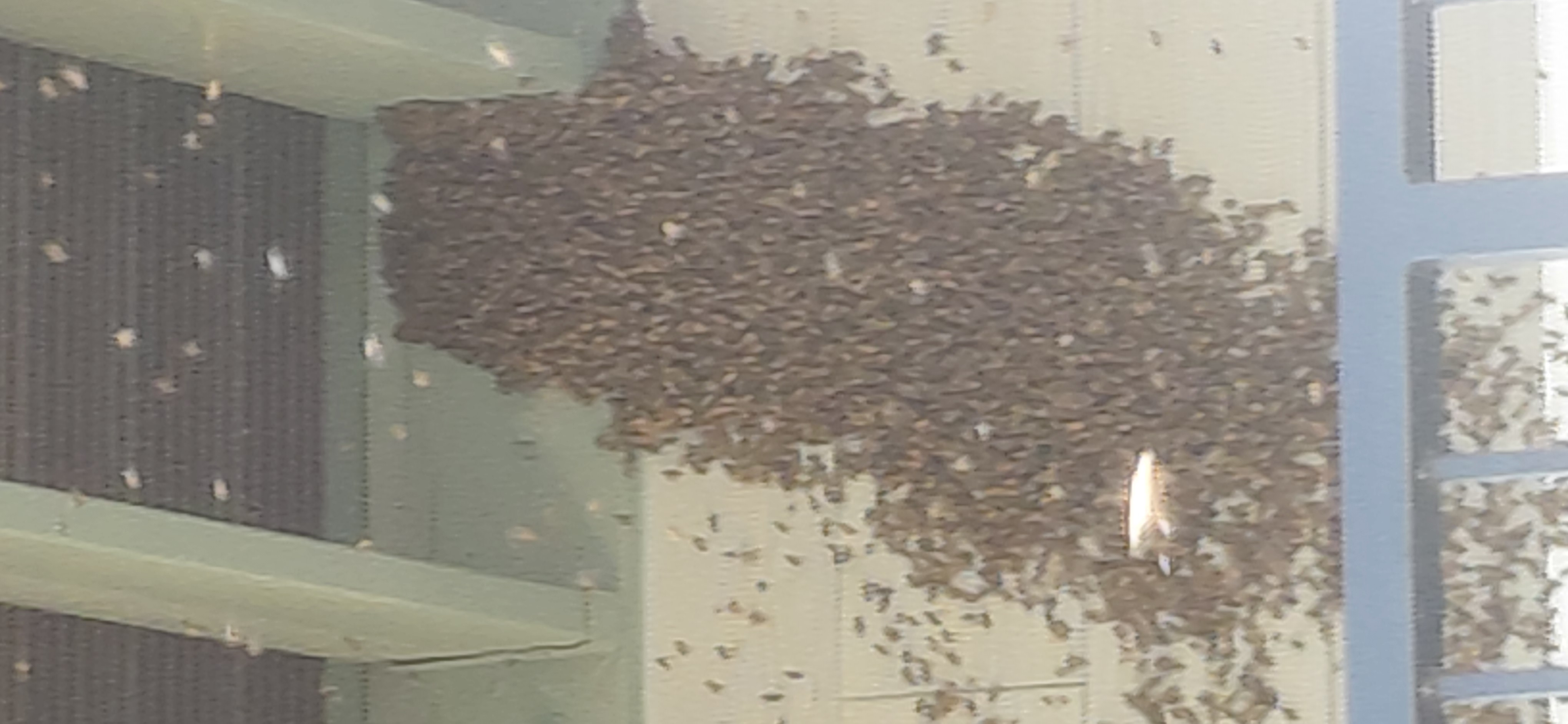
California's Golden Opportunity: Harnessing the Spring Swarm For beekeepers across California, the arrival of spring signals more than just almond blossoms and wildflo...
Read More...May 18, 2026
