Understanding Honey Bee Swarms in Oklahoma
As spring arrives across Oklahoma, from the suburbs of Oklahoma City and Tulsa to the communities in Norman, the landscape awakens. This season also marks a significant event in the life of honey bees: swarming. A swarm of bees, while potentially intimidating, is a natural and beautiful sign of a healthy honey bee population. Understanding what a swarm is and how to respond is crucial for both public safety and the well-being of these essential pollinators.
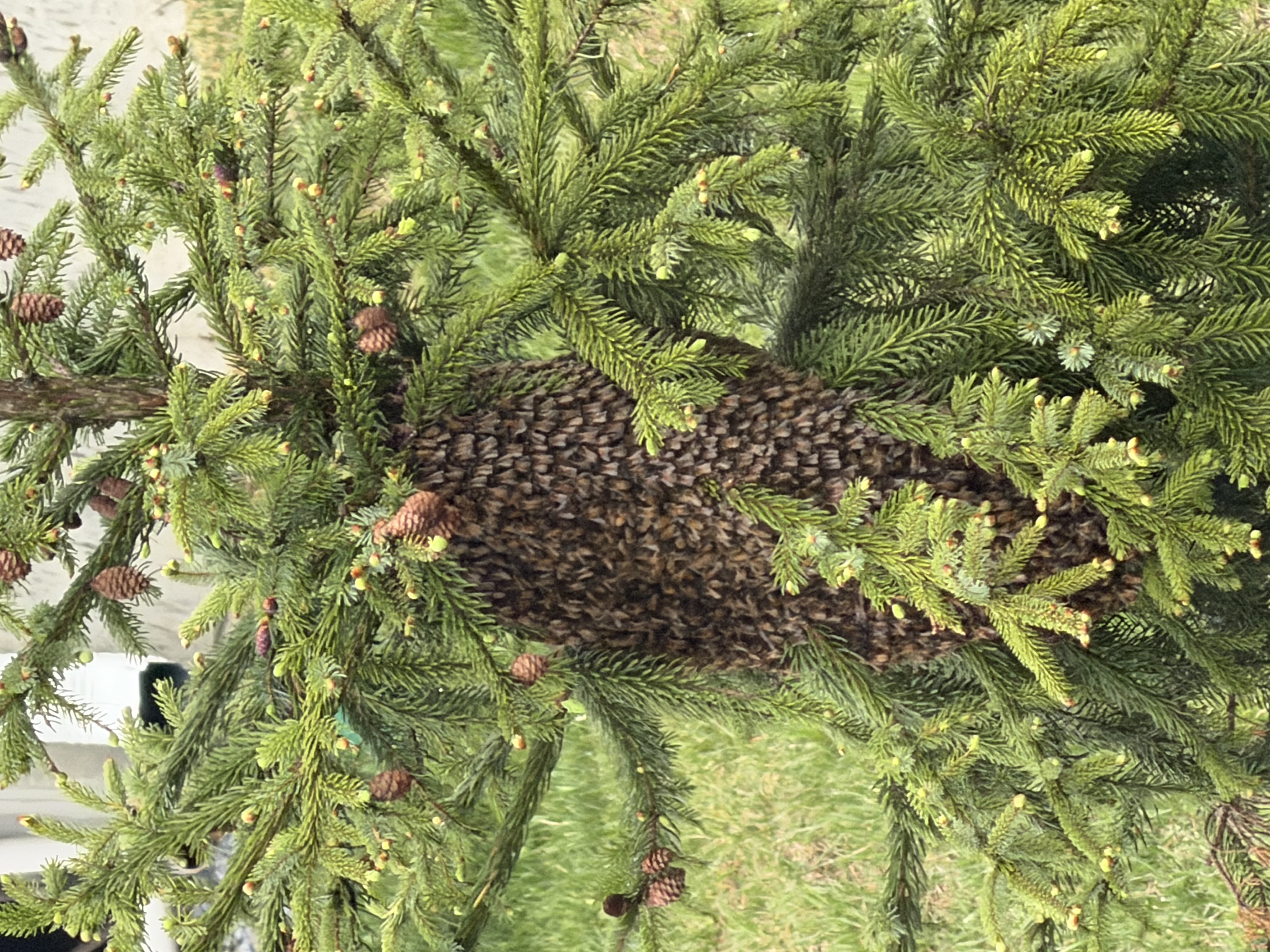
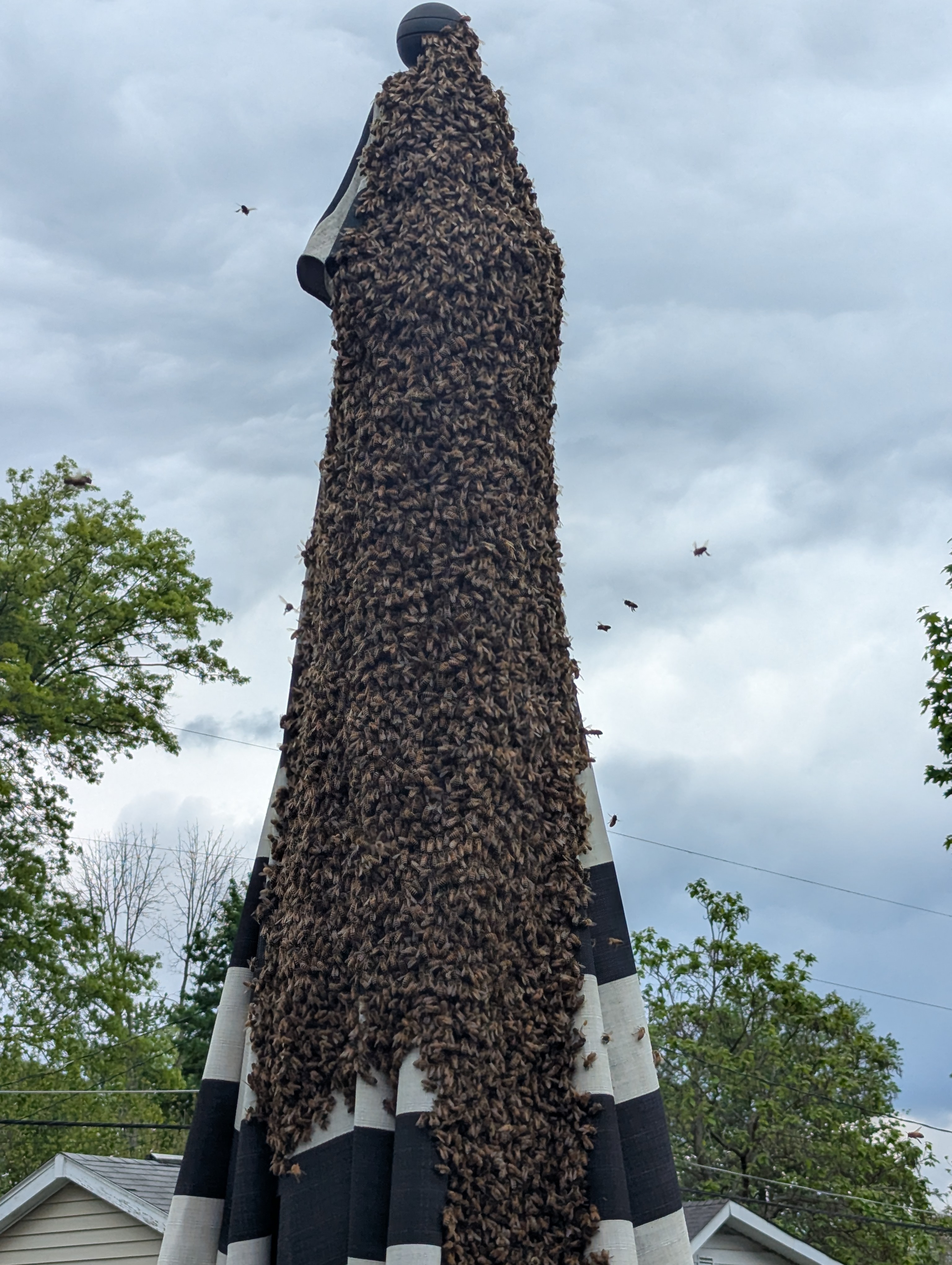
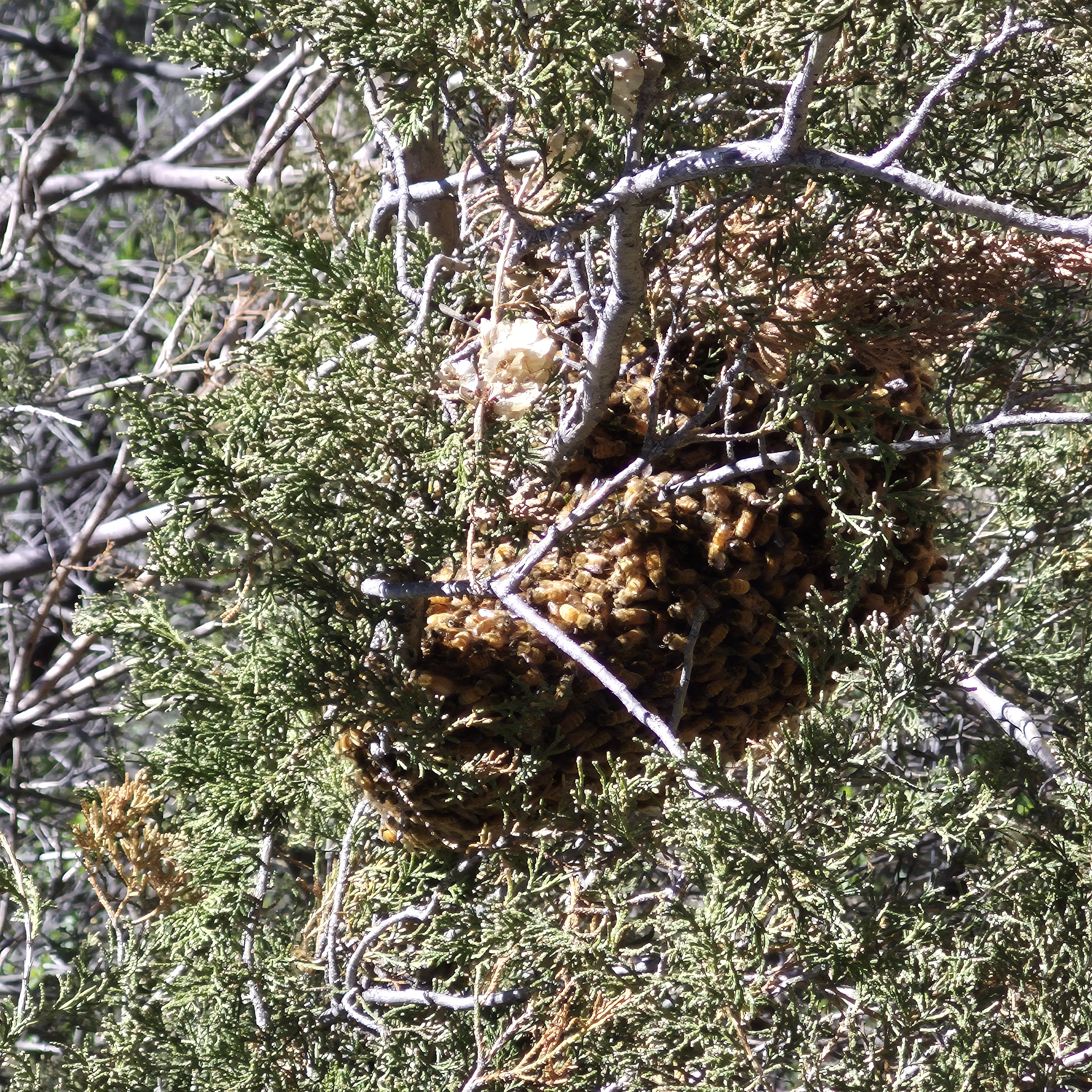
A honey bee swarm is a large group of bees, often numbering between 10,000 and 30,000, clustered together with their queen. This is not an angry mob; it's a colony in the process of moving. The old colony has become crowded, so the queen and about half the workers leave to find a new home, allowing a new queen to take over the original hive. While they search, they rest in a temporary cluster on a tree branch, fence post, or building eave. Bees in a swarm are typically docile because they have filled up on honey for the journey and have no home, brood, or food stores to defend.
Swarm vs. Established Colony: A Critical Difference
It is vital for homeowners and property managers to distinguish between a temporary swarm and an established colony. The appropriate response—and the associated cost—differs significantly.
- A Swarm: This is the transient cluster of bees described above. They are temporarily resting for a few hours or days. Since beekeepers want these bees to start new hives, their collection is normally free. A local beekeeper can often rescue them with minimal equipment.
- An Established Colony: If the bees have moved into a structure—such as a wall, roof, shed, or hollow tree—they are no longer a swarm. They have begun building wax comb, raising young (brood), and storing honey. These bees will be defensive of their new home. Removing an established colony is a complex process known as a "cutout," which requires specialized skills, tools, and often carpentry to access and repair the structure. This is a professional service that costs money.
When you report bees, a beekeeper can assess the situation. Swarm collection is normally free. However, if bees have established a hive in your wall or structure with built comb, removal requires specialized skills. Expect the beekeeper to provide a fair quote based on complexity and repairs needed. You can accept or reject this quote.
Oklahoma's Peak Swarm Season
The prime time for honey bee swarms in Oklahoma begins as temperatures consistently warm up in the spring. The peak activity typically occurs from April through the end of spring. During this period, the state's healthy bee colonies are growing rapidly, leading to this natural reproductive division. Reporting these swarms is especially important as it provides local beekeepers with a valuable resource to strengthen their apiaries and support local pollination.
How You Can Help: Oklahoma Bee Swarm Reporting
When the public reports a swarm, it creates a vital connection that benefits the entire community. Swarmed provides a simple, effective platform for Oklahoma bee swarm reporting. Our free service instantly alerts a network of local, registered beekeepers who are ready to help.
The impact of community reporting is significant. In other active regions, the Swarmed network has connected beekeepers with over 100 swarms in a single season, showcasing how these alerts directly contribute to bee preservation.
By reporting a swarm, you:
- Protect swarms: You ensure the bees are safely rescued by a knowledgeable beekeeper rather than being destroyed.
- Support local beekeepers: You provide them with healthy, local bee colonies to enhance their apiaries and support Oklahoma's agriculture through pollination.
- Contribute to a community solution: You participate in a responsible, humane approach to coexisting with our essential pollinators.
What to Do If You See a Swarm
If you encounter a cluster of bees, follow these simple steps:
- Keep a calm, safe distance. While swarms are docile, it's best to observe them from afar and keep pets and children away.
- Do not disturb them. Do not spray the bees with water, smoke, or pesticides. This will not make them leave and may provoke a defensive reaction.
- Take a photo if you can do so safely. A picture helps the beekeeper quickly confirm it is a honey bee swarm and prepare for the rescue.
- Report the swarm immediately. The most effective action you can take is to report the location of the honey bee colony.
By taking a few moments to report what you see, you become a crucial part of the solution for protecting honey bees in Oklahoma. Your report provides the connection needed to get these valuable pollinators into the hands of a steward who will care for them. Every report strengthens the local bee population and supports the beekeepers who manage them.
To help protect honey bees and support your local beekeeping community this spring, please report any swarm you see through our free alert system. Visit https://beeswarmed.org/report-bee-colony (opens in a new tab) to submit a report and connect the bees with a nearby beekeeper.