Ohio’s Spring Awakening: Understanding Honey Bee Swarms
As spring unfolds across Ohio, from the shores of Lake Erie in Cleveland to the riverbanks of Cincinnati, the landscape bursts with life. This seasonal renewal also marks the beginning of honey bee swarm season. Seeing a large cluster of bees on a tree branch or fence post can be startling, but it's a natural and fascinating part of a honey bee colony's life cycle. This guide provides the Ohio bee swarm help you need to understand what's happening and how you can assist these vital pollinators.
Swarming is the process of honey bee reproduction at the colony level. A healthy, growing colony splits in two, with the old queen leaving with about half the bees to find a new home. This is a sign of a thriving bee population, not a cause for alarm.
What Exactly is a Honey Bee Swarm?
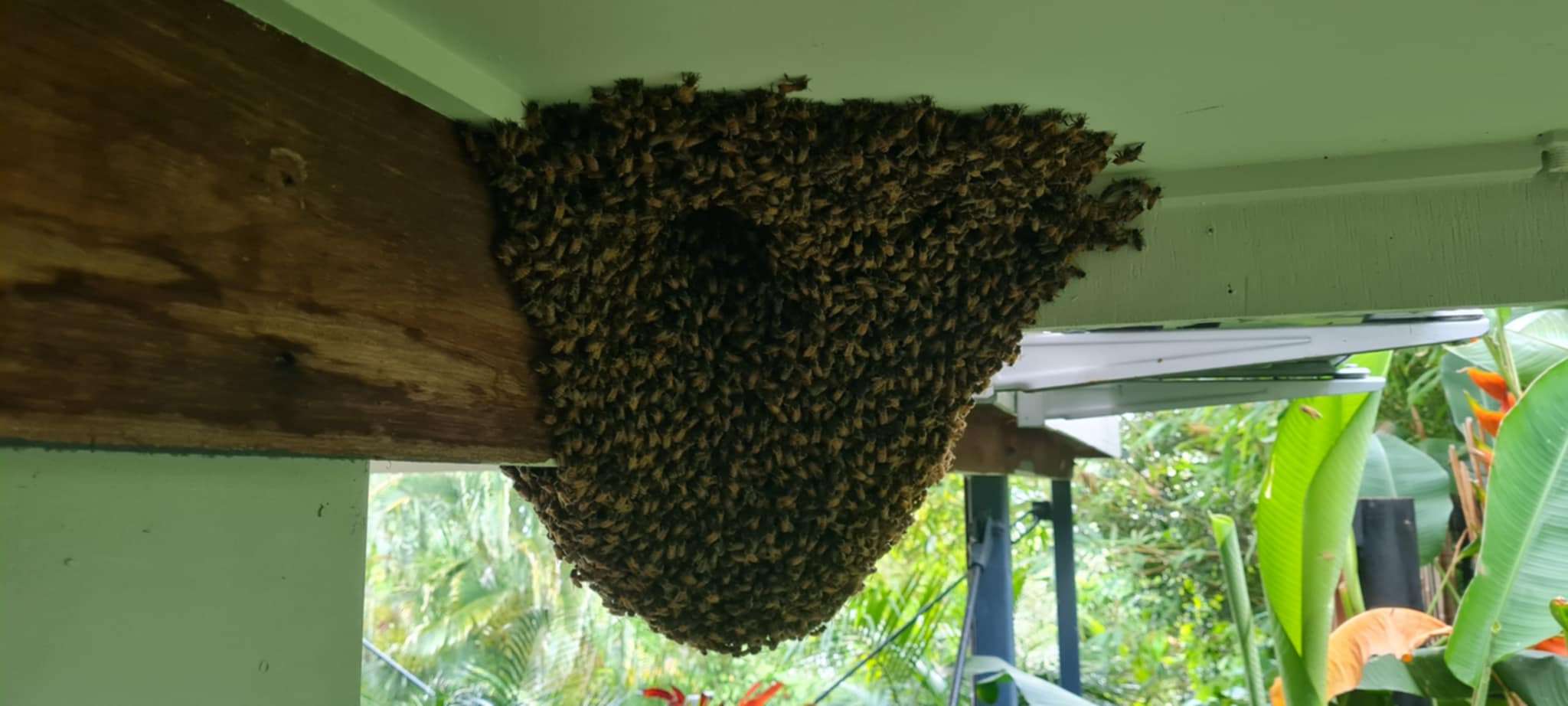
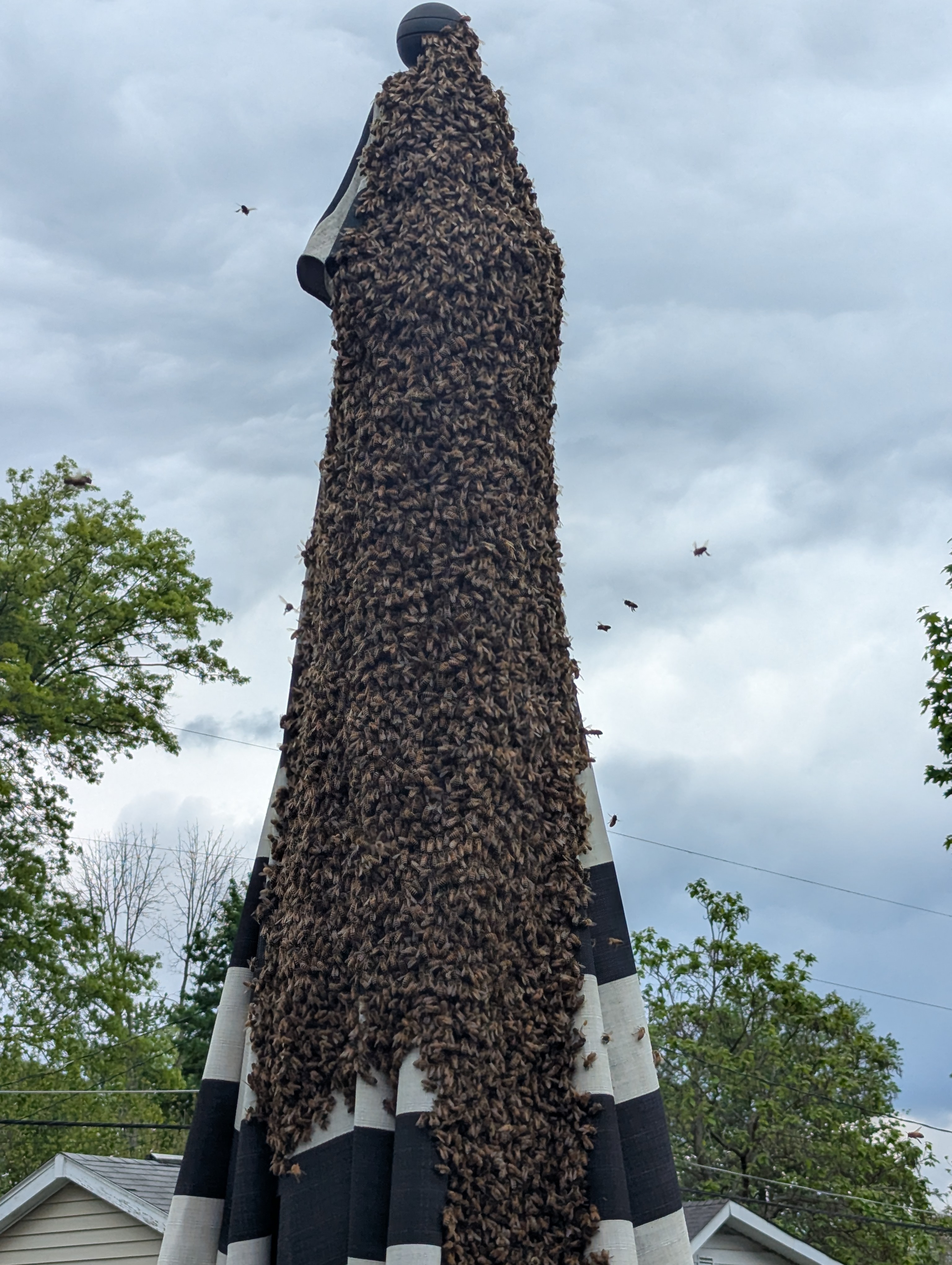
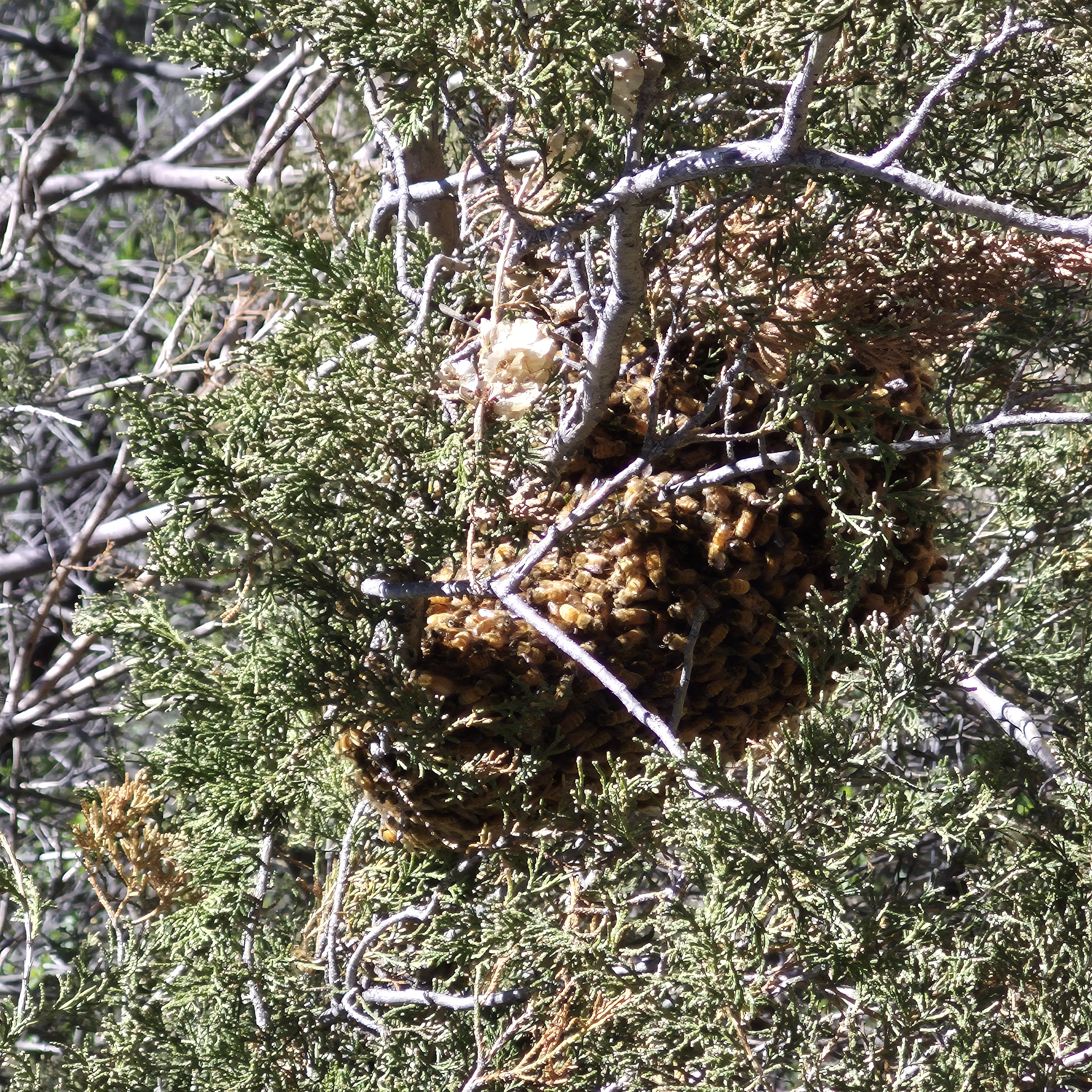
A honey bee swarm is a temporary, transient cluster of bees in search of a permanent residence. It’s crucial to distinguish a swarm from an established hive or a nest of wasps or hornets.
Key characteristics of a honey bee swarm include:
- A Large Cluster: A typical swarm consists of a queen and 10,000 to 30,000 worker bees clinging to each other, often forming a ball or cone shape on a tree limb, fence, or mailbox.
- Docile Behavior: Bees in a swarm are surprisingly gentle. Before leaving their original hive, they fill up on honey, making them full and less inclined to sting. They also have no home, brood, or food stores to defend, so their focus is solely on protecting the queen and finding a new location.
- Temporary Stop: A swarm is just resting. Scout bees fly out from the cluster to search for a suitable new home, such as a hollow tree. The swarm will typically move on within 24 to 72 hours once a location has been chosen.
If you see bees flying in and out of a crack in a wall, a chimney, or a hollow space in a shed, you are likely dealing with an established colony, not a swarm. This distinction is important when seeking help.
Swarm Season Across Ohio
In Ohio, swarm season generally peaks during late spring. As temperatures rise and nectar sources become abundant in areas from Toledo to Columbus, honey bee colonies expand rapidly. When their hive becomes crowded, they initiate the swarming process. While the exact timing can vary with local weather patterns, residents should be most aware of this natural phenomenon as spring progresses.
If you encounter a swarm, the most important thing to do is remain calm. Do not spray the bees with water or pesticides. Simply keep a safe distance and appreciate this incredible natural event from afar. Then, you can take a simple step to help them.
How to Get Ohio Bee Swarm Help
Your first and best action is to contact a local beekeeper. Beekeepers value swarms as a way to start new hives and strengthen their apiaries. They have the expertise and equipment to safely rescue the bees and give them a proper home where they can thrive.
Swarmed provides a free and efficient way to connect with these local experts. Our platform is a non-profit service designed to protect honey bees and support beekeeping communities across Ohio and the nation. When you report a swarm on our website, we instantly alert nearby, registered beekeepers who can respond.
Reporting a swarm is a powerful act of community support. The need for this connection is growing; in some rising hotspots, our network has facilitated the rescue of over 100 swarms in a single season. By making a report, you contribute directly to the health of local bee populations.
**If you see a swarm, you can help bees and your community by reporting it here: https://beeswarmed.org/report-bee-colony (opens in a new tab)
Free Swarm Rescue vs. Paid Colony Removal
Understanding the difference between rescuing a swarm and removing an established colony is key for managing expectations.
Swarm Rescue (Often Free)
Because a swarm is a vulnerable, homeless cluster of bees, beekeepers are typically eager to rescue them at no cost. The bees are easy to access and represent a valuable addition to their apiary. The beekeeper can often gently brush the bees into a special box and transport them to a new, managed hive.
Established Colony Removal (A Paid Service)
If bees have already moved into a structure—like the walls of your house, a shed, or a chimney—they are no longer a swarm. They have become an established colony. They will have built wax comb, started raising young bees (brood), and will be actively defending their home.
Removing an established colony is a complex process called a "cutout." It often requires carpentry skills, specialized equipment to access the bees inside the structure, and careful removal of comb. This is labor-intensive work that can take several hours, and the beekeeper will provide a fair quote for the service based on the complexity, location, and any necessary repairs. Reporting the bees through Swarmed can still connect you with a beekeeper who has the skills for this type of removal.
You Can Be a Hero for Honey Bees
Honey bees are essential for pollinating many of the crops that feed Ohio and the nation. By taking the right steps when you see a swarm, you are playing a direct role in their preservation.
Every swarm reported through our network gives a colony a chance to be safely housed and cared for by a dedicated local beekeeper. It prevents them from settling in undesirable locations where they might be exterminated, and it strengthens the local pollinator population.
Next time you see a buzzing cluster of bees this spring, you'll know exactly what it is and how to provide the Ohio bee swarm help they need. Your quick action ensures a positive outcome for the bees, the beekeepers, and the entire community.
To play your part in protecting these incredible pollinators, please report any honey bee swarms you find. It’s a simple, effective way to make a difference.
**Help protect honey bees in Ohio. Report a swarm today: https://beeswarmed.org/report-bee-colony (opens in a new tab)