
A Beekeeper's Guide to Swarm Season in California
California's Golden Opportunity: Harnessing the Spring Swarm For beekeepers across California, the arrival of spring signals more than just almond blossoms and wildflo...
Read More...May 18, 2026
Home > Blog > North Dakota's Bee Swarm Season: A Guide for Residents
May 6, 2026
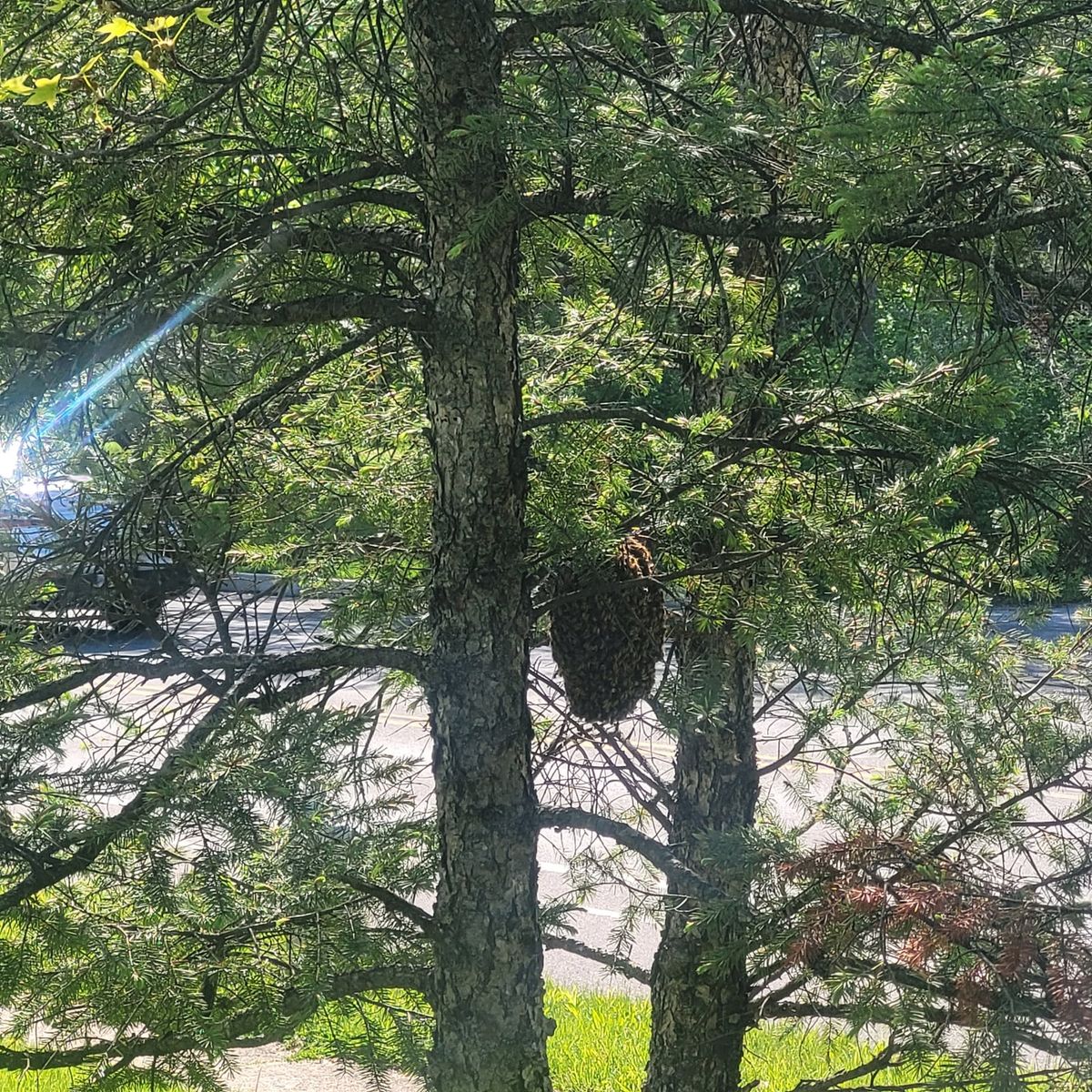
As the snow melts and the prairies come to life, North Dakota experiences a vibrant transformation. This shift also signals the start of an essential natural phenomenon: the honey bee swarm season. For residents in Fargo, Bismarck, and Grand Forks, understanding this process is key to supporting local ecosystems and the beekeepers who manage these vital pollinators. Honey bee swarming is a positive sign of a healthy, growing bee population, not a cause for alarm.
Honey bee colonies reproduce through swarming. When a hive becomes overcrowded in the spring, the old queen and about half the bees leave to find a new home. This group, known as a swarm, temporarily clusters on a tree branch, fence post, or other surface while scout bees search for a suitable permanent location. This is a critical, yet vulnerable, time for the bee colony.
In North Dakota, the bee swarm season typically begins as temperatures consistently rise in late spring and early summer. The bees, having built up their population during the initial spring bloom, are ready to expand. This is when you are most likely to see a swarm in your community.
While a buzzing cluster of thousands of bees can seem intimidating, bees in a swarm are surprisingly docile. They have filled up on honey for their journey and have no home, brood, or food stores to defend. Their primary focus is on finding a new nesting site, making this the ideal time for a beekeeper to provide them with one.
It is essential for the public to understand the difference between a swarm and an established colony, as the response and potential cost differ significantly.
By accurately identifying the situation, you can connect with the right help and understand any associated costs.
When you see a honey bee swarm, you have a unique opportunity to help. The most important action you can take is to report it. Swarmed provides a vital link between the public and local beekeepers, ensuring these bees can be safely rehomed. The platform sends over 100,000 alerts each season, contributing to the rescue of over 350 million bees cumulatively.
The need for community reporting is universal. In states with earlier seasons like Nevada, the Swarmed network trend is already rising, with over 100 swarms already reported. As North Dakota's season begins, your reports will become just as critical.
By reporting a swarm, you are not just solving a problem; you are actively participating in the preservation of honey bees. These bees are given a safe new home where a beekeeper can manage their health and productivity, allowing them to continue their essential work of pollination.
Your report directly supports the dedicated beekeepers in your area. For them, a swarm is a valuable resource—a new colony with strong genetics ready to build a productive hive. Instead of trying to handle the bees yourself or calling an exterminator, a simple report connects these skilled individuals with the bees they are equipped to care for.
This community-based approach strengthens local beekeeping efforts, which in turn supports North Dakota's agriculture through improved pollination of crops. When you help a beekeeper, you are contributing to the health of your local food system and environment.
If you see a cluster of bees, give them space and report their location. A local beekeeper on the Swarmed network will be alerted and can arrange to safely rescue the colony.
This spring, as you enjoy the North Dakota outdoors, keep an eye out for honey bee swarms. Remember that they are a natural and beautiful part of the season. By knowing what to do, you can play a crucial role in protecting these essential pollinators and supporting your local community.
If you see a swarm, do not disturb it. Instead, take a moment to report it. Your simple action ensures the bees are rehomed safely by an experienced beekeeper. Reporting is free for the public; an optional suggested contribution of $12 helps us maintain the platform that makes these rescues possible. To report a swarm and connect with a local beekeeper, please visit https://beeswarmed.org/report-bee-colony (opens in a new tab).
California's Golden Opportunity: Harnessing the Spring Swarm For beekeepers across California, the arrival of spring signals more than just almond blossoms and wildflo...
Read More...May 18, 2026
A Beekeeper's Guide to Swarm Collection in Idaho Spring has arrived in the Gem State, and with it, the unmistakable hum of honey bee swarms. For beekeepers, this is a...
Read More...May 18, 2026