
A Beekeeper's Guide to Swarm Season in California
California's Golden Opportunity: Harnessing the Spring Swarm For beekeepers across California, the arrival of spring signals more than just almond blossoms and wildflo...
Read More...May 18, 2026
Home > Blog > NC's Beekeeper Network Protects Honey Bees
May 6, 2026
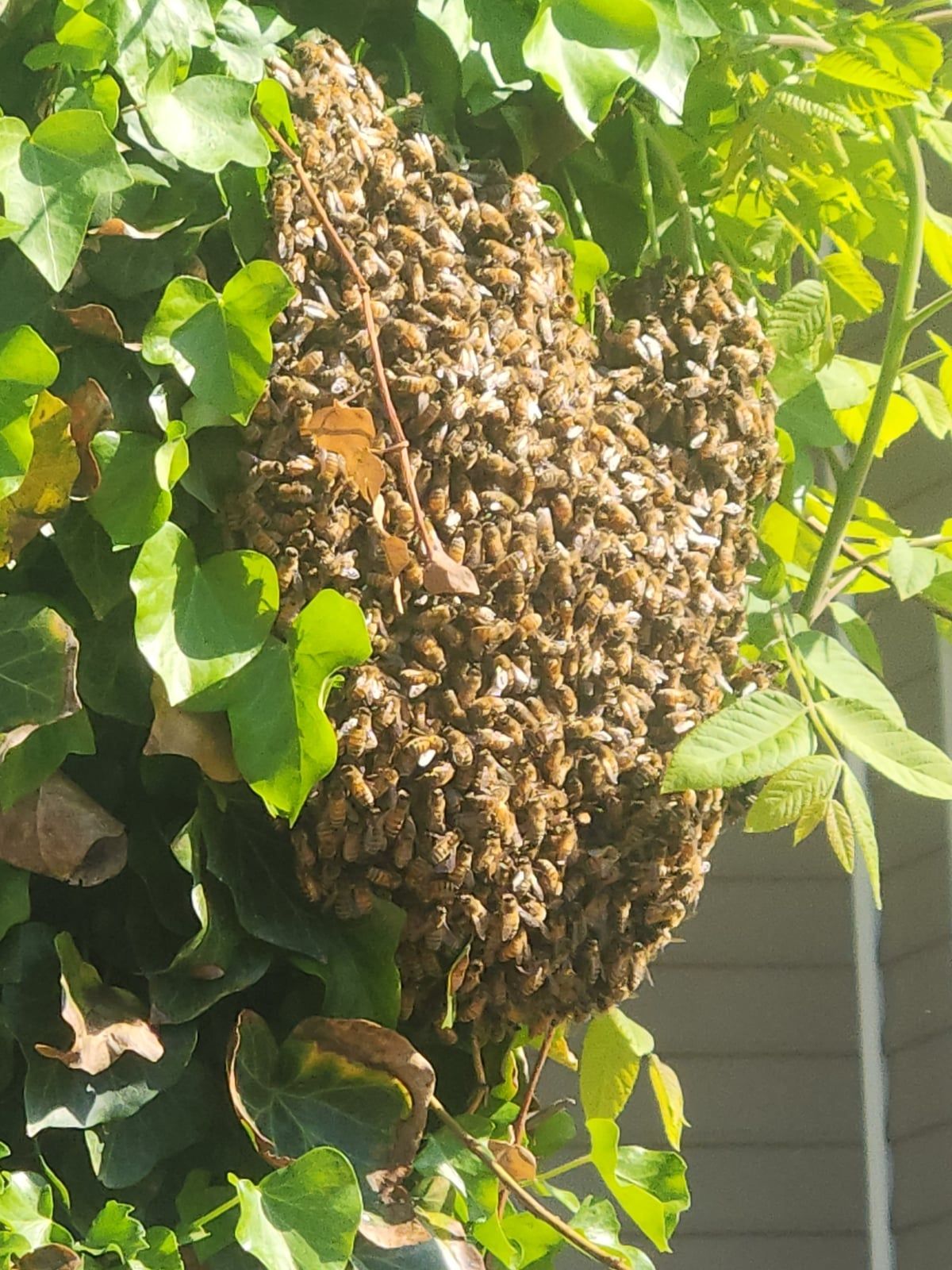
As the warmth of late spring settles over North Carolina, the familiar hum of honey bee activity intensifies. This is the heart of swarm season, a critical period of natural colony reproduction that presents both a challenge and a significant opportunity. For honey bees, it’s a precarious journey. For the public, it can be an alarming sight. For North Carolina beekeepers, it’s a chance to demonstrate the power of a connected, responsive community. The state’s thriving beekeeping scene, particularly in urban and semi-urban centers like Charlotte, Raleigh-Durham, and Asheville, provides a compelling model for how high participation directly translates to successful swarm rescues and improved bee health.
The strength of any response system lies in its density and speed. When a honey bee swarm is reported, the clock starts ticking. A swarm is a transient cluster of bees, usually tens of thousands, with a queen at its center. This group has left its parent hive to find a new home. In this state, the bees are remarkably docile, their stomachs engorged with honey for the journey, and they have no brood or stores to defend. They are a valuable prize for any beekeeper—a healthy, genetically diverse, and free colony ready for a new hive.
This is fundamentally different from an established colony. Once bees move into a structure, like a wall or a shed, and begin building comb, they are no longer a swarm. They are an established hive, and their removal is a complex task known as a “cutout.” This process requires carpentry skills, specialized equipment, and significant time to remove bees, brood, and comb from within a structure. Cutouts are a paid service, quoted based on the complexity of the job. Swarm collection, by contrast, is a straightforward rescue that most beekeepers are eager to perform at no cost.
A dense network of beekeepers means someone is always nearby. Fast response times are crucial. A swarm that lingers for more than 72 hours is more likely to take up residence in an undesirable location, transitioning from a simple rescue to a costly removal. A strong community of North Carolina beekeepers creates a safety net, ensuring that when a report comes in, a knowledgeable local is ready to respond.
North Carolina's diverse geography and culture are reflected in its beekeeping communities, each with a unique role to play.
The Charlotte metro area is a prime example of beekeeping in a densely populated environment. With more people comes a higher likelihood of human-bee interactions and, consequently, more swarm reports. Urban beekeepers in Charlotte are on the front lines of public education, demonstrating that honey bees can coexist peacefully in cities. Every successful swarm rescue in a public park, a suburban backyard, or a commercial district reinforces a positive message about honey bees. For beekeepers here, being part of a coordinated network means having access to a steady stream of local, urban-acclimated genetic stock to build resilient apiaries.
Home to leading universities and a thriving tech industry, the Raleigh-Durham area fosters a beekeeping community that is both scientifically-minded and technologically adept. Beekeepers in the Triangle are often early adopters of new management techniques and tools that improve colony health. The concentration of knowledge-sharing through clubs and associations in this region is immense. This creates a highly effective environment for swarm rescue, where best practices are quickly disseminated and beekeepers are well-equipped to handle any situation. A connected network here leverages this expertise, ensuring rescues are not only fast but also follow the highest standards of care.
In the mountains surrounding Asheville, beekeeping takes on a special significance. The region's eco-conscious ethos means residents are more inclined to seek help for bees rather than harm them. For beekeepers, this provides a unique opportunity to preserve and propagate local mountain bee genetics, which are often well-suited to the area's specific climate and forage. A swarm from a survivor colony in the Blue Ridge Mountains is a genetic treasure. By connecting local beekeepers to these valuable swarms, a network ensures this hardy stock continues to thrive, strengthening the regional bee population against pests and disease.
The importance of a dense beekeeper network cannot be overstated. Consider a state with a different landscape, like Nevada. Last season, a small group of just five registered beekeepers there responded to over one hundred swarm alerts. While their dedication is incredible, it highlights the strain a small network can face. Each beekeeper must cover a vast territory, potentially leading to slower response times, missed opportunities, and a declining trend in successful rescues. This contrasts sharply with the potential in North Carolina, where a larger, more distributed network can share the responsibility, reduce travel time, and ensure nearly every reported swarm finds a new home.
This is where a modern tool can amplify the inherent strength of the North Carolina beekeeping community. The Swarmed platform is designed to make the connection between a reported swarm and a local beekeeper seamless and instantaneous. When a member of the public reports a swarm on our platform, the system immediately sends a free notification to registered beekeepers in the immediate vicinity.
For North Carolina beekeepers, joining this network offers clear advantages:
Your participation strengthens the entire system. More beekeepers on the network means greater coverage, faster rescues, and better outcomes for bees across the state. You become part of a powerful, collaborative effort to protect honey bees, one swarm at a time.
We invite you to become a part of North Carolina's growing swarm rescue network. By adding your name to the list of available beekeepers, you enhance the state's collective ability to protect these essential pollinators while gaining access to valuable local bee stock. Sign up today to receive free, no-commitment swarm alerts in your area. Join the Swarmed beekeeper network at https://beeswarmed.org/beekeeper-signup.
California's Golden Opportunity: Harnessing the Spring Swarm For beekeepers across California, the arrival of spring signals more than just almond blossoms and wildflo...
Read More...May 18, 2026
A Beekeeper's Guide to Swarm Collection in Idaho Spring has arrived in the Gem State, and with it, the unmistakable hum of honey bee swarms. For beekeepers, this is a...
Read More...May 18, 2026