
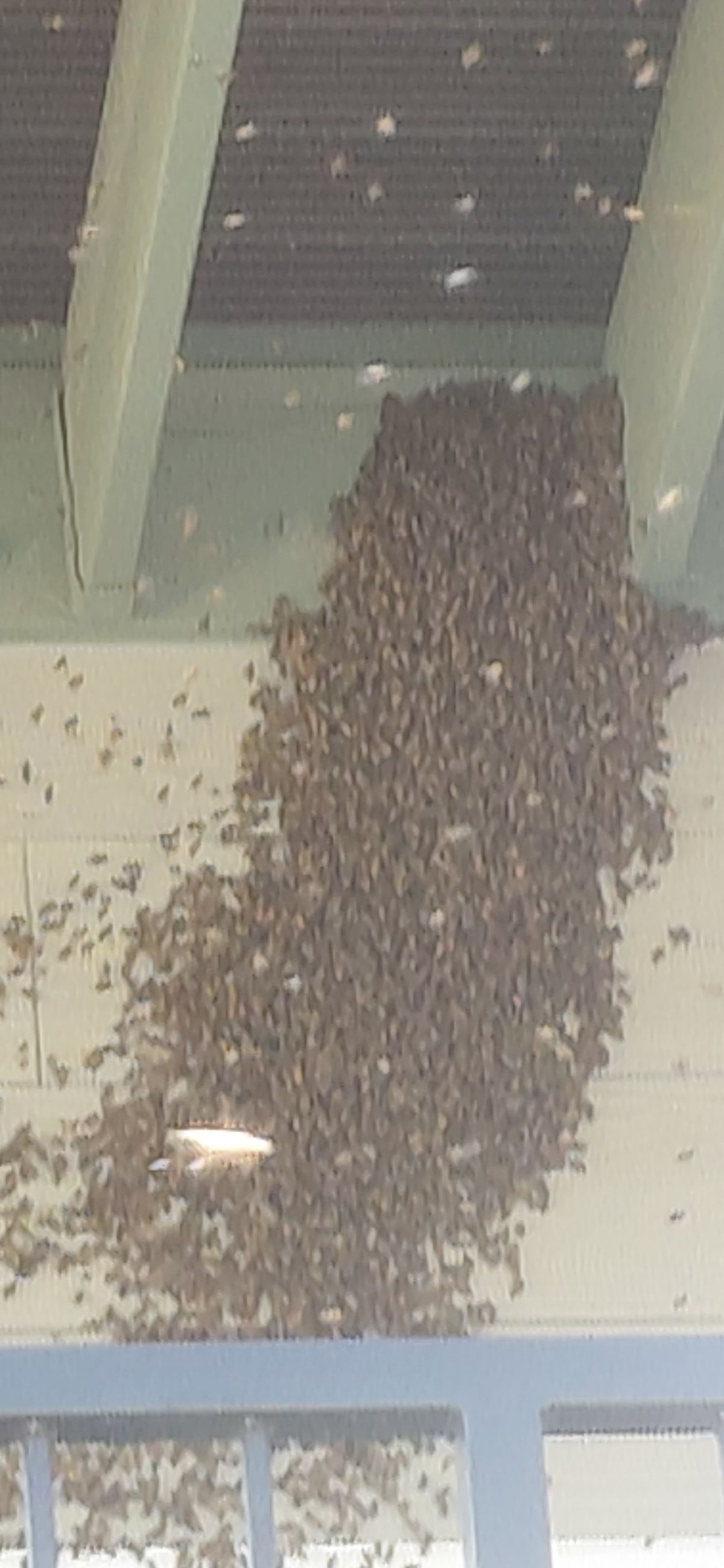
A Beekeeper's Guide to Swarm Season in California
California's Golden Opportunity: Harnessing the Spring Swarm For beekeepers across California, the arrival of spring signals more than just almond blossoms and wildflo...
Read More...May 18, 2026
Home > Blog > New Mexico Bee Swarm Help: A Guide for Spring
May 6, 2026
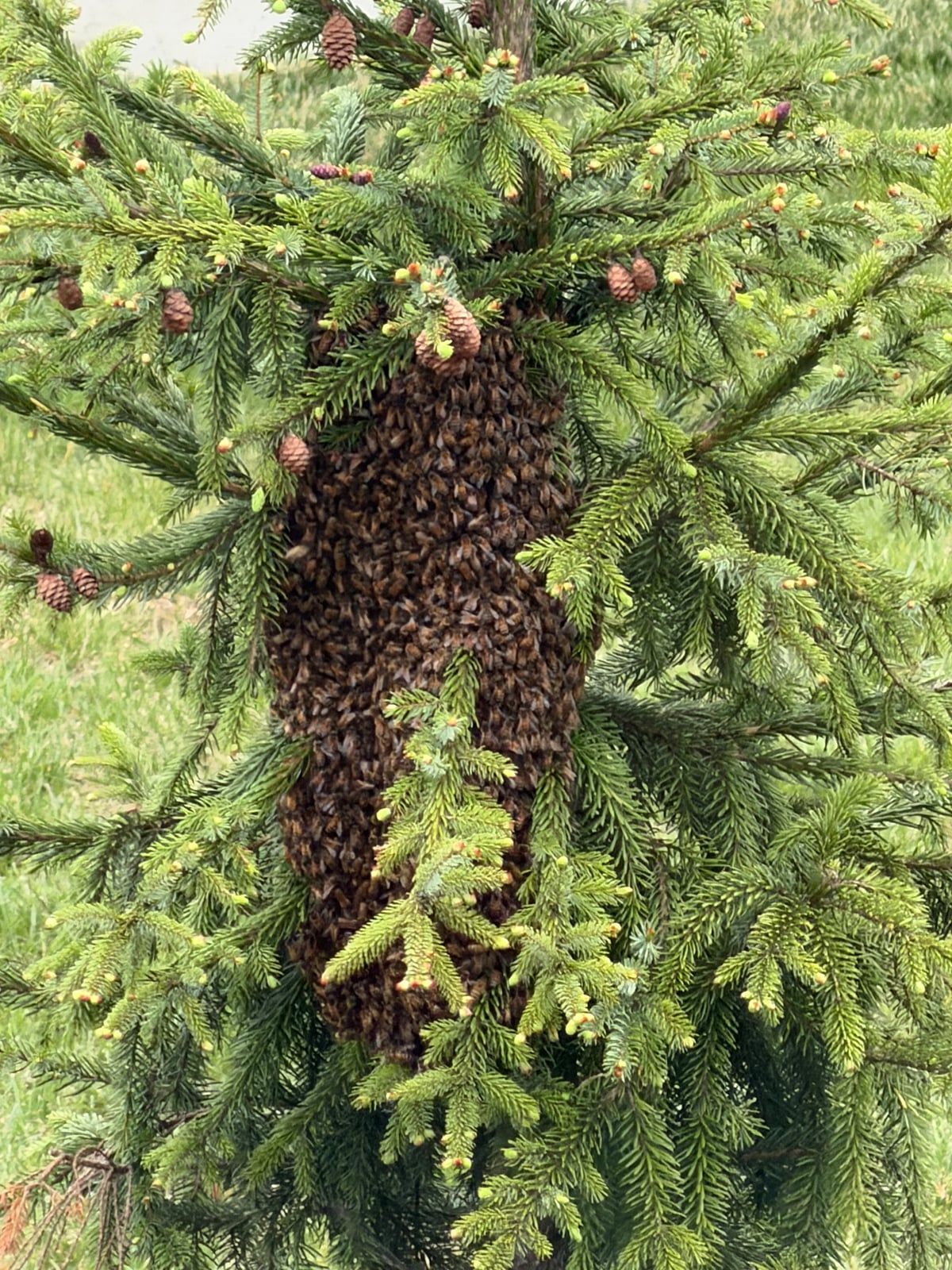
As the desert blooms and the days grow longer across New Mexico, from the Rio Grande Valley in Albuquerque to the high desert of Santa Fe, you might notice a remarkable natural event: a honey bee swarm. This swirling, buzzing cluster of thousands of bees can seem alarming, but it's a beautiful and vital part of their life cycle. Understanding what a swarm is and how to react is key to protecting these essential pollinators and ensuring community safety. This guide provides the New Mexico bee swarm help you need.
A honey bee swarm is a colony on the move. It’s how bees reproduce at a colony level. When a hive becomes overcrowded, the old queen and about half the bees leave to find a new home. They gorge on honey before they depart and cluster on a temporary resting spot—like a tree branch, a fence post, or a mailbox—while scout bees search for a suitable permanent cavity.
Key characteristics of a swarm:
It’s crucial to distinguish between a swarm and an established colony, as the response and resolution are very different.
Swarmed is designed to connect you with beekeepers for swarm rescue. If you have an established colony, a beekeeper from our network can still help by providing a professional assessment and quote for the removal.
In New Mexico, swarm season typically kicks into high gear during the warmer months of spring. As temperatures rise consistently in communities like Las Cruces, Roswell, and across the state, honey bee colonies expand rapidly, triggering the swarming instinct. While timing can vary based on local climate and elevation, late spring is the peak period to be on the lookout for swarms.
Seeing a swarm is an opportunity to help honey bees. Instead of calling an exterminator, you can connect with a local beekeeper who can give the bees a safe new home. This is where Swarmed makes a difference.
By reporting a swarm, you:
The process is simple. If you see a swarm, keep a safe distance, take a photo if possible, and report it on our platform.
**Your primary call to action is to report the swarm here: https://beeswarmed.org/report-bee-colony (opens in a new tab).** Our system instantly alerts nearby, registered beekeepers who can respond to rescue the bees.
"Every swarm reported is a direct contribution to pollinator health," says Dr. Elara Vance, Swarmed's Director of Beekeeper Relations. "Our platform facilitates over 100,000 alerts each season, connecting the public with local experts who can help. Cumulatively, our network has helped save over 350 million bees. When someone in New Mexico reports a swarm, they become part of a nationwide success story."
The impact is clear in neighboring regions. In Nevada, for example, the community helped local beekeepers rescue over 100 swarms last year through the Swarmed network, showcasing the power of a coordinated community response.
For beekeepers in New Mexico managing their hives this spring, proper ventilation is key to preventing premature swarming. A simple trick is to create a small upper entrance. Placing a penny between your upper box and your inner cover can create the perfect amount of ventilation and an extra exit point, helping to reduce congestion and the swarming impulse.
This spring, when you see a cluster of bees in your New Mexico community, you'll know exactly what it is: a colony in transition, looking for a home. By taking a moment to report it, you provide essential New Mexico bee swarm help. You connect a local beekeeper with a valuable resource and ensure these vital pollinators continue their important work. Protect our bees and support your local beekeeping community.
If you see a swarm, don't wait. Report it to Swarmed and let a local expert handle the rest: https://beeswarmed.org/report-bee-colony (opens in a new tab).
California's Golden Opportunity: Harnessing the Spring Swarm For beekeepers across California, the arrival of spring signals more than just almond blossoms and wildflo...
Read More...May 18, 2026
A Beekeeper's Guide to Swarm Collection in Idaho Spring has arrived in the Gem State, and with it, the unmistakable hum of honey bee swarms. For beekeepers, this is a...
Read More...May 18, 2026