
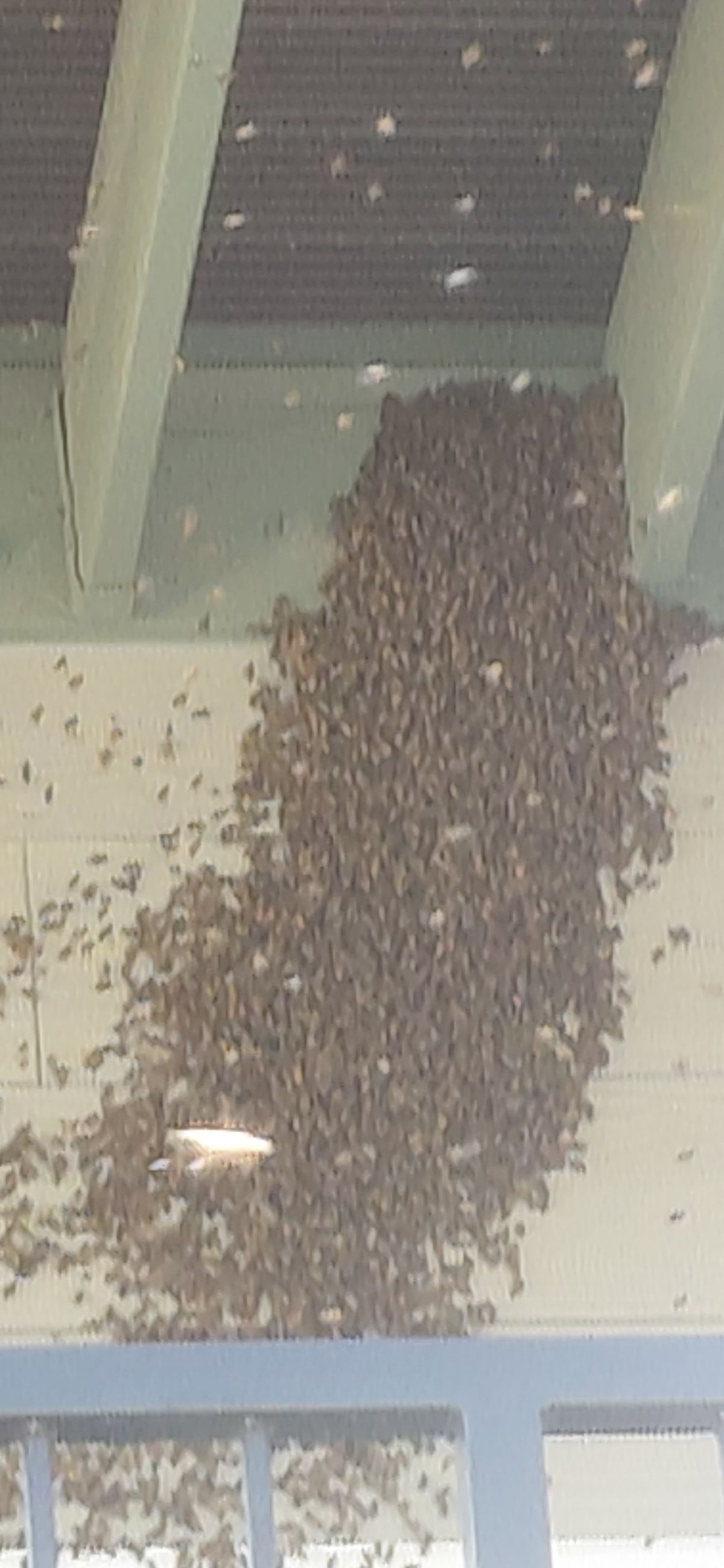
A Beekeeper's Guide to Swarm Season in California
California's Golden Opportunity: Harnessing the Spring Swarm For beekeepers across California, the arrival of spring signals more than just almond blossoms and wildflo...
Read More...May 18, 2026
Home > Blog > A Guide to New Jersey's Spring Bee Swarm Season
May 6, 2026
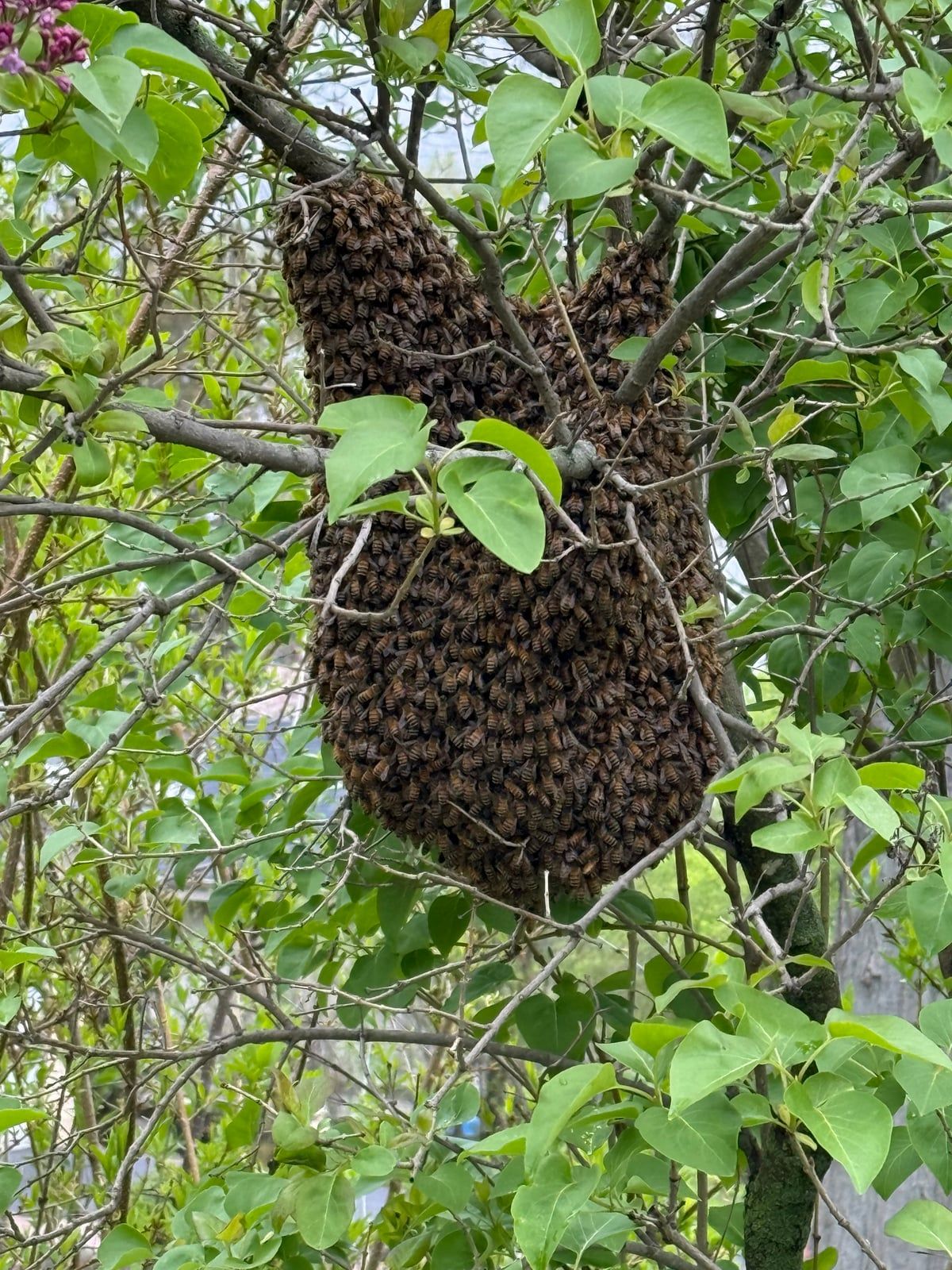
Spring in New Jersey brings blooming landscapes and warmer weather, signaling a time of renewal and growth. From the urban centers of Newark and Jersey City to the capital in Trenton, this season also marks the beginning of honey bee swarm season. Seeing a large cluster of thousands of bees on a tree branch or fence post can be startling, but it's a natural and fascinating part of the honey bee life cycle. Understanding what a swarm is and what to do is crucial for both public safety and the health of these essential pollinators.
This guide provides clear information on what to do if you encounter a honey bee swarm and how you can help by connecting with local beekeepers for safe, and often free, New Jersey bee swarm removal.
A honey bee swarm is a colony in the process of moving. When a healthy hive becomes overcrowded, the original queen bee leaves with about half of the worker bees to find a new home. The bees left behind will raise a new queen to continue the original colony.
The cluster of bees you see, whether in a park in Atlantic City or on a suburban mailbox, is a temporary resting spot. The bees are not aggressive in this state. They have filled up on honey before leaving their old home and have no brood or food stores to defend. Their primary focus is on protecting the queen at the center of the cluster while scout bees search for a suitable permanent location. This resting period typically lasts only 24 to 72 hours.
It is vital to distinguish a docile honey bee swarm from more defensive insects like wasps or hornets, which have distinctly different behaviors and appearances.
Understanding the difference between a swarm and an established hive is key, as it determines the complexity and cost of removal.
Swarmed helps connect you with beekeepers for both scenarios, but it's important to have clear expectations about the service required.
Across New Jersey, peak swarm season typically runs from late April through June. The likelihood of swarming increases on warm, sunny days that follow a stretch of rainy weather, as the bees are eager to get out and find a new home.
You can find swarms in a variety of places, but they often choose sturdy, accessible spots to rest temporarily. Common locations include:
By staying aware during these peak spring months, you can play a positive role in ensuring these bees are safely relocated.
Reporting a swarm is a simple act that has a significant positive impact. Instead of calling an exterminator or leaving the bees to chance, you can ensure their survival and support the local ecosystem.
The Swarmed platform is a free-to-use dispatch system that instantly notifies nearby beekeepers when you report a swarm. A beekeeper can then claim the job and arrange for a safe and professional rescue.
If you encounter a swarm, follow these simple steps:
By taking these steps, you become a crucial link in the chain of honey bee conservation.
From the bustling cities to the quiet shore towns, every New Jersey resident can contribute to the well-being of our most important pollinators. Honey bee swarms are not a threat but an opportunity—an opportunity to witness a natural wonder and to act as a steward for the environment.
If you see a honey bee swarm, don't hesitate. Help protect these bees and support your local beekeeping community. To report a swarm and connect with a nearby beekeeper for safe removal, please visit https://beeswarmed.org/report-bee-colony. Your report can make all the difference.
California's Golden Opportunity: Harnessing the Spring Swarm For beekeepers across California, the arrival of spring signals more than just almond blossoms and wildflo...
Read More...May 18, 2026
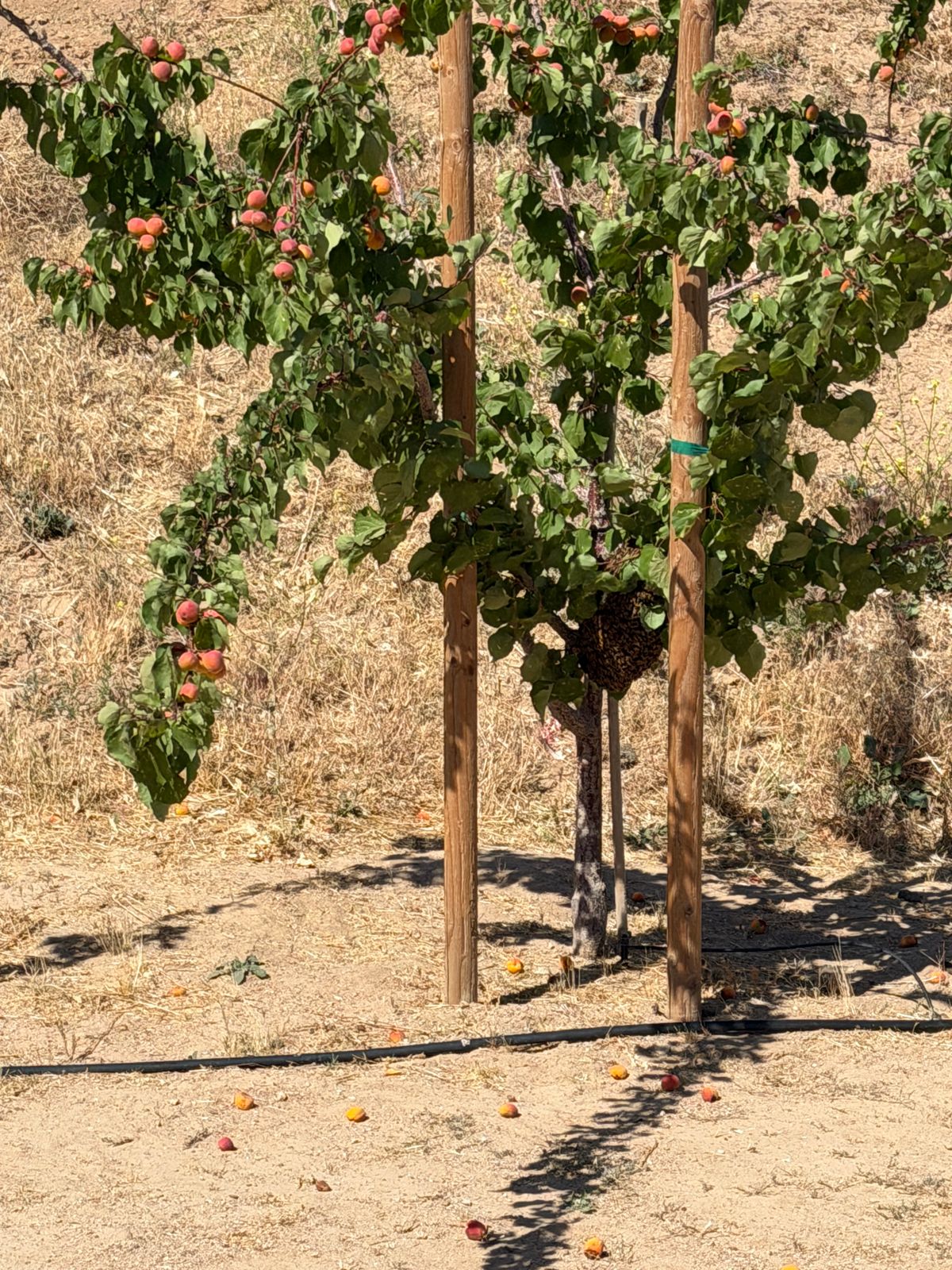
A Beekeeper's Guide to Swarm Collection in Idaho Spring has arrived in the Gem State, and with it, the unmistakable hum of honey bee swarms. For beekeepers, this is a...
Read More...May 18, 2026