
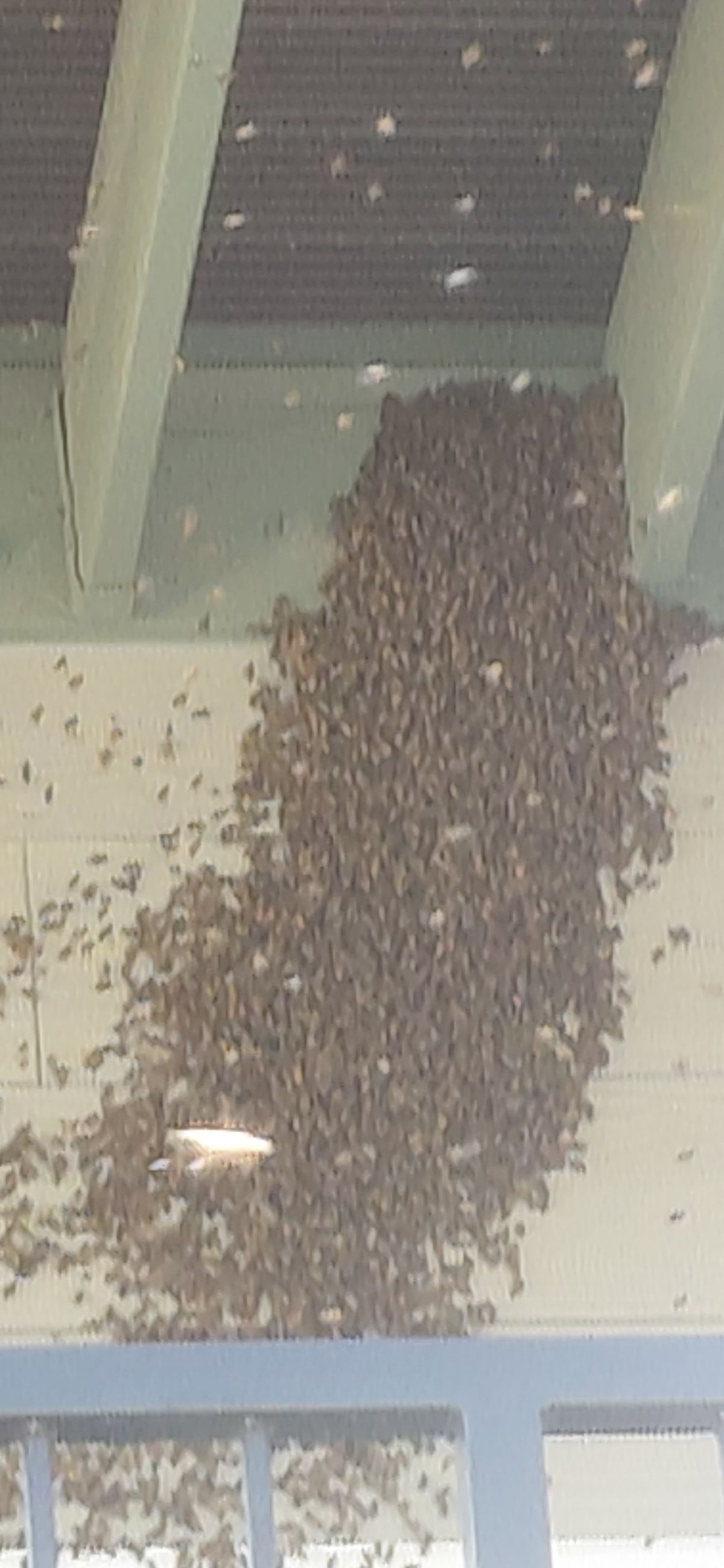
A Beekeeper's Guide to Swarm Season in California
California's Golden Opportunity: Harnessing the Spring Swarm For beekeepers across California, the arrival of spring signals more than just almond blossoms and wildflo...
Read More...May 18, 2026
Home > Blog > A Guide to the New Hampshire Bee Swarm Season
May 6, 2026
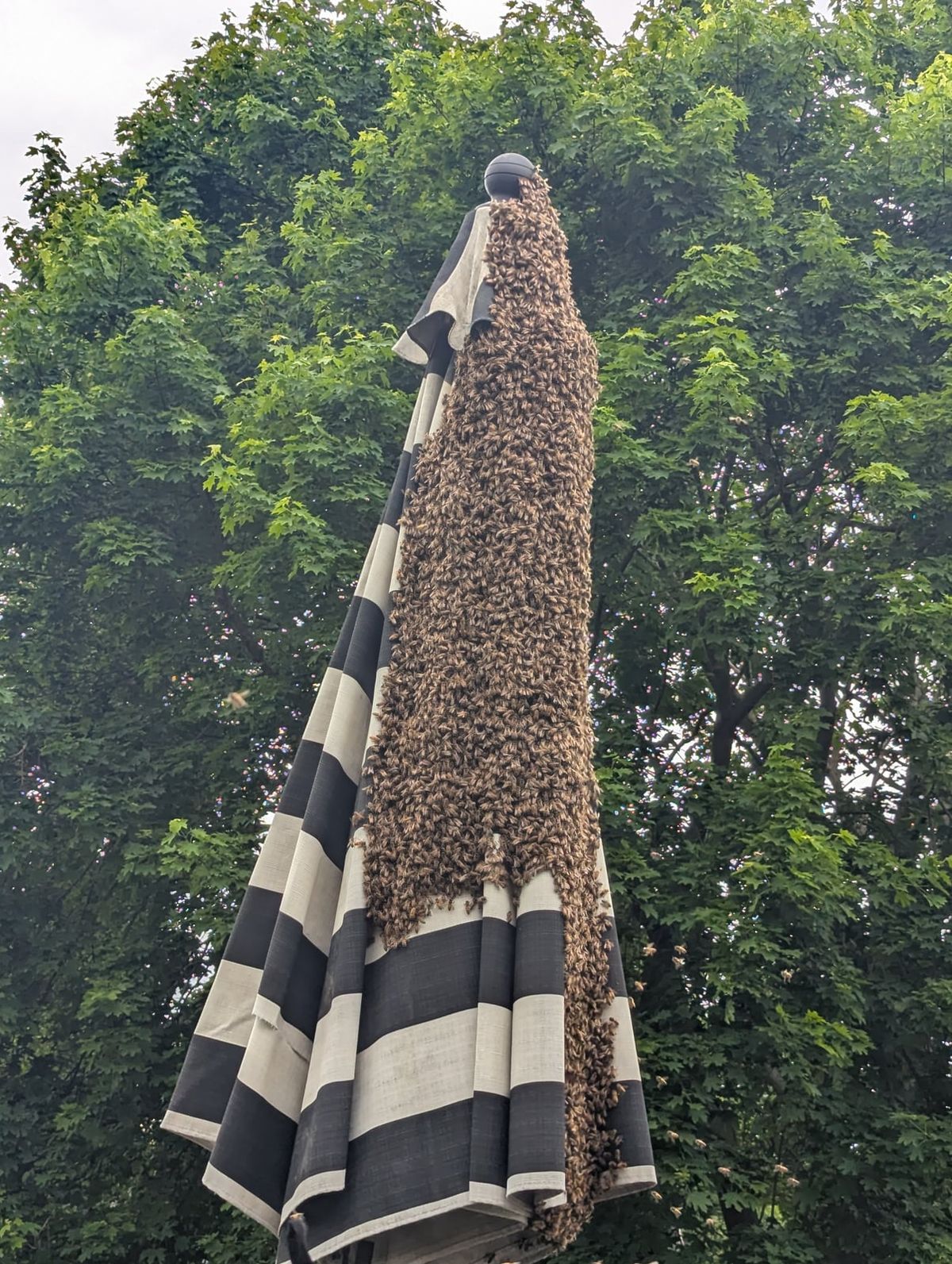
As the snow melts and signs of spring emerge across New Hampshire, from the streets of Manchester to the neighborhoods of Concord and Nashua, another natural phenomenon begins: the honey bee swarm season. This annual event is a vital part of the honey bee life cycle, and understanding it allows residents to play a crucial role in protecting these essential pollinators.
A honey bee swarm is a remarkable sight. It is a large cluster of bees, often numbering between 10,000 and 30,000, that has temporarily gathered on a tree branch, fence post, or building exterior. This is not an angry mob of bees; it is a colony in transit. The old queen, along with a portion of the worker bees, has left her original hive to find a new home, making way for a new queen to take over.
During this phase, the bees are surprisingly docile. They have filled up on honey for their journey and have no home, brood, or food stores to defend. Their primary focus is protecting the queen at the center of the cluster and sending out scout bees to find a suitable new nesting location. A swarm is a temporary stop, usually lasting only 24 to 72 hours, while they make this important decision.
It is critical for homeowners to understand the difference between a transient swarm and an established colony, as the response and resolution for each are very different.
The New Hampshire bee swarm season typically begins in late spring and can extend into early summer. As temperatures warm and flowering plants provide abundant nectar, healthy colonies grow rapidly. This growth is the primary trigger for swarming. Residents in Manchester, Concord, and Nashua can expect to see swarm activity increase as the landscape comes into full bloom.
Keeping an eye out during this period and knowing how to respond is the best way to help these pollinators.
When you see a honey bee swarm, you have an opportunity to support local ecology and beekeeping. The Swarmed platform connects people who spot swarms with a network of local, vetted beekeepers ready to rescue them. The process is designed to be simple, efficient, and safe for both people and bees.
The need for this coordination is significant. While New Hampshire's season gets underway, other states with earlier springs demonstrate the volume of activity; in Nevada, for instance, the Swarmed network has already processed alerts for over 100 swarms this season.
By using the Swarmed network, you are helping to:
If you encounter a honey bee swarm, your actions can make a significant difference. Follow these simple steps:
Your participation is essential for the well-being of honey bees in our state. By reporting a swarm, you are not just solving a potential issue for your property; you are actively contributing to the health of New Hampshire's ecosystem. Take a moment to report any swarm you see and become a part of the solution.
To help protect honey bees and support your local beekeeping community, please report any swarms you find at https://beeswarmed.org/report-bee-colony (opens in a new tab).
California's Golden Opportunity: Harnessing the Spring Swarm For beekeepers across California, the arrival of spring signals more than just almond blossoms and wildflo...
Read More...May 18, 2026
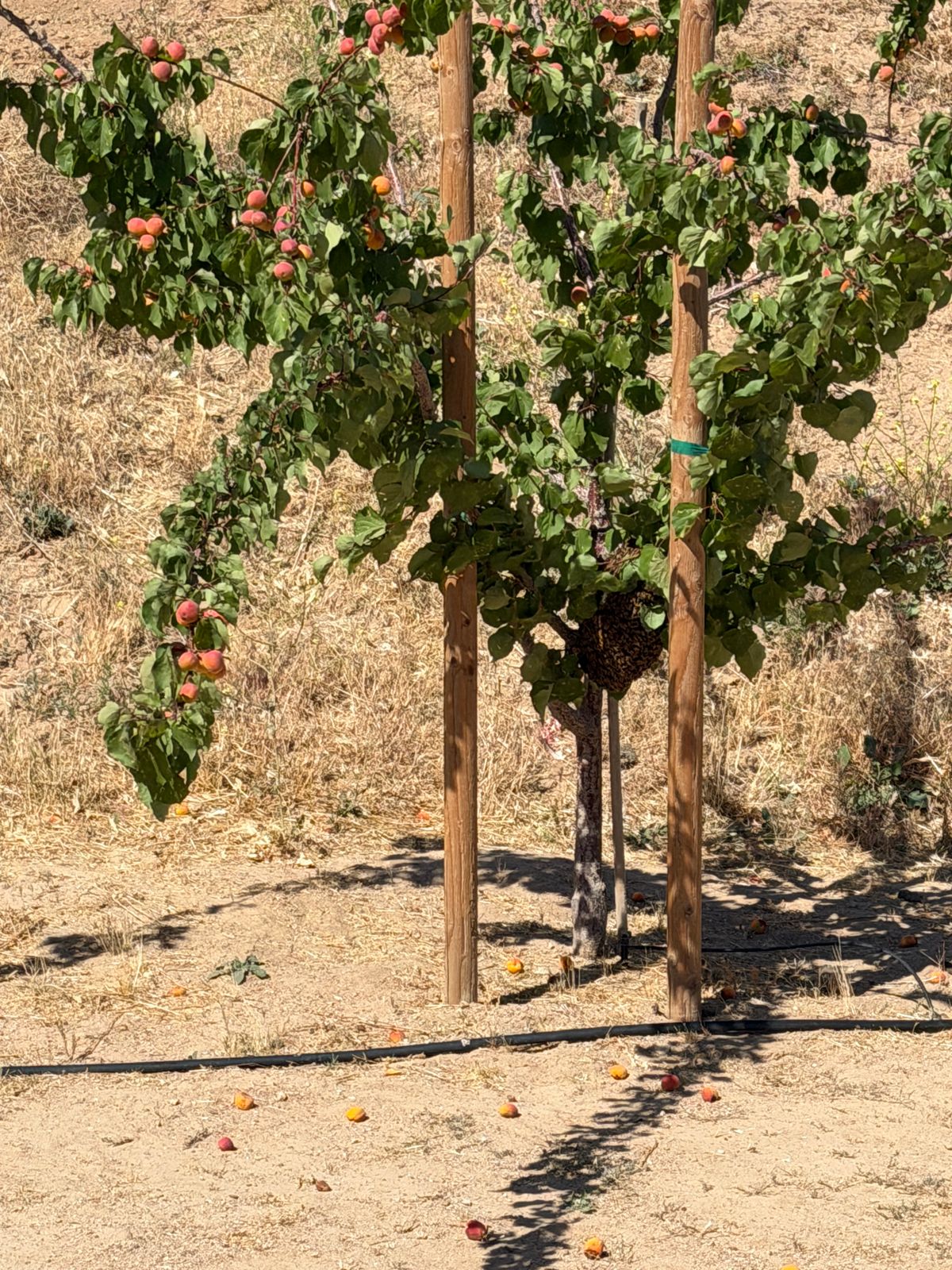
A Beekeeper's Guide to Swarm Collection in Idaho Spring has arrived in the Gem State, and with it, the unmistakable hum of honey bee swarms. For beekeepers, this is a...
Read More...May 18, 2026