A Guide to Honey Bee Swarms in the Silver State
As spring temperatures warm the diverse landscapes of Nevada, from the Mojave Desert surrounding Las Vegas to the Sierra Nevada foothills near Reno, the state’s honey bee populations begin to stir. This is a time of renewal and growth, marked by a fascinating natural phenomenon: the honey bee swarm. Seeing a large cluster of thousands of bees can be alarming, but it’s a sign of a healthy, thriving bee colony, and it presents a crucial opportunity for the community to help protect these vital pollinators.
What is a Honey Bee Swarm?
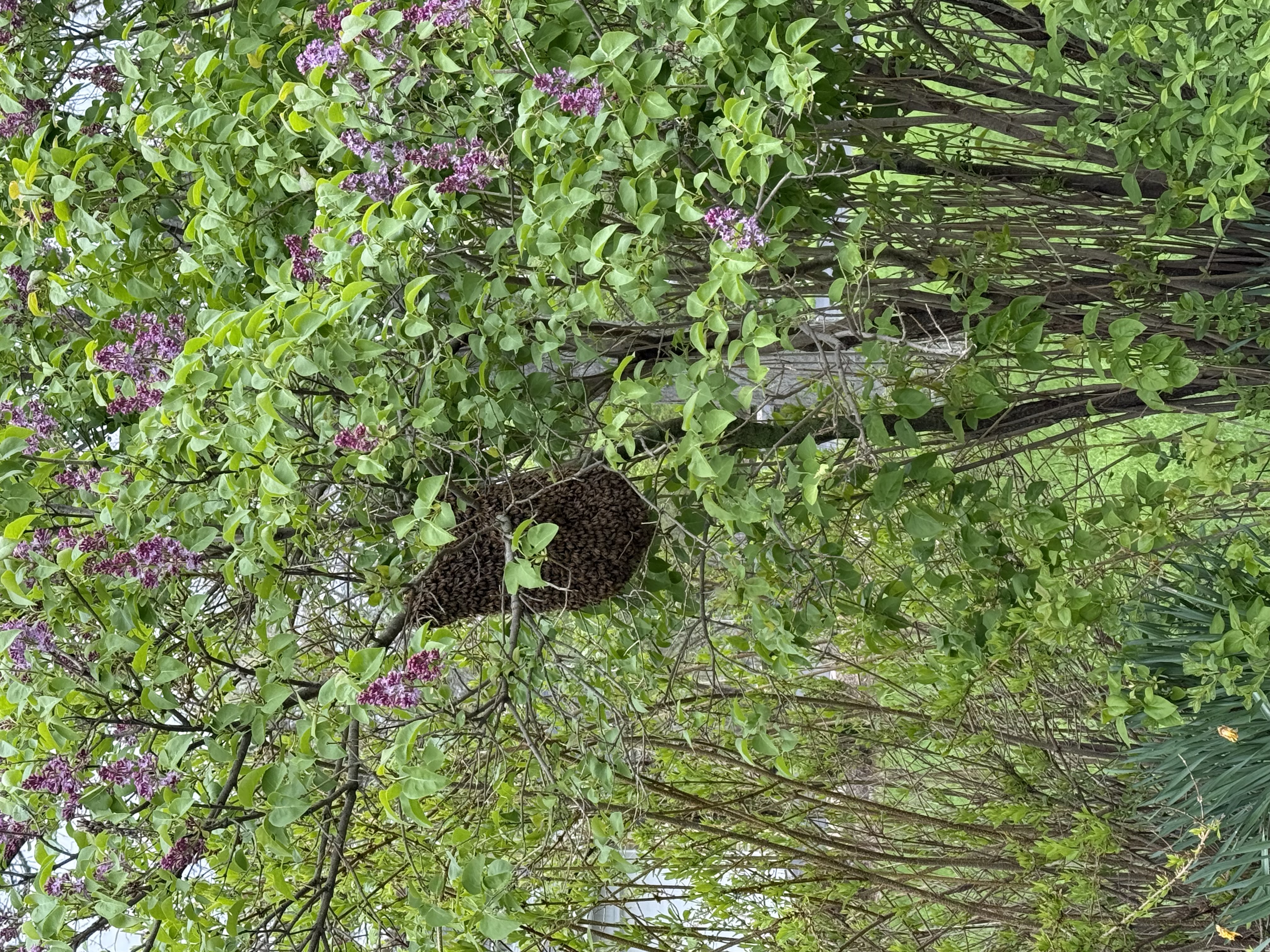
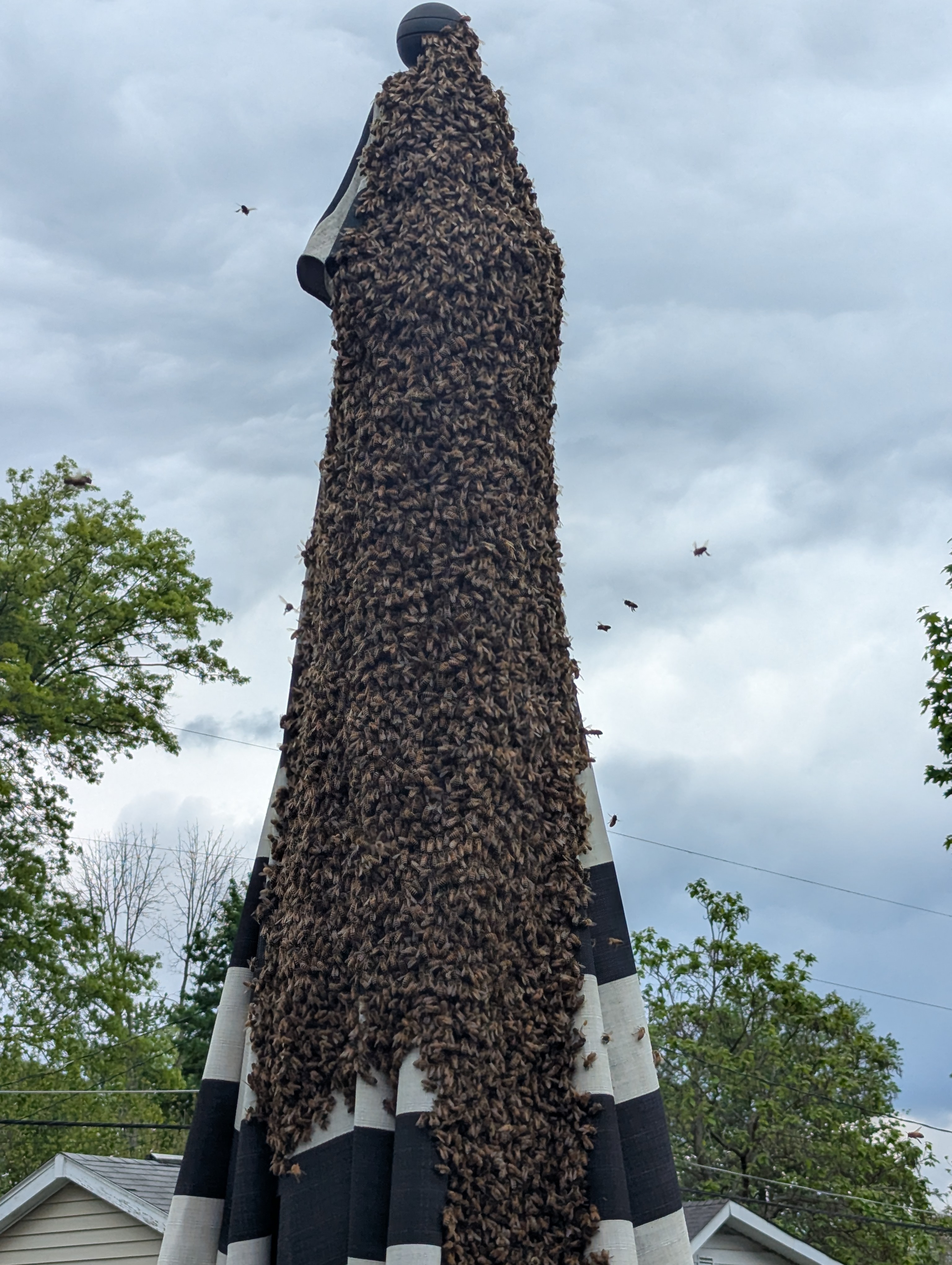
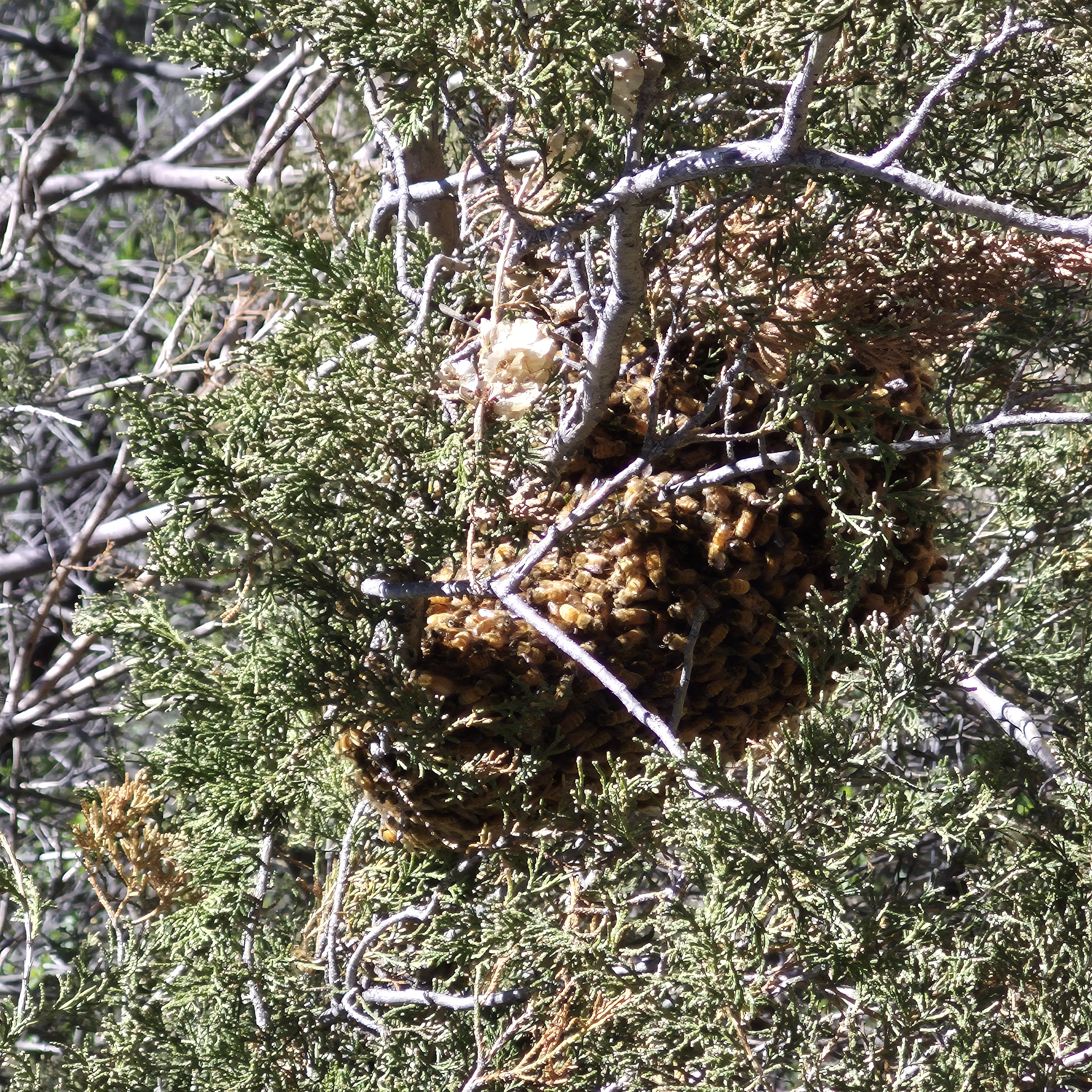
A honey bee swarm is the natural way a colony reproduces. When a hive becomes overcrowded, the old queen bee leaves with about half of the worker bees—anywhere from 10,000 to 30,000 individuals—to find a new home. The bees that remain will raise a new queen to continue the original colony.
While en route, these traveling bees will land and form a dense, buzzing cluster on a tree branch, fence post, or the side of a building. This cluster is a temporary resting spot, typically lasting only 24 to 72 hours, while scout bees search for a suitable permanent location. The bees in a swarm are surprisingly docile. Before leaving their original hive, they fill up on honey, making them lethargic and less inclined to sting. They have no home, no brood, and no honey stores to defend, so their primary focus is on finding their next home peacefully.
Swarm vs. Established Hive: A Critical Difference for Homeowners
Understanding the difference between a swarm and an established hive is key, as it determines the process and potential cost of removal.
- Swarm: A temporary, exposed cluster of bees resting while they look for a new home. They have not built any wax comb. Because beekeepers value these bees for starting new hives, swarm rescue is normally free. Local beekeepers are often eager to come and give these bees a new home in their apiary.
- Established Hive or Colony: Bees that have moved into a structure and started building comb. This could be inside a wall, a roof, a shed, or an old tree. These bees are no longer transient. They have brood (young bees) and honey to protect, making them defensive. Removing an established colony is a complex process known as a “cutout,” which requires carpentry skills and specialized equipment to open the structure, carefully remove the bees and comb, and repair the damage. This is labor-intensive work, and removal costs money. A beekeeper will provide a fair quote based on the complexity, location, and time required.
Nevada's Unique Swarm Season: From South to North
Nevada's varied climate means that swarm season doesn't arrive all at once. In the warmer regions of Southern Nevada, including Las Vegas and Henderson, honey bees become active much earlier. Swarms can begin to appear as early as March, peaking through April and early spring.
In the cooler, high-desert climate of Northern Nevada, from Carson City to Reno, the season starts later. Beekeepers in this region typically see swarms beginning in late April and continuing through the early summer months. This staggered season highlights the importance of a statewide network that can respond to bee activity whenever and wherever it occurs.
Why Your Nevada Bee Swarm Report Matters
When you see a swarm, you have a chance to make a positive impact. Reporting it is one of the most helpful things you can do for honey bees and your local community.
- Protect Honey Bees: Left on their own, swarms may establish a new home in an undesirable location where they could be considered a nuisance and face extermination. A proper report leads to safe rescue.
- Support Local Beekeepers: A swarm is a valuable resource for a beekeeper, allowing them to strengthen their apiaries and continue their important work of pollination and honey production. Last season, community reports helped connect beekeepers with over 100 swarms across the state.
- Ensure Public Safety: By connecting the swarm with a professional beekeeper, you ensure it is handled safely and responsibly, preventing potential conflicts between bees and people.
How to Safely Report a Bee Swarm
If you encounter a honey bee swarm, there's no need to panic. Follow these simple steps to ensure a safe outcome for both you and the bees:
- Keep a Safe Distance: While swarms are docile, it's best to observe from a distance and not disturb the cluster. Keep pets and children away.
- Do Not Spray the Bees: Never spray a swarm with water or insecticide. This will not make them leave and may provoke a defensive reaction.
- Note the Details: Observe where the swarm is located, how high it is, and how large the cluster is. A photo from a safe distance is very helpful for the beekeeper.
- File a Report: The quickest and most effective way to get help is to file a Nevada bee swarm report through a centralized dispatch system. The Swarmed platform instantly alerts a network of local, vetted beekeepers who are ready to respond. You can submit a report here: https://beeswarmed.org/report-bee-colony (opens in a new tab).
Connecting finders with beekeepers is what the Swarmed network is designed for. Your report provides the necessary information for a beekeeper to quickly and safely rescue the colony and relocate it to a managed apiary where it can thrive.
You Can Be a Hero for Honey Bees
Every swarm of honey bees represents the future of a colony—a future that is essential for pollinating Nevada's crops and wild landscapes. When you see one, you're witnessing a beautiful, natural process. By taking a few moments to report it, you become a crucial part of that process's success.
If you see a cluster of bees this spring, you have the power to help. By filing a Nevada bee swarm report, you connect vital pollinators with local experts who can give them a safe new home. Help protect honey bees and support your community beekeepers by reporting a swarm today at https://beeswarmed.org/report-bee-colony (opens in a new tab).