
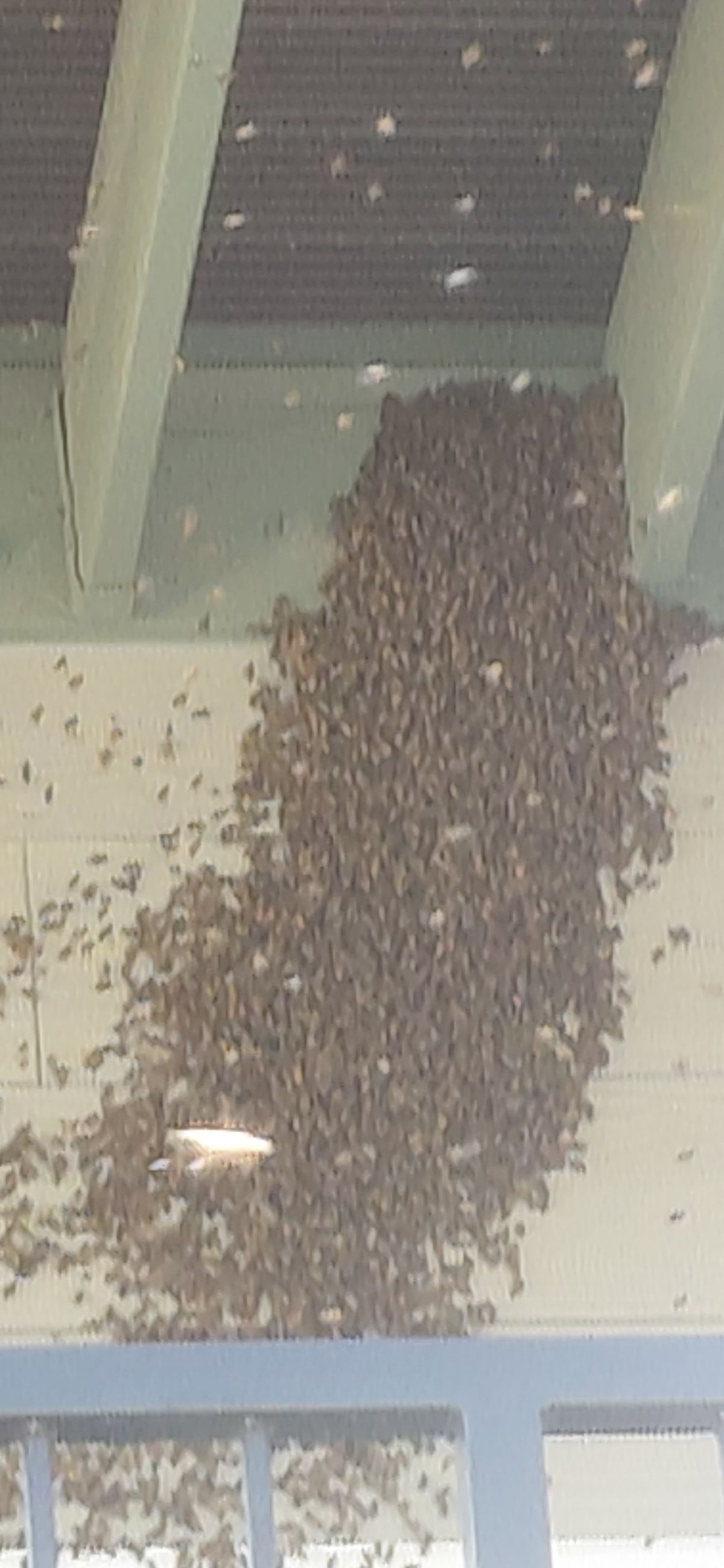
A Beekeeper's Guide to Swarm Season in California
California's Golden Opportunity: Harnessing the Spring Swarm For beekeepers across California, the arrival of spring signals more than just almond blossoms and wildflo...
Read More...May 18, 2026
Home > Blog > Nevada Bee Hive Removal: A Homeowner's Guide
May 6, 2026
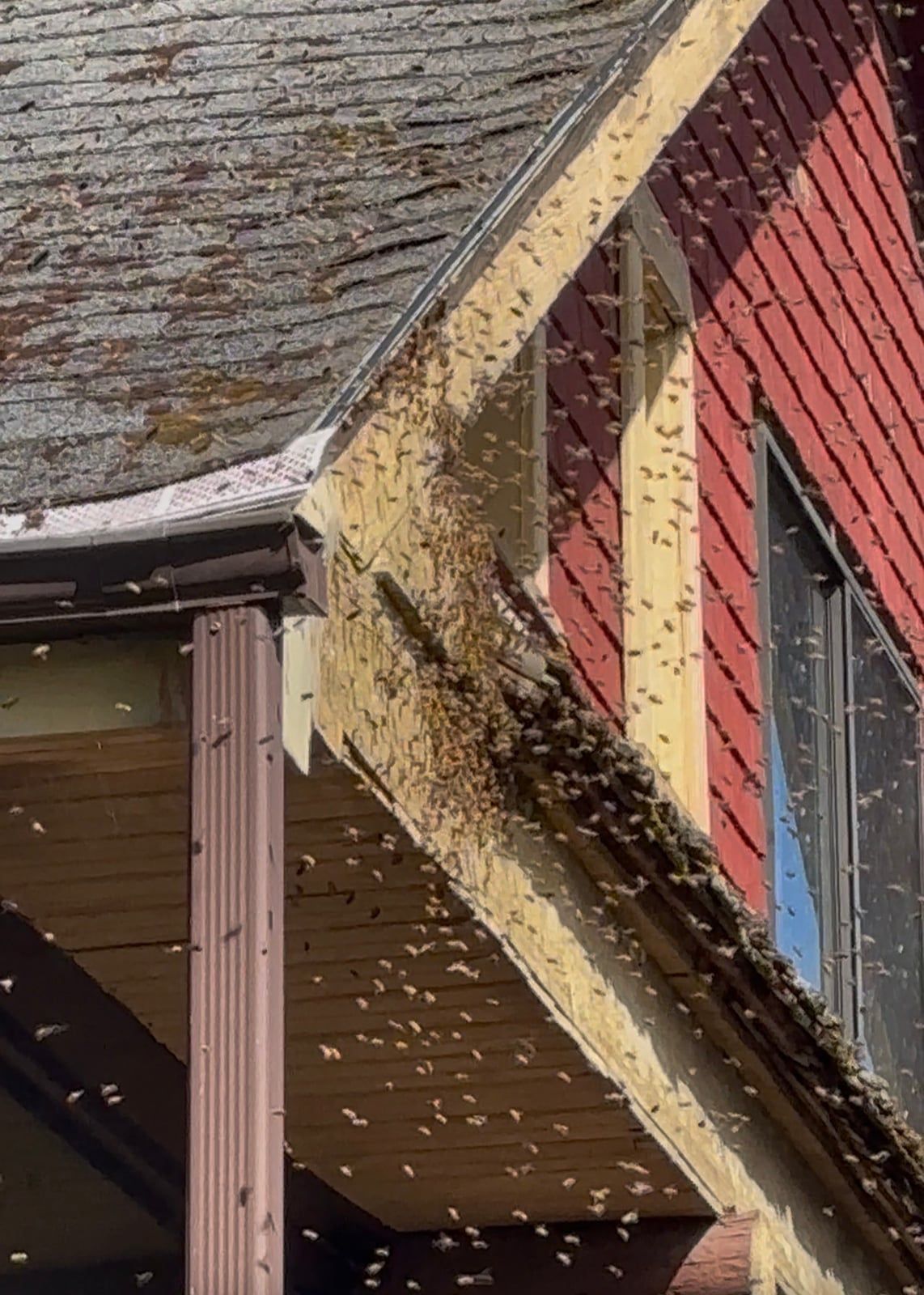
As spring unfolds across Nevada, the familiar buzz of honey bees returns. While these essential pollinators are a welcome sight in our gardens, discovering a large cluster of them on your property can be surprising. When faced with a ball of bees on a tree branch or bees flying from a vent in your wall, it's important to know what to do. This guide will walk you through assessing the situation and finding the right help, ensuring a safe and humane outcome for both you and the bees.
Your response is a unique opportunity to help honey bees, which face significant population challenges. Taking the right action supports local beekeepers and strengthens our state's ecosystem.
Before you can find the right solution, you need to identify what you're dealing with. The most critical distinction is whether you have a temporary bee swarm or an established honey bee hive. The difference determines the complexity, cost, and type of assistance you need.
A swarm is a natural part of the honey bee life cycle. It's a large group of bees—tens of thousands—that has left an old, overcrowded hive to find a new home. This cluster includes a queen bee and her loyal followers.
An established hive is what a swarm becomes after it finds a permanent home. If scout bees decide the wall of your house or a cavity in a tree is the perfect spot, they will move in and get to work.
If you've identified a swarm on your property, you're in luck. The process is simple and you'll be doing a great service for our local environment.
Your simple report helps protect honey bees and directly supports a local Nevada beekeeper. You can provide essential information for a safe, quick, and often free collection by visiting the Swarmed colony reporting page.
Report a bee colony to the Swarmed network (opens in a new tab).
If you have an established hive in a structure, you'll need a different approach. This situation requires a professional service known as "bee hive removal" or a cutout.
It's crucial to hire a professional beekeeper who specializes in live removals rather than an exterminator. An exterminator will kill the bees, but this creates a bigger problem. The dead bees, brood, and honey left behind will rot, attracting pests like ants, wax moths, and rodents, and potentially causing structural damage as honey seeps into your walls. A professional beekeeper will remove the bees, all the comb, and clean the cavity to prevent future issues.
When you contact a beekeeper for a cutout, they will:
The honey bee population in Nevada faces ongoing challenges. Every swarm that is rescued is a victory for our local ecosystem and agricultural health. Last season, your neighbors across the state helped connect beekeepers with nearly one hundred wandering colonies, giving them new, safe homes where they can thrive.
When you see a swarm, you see an opportunity. By taking a moment to report it, you become a crucial link in the chain of bee survival. You connect a vulnerable colony with a knowledgeable beekeeper who is eager to help.
Your action not only saves bees but also prevents them from moving into a neighbor's wall, where they would become a much more difficult and costly problem to solve. It’s a simple act of community goodwill.
Don't underestimate the power of a single report. If you spot a cluster of bees this spring, take a photo and note the location. Then, visit the Swarmed reporting page to alert beekeepers in your area. Your action today ensures these incredible pollinators can continue their vital work tomorrow.
Become a part of the solution for Nevada's honey bees. If you see a swarm, report it immediately on the Swarmed network to connect with a local beekeeper who can provide a safe and often free rescue. Your simple action protects pollinators and supports your local beekeeping community. Report a bee colony today at https://beeswarmed.org/report-bee-colony (opens in a new tab).
California's Golden Opportunity: Harnessing the Spring Swarm For beekeepers across California, the arrival of spring signals more than just almond blossoms and wildflo...
Read More...May 18, 2026
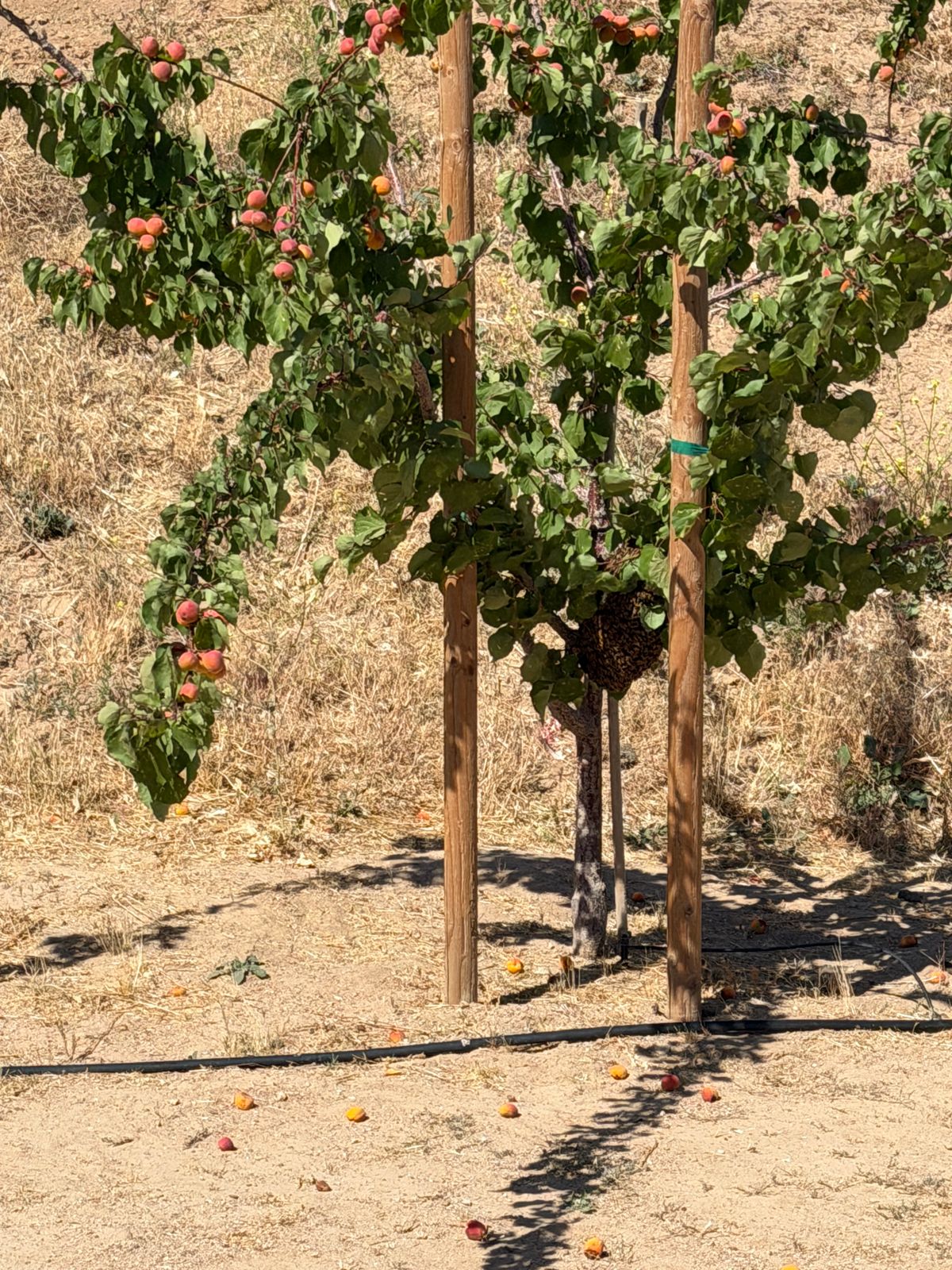
A Beekeeper's Guide to Swarm Collection in Idaho Spring has arrived in the Gem State, and with it, the unmistakable hum of honey bee swarms. For beekeepers, this is a...
Read More...May 18, 2026