
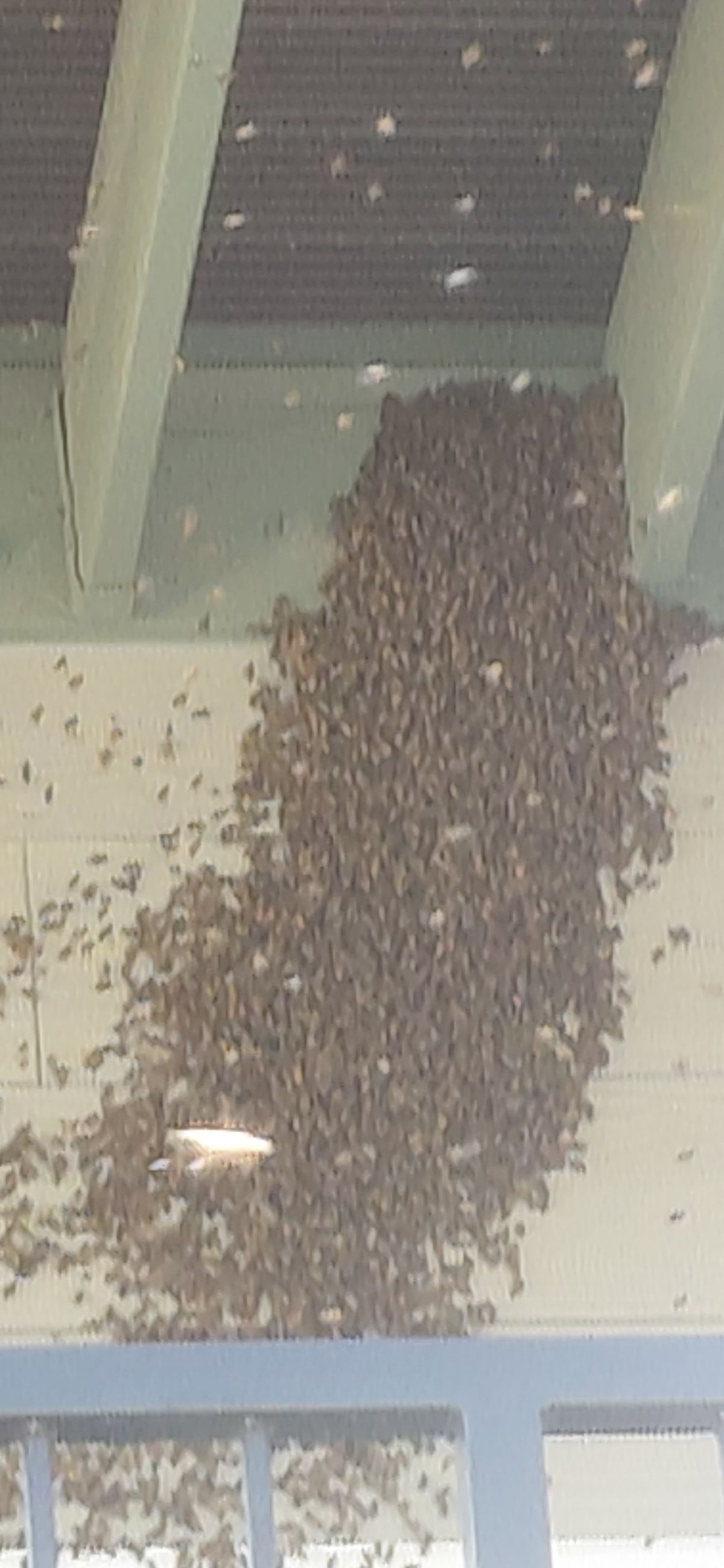
A Beekeeper's Guide to Swarm Season in California
California's Golden Opportunity: Harnessing the Spring Swarm For beekeepers across California, the arrival of spring signals more than just almond blossoms and wildflo...
Read More...May 18, 2026
Home > Blog > Nebraska Spring Swarm Season: What to Expect
May 6, 2026
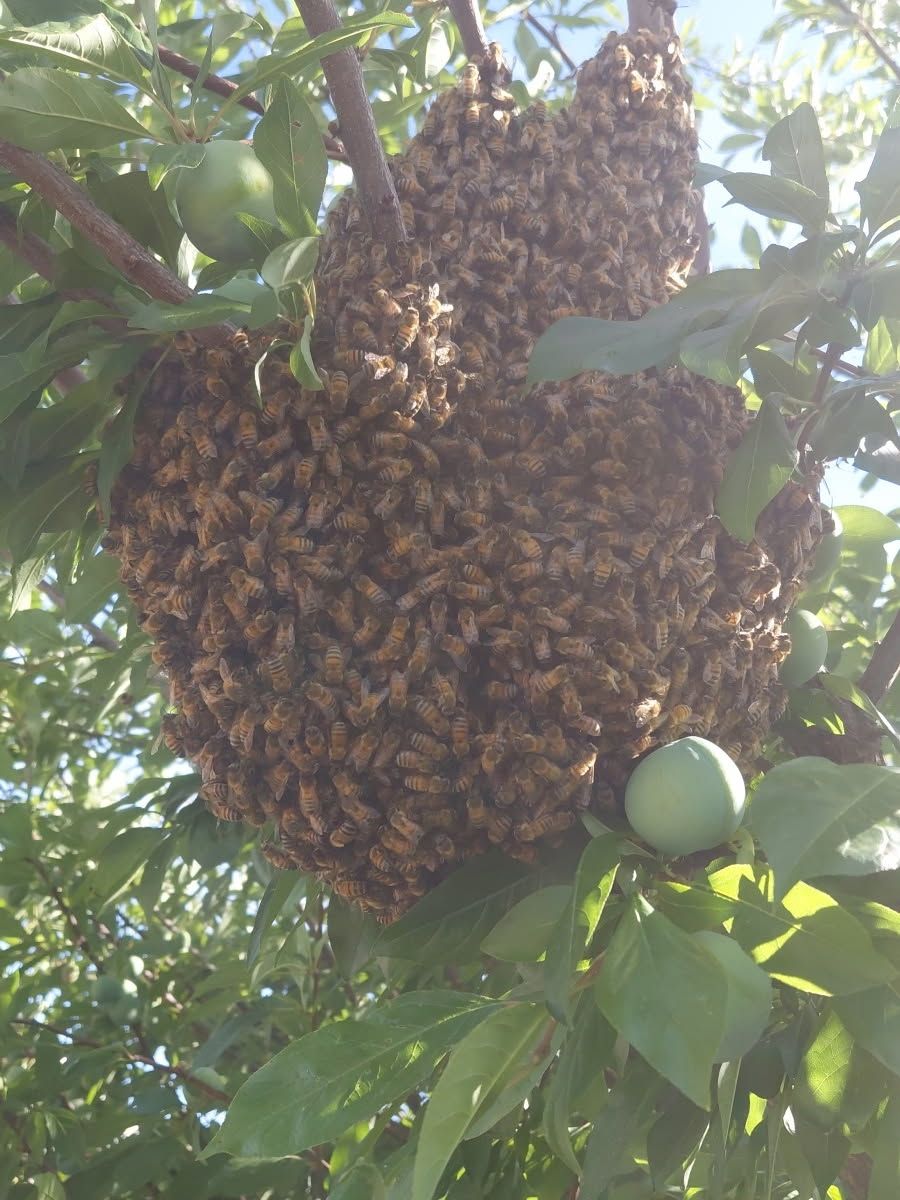
As the cold of winter recedes and Nebraska’s landscapes burst into color, another sign of spring emerges: the honey bee swarm. In communities from Omaha and Lincoln to Bellevue, clusters of thousands of honey bees clinging to a tree branch or fence post can be an unexpected sight. This natural phenomenon is a vital part of the honey bee life cycle and presents a unique opportunity for residents to support local ecosystems and beekeepers.
Understanding what a swarm is, why it happens, and what to do is key to ensuring both human and bee safety. This guide provides Nebraskans with the information needed to navigate the spring swarm season confidently and helpfully.
A honey bee swarm is a colony in transition. It is the natural method honey bees use to reproduce and create new colonies. When an existing hive becomes overcrowded, the original queen bee will leave with about half of the worker bees to find a new home. The bees left behind will raise a new queen to continue the original colony.
Before departing, the traveling bees gorge on honey, filling their stomachs for the journey ahead. Once they leave the hive, they form a temporary cluster, often in a nearby tree or on a structure, while scout bees search for a suitable permanent residence. This clustered swarm is what people typically encounter.
Key characteristics of a honey bee swarm include:
Recognizing the difference between a temporary swarm and an established hive is crucial, as it determines the proper course of action and any potential costs.
A swarm is a transient cluster of bees located out in the open. They have not yet built any wax comb and are simply resting. Because beekeepers value these swarms as a way to start new, healthy hives, they are typically happy to collect them.
If a swarm’s scout bees find a desirable location—such as inside a wall, chimney, shed, or hollow tree—they will move in and begin building a permanent home. This is an established hive.
In Nebraska, honey bee swarms typically begin to appear in late spring as the weather consistently warms and flowering plants provide abundant nectar and pollen. The peak of the swarm season generally coincides with the period when colonies are rapidly expanding their populations. While the exact timing can shift based on year-to-year weather patterns, residents should be most watchful during the heart of the spring season.
When you see a honey bee swarm, you have a direct role to play in protecting these essential pollinators. The most important action is to contact a local beekeeper who can provide the swarm with a safe, managed hive where it can thrive.
Swarmed connects residents with a network of local, experienced beekeepers across Nebraska. By reporting a swarm, you are not just solving a potential nuisance; you are actively participating in bee conservation.
Reporting is simple and effective:
Your report is instantly dispatched to nearby beekeepers, one of whom will respond to arrange a collection. This process ensures the bees are rescued by a professional and given a chance to become a productive, healthy colony that will pollinate local gardens and crops.
Swarmed's nationwide network helps track bee health and activity. While Nebraska's season ramps up, our system has already tracked over 100 swarms in states like Nevada, demonstrating the scale and importance of this natural spring event.
Local beekeepers are eager to collect swarms. For them, a swarm is a free, healthy, and genetically robust start to a new hive. These bees have already proven their ability to survive and build a strong population. By providing them with a proper hive, a beekeeper can steward their growth, support local pollination, and contribute to the health of Nebraska's agricultural landscape.
Your call helps a beekeeper expand their apiary, supports a local passion, and strengthens the network of pollinators that our food system depends on.
Seeing a swarm of honey bees is a sign of a healthy environment. By understanding the nature of these gentle travelers and knowing how to respond, you can turn a moment of surprise into a positive action for your community.
If you see a honey bee swarm in Omaha, Lincoln, or anywhere across Nebraska, you can play a crucial role in its survival. Report the swarm safely and quickly through the Swarmed network to connect with a local beekeeper who can give these bees a new home. Visit https://beeswarmed.org/report-bee-colony (opens in a new tab) to help protect honey bees and support your local beekeeping community.
California's Golden Opportunity: Harnessing the Spring Swarm For beekeepers across California, the arrival of spring signals more than just almond blossoms and wildflo...
Read More...May 18, 2026
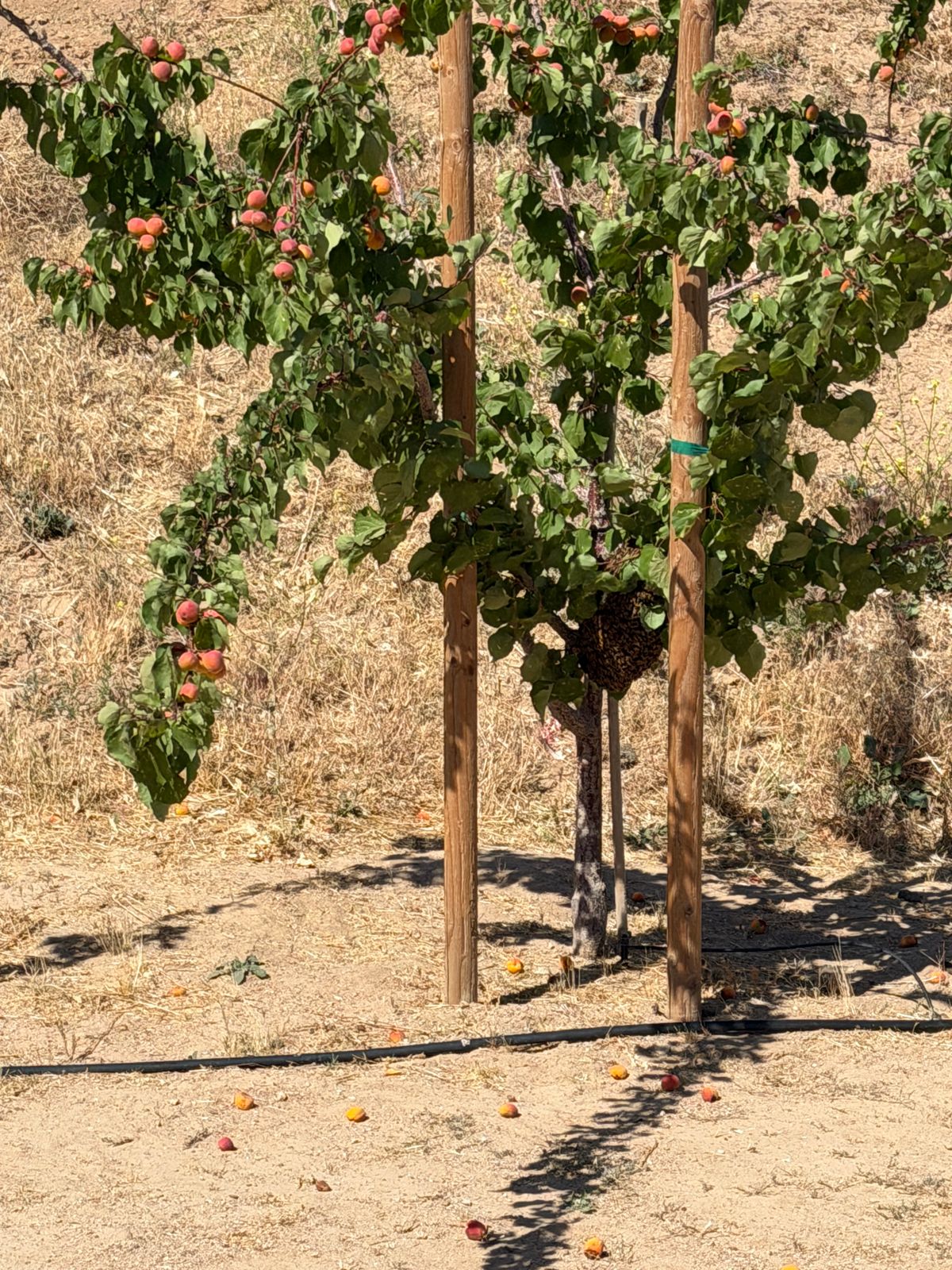
A Beekeeper's Guide to Swarm Collection in Idaho Spring has arrived in the Gem State, and with it, the unmistakable hum of honey bee swarms. For beekeepers, this is a...
Read More...May 18, 2026