
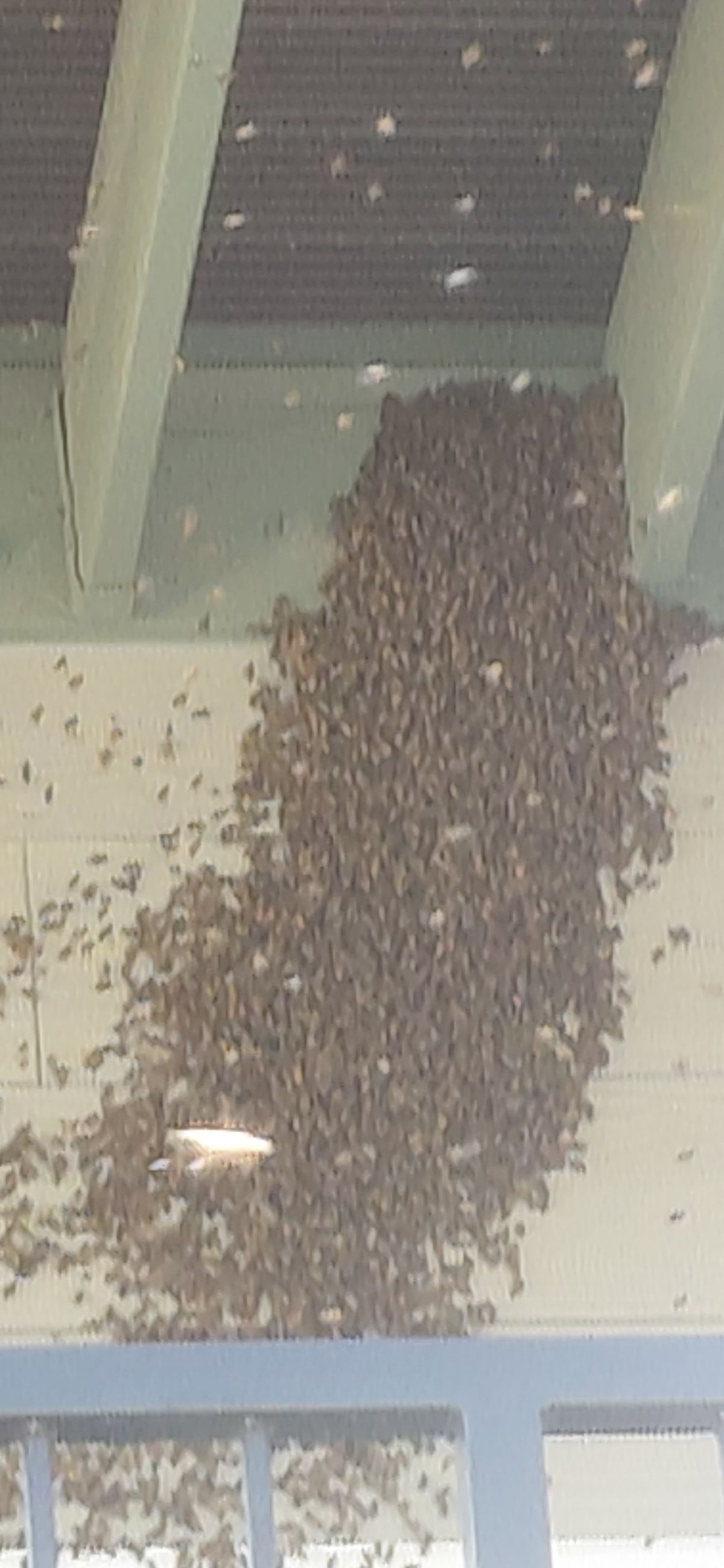
A Beekeeper's Guide to Swarm Season in California
California's Golden Opportunity: Harnessing the Spring Swarm For beekeepers across California, the arrival of spring signals more than just almond blossoms and wildflo...
Read More...May 18, 2026
Home > Blog > Montana Bee Swarm Calendar: A Spring Guide
May 6, 2026
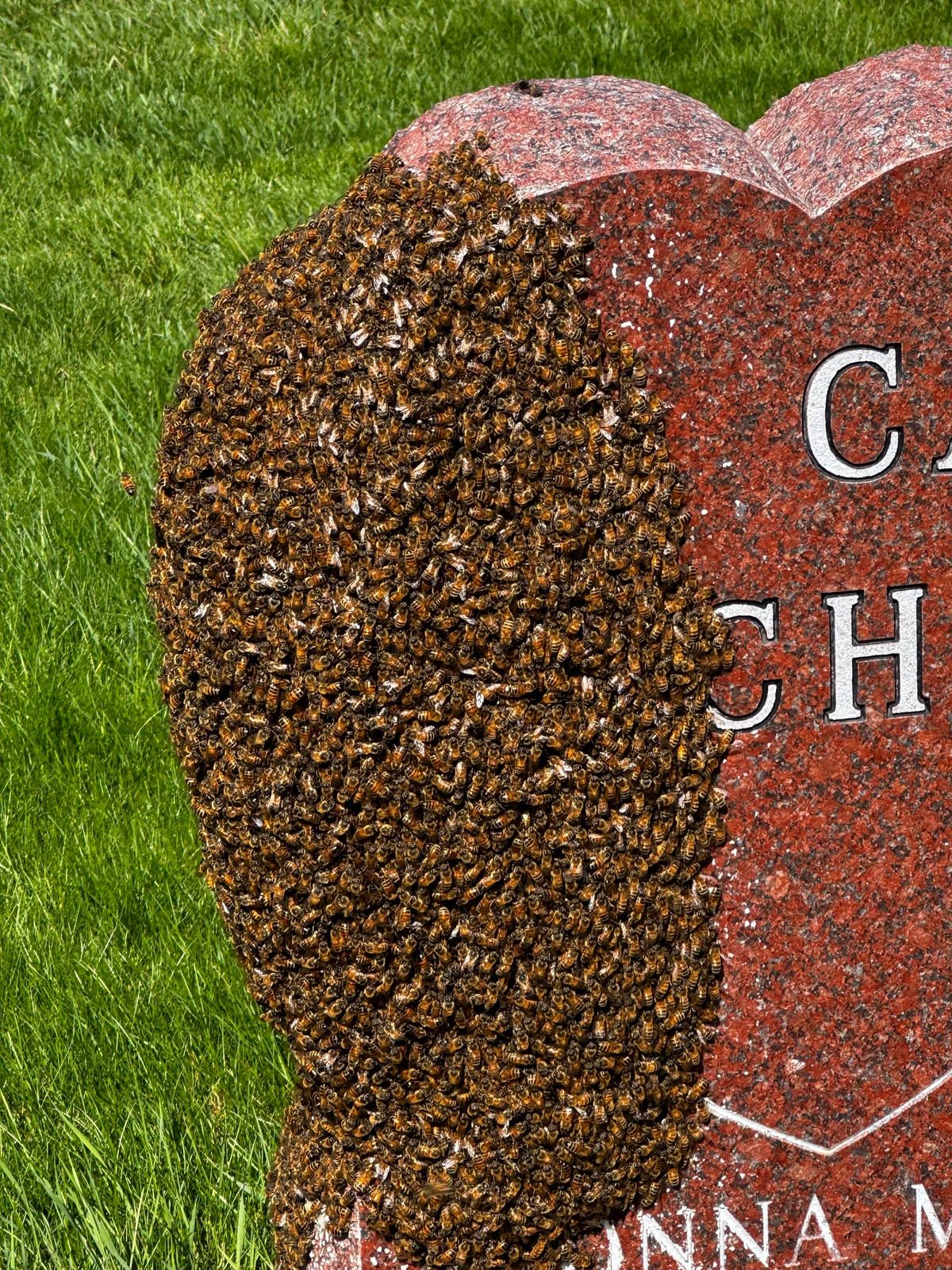
As the snow recedes from the mountains and valleys across Montana, a natural and fascinating phenomenon takes flight: honey bee swarm season. From the bustling streets of Billings and Missoula to the growing communities in Bozeman, the arrival of warmer weather signals to honey bee colonies that it's time to reproduce. This guide will serve as your Montana bee swarm calendar, helping you understand when and why swarms occur and what to do if you encounter one.
Understanding this process is key to protecting these vital pollinators and supporting the local beekeepers who steward them. When you see a large cluster of bees hanging from a tree branch or the side of a building, you are witnessing a colony in the midst of creating a new home.
A honey bee swarm is the colony's natural method of reproduction. In the spring, a healthy, successful colony can grow so large that it runs out of space in its current hive. To ensure the survival of the species, the old queen will leave with about half of the worker bees. This traveling group is called a swarm.
Before leaving, these bees gorge on honey, making them full, docile, and generally uninterested in stinging. Their sole focus is on protecting their queen and finding a suitable new location to build a hive. The swarm will temporarily cluster in a protected spot—like a tree limb or fence post—for a few hours or even a couple of days while scout bees search for a permanent residence. This is the crucial window for a safe and simple rescue.
It is essential to understand the difference between a temporary swarm and an established colony, as the response and a beekeeper's approach are very different.
Swarm collection is normally free, as beekeepers want these bees. However, if bees have established a hive in your wall or structure with built comb, removal requires specialized skills and carpentry work. This is a professional service that costs money. Expect the beekeeper to provide a fair quote based on the complexity of the job and any repairs needed. You can then choose to accept or reject the quote.
Honey bee swarming is driven by temperature, daylight hours, and the availability of nectar and pollen. While the exact timing can vary with elevation and local weather patterns, Montana's swarm season generally ramps up in late spring.
In cities like Helena and Bozeman, the peak period typically arrives when daytime temperatures are consistently warm and flowering trees and plants are in full bloom. This provides the departing swarm with the resources it needs to build a new nest and gather food quickly. By late spring, you are most likely to spot swarms in urban and suburban areas where gardens, parks, and diverse flora offer attractive foraging opportunities for scout bees.
If you spot a honey bee swarm, the best thing you can do is keep a safe distance and report it. This simple action connects the vulnerable bees with a local beekeeper who can give them a safe, managed home. Swarmed provides a simple, fast, and free alert system to make this connection.
By reporting a swarm, you are:
The impact of a connected community network can be significant. In other states, such as Nevada, the Swarmed network has facilitated the rescue of over 100 swarms, demonstrating the power of public participation in pollinator protection.
From the Yellowstone River Valley to the Flathead Lake region, every swarm reported is a victory for Montana's ecosystem. These bees are essential for pollinating the state's agricultural crops and wild landscapes. A local beekeeper is often just minutes away and happy to help rescue a swarm.
The process is simple. When you see a swarm, visit the Swarmed reporting page. Provide a few details about the location and size of the swarm, and an alert will instantly be sent to registered beekeepers in your area. One of them will claim the alert and contact you to arrange the rescue.
Never attempt to spray a swarm with water or insecticide. They are a valuable natural resource and pose little threat when left undisturbed. A calm response and a quick report are all that's needed to turn a potential problem into a positive outcome for bees, beekeepers, and the community.
If you see a honey bee swarm, don't wait. Help protect these essential pollinators and support your local beekeepers by reporting it immediately. Visit https://beeswarmed.org/report-bee-colony (opens in a new tab) to submit a report and become part of the solution.
California's Golden Opportunity: Harnessing the Spring Swarm For beekeepers across California, the arrival of spring signals more than just almond blossoms and wildflo...
Read More...May 18, 2026
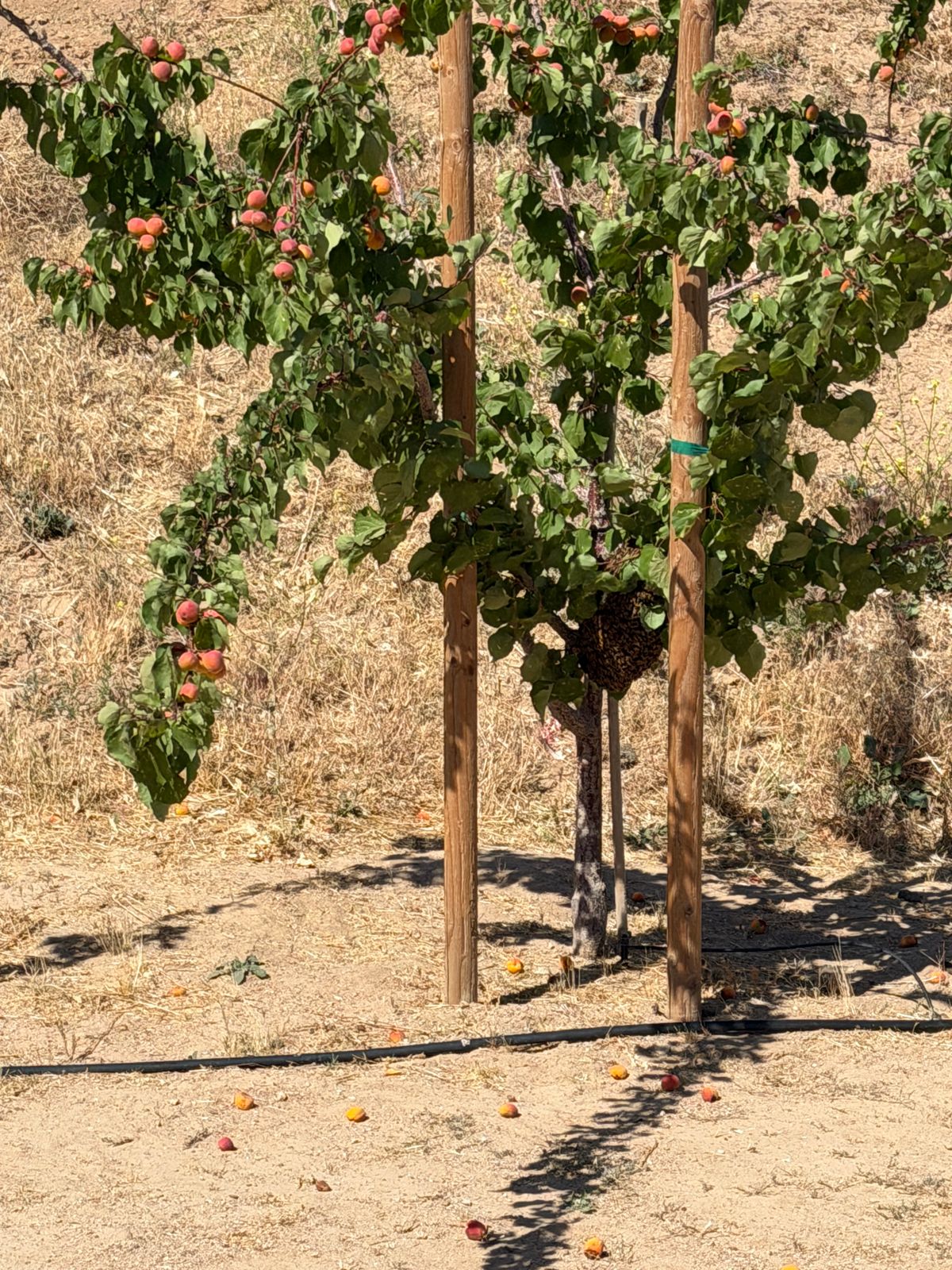
A Beekeeper's Guide to Swarm Collection in Idaho Spring has arrived in the Gem State, and with it, the unmistakable hum of honey bee swarms. For beekeepers, this is a...
Read More...May 18, 2026