
A Beekeeper's Guide to Swarm Season in California
California's Golden Opportunity: Harnessing the Spring Swarm For beekeepers across California, the arrival of spring signals more than just almond blossoms and wildflo...
Read More...May 18, 2026
Home > Blog > Missouri Bee Swarm Help: A Spring Guide for Homeowners
May 6, 2026
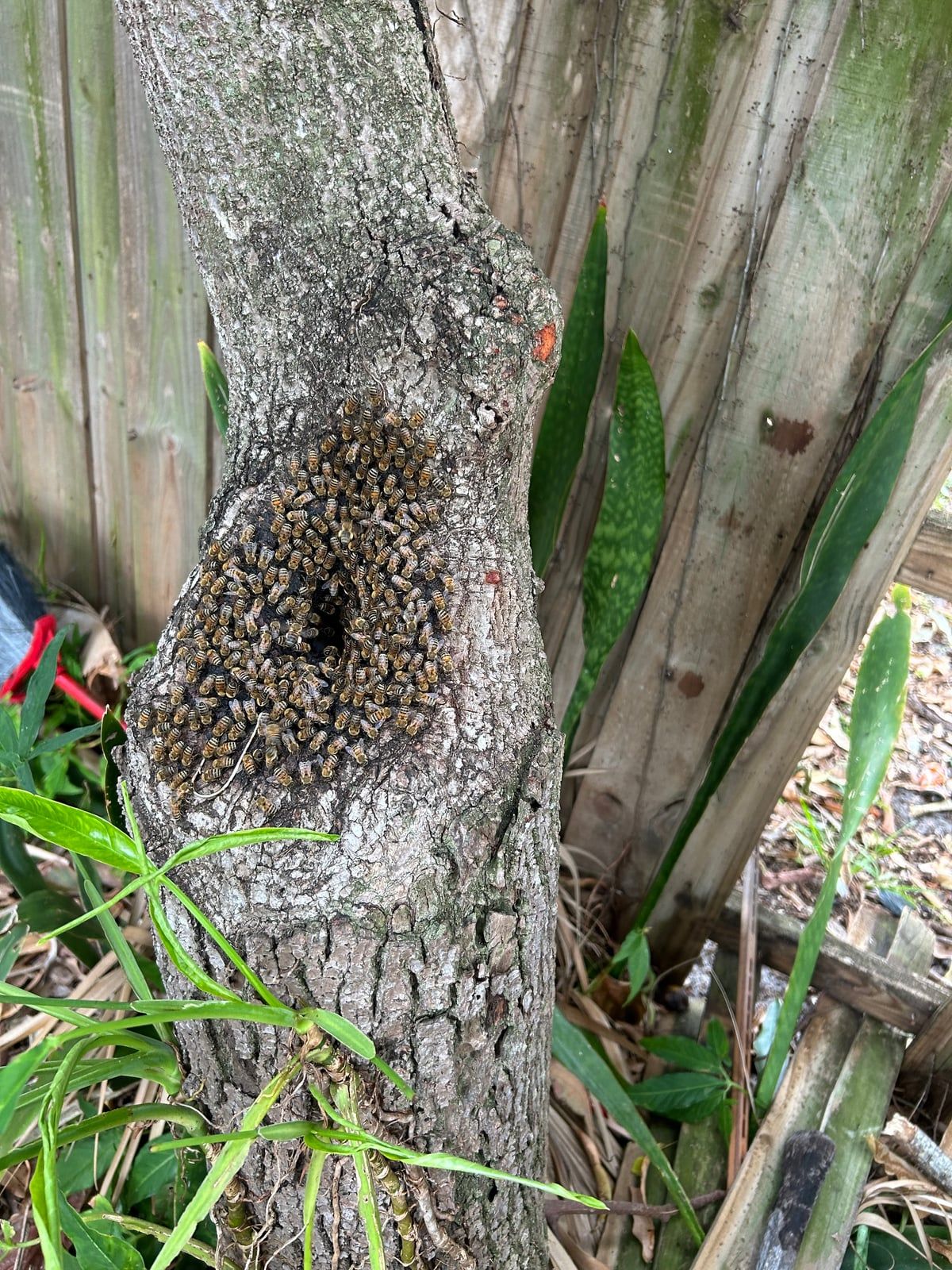
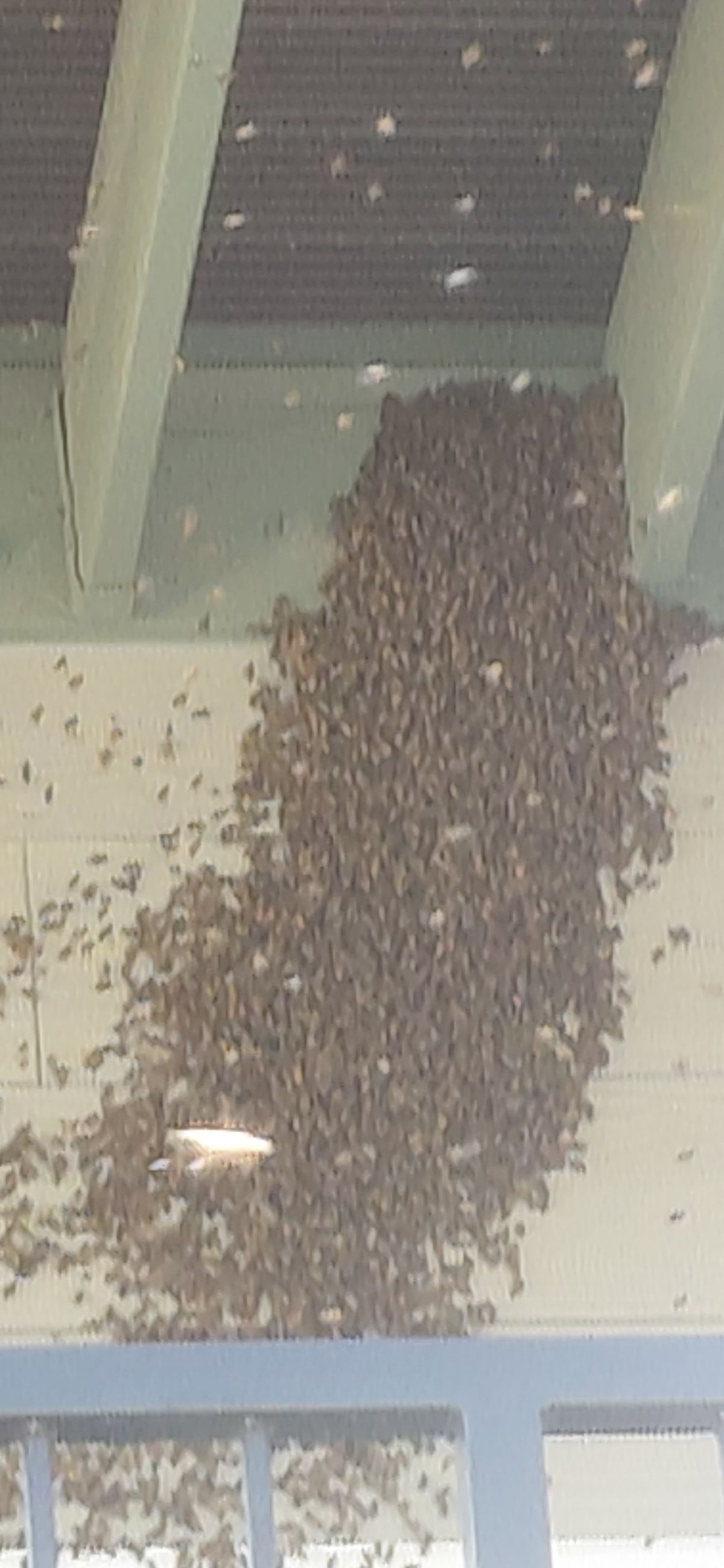
As spring breathes life into Missouri, from the bustling streets of St. Louis and Kansas City to the rolling hills around Springfield and Columbia, it also marks the beginning of honey bee swarm season. Seeing a large cluster of thousands of bees can be an alarming sight, but it’s a natural and fascinating part of a honey bee colony’s life cycle. This guide provides the Missouri bee swarm help you need to understand what’s happening and how you can play a vital role in protecting these essential pollinators.
A honey bee swarm is a colony in the process of moving. It’s a sign of a healthy, thriving bee population. When a hive becomes overcrowded, the old queen and about half the bees—anywhere from 10,000 to 30,000—leave to find a new home. The bees that remain will raise a new queen to continue the original colony.
While looking for a permanent residence, this traveling group will form a temporary cluster on a tree branch, fence post, or the side of a building. This exposed cluster is the swarm. A key fact to remember is that bees in a swarm are surprisingly docile. Before leaving their old hive, they fill their stomachs with honey for the journey. With no home, honey stores, or young bees to defend, their primary focus is on finding a new place to live, not on stinging people.
Understanding the difference between a swarm and an established hive is crucial, as it determines the type of help needed and whether the service is free.
Swarmed is designed to connect the public with beekeepers for swarm rescues. If you have an established colony in a structure, a beekeeper from our network may still be able to help, but you should expect it to be a paid service.
Across the Show-Me State, honey bee swarm activity typically peaks during late spring. You are most likely to encounter swarms from April through June as temperatures warm and nectar sources become abundant. This is the prime reproductive season for honey bees, and seeing a swarm is a direct indicator of a healthy local environment that can support them.
If you see a honey bee swarm, do not call an exterminator. Pest control services will destroy the bees, which is an unnecessary loss of vital pollinators. Instead, you can connect with a local beekeeper who will gladly give them a new home.
The Swarmed platform makes this connection simple, fast, and effective.
By reporting the location of a swarm, you provide local Missouri beekeepers with an alert, and the first available beekeeper will respond to rescue the bees. This community-based approach is a powerful tool for conservation. The impact is significant; across the country, the Swarmed network facilitates thousands of rescues each year. In some regions, over 100 swarms are reported through the platform, showcasing a powerful community effort to protect these vital insects.
Once you’ve reported the swarm, here are a few simple steps to ensure everyone, including the bees, stays safe:
Remember, the swarm is temporary and will likely move on within 24-72 hours if it cannot find a suitable new home. Reporting it quickly ensures a beekeeper has the best chance to rescue them before they leave or move into an undesirable location, like a neighbor's wall.
Honey bees are essential for Missouri’s agriculture and ecosystems, pollinating countless crops and wildflowers. By taking a moment to report a swarm, you are doing more than just solving a problem in your backyard—you are actively participating in the preservation of these critical insects and supporting local beekeepers who dedicate their time to caring for them.
By reporting a swarm, you become a crucial part of the solution for honey bees in Missouri. Your quick action connects a vulnerable colony with a local beekeeper ready to provide a safe new home. Help protect our pollinators and support your community by reporting any swarm you see. Visit https://beeswarmed.org/report-bee-colony (opens in a new tab) to make a report and ensure these bees are rescued safely.
California's Golden Opportunity: Harnessing the Spring Swarm For beekeepers across California, the arrival of spring signals more than just almond blossoms and wildflo...
Read More...May 18, 2026

A Beekeeper's Guide to Swarm Collection in Idaho Spring has arrived in the Gem State, and with it, the unmistakable hum of honey bee swarms. For beekeepers, this is a...
Read More...May 18, 2026