The Buzz of Spring in Minnesota
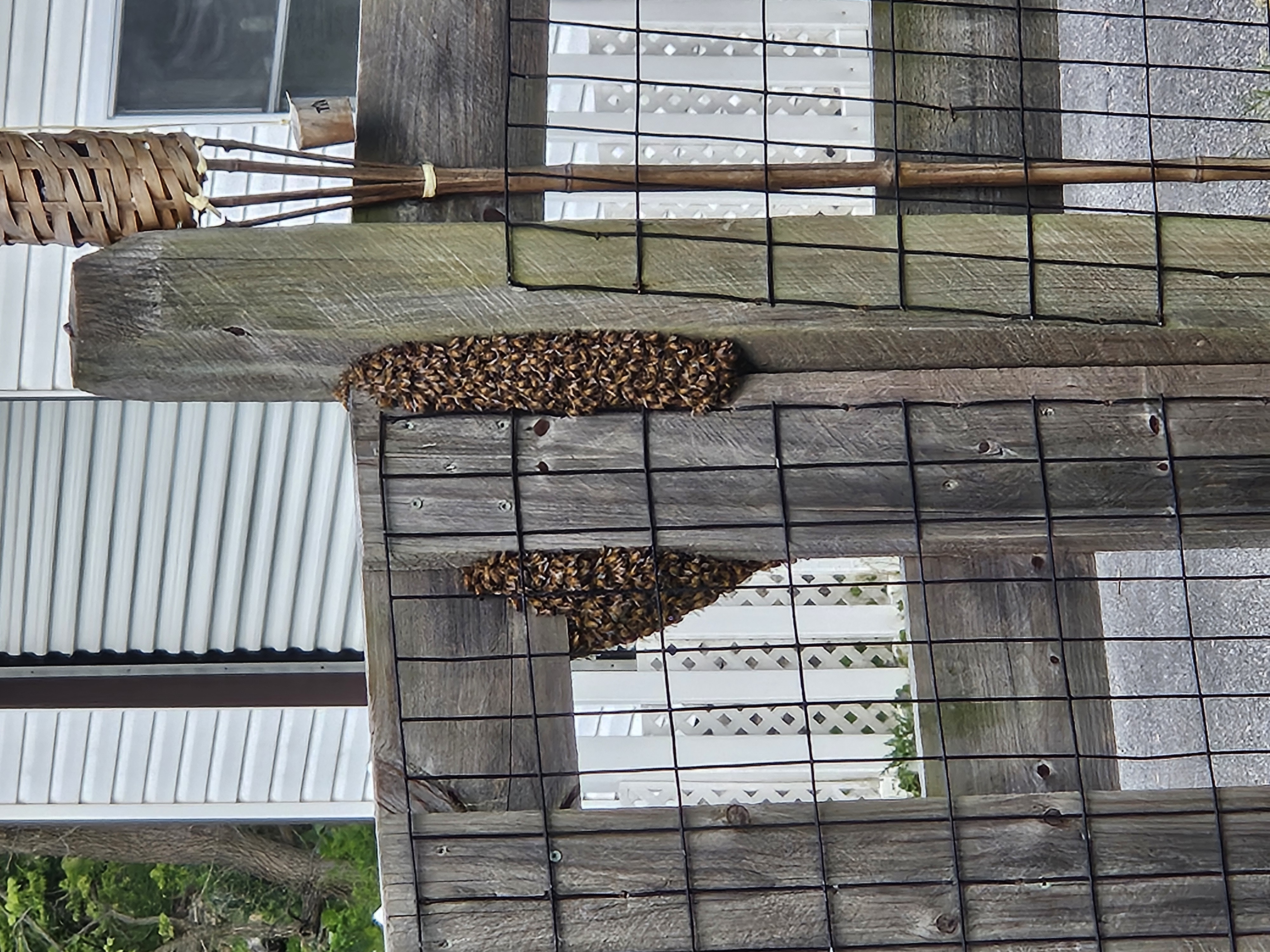
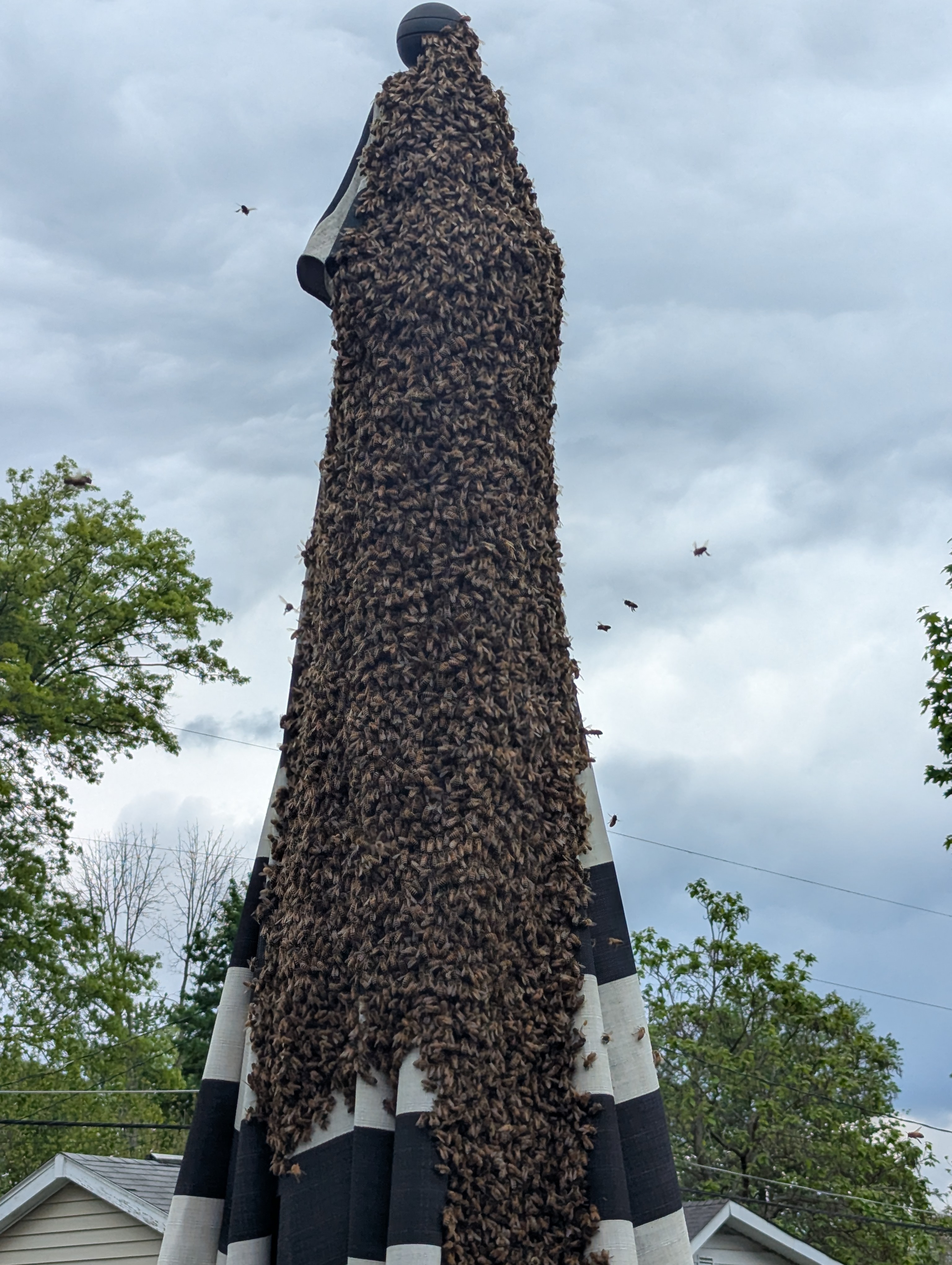
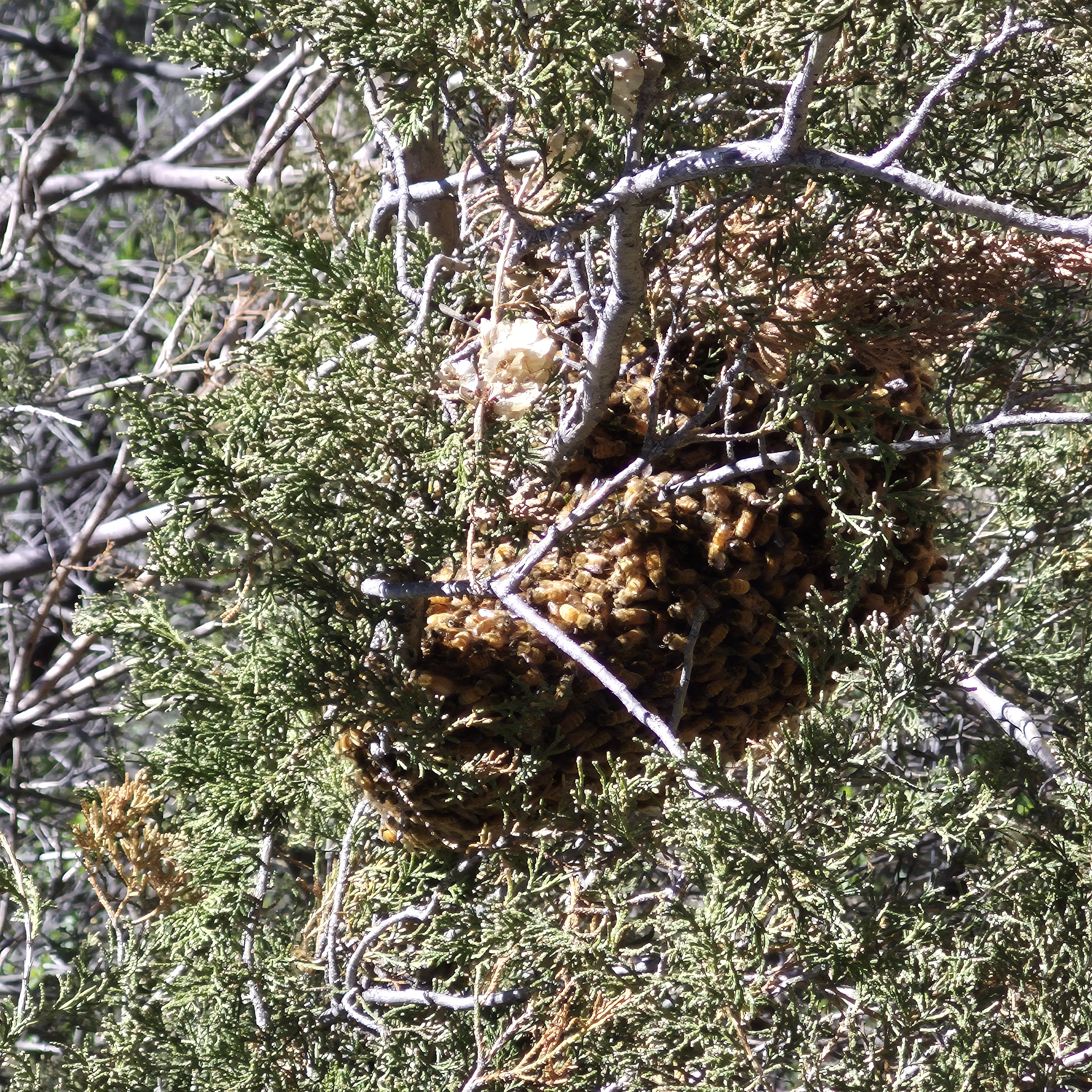
Across Minnesota, from the bustling streets of Minneapolis and Saint Paul to the quieter neighborhoods of Rochester and Duluth, the arrival of spring signals a vibrant reawakening. As flowers bloom and the landscape turns green, another natural phenomenon takes place: the start of the Minnesota bee swarm season. Seeing a large cluster of thousands of honey bees on a tree branch or fence post can be startling, but this event is a positive sign of a healthy honey bee population and a crucial part of their life cycle.
Understanding what a bee swarm is and knowing how to respond is essential for both public safety and the well-being of these vital pollinators. This guide will explain what to expect during Minnesota's bee swarm season and how you can play a crucial role in protecting them.
What Exactly is a Honey Bee Swarm?
A honey bee swarm is a natural process of reproduction for a honey bee colony. It is not an attack or a sign of aggression. When a colony becomes overcrowded, the old queen bee leaves the hive with about half of the worker bees—anywhere from 10,000 to 30,000 individuals—to find a new home. The bees left behind will raise a new queen to continue the original colony.
The bees that leave form a temporary, swirling cluster around their queen, often landing on a nearby object like a tree limb, a park bench, or a mailbox. This cluster is a resting point while scout bees search for a suitable permanent location. During this time, the bees are remarkably docile. Before leaving their original hive, they fill up on honey, making them full, sluggish, and focused solely on protecting their queen and finding a new home. They have no brood, honeycomb, or territory to defend, which significantly reduces their instinct to sting.
This temporary cluster is a swarm, and it typically remains in one spot for only 24 to 72 hours. It is a colony in transit, and this is the perfect time for them to be safely rescued by a beekeeper.
Swarm vs. Established Colony: A Critical Distinction
It's important to differentiate between a swarm and an established colony, as the response and removal process are very different.
- A Swarm: This is the transient cluster of bees described above. They are exposed, have not built any comb, and are looking for a home. Rescuing a swarm is a relatively straightforward process for an experienced beekeeper and is almost always a free service. Beekeepers welcome these swarms as a way to start new hives and strengthen their apiaries.
- An Established Colony: If a swarm's scout bees find a suitable cavity, such as inside a wall, chimney, or shed, they will move in and begin building wax comb to raise their young and store honey. This is now an *established colony*. Bees in an established colony will be defensive of their home. Removal, often called a "cutout," is a complex job that requires carpentry skills, specialized equipment, and significant time to cut into the structure, remove the bees and comb, and repair the damage. This type of removal is a paid service, and a beekeeper will provide a quote based on the complexity of the work.
Knowing the difference helps set the right expectations. If you see a cluster of bees on a branch, you have found a swarm. If you see bees flying in and out of a hole in your home, you have an established colony.
How You Can Help Protect Minnesota's Honey Bees
The best thing you can do when you see a honey bee swarm is to report it. Swarmed provides a free, streamlined service that connects people who find swarms with local, registered beekeepers who can provide a rapid response. Every report helps save a colony that might otherwise perish or be exterminated.
By reporting a swarm, you are not just solving a potential nuisance; you are actively supporting Minnesota's ecosystem. Honey bees are critical for pollinating the crops that are vital to our state's agriculture and the wild plants that support our environment. Your action directly helps local beekeepers, who are passionate about nurturing these incredible insects.
The impact of community reporting is significant. In some regions, the Swarmed network has helped beekeepers respond to over 100 swarm calls in a single season, saving millions of bees that contribute to local pollination.
If you see a swarm, the steps are simple:
- Keep a safe distance. While docile, it's best to give the bees space and not disturb them.
- Take a photo from a safe distance if possible. This helps the beekeeper confirm it is a honey bee swarm.
- Visit Swarmed online. Go to our reporting page at https://beeswarmed.org/report-bee-colony (opens in a new tab) to submit the location and details.
Please do not spray the swarm with water or pesticides. These actions can agitate the bees and will harm a valuable colony that a local beekeeper is eager to rescue.
Be a Hero for Minnesota's Bees This Spring
As the Minnesota bee swarm season gets underway, you are now equipped with the knowledge to act confidently and helpfully. Recognizing a swarm as a natural, temporary event is the first step. The next is taking action to ensure its survival.
When you report a honey bee swarm, you become a vital link in a community effort to protect these essential pollinators. You provide a local beekeeper with a new, healthy colony and ensure the bees find a safe, managed home instead of an unsuitable location or extermination. Your report contributes to a healthier environment for everyone in Minnesota.
If you see a honey bee swarm in the Twin Cities, Rochester, Duluth, or anywhere in between, please help us help them. Report the swarm quickly and easily through the Swarmed platform. Your simple action supports local beekeepers, protects honey bees, and strengthens our community.
**To report a honey bee colony and connect with a local beekeeper, please visit: https://beeswarmed.org/report-bee-colony (opens in a new tab).**