Your Guide to Honey Bee Swarms in Michigan
Across Michigan, from the bustling streets of Detroit to the college town of Ann Arbor and the state capital in Lansing, the arrival of spring brings more than just blooming cherry trees and tulips. It signals the start of the honey bee swarm season. Seeing a large cluster of thousands of bees can be alarming, but this natural phenomenon is a sign of a healthy honey bee population and an opportunity for the community to help protect these vital pollinators. Understanding what a swarm is, when to expect it, and what to do is key to supporting local bees and beekeepers.
What Exactly is a Honey Bee Swarm?
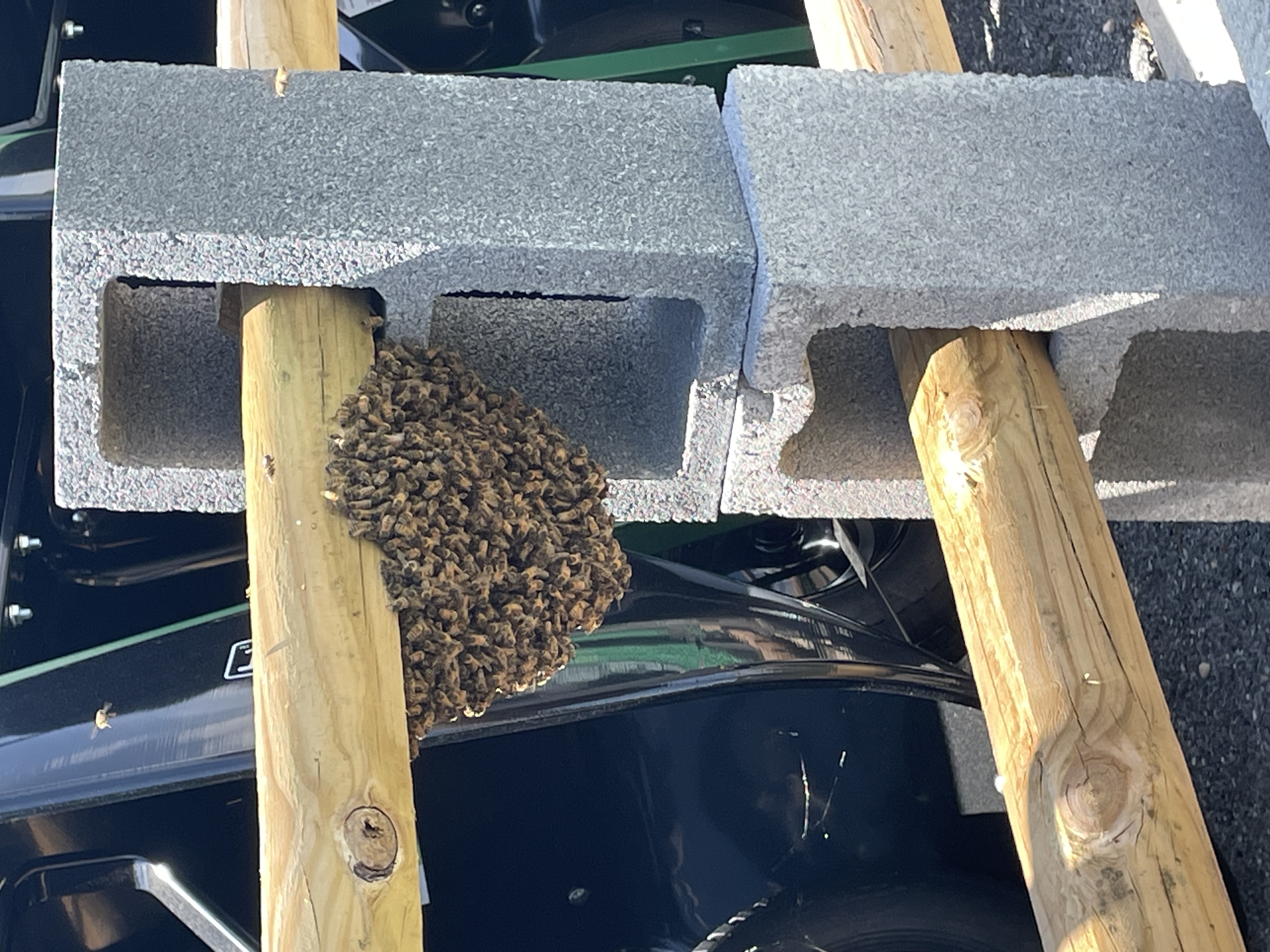
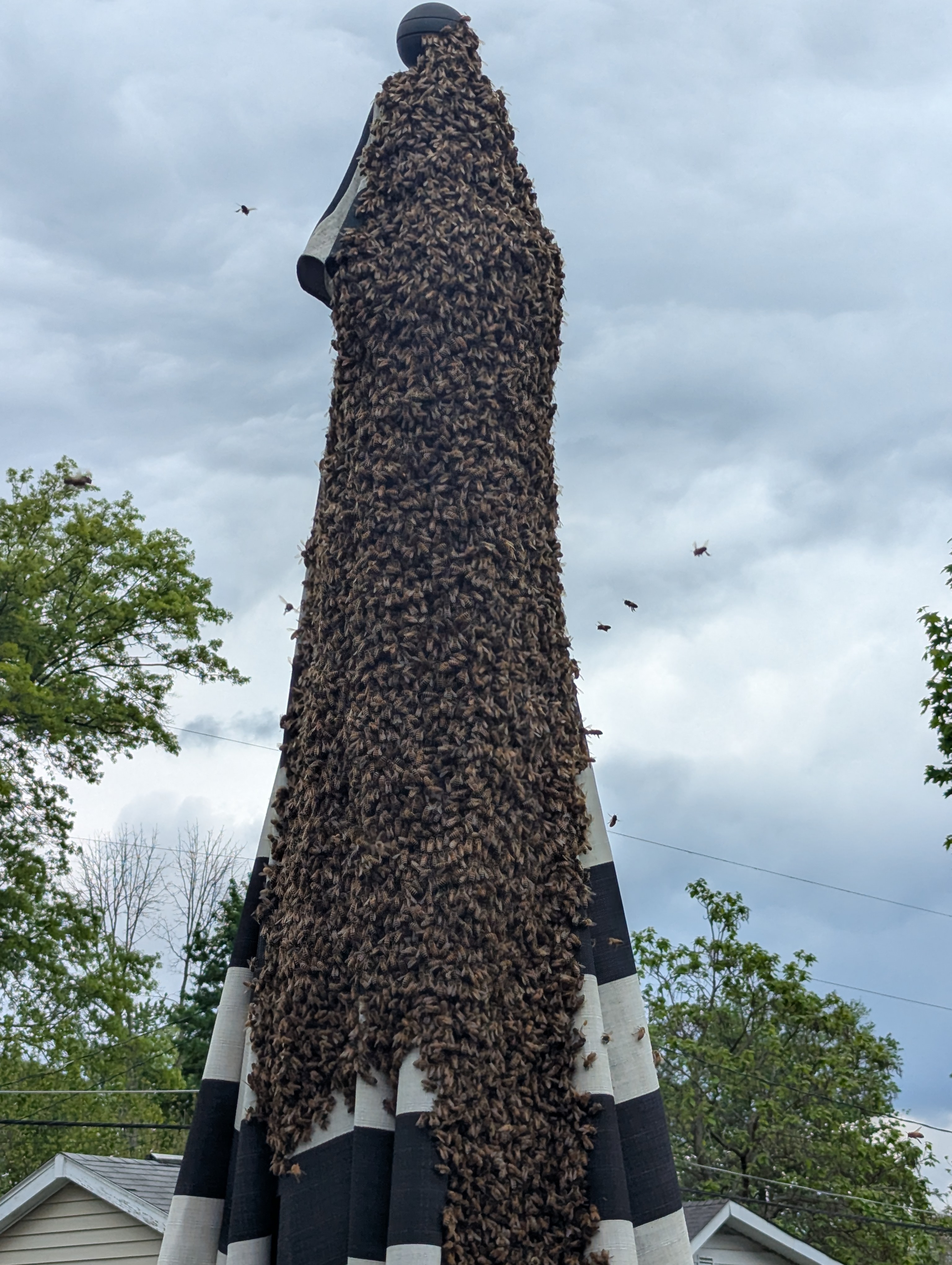
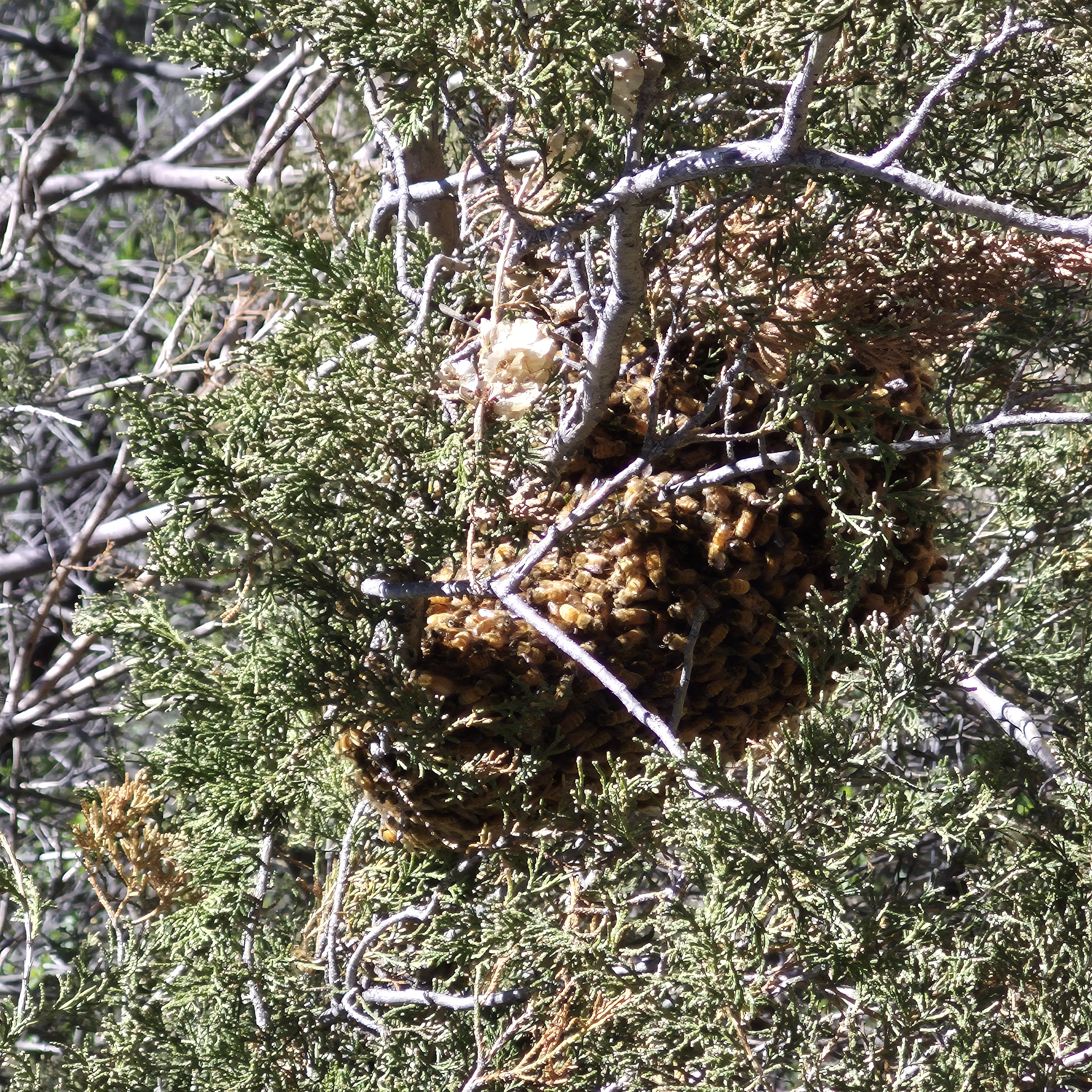
A honey bee swarm is the natural way a colony reproduces. It is not an angry mob of bees. When a colony becomes overcrowded, the original queen bee leaves with about half of the worker bees—anywhere from 10,000 to 30,000 individuals—to find a new home. The bees that remain behind will raise a new queen to continue the original colony.
While in transit, this group of bees forms a temporary cluster, often hanging from a tree branch, a fence post, or the side of a building. This is the swarm. The bees in a swarm are surprisingly docile. Before leaving their original home, they gorge themselves on honey to have enough energy for the journey. With no home, honey stores, or young brood to defend, they have very little reason to be aggressive. Their sole focus is protecting their queen and finding a suitable new location to build a hive.
The Michigan Bee Swarm Calendar: Nature's Timing
While people often search for a precise "Michigan bee swarm calendar," the timing is dictated by nature, not a specific date. The season is closely tied to weather patterns, temperature, and the availability of nectar and pollen from flowering plants.
In Michigan, the swarm season typically begins in the spring as daytime temperatures consistently rise and colonies rapidly expand their populations. The peak of the season usually occurs in late spring, when established colonies are at their strongest and floral resources are abundant. As the season progresses into summer, the frequency of swarms naturally declines.
Instead of a rigid calendar, it’s more useful to think of the swarm season in phases:
- Early Season (Spring): As the weather warms, you might see the first swarms of the year.
- Peak Season (Late Spring): This is when the majority of swarming activity occurs across the state, from Grand Rapids to the Upper Peninsula.
- Late Season (Summer): Swarming becomes less common as the season wanes.
A Critical Distinction: Swarm vs. Established Hive
Understanding the difference between a temporary swarm and an established hive is crucial, as it determines the type of assistance needed and whether a cost is involved.
Honey Bee Swarm
- Appearance: A hanging or balled cluster of bees, fully exposed.
- Location: Tree limbs, fences, playground equipment, mailboxes.
- Duration: Temporary, usually lasting only 24-72 hours.
- Removal: This process is a swarm collection. Because the bees are docile and easy to gather into a box, local beekeepers are almost always happy to provide this service for free. They gain a new, healthy colony for their apiary.
Established Hive or Colony
- Appearance: Bees flying in and out of a specific opening or cavity.
- Location: Inside walls, chimneys, roofs, sheds, or hollow trees where they have built wax comb.
- Duration: Permanent, unless removed. The bees are building a home.
- Removal: This requires a cutout. It is a complex process that may involve carpentry, specialized equipment, and structural repairs. Because it is labor-intensive work, beekeepers will provide a quote for the service, which can range from a few hundred to several hundred dollars depending on the complexity. Reporting the bees through Swarmed will connect you with a beekeeper who can provide a fair quote for this specialized work.
How You Can Help Protect Michigan's Honey Bees
When you see a swarm, you have a unique opportunity to help. The Swarmed network connects people who find swarms with local beekeepers ready to rescue them. With over 450 beekeepers on the Swarmed network in Michigan, help is never far away.
"Every swarm report is a chance to preserve local bee genetics and support the backbone of our agricultural system—the honey bee," notes Swarmed's lead apiary expert, Dr. Elara Vance. "Community involvement is not just helpful; it's essential. Last year, community reports helped rescue over 100 swarms in just a single state, showcasing the massive impact individuals can have."
Rescuing a swarm is a win-win: the bees get a safe, managed home, and a local beekeeper strengthens their apiary. The process is simple: if you see a swarm, keep a safe distance, take a photo if you can, and report it on our website. Our system automatically alerts nearby beekeepers who can respond to the call.
A Beekeeper's Perspective on Swarm Management
For the general public, a swarm appears suddenly. For a beekeeper, it's an event they actively work to manage. A good beekeeper doesn't want their colonies to swarm, as it represents a loss of half their workforce just before the main honey flow.
To prevent swarming, beekeepers ensure their colonies have enough space to expand. One common technique is to add more boxes, called 'supers,' to give the queen more room to lay eggs and the workers space to store honey. Another proactive method is creating an 'artificial swarm' by splitting a strong colony into two, moving the old queen to a new hive box and allowing the original colony to raise a new one. This mimics the natural swarm process but keeps the bees under the beekeeper's care.
Your Role in Supporting Michigan Bees
Protecting honey bees is vital for Michigan’s ecosystem and its renowned agriculture, which depends on pollinators for crops like apples, blueberries, and cherries. By reporting a swarm, you are doing more than just solving a potential nuisance; you are actively participating in the preservation of these essential insects.
If you see a honey bee swarm, don't call an exterminator. Instead, become a community hero for honey bees. Visit our reporting page to quickly and easily alert a local beekeeper who can provide a safe and often free rescue. Help protect honey bees and support your local Michigan beekeeping community.
To report a honey bee colony, visit: https://beeswarmed.org/report-bee-colony