Maryland's Buzzing Spring: Understanding Honey Bee Swarms
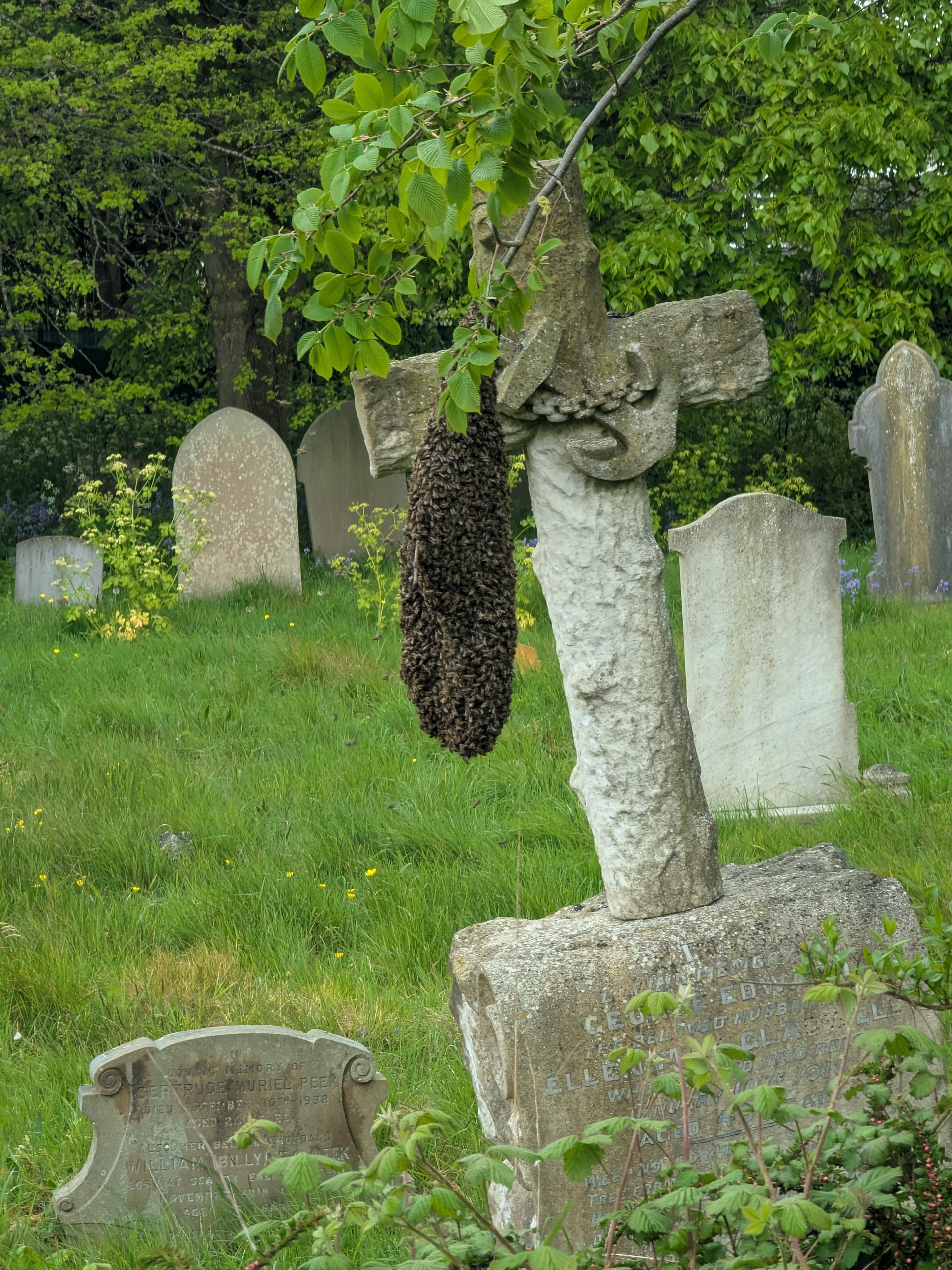
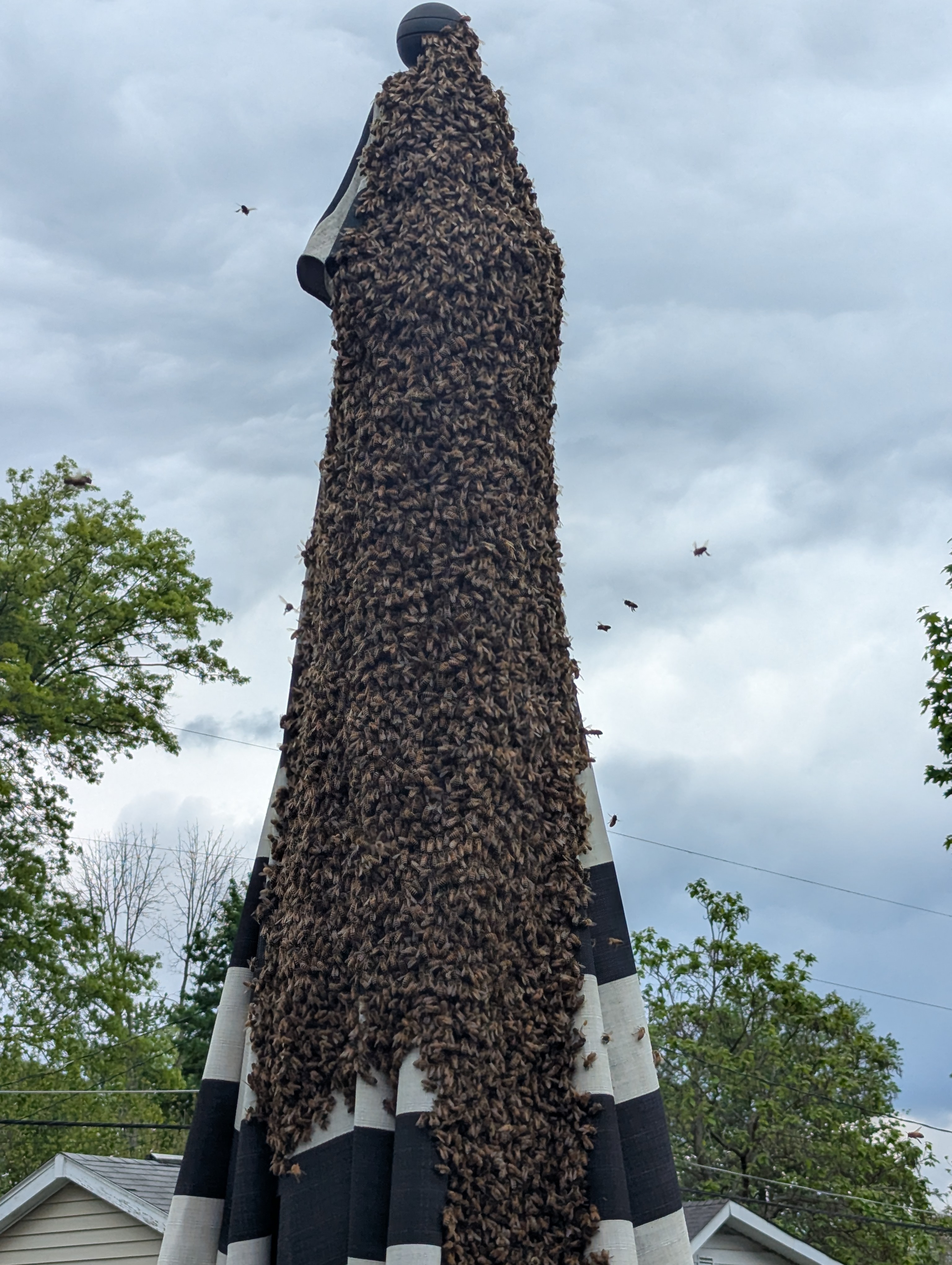
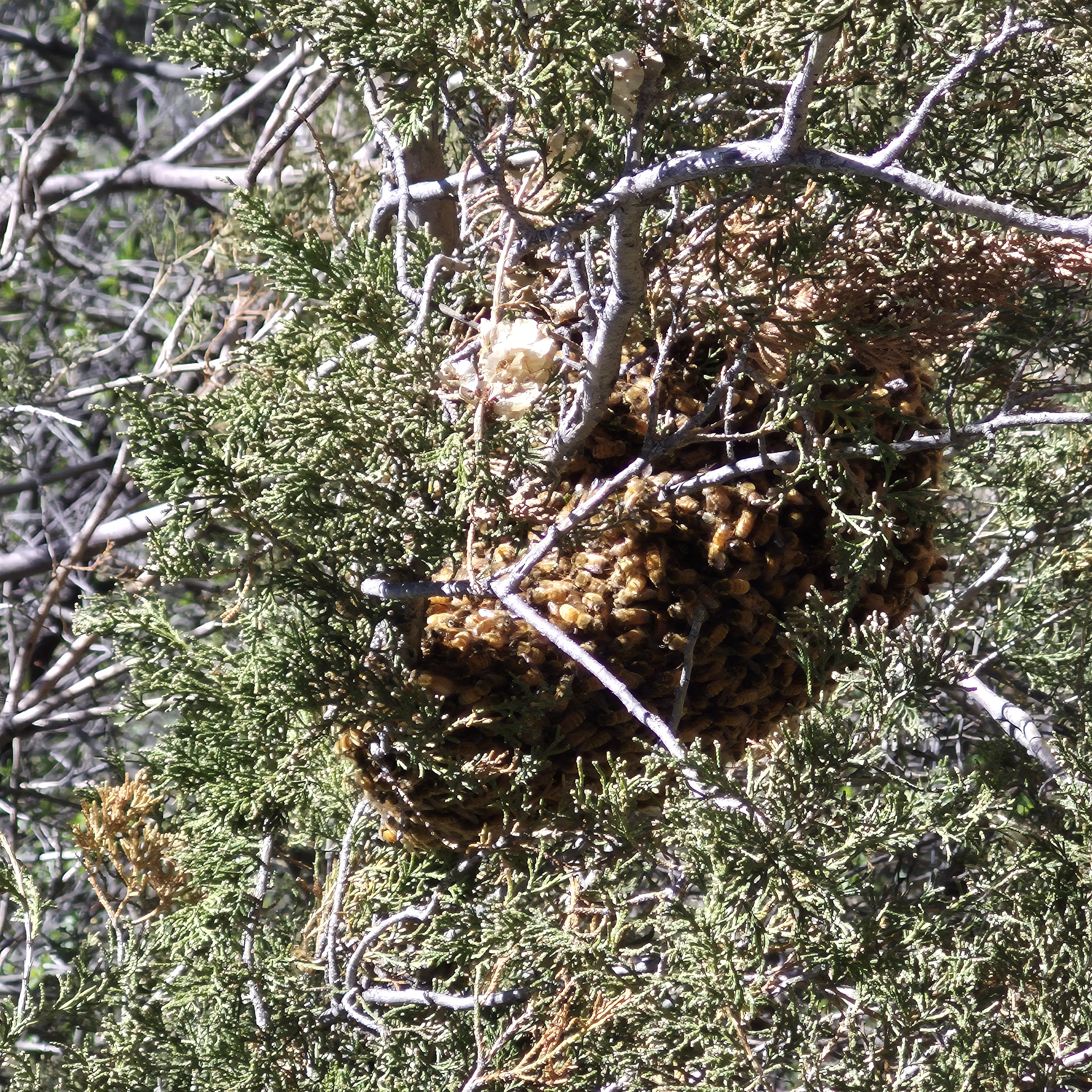
As spring unfolds across Maryland, from the bustling streets of Baltimore to the historic waterfront of Annapolis, the landscape awakens. Flowers bloom, trees leaf out, and another natural phenomenon takes flight: honey bee swarms. Seeing a large cluster of thousands of bees on a tree branch in Frederick or a fence post in Rockville can be startling, but it's a positive sign of a healthy, growing honey bee population. Understanding what a swarm is and how to respond is crucial for both public safety and the well-being of these vital pollinators.
This guide will help you identify a honey bee swarm, understand why this behavior is perfectly normal, and explain how you can easily file a Maryland bee swarm report to connect these bees with a local beekeeper who can give them a safe new home.
What Exactly is a Honey Bee Swarm?
A honey bee swarm is a natural part of the colony's life cycle—it's how they reproduce. In the spring, when a hive becomes overcrowded, the old queen and about half of the worker bees leave to find a new home. The bees that remain will raise a new queen to continue the original colony.
Before they depart, the traveling bees gorge on honey, filling their stomachs for the journey. This is important for two reasons:
- They are docile: With full bellies and no home, brood, or food stores to defend, swarming bees are at their most gentle. Their single focus is finding a suitable new location.
- They are temporary: The cluster you see hanging from a branch is a temporary resting spot. Scout bees are out searching for a permanent cavity, and the swarm will typically move on within 24 to 72 hours.
While they are not aggressive, a swarm in a public or inconvenient area should be addressed. This is where local beekeepers and a simple report can help.
A Critical Distinction: Swarm vs. Established Hive
One of the most common points of confusion for the public is the difference between a swarm and an established hive. Understanding this distinction is key, as it determines the type of response needed and whether the service is free.
- A Swarm: This is a transient cluster of bees hanging in the open—on a tree limb, a mailbox, or playground equipment. They have not built any wax comb. Because beekeepers value these bees for starting new hives, swarm rescue is almost always a free service offered by local apiarists.
- An Established Hive: If bees have moved into a structure—like the wall of a house, a shed, an attic, or a hollow tree—they are no longer a swarm. They have started building wax comb, raising their young (brood), and storing honey. These bees will be defensive of their home. Removing an established colony is a complex process called a "cutout," which often involves carpentry and structural repairs. This specialized work is a paid service, and a beekeeper will provide a quote based on the complexity of the job.
Swarmed is designed to help with the first scenario: the free, humane rescue of honey bee swarms.
How to Safely Report a Bee Swarm in Maryland
If you see what you believe is a honey bee swarm, your actions can make a significant difference in their survival. Instead of calling an exterminator, you can become part of the solution by connecting them with a beekeeper.
The process is simple and ensures a rapid, safe response:
- Observe from a distance. Do not disturb the bees, spray them with water, or throw objects at them. Simply give them space.
- Note the details. Where is the swarm located? How high off the ground is it? How large is the cluster (e.g., the size of a basketball)? A photo from a safe distance is extremely helpful.
- File your Maryland bee swarm report online. Visit https://beeswarmed.org/report-bee-colony (opens in a new tab) to submit the information. Your report is instantly dispatched to a network of registered beekeepers in your specific area.
This simple act alerts local experts who are equipped and eager to provide the bees with a proper hive. They can often arrive promptly to safely rescue the colony and transport it to an apiary where it can thrive.
Community Action Protects Maryland's Pollinators
Every swarm report is a victory for honey bees and local agriculture. These pollinators are essential for Maryland's ecosystems and food production, from apple orchards in the west to berry farms on the Eastern Shore. By choosing rescue over extermination, you contribute directly to their health.
Public reports are the backbone of beekeeper networks. A strong, responsive network relies on community participation. While some state networks are still developing—for instance, our network in Nevada has 5 beekeepers who have impressively rescued over 100 swarms—Maryland's active beekeeping community depends on citizen reports to locate and protect these valuable colonies.
Your report not only saves the bees but also supports the local beekeepers who dedicate their time and resources to caring for them. It's a true community effort that benefits everyone.
Take Action This Spring
This spring, when you see a swirling mass of honey bees settle in your neighborhood, you’ll know exactly what to do. Remember that this is a natural, beautiful event, and you have the power to ensure a positive outcome.
By filing a Maryland bee swarm report on our platform, you connect a vulnerable honey bee colony with a local beekeeper ready to provide a permanent, safe home. You help protect our vital pollinators and support your community's beekeepers. If you spot a swarm, help them thrive by reporting it today.