
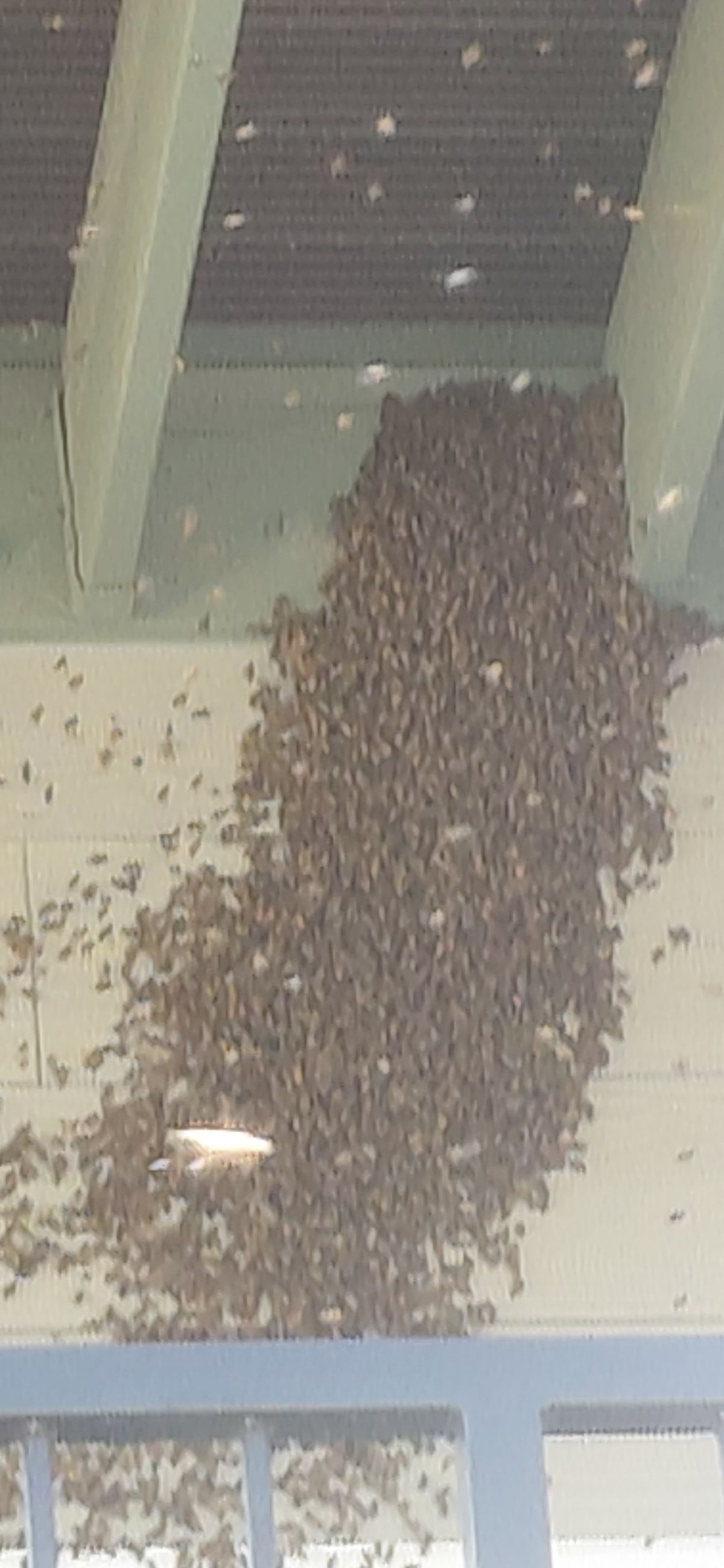
A Beekeeper's Guide to Swarm Season in California
California's Golden Opportunity: Harnessing the Spring Swarm For beekeepers across California, the arrival of spring signals more than just almond blossoms and wildflo...
Read More...May 18, 2026
Home > Blog > A Guide to Maine's Spring Honey Bee Swarm Season
May 6, 2026
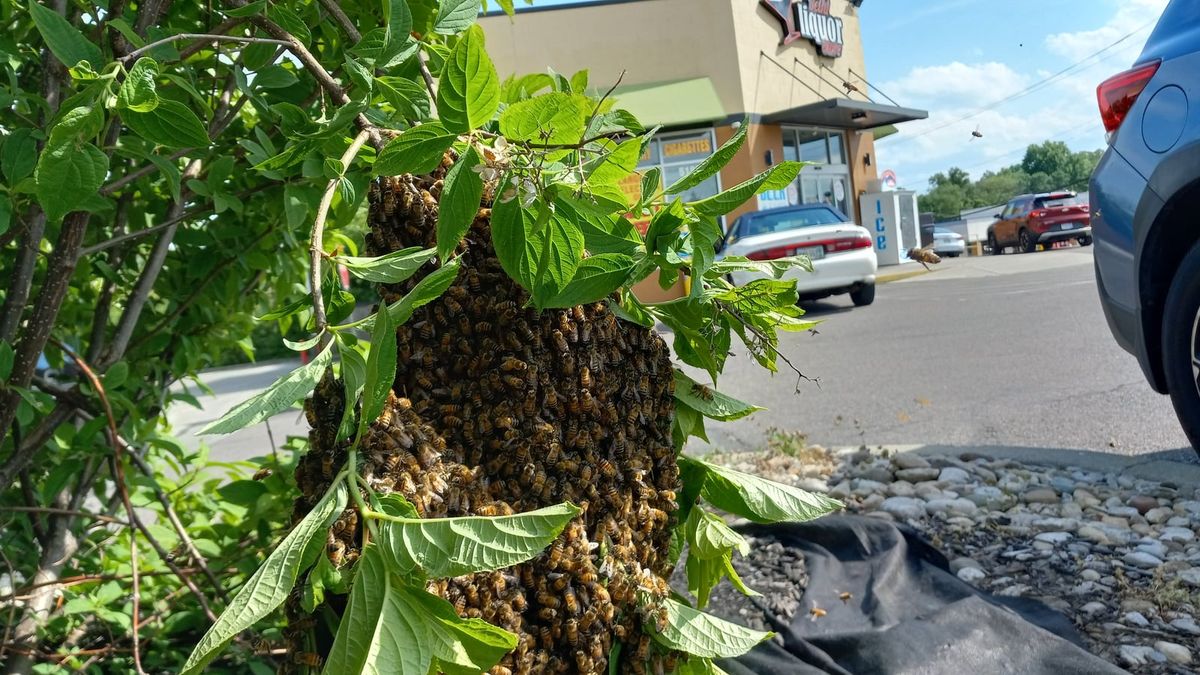
Across Maine, from the bustling streets of Portland to the capital city of Augusta and the neighborhoods of Bangor, the arrival of warmer weather signals a remarkable natural event: the honey bee swarm season. While a large cluster of thousands of bees might seem alarming, it is a normal and vital part of the honey bee life cycle. Understanding what a swarm is, and what to do when you see one, allows you to play a crucial role in protecting these essential pollinators and supporting your local beekeeping community.
Swarming is the natural method honey bees use to reproduce. When a healthy colony outgrows its hive, the old queen and about half of the worker bees leave to find a new home. This group is called a swarm. They will temporarily cluster on a tree branch, fence post, or building while scout bees search for a suitable permanent location. This is a sign of a thriving bee population, not a cause for panic.
It is important for residents to understand the distinction between a transient swarm and an established colony, as the response for each is very different.
Knowing the difference helps you connect with the right help and sets clear expectations for everyone involved.
In Maine's cooler climate, the primary swarm season aligns with the peak of spring. While the exact timing can shift with the weather, honey bee swarms typically begin to appear as the landscape comes alive with dandelions, fruit tree blossoms, and other key sources of nectar and pollen. This period provides the new colony with the abundant resources it needs to build a new home and store enough food before the seasons change again.
A colony's instinct to swarm is triggered by a combination of population growth and resource availability. When the hive becomes congested, the bees begin preparations to divide, ensuring the survival and propagation of their species.
Seeing a swarm is a unique opportunity to help. These bees are vulnerable while they are exposed and searching for a home. By reporting a swarm, you connect them with a local beekeeper who can provide them with a safe, managed hive where they can thrive. This act supports Maine's agriculture, as these bees will go on to pollinate local crops and gardens.
The Swarmed network is a free platform designed to make this connection simple and effective. It instantly alerts registered beekeepers in your area to the swarm's location. This community-driven effort is powerful. In other states, beekeepers on the Swarmed network have responded to over 100 swarm reports in a single season, showcasing the incredible volume of bees that can be saved when the public and beekeepers work together.
If you see a honey bee swarm:
Protecting honey bees is a shared responsibility that benefits all of us. When you report a swarm, you are not just getting rid of a potential nuisance; you are participating in a statewide conservation effort. You are helping a local beekeeper strengthen their apiary, and you are ensuring these vital pollinators can continue their important work in our ecosystem. To report a honey bee colony and connect with a local beekeeper ready to help, please visit the Swarmed reporting page.
**To report a bee swarm in Maine, visit: https://beeswarmed.org/report-bee-colony (opens in a new tab)
California's Golden Opportunity: Harnessing the Spring Swarm For beekeepers across California, the arrival of spring signals more than just almond blossoms and wildflo...
Read More...May 18, 2026
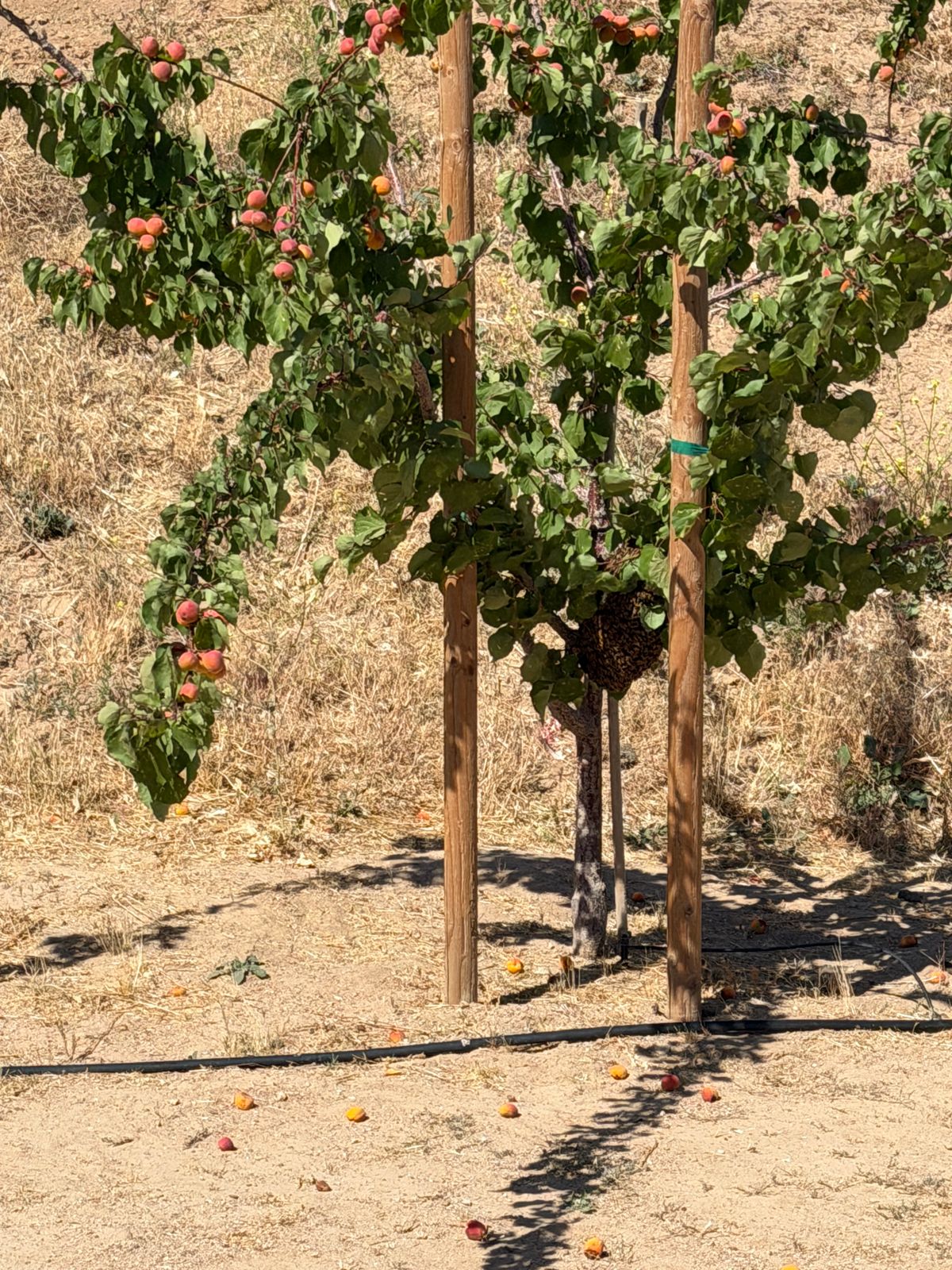
A Beekeeper's Guide to Swarm Collection in Idaho Spring has arrived in the Gem State, and with it, the unmistakable hum of honey bee swarms. For beekeepers, this is a...
Read More...May 18, 2026