
A Beekeeper's Guide to Swarm Season in California
California's Golden Opportunity: Harnessing the Spring Swarm For beekeepers across California, the arrival of spring signals more than just almond blossoms and wildflo...
Read More...May 18, 2026
Home > Blog > Spring Bee Swarms in The Magnolia State: A Guide
May 6, 2026
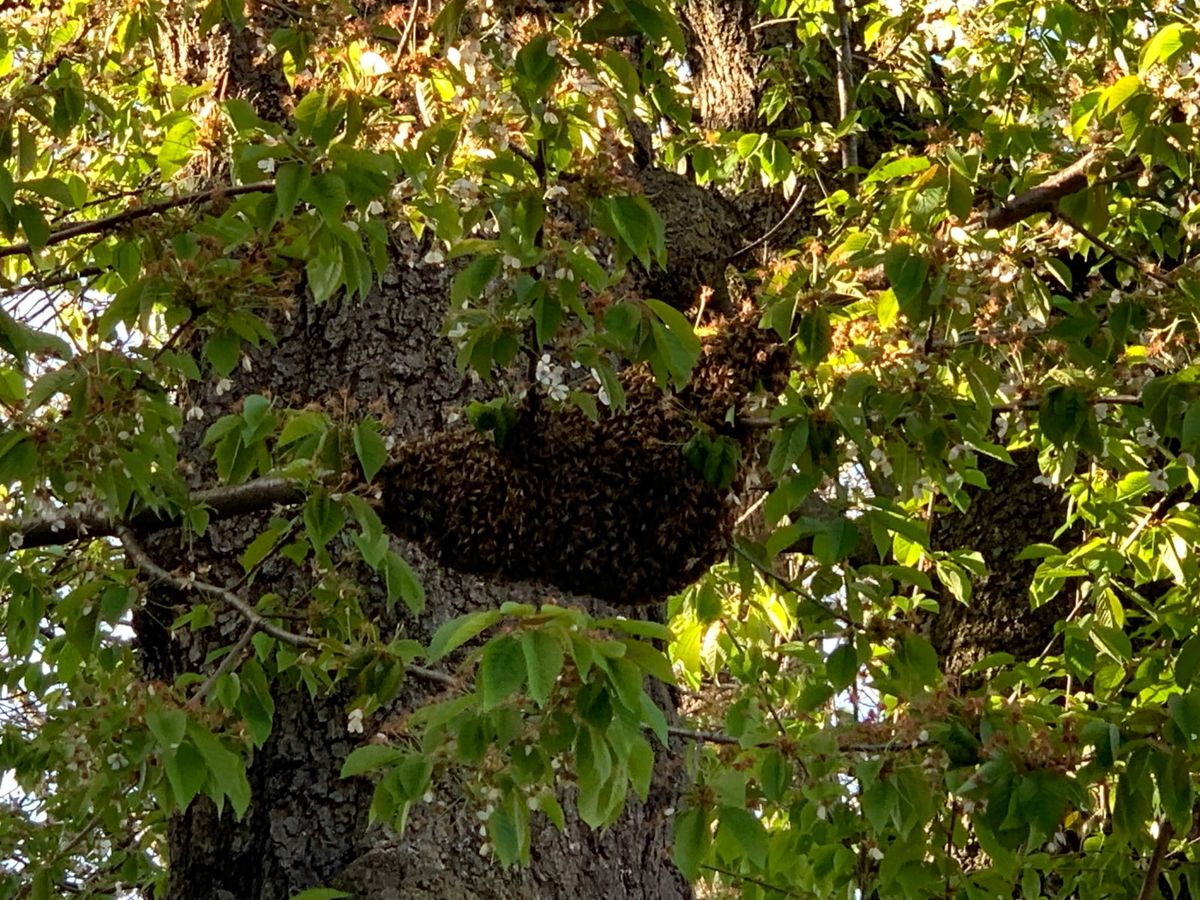
As the warmth of spring settles across The Magnolia State, from the bustling streets of Jackson to the coastal breezes of Gulfport and Biloxi, nature awakens. Along with blooming flowers and greening trees comes a fascinating natural phenomenon: honey bee swarming. Seeing a large cluster of bees can be startling, but it represents a healthy, growing honey bee population. Understanding what a swarm is and how to respond is key to protecting these vital pollinators and supporting local beekeepers.
This guide explains the spring swarm season timeline and shows how you can easily submit a Magnolia State bee swarm report to ensure the bees are safely rescued.
A honey bee swarm is a natural part of the bee life cycle, essentially how a colony reproduces. In the spring, a healthy, overcrowded colony prepares to split. The old queen, along with about half of the worker bees (often 10,000 to 30,000), will leave the original hive to find a new home.
While this large group of bees searches for a suitable new location, they will temporarily cluster together on a tree branch, fence post, or the side of a building. This cluster is the swarm. Key characteristics of a swarm include:
It is crucial not to confuse a temporary swarm with an established hive.
Understanding the difference between a swarm and an established colony is essential because it determines the type of response needed and whether there is a cost involved.
A swarm is the transient cluster of bees hanging in the open. Local beekeepers are very interested in rescuing these swarms because they can be used to start new, healthy colonies in their apiaries. Because the bees are easy to access and beekeepers want them, swarm rescue is almost always a free service. Beekeepers can typically gather the bees into a box with minimal equipment and time.
If a swarm finds a permanent home inside a structure—such as the wall of a house, a chimney, a shed, or a hollow tree—it is no longer a swarm. It is an established hive or established colony. These bees have started building wax comb, raising young (brood), and storing honey.
Once established, the bees become defensive of their home and resources. Removing them is a complex and labor-intensive process known as a "cutout." This requires specialized skills and often involves carpentry to open the structure, carefully remove all the comb and bees, and then perform repairs. Due to the time, skill, and potential for structural work, removing an established hive is a paid service. A beekeeper will provide a quote based on the complexity of the job, which the property owner can then accept or decline.
Across The Magnolia State, the primary swarm season aligns with the peak of spring. As daytime temperatures consistently rise and flowering plants provide abundant nectar and pollen, bee colonies expand rapidly. This population boom triggers the swarming impulse, typically beginning in the earlier part of spring and intensifying through late spring.
When you see a swarm, you are witnessing a critical moment in a colony's life. By reporting it, you can play a pivotal role in its survival.
Seeing thousands of bees can be intimidating, but your next step is simple and makes a huge difference. The Swarmed network connects people who spot swarms with local beekeepers who are ready to rescue them.
The process is straightforward:
Once your report is submitted, an alert is sent to nearby registered beekeepers. The first available beekeeper will claim the rescue and contact you to coordinate a time to safely give the bees a new home. This simple act creates a powerful community network. In other active regions, our platform has connected beekeepers to rescue over 100 swarms in a single season, protecting millions of bees that might have otherwise been exterminated or failed to find a suitable home.
Submitting a Magnolia State bee swarm report does more than just solve a potential nuisance. It's a proactive step that benefits everyone.
The next time you see a cluster of honey bees hanging from a tree branch in your yard or a park, you’ll know exactly what it is: a colony in transition, looking for a fresh start. These swarms are a beautiful, natural part of spring.
Help us protect these incredible pollinators. If you see a swarm, keep a safe distance and report it immediately. Your simple action ensures the bees are rescued by a local expert who will give them a safe place to build their new home.
Ready to help? Report a bee swarm today and become a vital part of the solution for honey bees in our communities. Visit https://beeswarmed.org/report-bee-colony (opens in a new tab) to make your report.
California's Golden Opportunity: Harnessing the Spring Swarm For beekeepers across California, the arrival of spring signals more than just almond blossoms and wildflo...
Read More...May 18, 2026
A Beekeeper's Guide to Swarm Collection in Idaho Spring has arrived in the Gem State, and with it, the unmistakable hum of honey bee swarms. For beekeepers, this is a...
Read More...May 18, 2026