Louisiana's Spring Awakening: Understanding Honey Bee Swarms
Across Louisiana, the arrival of spring brings vibrant blooms and warmer air—and with it, the natural phenomenon of honey bee swarms. From the bustling streets of New Orleans and Baton Rouge to communities in Shreveport and Lafayette, seeing a large cluster of bees on a tree branch or fence post can be startling. However, this is a positive sign of a healthy, growing honey bee population. This guide provides the essential information on what a swarm is, why it happens, and how you can find Louisiana bee swarm help to protect these vital pollinators.
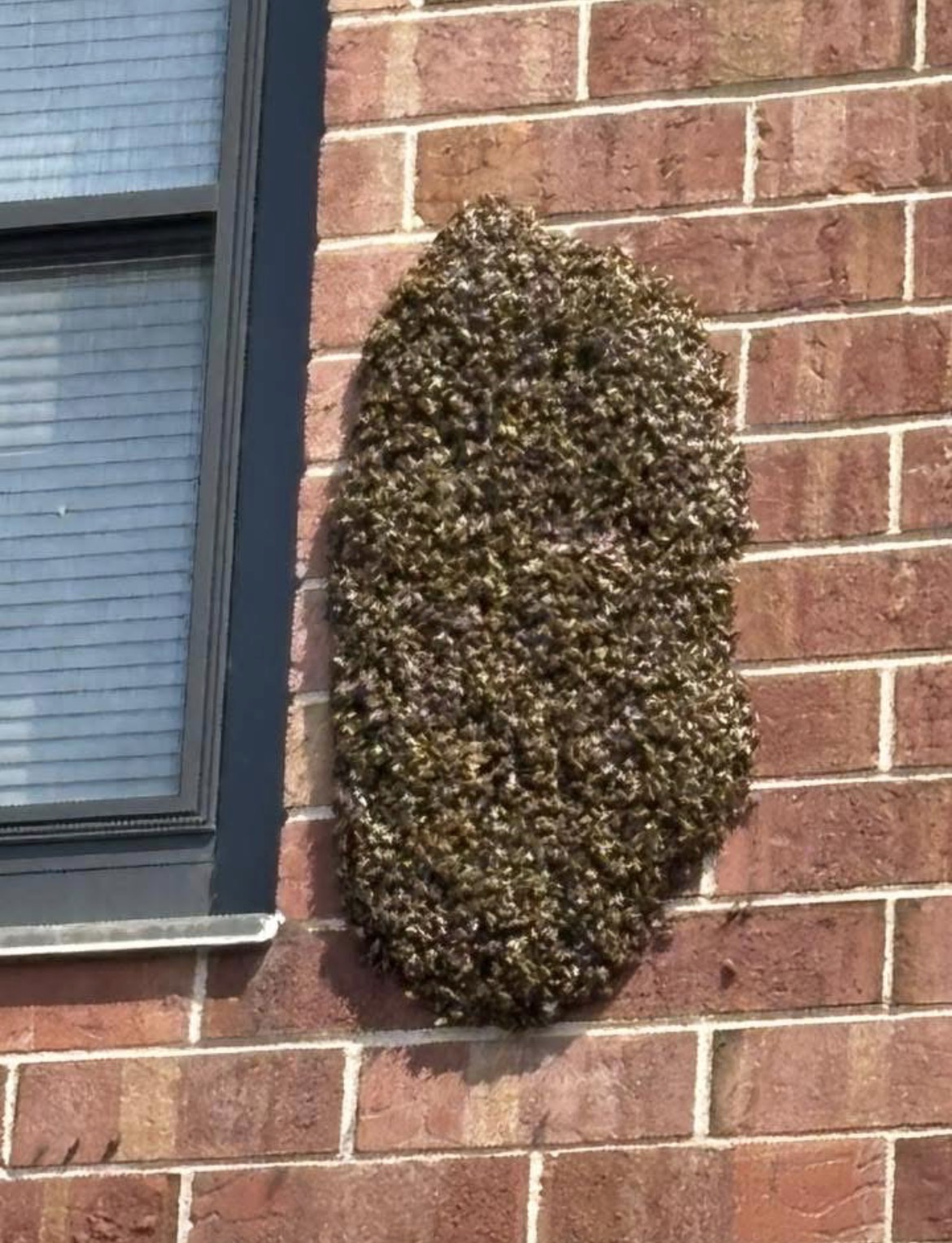
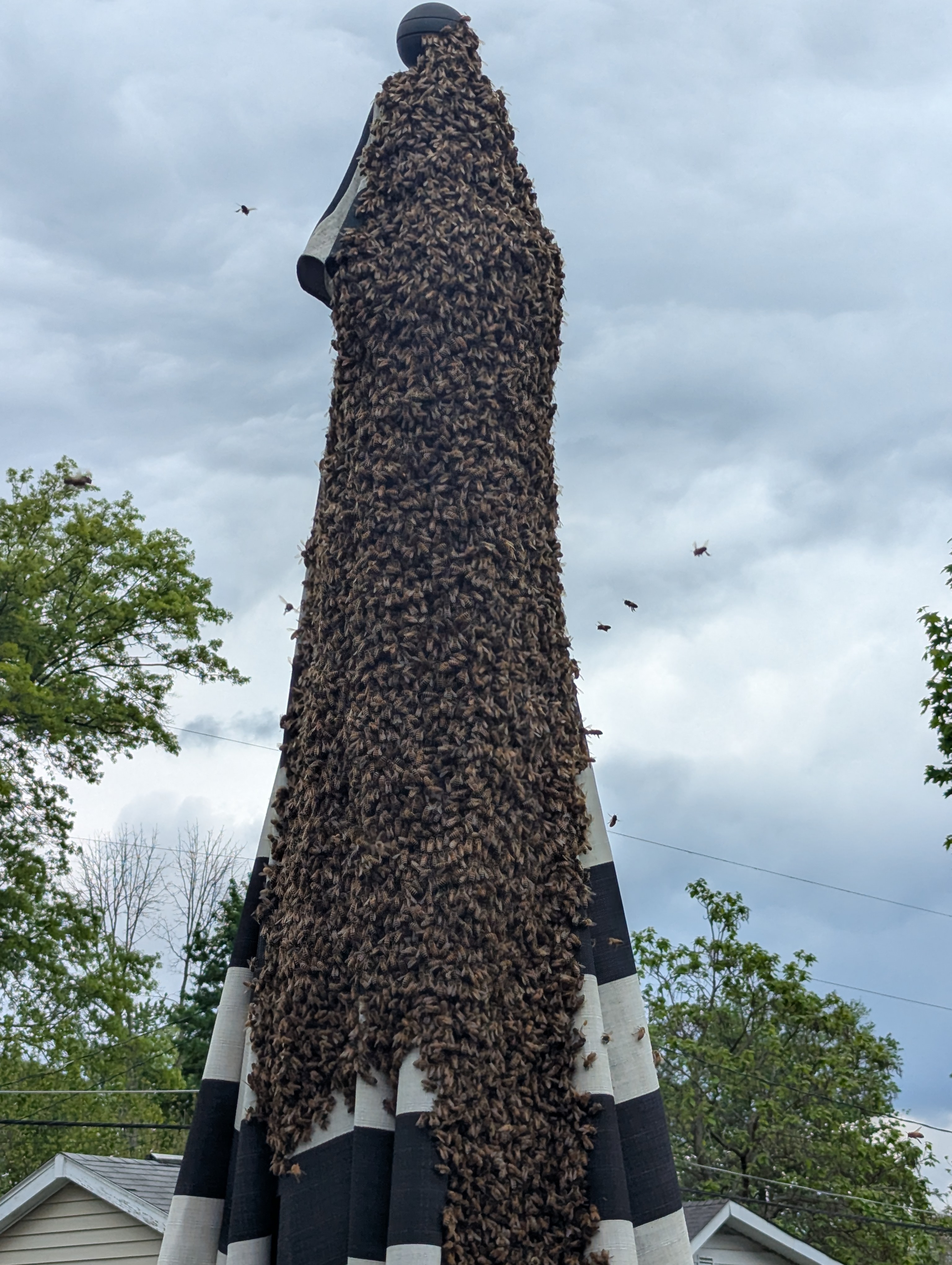
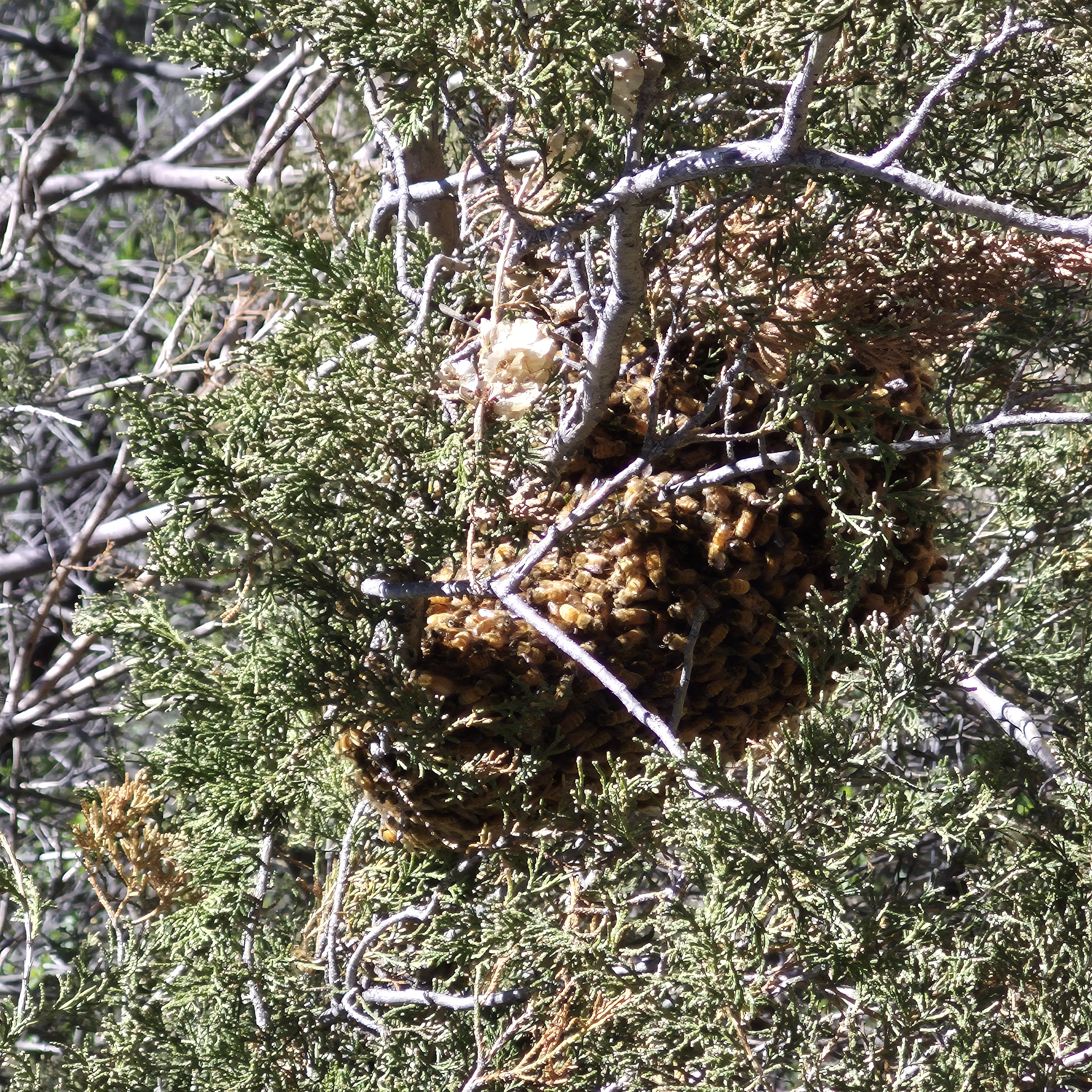
Swarming is the honey bee’s natural way of reproducing. When a colony becomes overcrowded, the old queen leaves with about half of the bees to find a new home. The remaining bees raise a new queen to continue the original colony. The group you see clustered together is this traveling party, resting while scout bees search for a suitable new residence.
Is It a Swarm or an Established Hive? The Critical Difference
Understanding the difference between a swarm and an established hive is key to getting the right help. The distinction directly impacts whether the removal is a simple rescue or a more complex, paid service.
A Honey Bee Swarm Is:
- A temporary cluster of bees. They are exposed, often hanging from a branch, a mailbox, or playground equipment.
- Typically docile. The bees have filled up on honey before leaving their old hive and have no home, brood, or food stores to defend. Their primary focus is protecting the queen and finding a new home.
- A free rescue opportunity. Beekeepers are eager to rescue swarms because they provide a strong, healthy start for a new hive in their apiary. They can usually be gently brushed into a box and relocated with minimal effort.
An Established Hive Is:
- A permanent residence. The bees have moved into a structure—such as the wall of a house, a chimney, an attic, or a hollow tree—and have begun building wax comb.
- Defensive. These bees have a home, larvae (brood), and honey to protect, making them more likely to sting if they feel threatened.
- A paid removal service. Removing an established hive is a complex job known as a “cutout.” It often requires specialized equipment, carpentry skills to open the structure, and careful removal of bees, comb, and honey. The beekeeper will need to provide a quote based on the difficulty, time, and potential repairs involved.
Louisiana’s Active Swarm Season
Louisiana's subtropical climate gives it an early and energetic spring, which means swarm season can begin sooner and last longer than in other parts of the country. As temperatures rise and nectar sources become abundant, honey bee colonies expand rapidly, triggering the swarming instinct. This period is a crucial time for local ecosystems, as these swarms will eventually become new pollinating forces for Louisiana's agriculture and gardens.
When residents take action to protect these swarms, they contribute directly to the health of the local environment. Each rescued swarm is a colony that can continue its essential work of pollination.
How to Get Louisiana Bee Swarm Help Safely and Effectively
If you see a honey bee swarm, the safest and most effective action is to contact a local beekeeper. These experienced individuals have the knowledge and equipment to safely rescue the bees and give them a proper home where they can thrive. Swarmed provides a direct connection between you and a network of local Louisiana beekeepers ready to help.
By reporting a swarm, you are not just solving a problem; you are participating in a community effort to support pollinators. The process is simple: describe the swarm's location, and the Swarmed platform alerts nearby beekeepers who can respond. Community platforms like this can have a significant impact. For example, in another state, a small network of just a few users helped rescue over 100 swarms in a single season, showcasing how simple reports from the public lead to powerful conservation outcomes.
For safe and prompt assistance with a honey bee swarm, please report the colony to the Swarmed network (opens in a new tab).
What to Do When You See a Swarm
Your calm and correct response can ensure a positive outcome for both you and the bees.
- Do stay calm and keep a safe distance. While swarms are docile, it is always wise to give them space.
- Do keep children and pets away from the area.
- Do take a photo from a safe distance if possible. This helps the beekeeper assess the situation.
- Do contact a local beekeeper through the Swarmed network. This is the most important step.
What Not to Do
- Do not panic. The bees are not interested in you; they are focused on their queen and finding a new home.
- Do not spray the swarm with water or insecticide. This will not make them leave and will needlessly harm or kill these beneficial insects.
- Do not throw objects at the swarm or try to remove it yourself. This could agitate the bees and create an unsafe situation.
Help Louisiana's Honey Bees This Spring
Every honey bee swarm represents the future of pollination in our communities. By understanding what they are and how to respond, you can play a vital role in their survival. Reporting a swarm is a simple act that supports local beekeepers, protects a valuable natural resource, and ensures the bees are moved to a safe location where they can continue to benefit Louisiana's environment. If you encounter a swarm, remember to observe from a distance and make the call for help.
To connect with a local beekeeper and ensure the safe rescue of a honey bee colony, please report your sighting here: https://beeswarmed.org/report-bee-colony (opens in a new tab).