
A Beekeeper's Guide to Swarm Season in California
California's Golden Opportunity: Harnessing the Spring Swarm For beekeepers across California, the arrival of spring signals more than just almond blossoms and wildflo...
Read More...May 18, 2026
Home > Blog > Kentucky Bee Swarm Season: A Resident's Guide
May 6, 2026
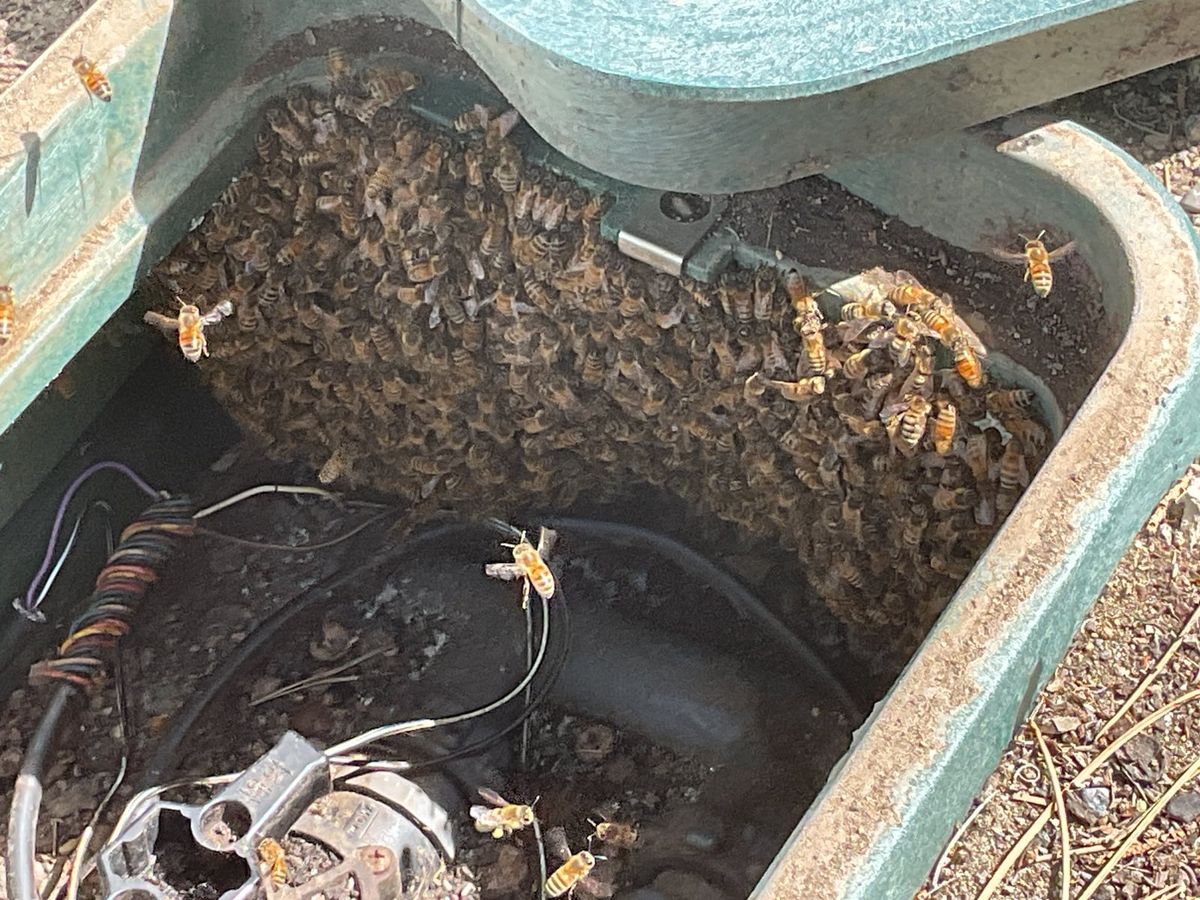
Spring in Kentucky brings vibrant green landscapes, the thunder of hooves at Churchill Downs, and another, more subtle sign of the season: the gentle hum of honey bee swarms. Across cities like Louisville, Lexington, and Bowling Green, the warming weather signals the start of the annual Kentucky bee swarm season. While the sight of a large, buzzing cluster of bees can be startling, it represents a natural and vital process for honey bee survival. This guide explains what a swarm is, why it happens, and how you can play a crucial role in protecting these essential pollinators.
Swarming is the honey bee's method of reproduction at the colony level. When a hive becomes overcrowded, the old queen bee leaves with about half of the colony's worker bees to find a new home. The bees that remain behind will raise a new queen to continue the original hive. The traveling group, or swarm, will temporarily cluster on a tree branch, fence post, or other stationary object while scout bees search for a suitable permanent cavity. This is the moment they are most visible to the public.
It’s a common misconception that a swarm of bees is aggressive. In reality, bees in a swarm are at their most docile. They have no home, no brood, and no honey stores to defend. Their primary focus is on finding a new residence. Before leaving their original hive, the bees engorge themselves with honey, giving them enough energy for the journey. This makes them full, calm, and unlikely to sting unless severely provoked.
Understanding the difference between a temporary swarm and an established colony is critical for both public safety and bee preservation.
By correctly identifying the situation, you can set the right expectations when you connect with a beekeeper.
When you see a honey bee swarm, you have a unique opportunity to help. Instead of calling an exterminator, you can connect the bees with a local beekeeper who will give them a safe, managed home. The Swarmed network provides a direct link between concerned citizens and registered Kentucky beekeepers who are ready to help.
The process is simple. If you spot a swarm, the most effective action you can take is to visit the Swarmed website and report the bee colony (opens in a new tab). Your report instantly sends an alert to nearby beekeepers. One of these local experts will then claim the alert and contact you to arrange the rescue.
This community-based approach offers several benefits:
Each swarm report contributes to a larger understanding of honey bee health and activity across Kentucky and the nation. The data gathered through the Swarmed network helps track population trends and identify swarm hotspots. For example, our network data shows that states with earlier spring activity, such as Nevada, have already logged over 100 swarm reports this season. This information provides valuable insights for apiarists and researchers alike, and it all starts with a simple report from an observant resident.
Protecting honey bees is essential for Kentucky's ecosystem and agriculture. These pollinators are responsible for the success of countless crops, from fruits and vegetables to the clover that feeds livestock. By taking a few moments to report a swarm, you are contributing directly to the environmental and economic health of the Bluegrass State.
If you encounter a honey bee swarm, follow these simple steps to ensure a safe and positive outcome for both you and the bees.
By following this checklist, you can turn a potentially alarming sight into a successful rescue mission.
This spring, as the Kentucky bee swarm season reaches its peak, every resident has the power to make a difference. These transient bee colonies are not a danger; they are a sign of a healthy, reproducing honey bee population. By understanding their behavior and knowing how to act, you can become an essential ally to these vital insects.
Reporting a swarm is free to use. When you report a bee colony (opens in a new tab), we connect you with local beekeepers who are often able to rescue the bees at no charge to you. To help us maintain this vital service, we ask for an optional suggested contribution of $12. Your report helps save honey bees and supports Kentucky’s beekeeping community. Keep an eye out and be ready to help our buzzing neighbors find a safe new home.
California's Golden Opportunity: Harnessing the Spring Swarm For beekeepers across California, the arrival of spring signals more than just almond blossoms and wildflo...
Read More...May 18, 2026
A Beekeeper's Guide to Swarm Collection in Idaho Spring has arrived in the Gem State, and with it, the unmistakable hum of honey bee swarms. For beekeepers, this is a...
Read More...May 18, 2026