A Sure Sign of Spring in the Hoosier State: Honey Bee Swarms
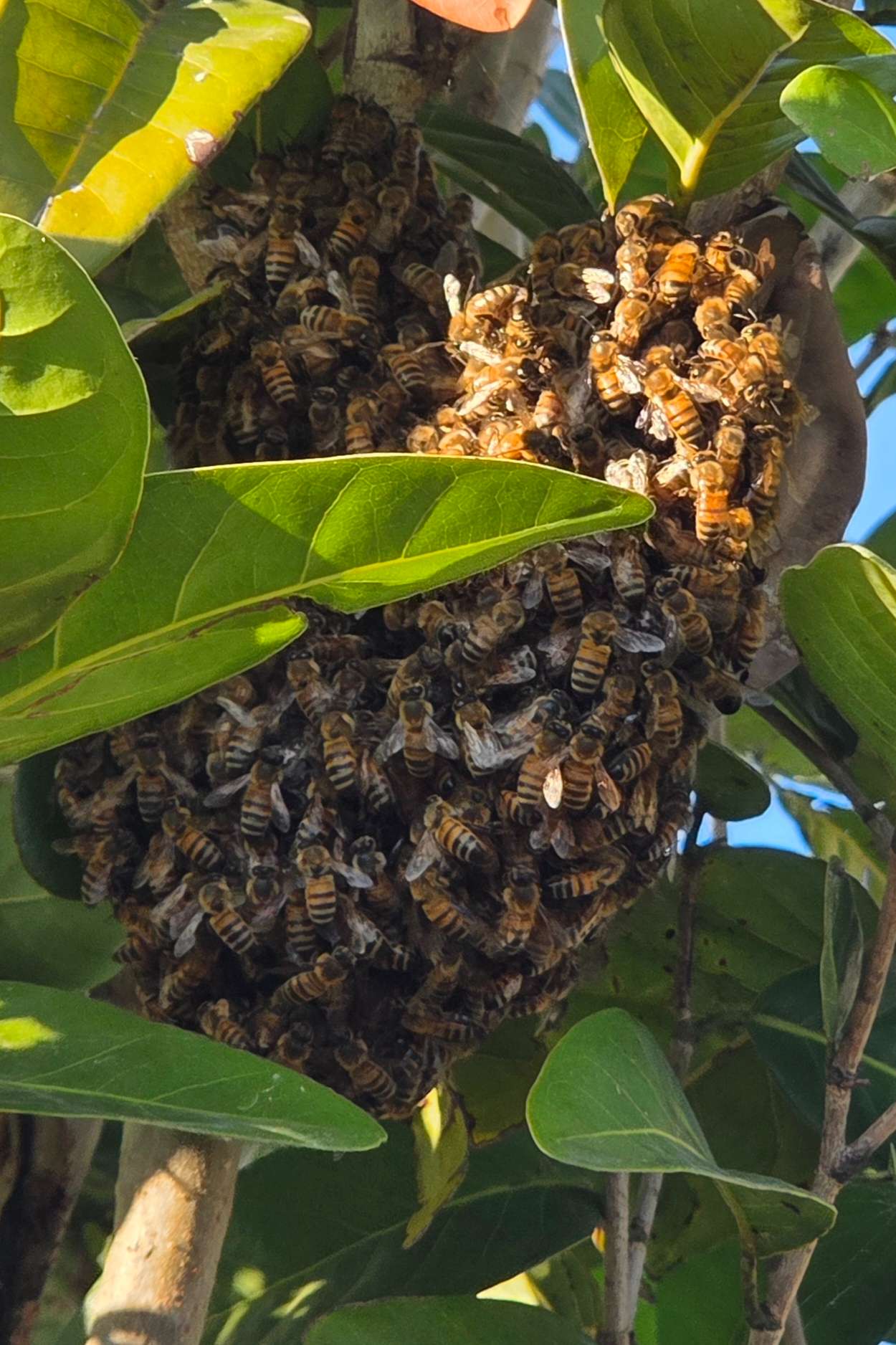
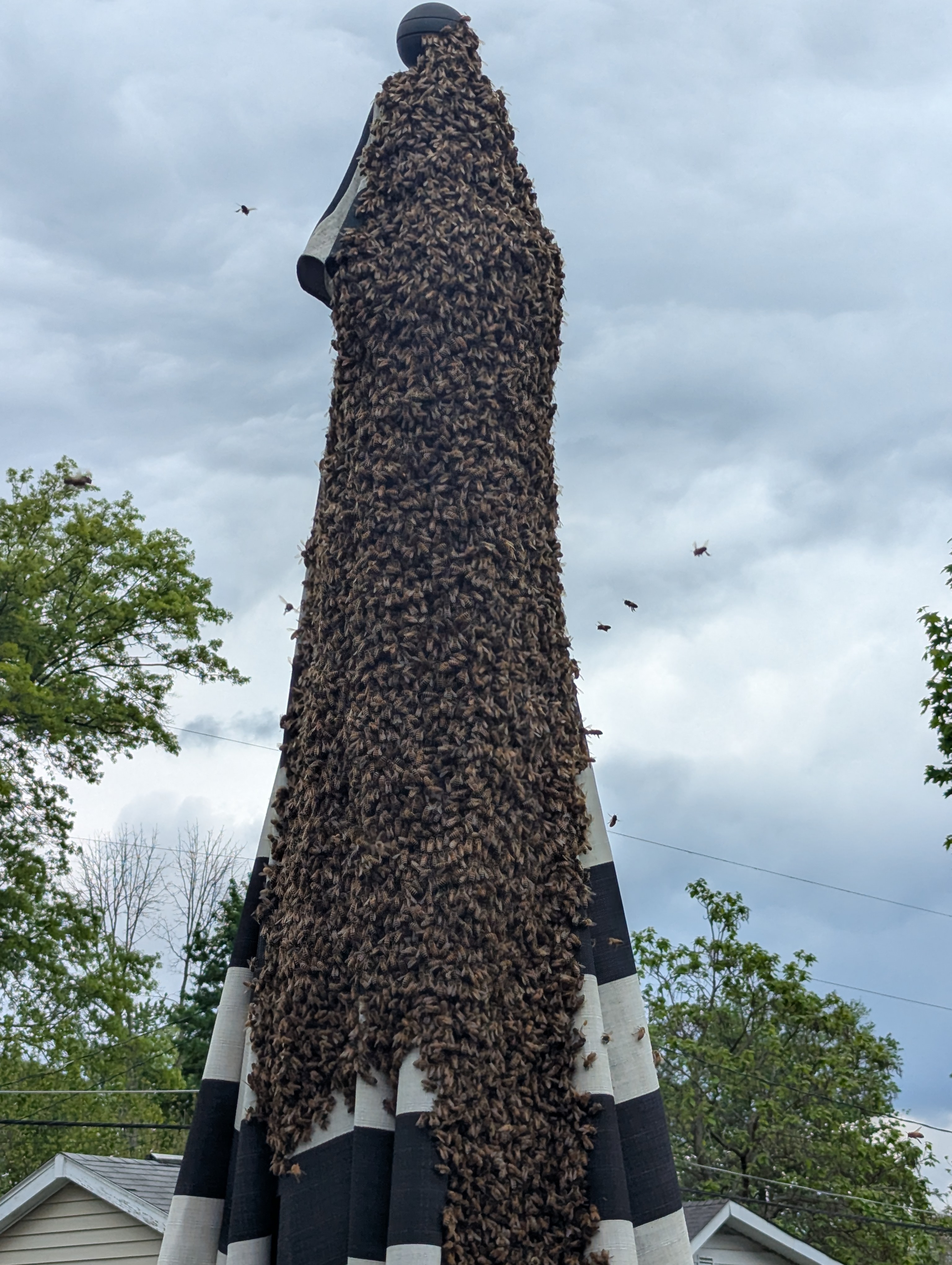
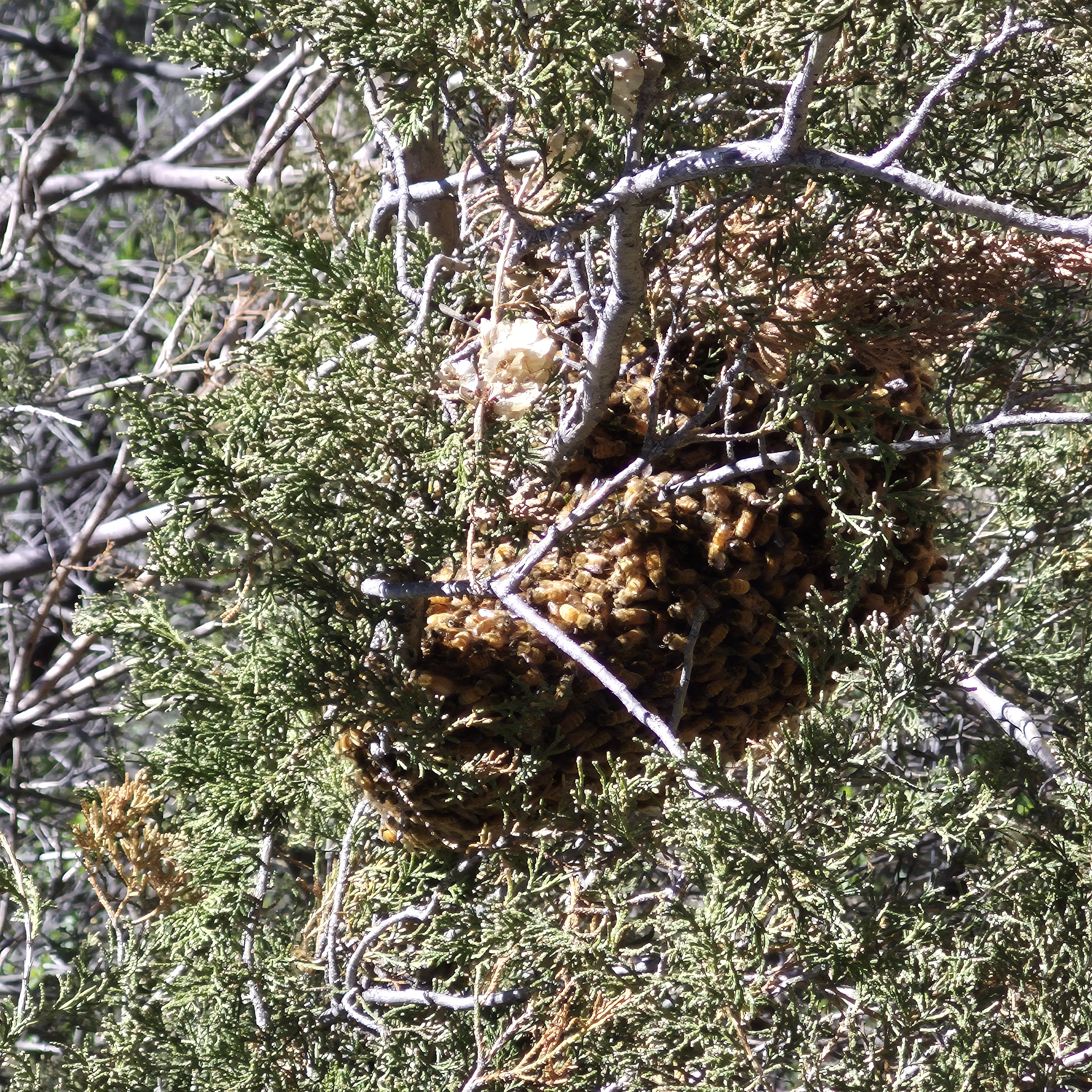
Across Indiana, from the blooming parks of Indianapolis to the quiet neighborhoods of Fort Wayne and the bustling streets of Bloomington, the arrival of spring brings a unique natural event: honey bee swarm season. As the days grow longer and flowers begin to open, you might spot a large, buzzing cluster of bees hanging from a tree branch, a fence post, or the side of a building. This sight, while intimidating to some, is a positive sign of a healthy honey bee population.
This guide provides essential information for residents across Indiana, explaining what a bee swarm is, why it occurs, and how you can become a crucial part in protecting these vital pollinators. Understanding the difference between a temporary swarm and an established colony is key to getting the right kind of help.
What Exactly is a Honey Bee Swarm?
A honey bee swarm is the natural way a colony reproduces. Think of it as one family growing so large that it decides to split into two. When a colony becomes overcrowded in its current home, the original queen bee will leave with about half of the worker bees to find a new location. The bees left behind will raise a new queen to continue the original hive.
Before leaving, the traveling bees fill up on honey, making them full, content, and remarkably docile. Their sole focus is on protecting their queen and finding a new permanent home. The cluster you see is a temporary resting spot while scout bees search for a suitable cavity. This resting period typically lasts only 24 to 72 hours.
Because they have no home, no brood (young bees), and no honey stores to defend, swarming bees are at their least aggressive. They are simply waiting for instructions from the scout bees on where to go next. This is the perfect moment for a beekeeper to provide them with a safe, new home.
Swarm Rescue vs. Established Hive Removal: A Critical Distinction
Understanding the situation you are facing is crucial, as it determines the type of assistance required and whether there is a cost involved.
- Honey Bee Swarm: This is a transient cluster of bees hanging in the open. They have not yet built any wax comb or moved into a structure. Rescuing a swarm is a relatively straightforward process for a beekeeper.
- Cost: Swarm rescue is almost always free. Beekeepers are eager to give these bees a home in their own apiaries. It's a win-win: the bees are saved, and the beekeeper strengthens their operation.
- Established Hive or Colony: This is when bees have moved into a structure—such as the wall of a house, a chimney, a shed, or a hollow tree—and have begun building wax comb to store honey and raise their young. They are no longer temporary visitors; they have established a permanent home.
- Cost: Removing an established colony, a process known as a "cutout," is a complex job that costs money. It often requires specialized equipment, carpentry skills to open and repair the structure, and significant time and labor. A beekeeper providing this service will assess the situation and provide a quote for the work.
Swarmed primarily connects the public with beekeepers for the free rescue of honey bee swarms.
Prime Swarm Season in Indiana
In Indiana, honey bee swarm activity peaks during late spring. As nectar flows from black locust, clover, and other native plants, honey bee colonies expand rapidly, triggering the swarming instinct. From the shores of Lake Michigan near South Bend down to the Ohio River, this is the time when you are most likely to encounter a swarm.
Your awareness and quick action during this period are vital. A reported swarm is a colony saved from potentially choosing an undesirable location, like inside a home's walls, which would create a more complex and costly problem later.
Indiana Bee Swarm Help: How You Can Be a Hero for Honey Bees
When you see a swarm, you have an opportunity to help protect honey bees and support your local beekeeping community. The single most effective action you can take is to report it.
By reporting a swarm through the Swarmed network, your alert is instantly sent to nearby, registered beekeepers who are ready to help. This simple act ensures the bees are safely relocated to a managed apiary where they can thrive and continue their essential work of pollination.
Your report has a significant local impact. Community involvement is crucial for bee survival. While some areas like Nevada have seen a declining trend in swarm reports with only five beekeepers responding to 100 swarms, Indiana's strong community of beekeepers is ready and waiting to assist. Your alert is the bridge that connects them to bees in need of a home. Providing Indiana bee swarm help is as simple as making a report.
What to Do (and Not Do)
If you encounter a swarm, follow these simple steps:
- DO keep a safe distance and observe from afar. While docile, it's best not to disturb them.
- DO take a picture from a safe distance if you can. This helps the beekeeper confirm it's a honey bee swarm.
- DO report the swarm immediately. The sooner a beekeeper is notified, the better the chance of a successful rescue.
- DO NOT spray the bees with water or insecticide. This will not make them leave and will harm or kill these beneficial insects.
- DO NOT throw objects at the swarm or try to remove it yourself.
Take Action to Help Indiana's Honey Bees
Honey bee swarms are a beautiful, natural phenomenon and a sign of a healthy ecosystem. By understanding what they are and how to respond, you can play an active role in protecting these vital pollinators. Your decision to report a swarm helps the bees, supports local Indiana beekeepers, and contributes to the health of our shared environment. The next time you see a buzzing cluster of bees, you'll know exactly what to do.
If you see a honey bee swarm, help them find a safe new home. Report the swarm to connect with a local beekeeper who can provide assistance, often at no cost. Visit https://beeswarmed.org/report-bee-colony (opens in a new tab) to file a report and support your community.