
A Beekeeper's Guide to Swarm Season in California
California's Golden Opportunity: Harnessing the Spring Swarm For beekeepers across California, the arrival of spring signals more than just almond blossoms and wildflo...
Read More...May 18, 2026
Home > Blog > Illinois Swarm Season: Calling All Beekeepers!
May 6, 2026
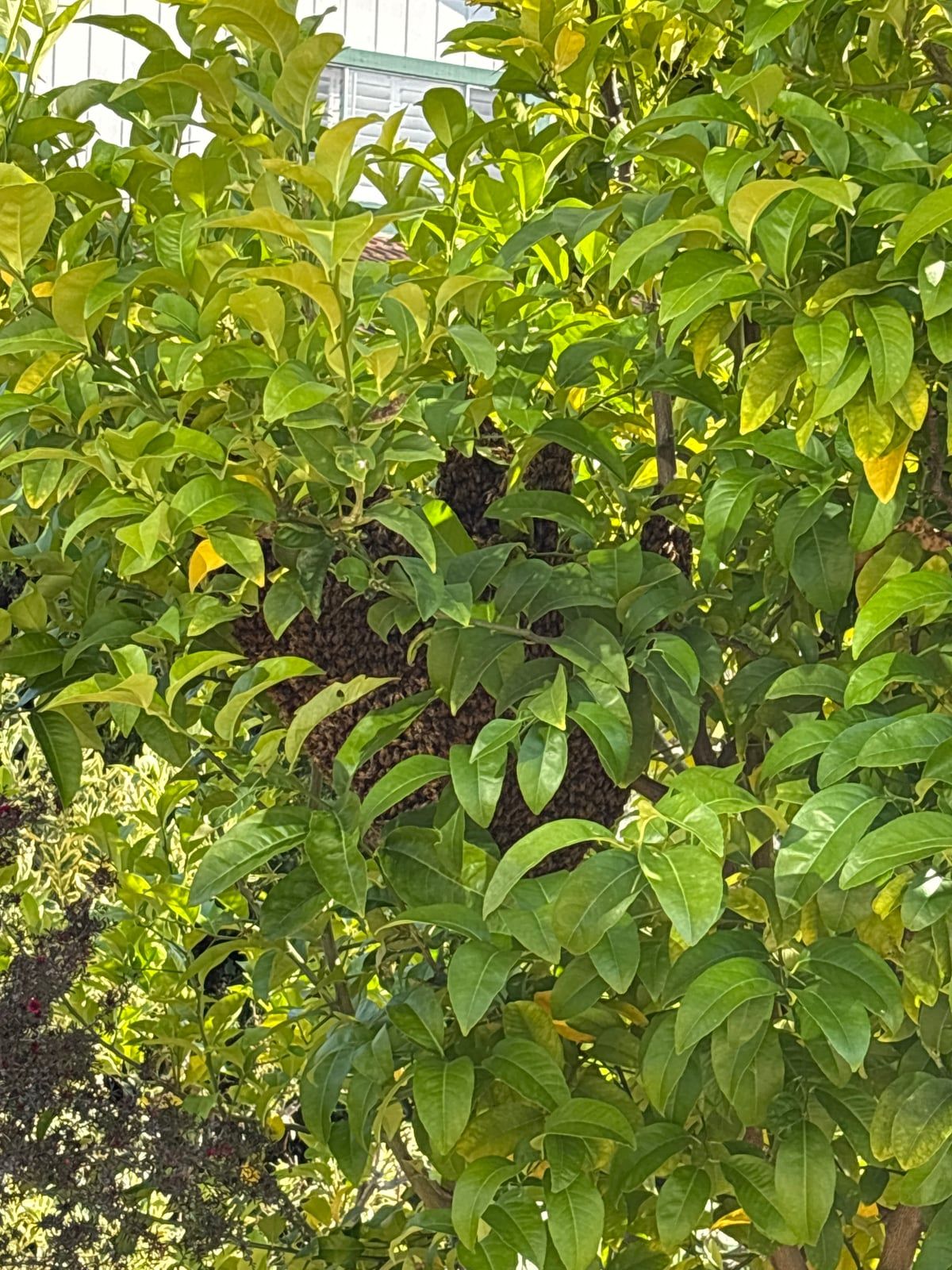
Spring has arrived in Illinois, and with it comes a predictable and essential biological event: honey bee swarm season. Across the state, from the dense urban neighborhoods of Chicago to the sprawling fields surrounding Springfield and the riverbanks of Peoria, established honey bee colonies are reproducing. This annual cycle creates thousands of swarms—transient clusters of bees in search of a new home. While a natural part of the honey bee life cycle, these swarms can be alarming for residents who find them in their backyards, on street signs, or in local parks.
This surge presents a significant opportunity for the state's apiarists. Each swarm is a healthy, genetically diverse colony with a proven queen, ready to be housed and managed. The challenge lies in efficiently connecting these swarms with the beekeepers who can provide them a safe home. A coordinated, statewide response is necessary to ensure these valuable pollinators are rescued and residents feel supported.
To manage this seasonal influx, a robust and responsive system is critical. Swarmed provides the digital infrastructure to build an effective Illinois beekeeper network, connecting experienced apiarists with residents who report swarms in real-time. Our platform functions as a dispatch system, sending free, geo-targeted alerts directly to beekeepers who have registered for a specific service area.
When a resident in Illinois reports a swarm, the beekeepers closest to the location receive an immediate notification with all the necessary details. There is no commitment required; you can choose which swarms to respond to based on your availability and capacity. This system streamlines the rescue process, increases the chances of a successful collection, and strengthens the connection between the beekeeping community and the public it serves.
The impact of a connected network is significant. In other states experiencing a rise in swarm activity, this model has proven highly effective. For example, in Nevada, just five beekeepers on the Swarmed platform successfully managed over 100 swarm rescues last season, demonstrating the power of a coordinated system to protect honey bees at scale.
For beekeepers in the network, it is essential to communicate clearly with the public and manage expectations. The alerts you receive through Swarmed are for honey bee swarms. It's crucial to understand the distinction between a swarm collection and an established colony removal, also known as a cutout.
A Swarm:
An Established Colony (Requires a Cutout):
By joining the Swarmed network, you position yourself as a local expert who can handle swarm calls professionally. You also gain opportunities to be contacted for more complex cutout jobs, providing another potential revenue stream for your apiary.
Joining the Swarmed network offers multiple benefits beyond simply acquiring more bees. It is an opportunity to:
Swarm season in Illinois is a call to action. The state needs more skilled beekeepers to step up and provide a crucial service for both honey bees and concerned residents.
If you are an Illinois beekeeper ready to expand your apiary and play a vital role in protecting local honey bee populations, we invite you to become part of the solution. By signing up, you will receive free, no-commitment swarm alerts in your designated area, helping you connect with valuable local bees while serving your community.
Ready to get started? Register for the Illinois beekeeper network on Swarmed today. The process is quick, simple, and connects you to a thriving community dedicated to helping honey bees.
Join the Swarmed beekeeper network now. (opens in a new tab)
California's Golden Opportunity: Harnessing the Spring Swarm For beekeepers across California, the arrival of spring signals more than just almond blossoms and wildflo...
Read More...May 18, 2026
A Beekeeper's Guide to Swarm Collection in Idaho Spring has arrived in the Gem State, and with it, the unmistakable hum of honey bee swarms. For beekeepers, this is a...
Read More...May 18, 2026