Illinois Springs to Life with Honey Bee Swarms
As spring arrives in Illinois, from the bustling streets of Chicago to the state capital of Springfield and the riverbanks of Peoria, nature awakens. Along with blooming flowers and budding trees, another sign of the season appears: the honey bee swarm. This natural phenomenon is a vital part of the honey bee life cycle, and understanding it is key to protecting these essential pollinators and supporting our local communities.
Seeing a large cluster of thousands of bees on a tree branch or fence post can be startling, but it's a temporary and fascinating event. This guide will explain what a honey bee swarm is, why it happens, and how you can become a crucial part of the solution through Illinois bee swarm reporting.
What is a Honey Bee Swarm?
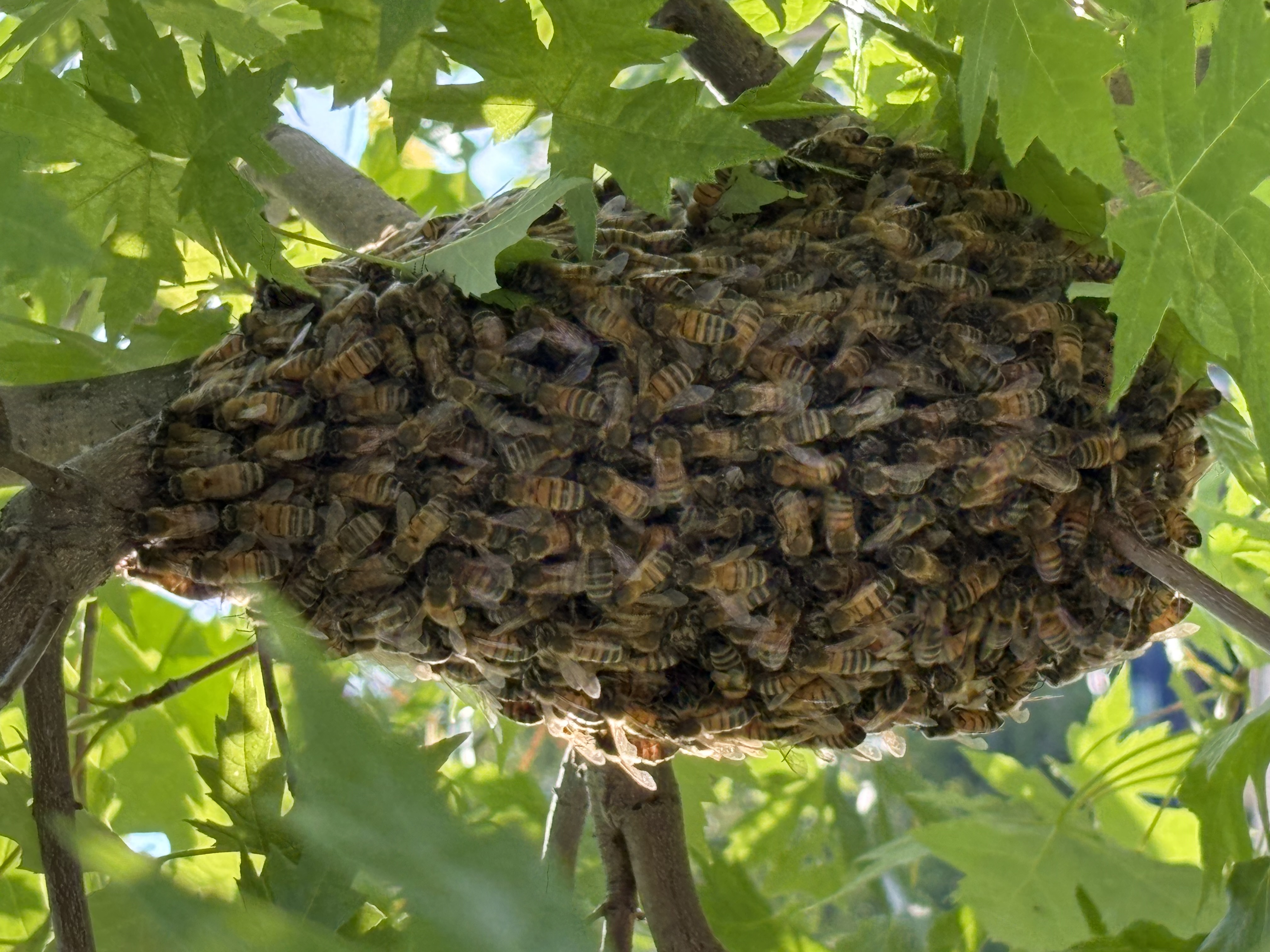
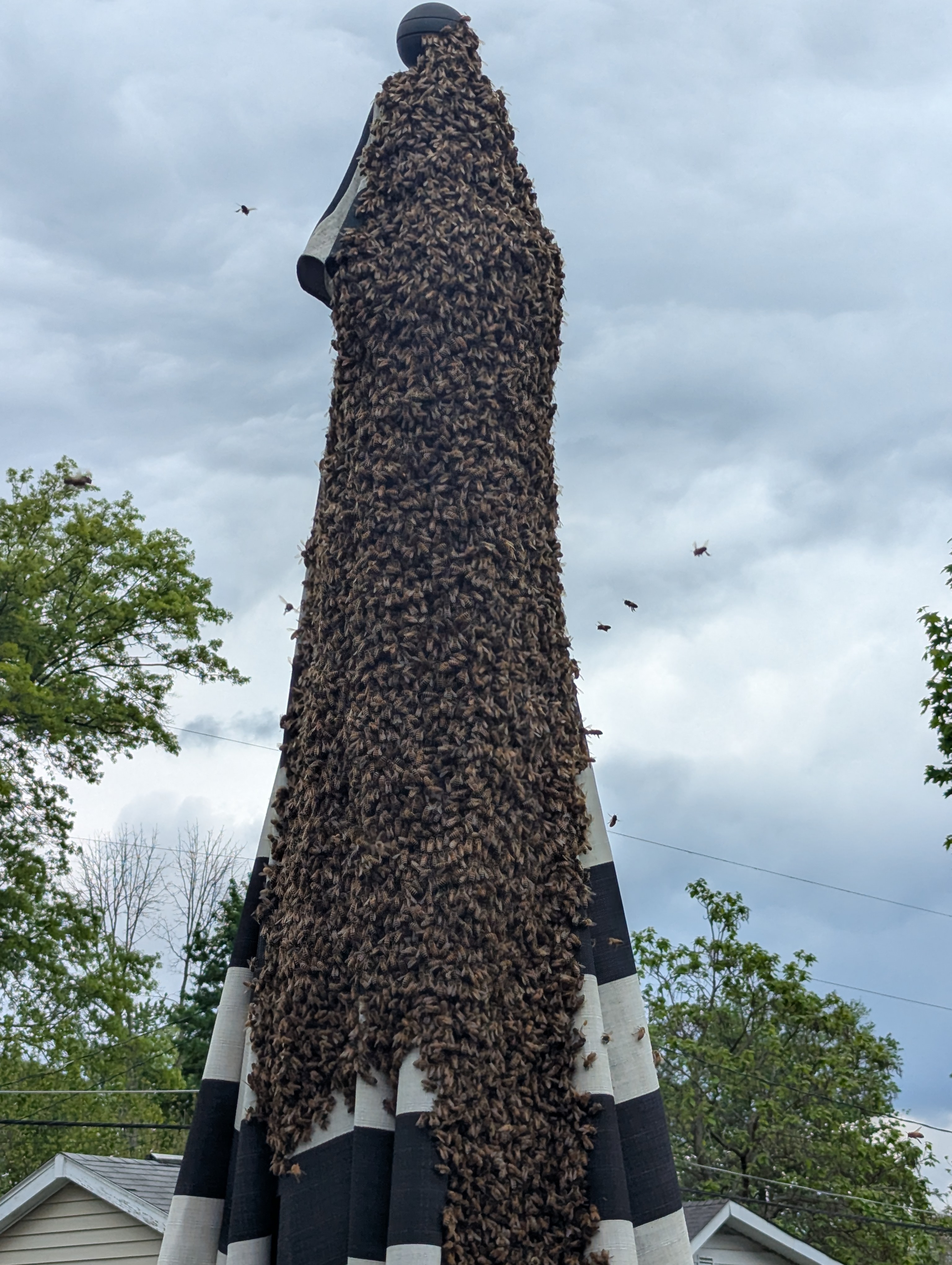
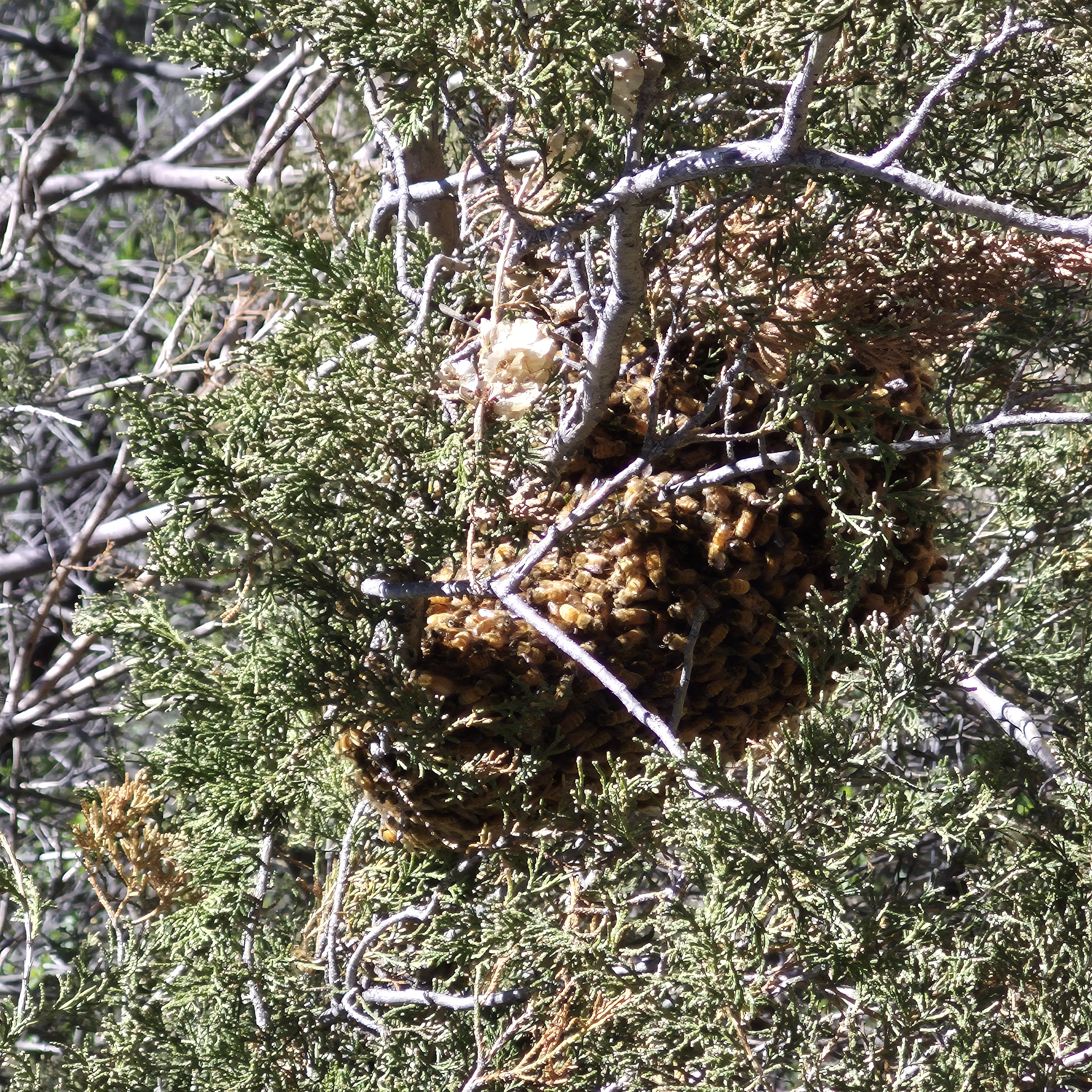
A honey bee swarm is the colony's natural method of reproduction. When a hive becomes overcrowded, the original queen bee leaves with about half of the worker bees to find a new home. This group, known as a swarm, clusters together temporarily while scout bees search for a suitable permanent location.
Contrary to popular belief, bees in a swarm are surprisingly docile. Before leaving their original hive, they fill their stomachs with honey, making them less inclined to sting. They have no home, no young brood, and no honey stores to defend. Their sole focus is on finding a new place to build their colony. This calm state makes it possible for trained beekeepers to safely and easily rescue them.
The Critical Difference: Swarm vs. Established Hive
Knowing the difference between a swarm and an established hive is essential, as it determines the type of response needed and whether the removal is free or a paid service.
- Swarm: This is a temporary cluster of bees resting in the open, perhaps on a tree limb, a park bench, or the side of a building. They have not built any wax comb. Because beekeepers value these bees for starting new hives, swarm rescue is almost always a free service provided by local enthusiasts.
- Established Hive (or Established Colony): If the scout bees from a swarm find a sheltered cavity, they will move in and begin building comb to raise brood and store honey. This can happen inside walls, chimneys, sheds, or hollow trees. Once bees have built comb and taken up permanent residence, they are considered an established hive. Bees in this situation will be defensive of their home. Removal, known as a “cutout,” is a complex and labor-intensive process that requires specialized skills, tools, and often carpentry to access the colony and repair the structure. This service costs money, and a beekeeper will provide a quote based on the complexity, location, and time required.
Swarm Season in Illinois
Across Illinois, the peak time for swarms is late spring. As temperatures warm and nectar flows, healthy colonies expand rapidly, triggering the swarming impulse. You might see them in urban areas like Rockford just as often as in rural farmlands. The number of swarms can be significant; in other states with active beekeeping communities, it's not uncommon for networks to handle a high volume of reports. For instance, in one season, the Swarmed network facilitated the rescue of over 100 swarms in Nevada alone, demonstrating the scale of this natural cycle.
When you see a swarm, you are witnessing a new honey bee colony in the making. Your next action determines whether it finds a safe home with a beekeeper or perishes without one.
How Your Report Makes a Difference
Reporting a swarm is the single most effective way to help honey bees and your community. Swarmed provides a simple, fast, and free platform for Illinois bee swarm reporting, connecting people who spot swarms with registered local beekeepers who are ready to help.
By reporting a swarm through the Swarmed network, you:
- Protect swarms by ensuring they are rescued by a skilled beekeeper rather than being exterminated or failing to find a suitable home.
- Support local Illinois beekeepers by helping them acquire bees to build their apiaries, which in turn supports local agriculture through pollination.
- Ensure public safety by having the bees professionally and humanely managed by an expert.
What to Do When You Find a Swarm
If you encounter a honey bee swarm, your response can make all the difference. Follow these simple steps:
- Stay Calm and Keep a Safe Distance: While swarms are docile, it's best to observe them from afar and not disturb the cluster.
- Do Not Spray Them: Never spray a swarm with water, insecticides, or any other substance. This will not make them leave and may provoke a defensive reaction.
- Take a Photo (If Safe): A picture can help the beekeeper confirm it's a honey bee swarm and assess the situation before arriving.
- Report the Swarm Immediately: The most important step is to report the location of the bees. The swarm is temporary and will likely move on within a day or two, so time is of the essence.
Report a Swarm, Help Illinois Bees
Honey bee swarms are a beautiful and essential part of our ecosystem in Illinois. By taking a moment to report one, you play a direct role in the survival of these vital pollinators. The Swarmed platform is a community-driven tool designed to make this process easy and effective. Reporting a swarm is free to use; we simply ask for an optional suggested contribution of $12 to help support the platform and its mission to protect honey bees. Your observation and quick action can provide a new beginning for a honey bee colony and strengthen beekeeping in our state.
If you see a honey bee swarm, don't wait. Visit https://beeswarmed.org/report-bee-colony (opens in a new tab) to submit your report and connect with a local beekeeper today.