Idaho's Annual Awakening: The Start of Bee Swarm Season
Across the Gem State, from the bustling streets of Boise to the quiet fields surrounding Idaho Falls, the arrival of spring brings a familiar and vital sign of nature's renewal: the buzz of honey bees. As temperatures rise and flowers begin to bloom, honey bee colonies that successfully navigated the colder months enter a period of rapid growth. This explosion in population triggers a natural and fascinating event known as swarming, a key part of the honey bee life cycle.
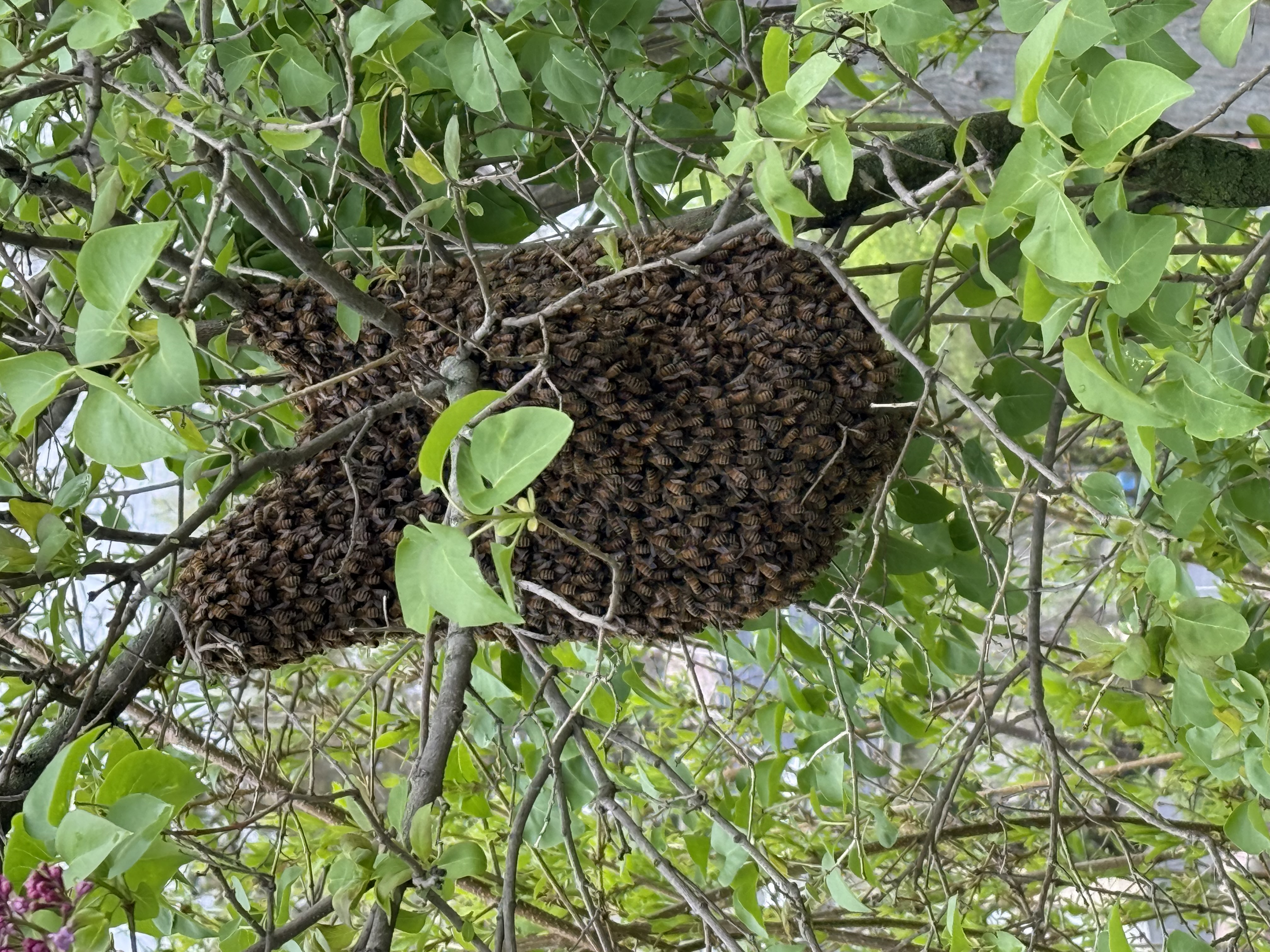
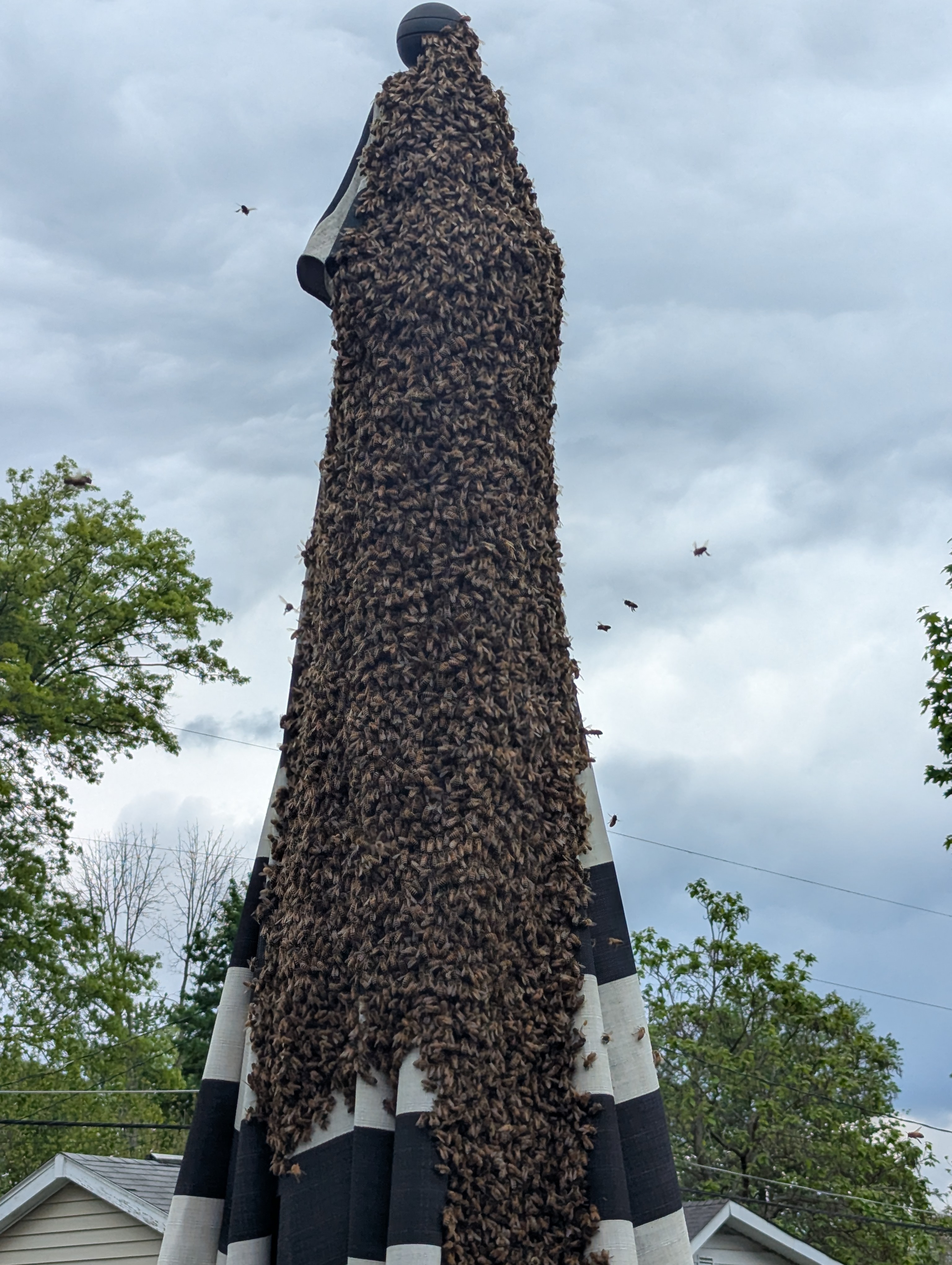
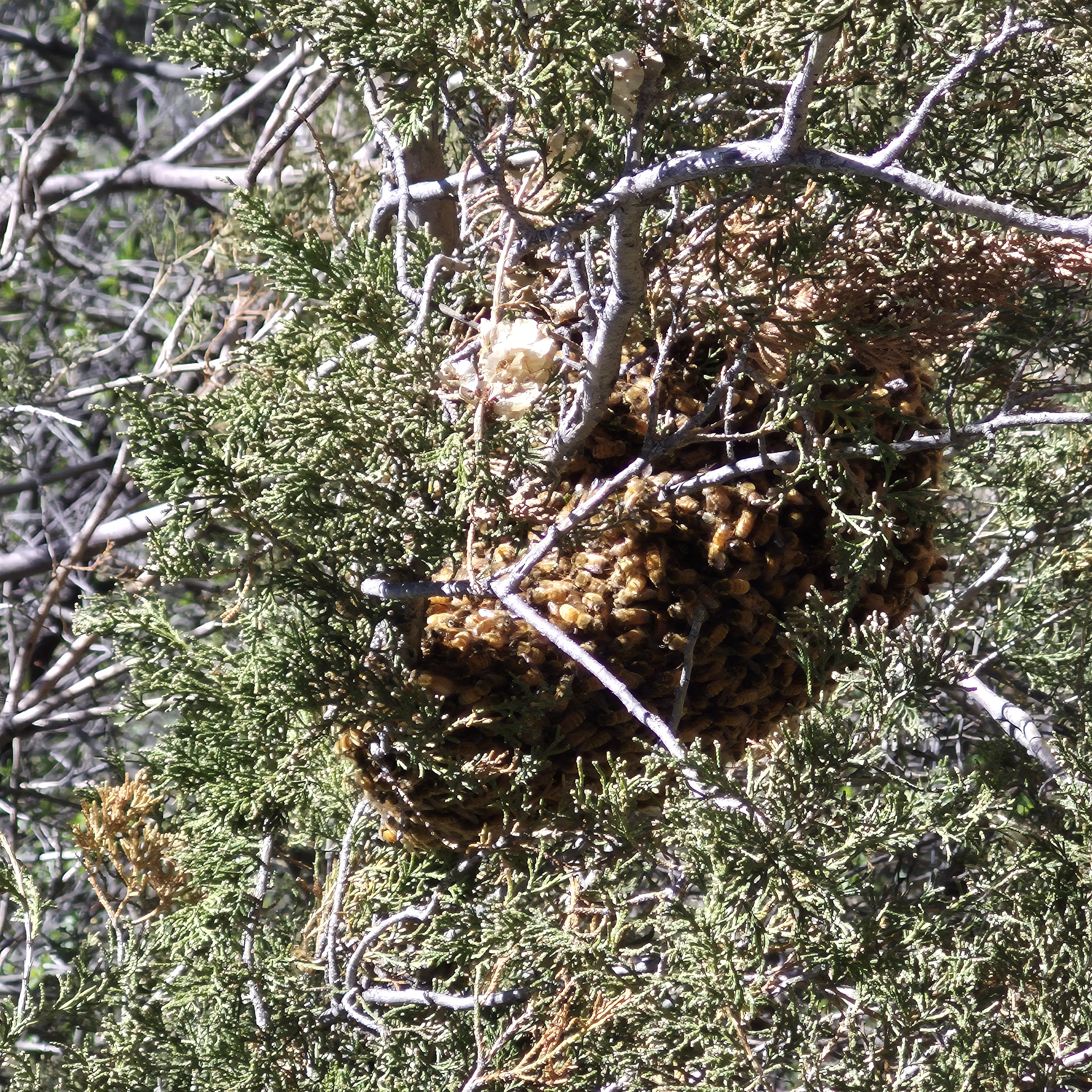
Understanding the Idaho bee swarm season is crucial for residents. Seeing a large cluster of thousands of bees hanging from a tree branch or fence post can be startling, but it represents a colony's healthy reproductive process, not a threat. These swarms are simply looking for a new place to call home, and with a little knowledge, you can play a crucial role in ensuring their safe relocation.
What is a Honey Bee Swarm?
A honey bee swarm is a temporary, transient group of bees, including a queen, that has left its original hive to establish a new colony. Before leaving, the bees gorge themselves on honey to have enough energy for the journey. This makes them surprisingly docile, as they have no home, honey stores, or young brood to defend. Their sole focus is on finding a suitable new cavity to build their home.
Typically, a swarm will cluster on a nearby object—like a tree limb, a mailbox, or the side of a building—for a few hours to a few days. During this time, scout bees fly out in search of a permanent residence. Once a location is chosen, the entire cluster will take flight and move in.
Swarm vs. Established Colony: A Critical Distinction for Homeowners
It is essential to understand the difference between a temporary swarm and an established colony, as the response and potential cost for removal are very different.
- A Swarm: This is the exposed, clustered ball of bees described above. They have not yet built a wax comb or settled into a structure. Because beekeepers value these bees for starting new hives, swarm rescue is typically offered free of charge by local beekeepers. They are relatively easy to collect and provide a great start for a new apiary.
- An Established Colony: If bees have moved into a structure—such as the wall of a house, a chimney, or a shed—and have begun building wax comb, they are considered an established colony. Removing them is a far more complex process known as a "cutout." This is specialized work that may involve carpentry and structural repairs. Beekeepers will need to provide a quote for this service based on the complexity, time, and materials required. You can then accept or reject the quote.
Knowing this difference helps you accurately describe the situation when seeking help, ensuring the right professional is contacted.
Peak Swarm Periods Across Idaho
While bee behavior is heavily influenced by local weather patterns, Idaho's bee swarm season generally follows the progression of spring across the state. In warmer areas like the Treasure Valley, swarms can begin appearing in late spring. As the season progresses northward toward regions like Coeur d'Alene, the peak activity follows.
Keeping an eye out during this period is the best way to spot swarms early. An early report is the best way to ensure the bees can be rescued before they decide to move into a less-than-ideal location, like an attic or wall void.
The Swarmed network serves as an invaluable community resource connecting the public with local experts. Across the state, 144 Idaho beekeepers use Swarmed to respond to alerts, successfully rescuing honey bee colonies. This community-driven effort protects our vital pollinators and supports the local beekeepers who manage them.
How to Safely Help a Honey Bee Swarm
If you encounter a swarm, you have a unique opportunity to help protect these essential pollinators. The steps are simple and safe, and they ensure the bees are given a chance to thrive under the care of a knowledgeable beekeeper.
- Keep a Safe Distance: While swarming bees are docile, it's always wise to give them space. Do not spray them with water or pesticides, or attempt to disturb them in any way.
- Observe Their Location: Take note of where the swarm is located—how high off the ground it is and what it is clustered on. This information is helpful for the beekeeper.
- Report the Swarm: The most important step is to report the colony. The Swarmed platform makes this easy and efficient, instantly alerting nearby beekeepers who are ready to help.
By reporting a swarm, you are not just solving a potential nuisance; you are actively participating in the preservation of honey bees. These incredible insects are responsible for pollinating a significant portion of the crops that feed our communities, and supporting them means supporting our local Idaho agriculture.
Your Role in a Bee-Friendly Community
Your quick action can make all the difference. Reporting a honey bee swarm is a powerful act of community stewardship. It ensures the bees are safely relocated, supports a local beekeeper’s apiary, and helps maintain a healthy ecosystem for everyone. Most beekeepers are happy to provide this service at no cost for a simple swarm collection.
This spring, as you enjoy the beauty of Idaho, keep an eye out for our buzzing neighbors. If you spot a swarm, you’ll know exactly what to do. You can be a vital part of their survival story. To report a swarm and connect with a local Idaho beekeeper ready to provide them a safe new home, please visit https://beeswarmed.org/report-bee-colony (opens in a new tab).